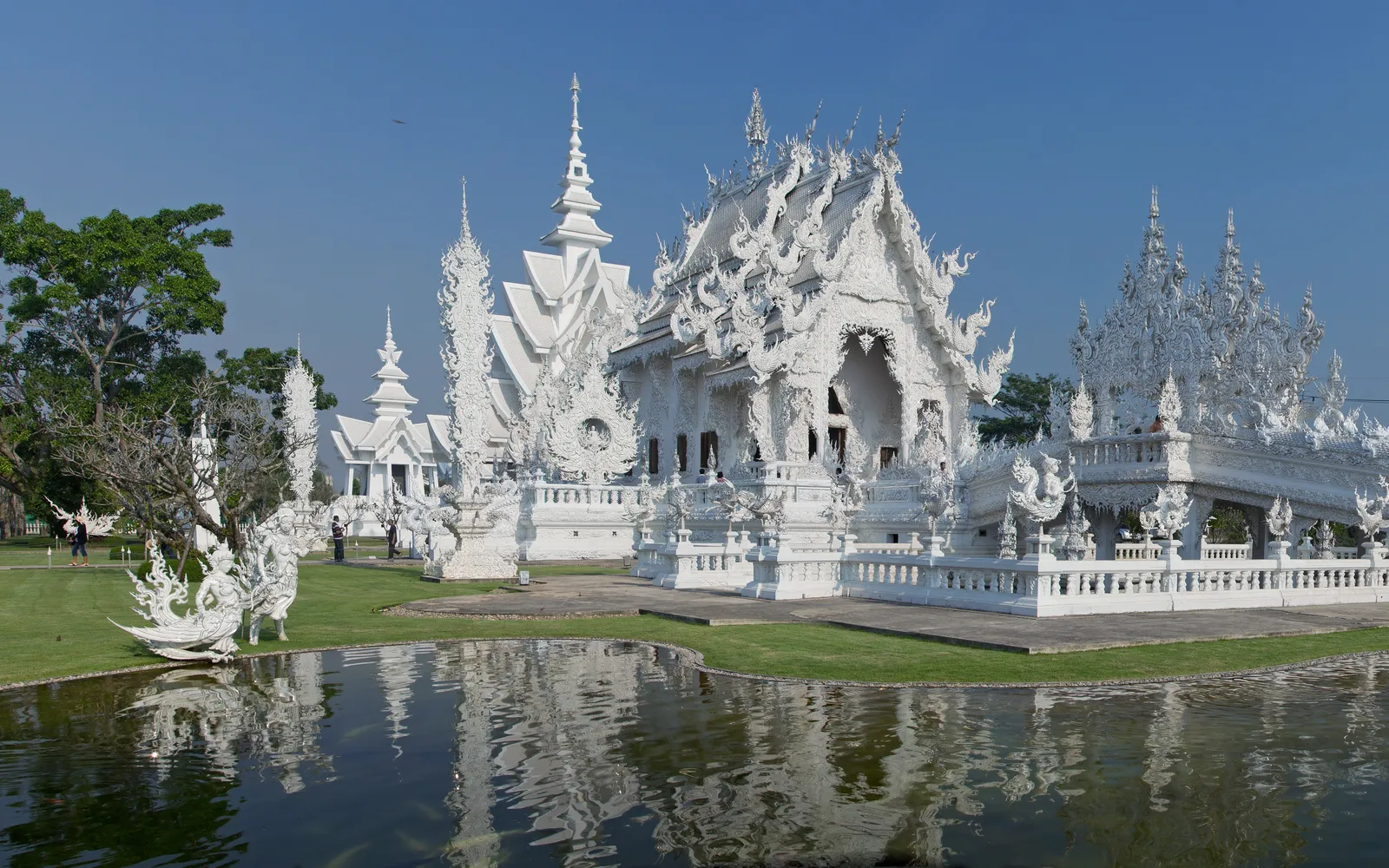
Chiang Rai is Thailand's northernmost province, sharing borders with Myanmar and Laos. Wat Rong Khun and Wat Rong Suea Ten draw visitors with contemporary architecture found nowhere else on earth, while the Golden Triangle marks the point where three countries converge along the Mekong. Chiang Rai is equally known for its tea plantations, relaxed pace, and living Lanna culture.
 #1
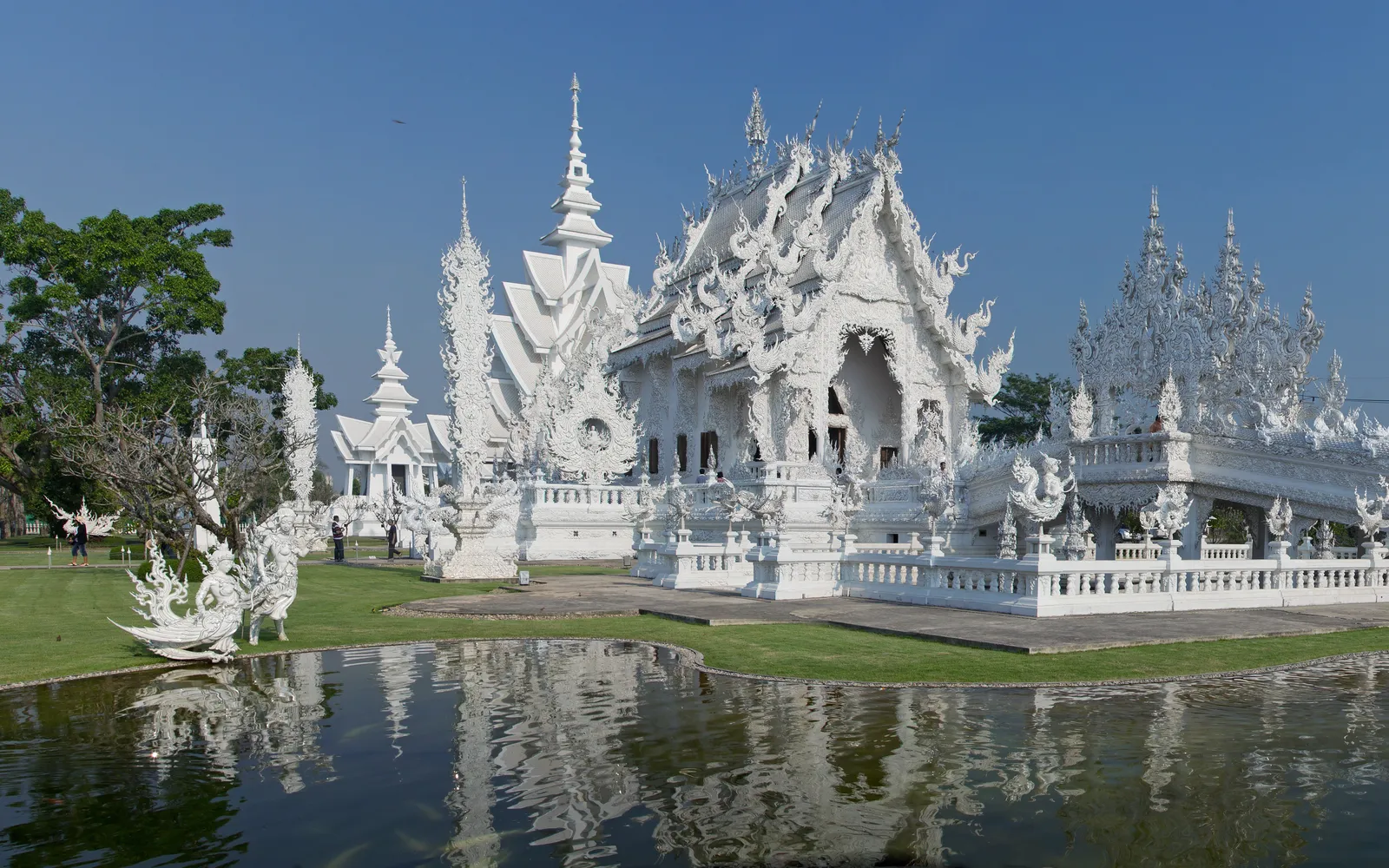
#1 Wat Rong Khun (White Temple) · Wat Rong Khun (White Temple)
Wat Rong Khun — widely called the White Temple — is Chiang Rai's most iconic sight. It was designed and built by National Artist Chalermchai Kositpipat starting in 1997, funded entirely from his own pocket at a cost of over 40 million baht. The pure-white ubosot and bridge are studded with mirror glass that catches the sun in flashes of silver. Inside, the murals are contemporary: Neo from <em>The Matrix</em>, the Terminator, and dozens of other pop-culture figures appear alongside traditional Buddhist imagery.
- Free entry for Thai nationals; foreign visitors pay 200 baht
- Arrive before 09:00 to avoid crowds and get the best photos
- Dress modestly — shoulders and legs must be covered; no photography inside the ubosot
 #2
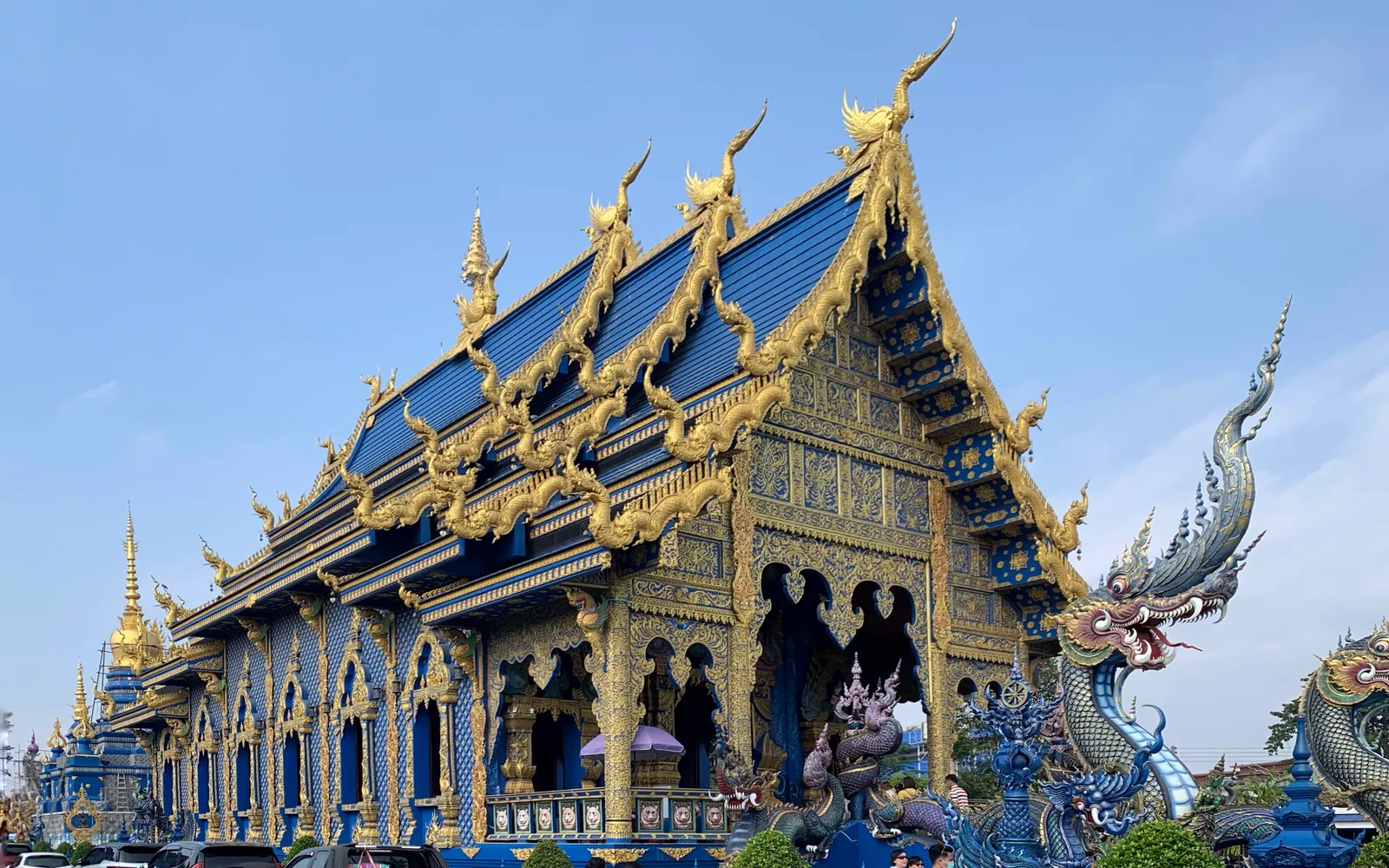
#2 Wat Rong Suea Ten (Blue Temple) · Wat Rong Suea Ten (Blue Temple)
Wat Rong Suea Ten — the Blue Temple — is a contemporary temple completed in 2016, designed by Phuttha Kabkaew, a student of National Artist Chalermchai Kositpipat. The name translates as "the temple where tigers dance," from a folk legend that tigers once sheltered here after the original temple fell into ruin. The main viharn is large, deep-blue, and trimmed with gold. Inside stands the Phra Phuttha Rachamongkhon Boditrilokanat — a luminous white Buddha image.
- Free entry every day; open 07:00–20:00
- The temple is most beautiful at night — floodlights deepen the blue dramatically
- Only 3 km from the city centre, so it works perfectly as a stop on the way back from Wat Rong Khun
 #3
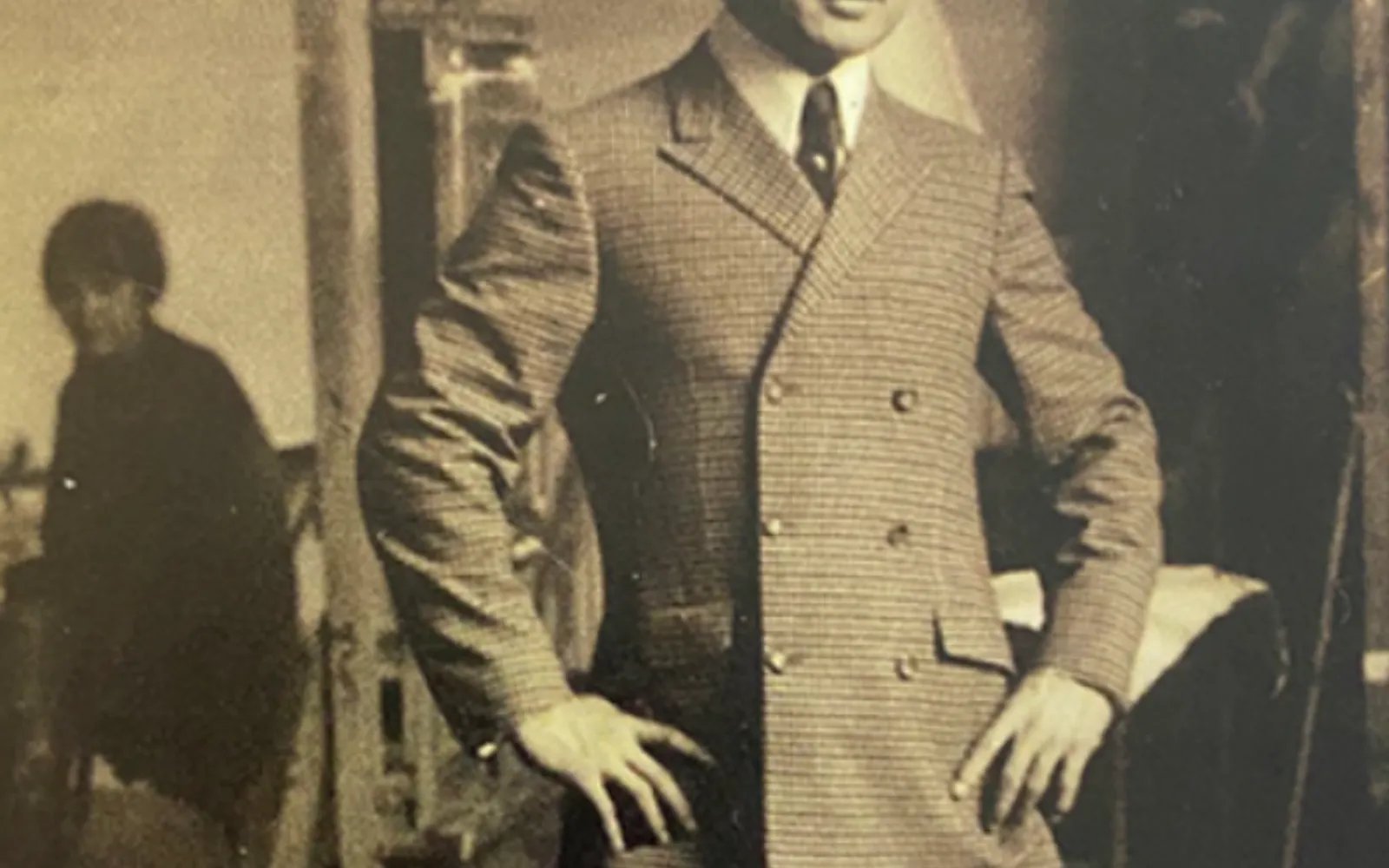
#3 Baan Dam Museum (Black House) · Baan Dam Museum (Black House)
Baan Dam is the life's work of the late Thawan Duchanee, a National Artist from Chiang Rai who passed away in 2014. More than 40 black timber buildings in a contemporary Lanna style are scattered across a green compound. Each structure displays artworks, sculptures, animal bones, hides, and unusual collected objects that reflect Thawan's thinking on life, death, and Buddhist philosophy. The property opened as a public museum after the artist's death.
- Entry 80 baht; open daily 09:00–17:00
- Some rooms display animal bones and hides — may not be suitable for young children or sensitive visitors
- Photography is welcome throughout the grounds, but do not touch or move any artworks
 #4
#4 Golden Triangle · Golden Triangle
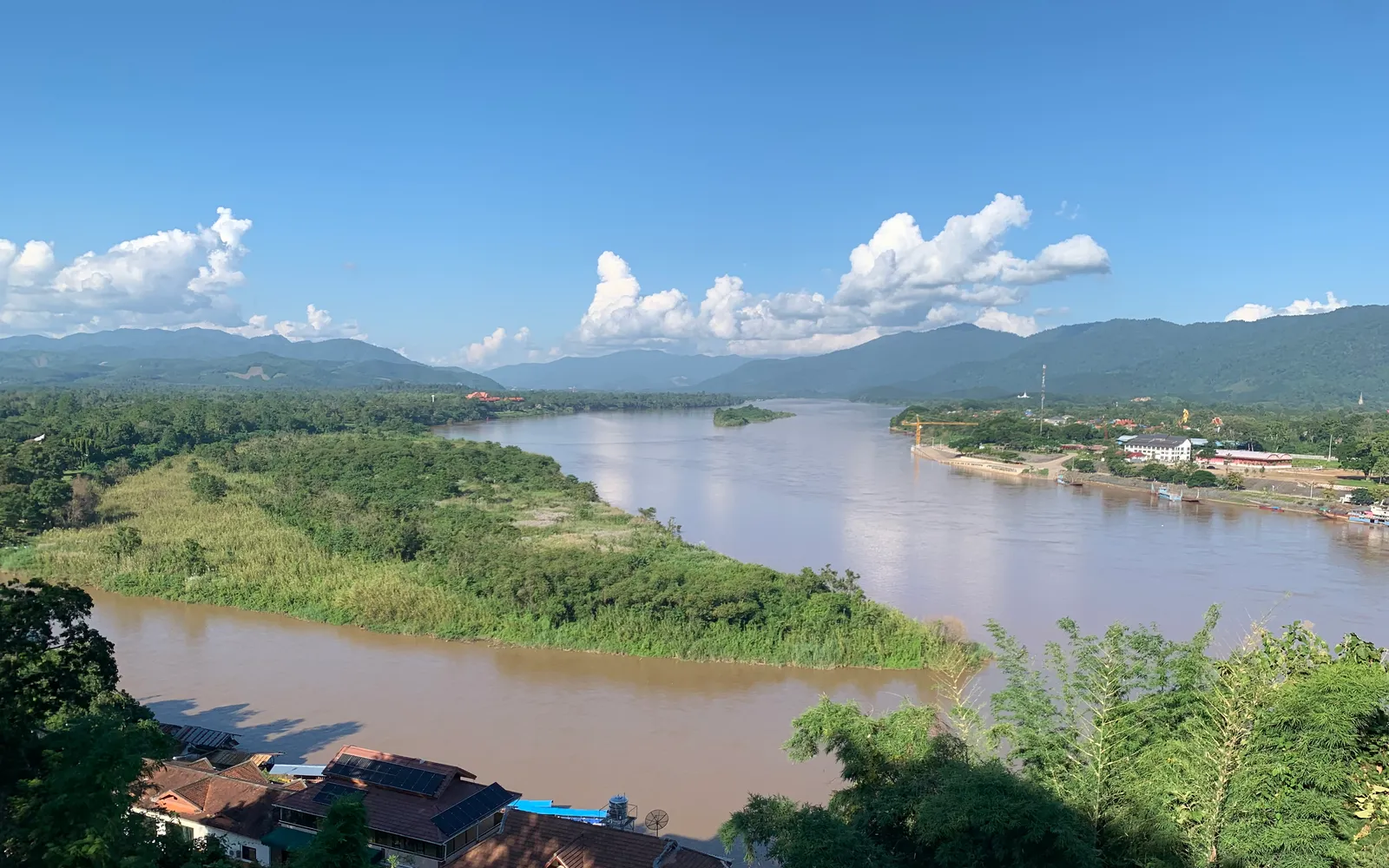
The Golden Triangle is the confluence of the Mekong and Ruak rivers, forming the border point of three countries: Thailand, Laos, and Myanmar. Historically this was the world's largest opium-trading hub. Today it's a tourist site with the Hall of Opium — a first-rate museum run by the Mae Fah Luang Foundation — and the House of Opium, plus sweeping views over the Mekong. You can also take a short boat ride across to the Lao side.
- The Hall of Opium is an excellent museum backed by the Mae Fah Luang Foundation; entry 200 baht
- Sunset over the Mekong from here is genuinely beautiful — bring a camera
- Renting a motorbike or car is the best way to combine this with Doi Tung in one day
 #5
#5 Singha Park Chiang Rai · Singha Park Chiang Rai
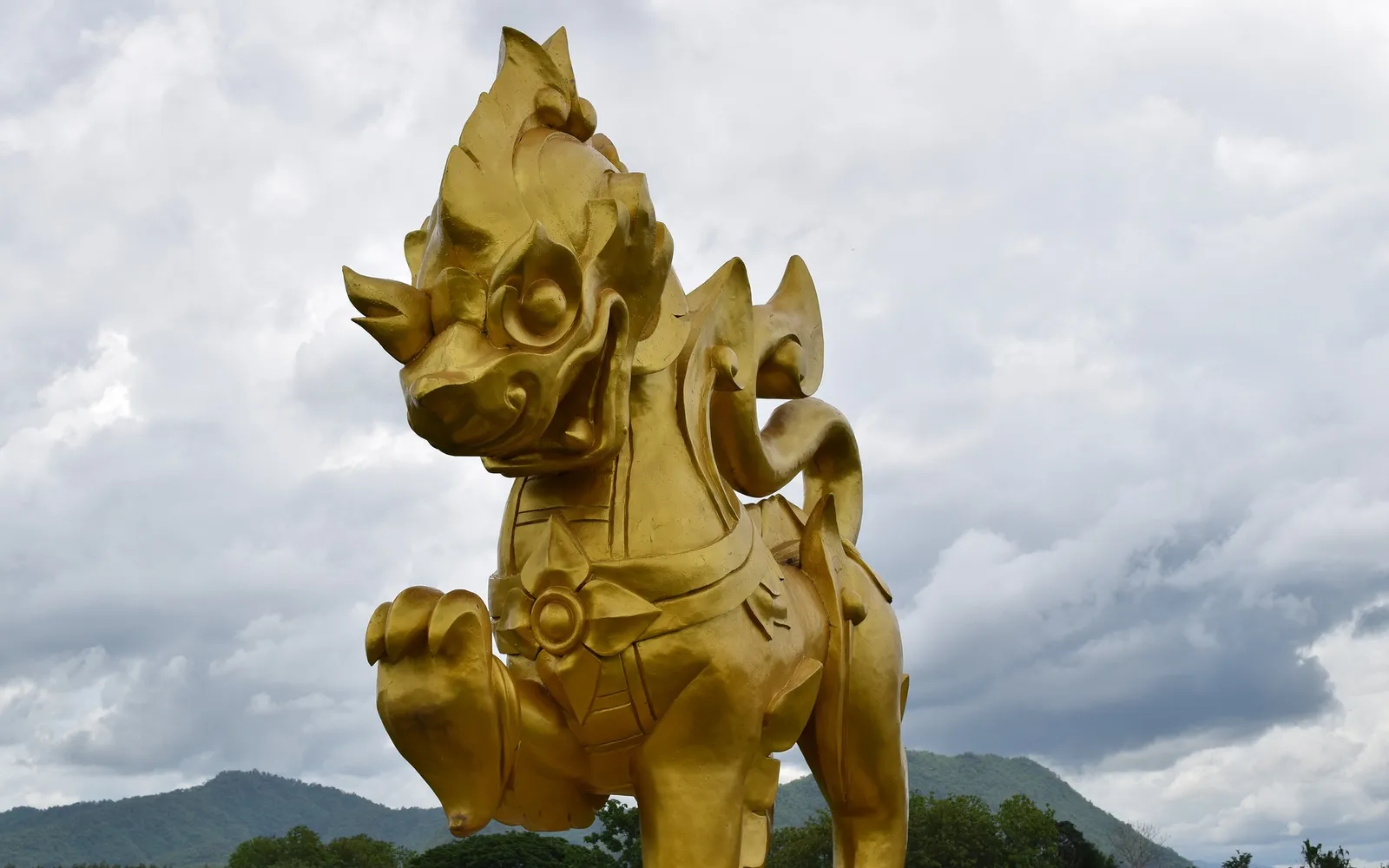
Singha Park is an 8,000-rai (1,280-hectare) agro-tourism farm owned by the Bhirombhakdi family, proprietors of Boon Rawd Brewery (Singha Beer). Originally a barley farm, it has been transformed into oolong tea gardens, seasonal flower fields, a wildlife zone with giraffes and zebras, cycling trails, and a zip-line. The setting — open farmland framed by mountains — makes it one of the most photogenic spots in the province.
- Entry 50 baht, including a tram tour of the farm; trams depart every 30 minutes
- Flowers are at their peak November–January (cool season)
- The on-site restaurant uses farm-grown ingredients — fresh and reasonably priced
 #6
#6 Doi Tung Royal Villa and Mae Fah Luang Garden · Doi Tung Royal Villa and Mae Fah Luang Garden
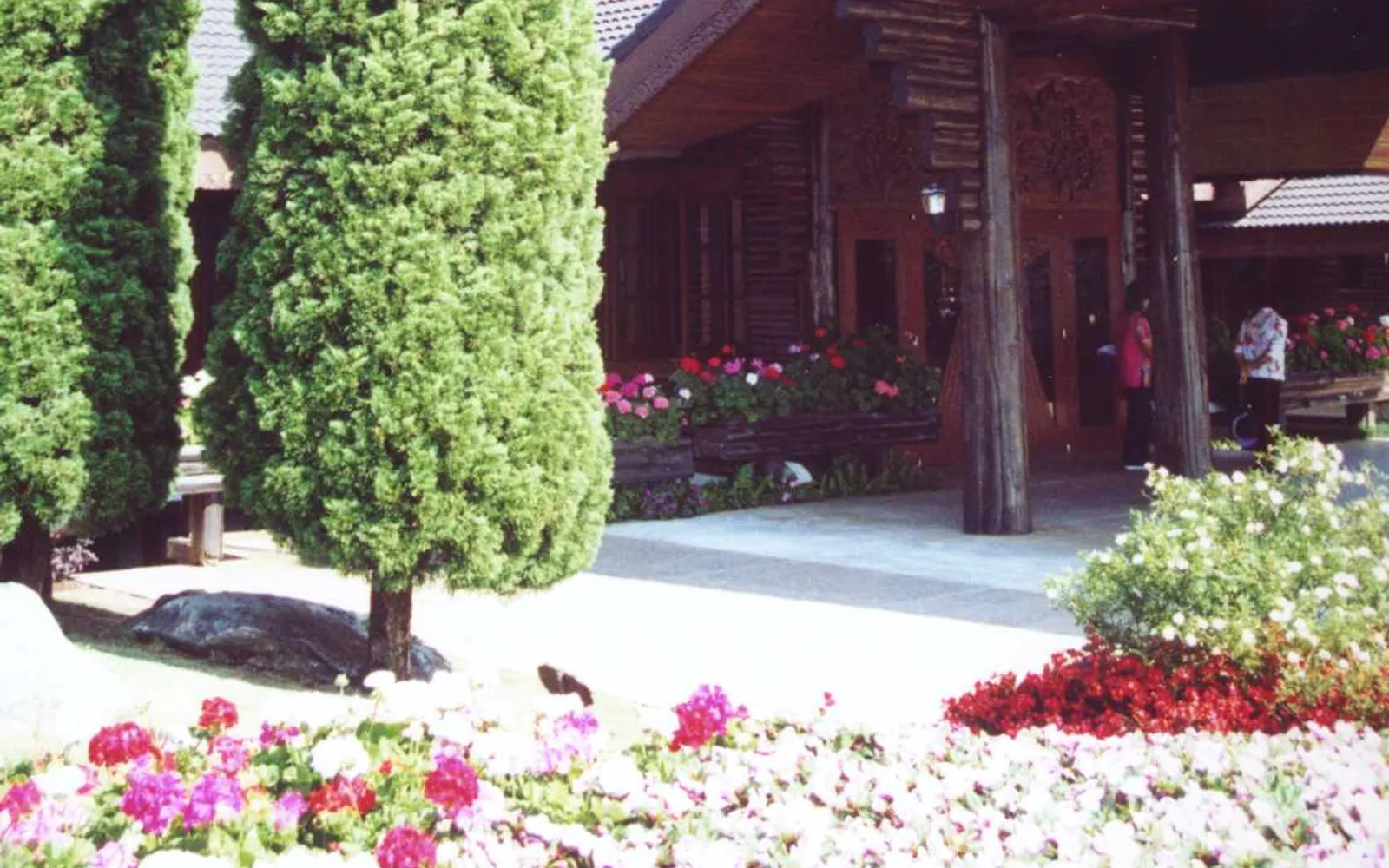
Doi Tung is a royal development project initiated in 1988 to address opium cultivation among highland communities. The Doi Tung Royal Villa was built in a Lanna-Swiss style — a blend reflecting that the Princess Mother had lived in Switzerland for many years. It now serves as a museum, and the adjacent Mae Fah Luang Garden displays hundreds of flower varieties year-round. From the summit you can look out over both Myanmar and Thailand in a single glance.
- Mae Fah Luang Garden entry 90 baht; the Royal Villa is a further 90 baht — a combined ticket is available
- The mountain road is winding and steep — drive carefully if self-driving
- The Doi Tung coffee shop at the summit uses beans from the project's own plantations — worth a stop
 #7
#7 Choui Fong Tea Plantation · Choui Fong Tea Plantation
Choui Fong is Chiang Rai's largest tea plantation, founded by Thawee Wanichpithakkul in 1977. Sitting at 1,200 metres above sea level, the estate grows assam, green tea, oolong, and black tea across more than 1,000 rai (160 hectares). The tea rows stepping down the hillside make for one of northern Thailand's most photographed landscapes. There is a tea café and restaurant on site using produce from the farm. Entry is free.
- Admission is free; the café serves tea straight from the estate — the fresh oolong is not to be missed
- Come early to photograph mist rolling over the tea rows — the effect is best in cool-season mornings
- Boxed tea is sold in the shop as a take-home gift, starting from 150 baht
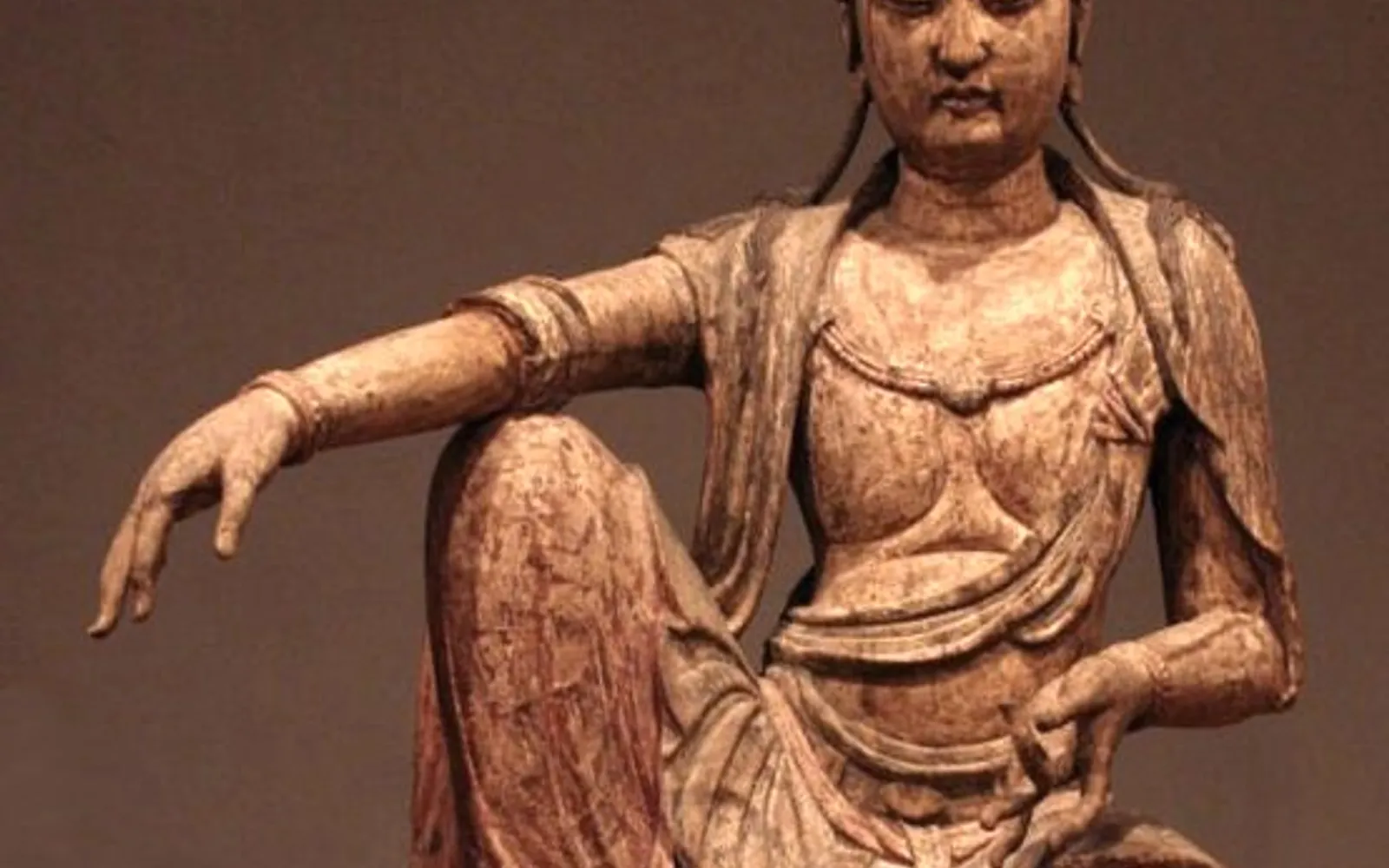 #8
#8 Wat Huay Pla Kang (Giant Guanyin Temple) · Wat Huay Pla Kang (Giant Guanyin Temple)
Wat Huay Pla Kang is home to a 40-metre white Guanyin statue standing on an ornate lotus base. Construction began in 2001, with initial funding from the local Chinese community. Inside the base is a nine-storey pagoda — each floor enshrining Buddha images and Guanyin figures. A lift carries visitors to the upper floors, where the views over Chiang Rai city are broad and clear.
- Lift to the upper floors costs 40 baht; temple entry is free
- The temple is open all day and looks striking both by daylight and after dark
- A vegetarian restaurant and a shop selling devotional items operate within the temple grounds
Where to stay in Chiang Rai for this trip
A well-located hotel means less commuting and more sightseeing. Here are real, top-rated stays in Chiang Rai — compare Agoda · Booking · Trip.com in one click.
The Riverie by Katathani
Affiliate links — we may earn a commission at no extra cost to you. Details
Le Patta Hotel Chiang Rai
Affiliate links — we may earn a commission at no extra cost to you. Details
Le Meridien Chiang Rai Resort
Affiliate links — we may earn a commission at no extra cost to you. Details
Nak Nakara Hotel
Affiliate links — we may earn a commission at no extra cost to you. Details
Tours, tickets & activities in Chiang Rai
Day tours, attraction tickets and travel essentials for Chiang Rai — book ahead on Klook with mobile e-tickets.
Affiliate links — we may earn a commission at no extra cost to you.
Before You Pack
Chiang Rai is among the best places in Thailand to combine art, nature, and history in a single trip. Plan at least 3–4 days to experience the province properly.