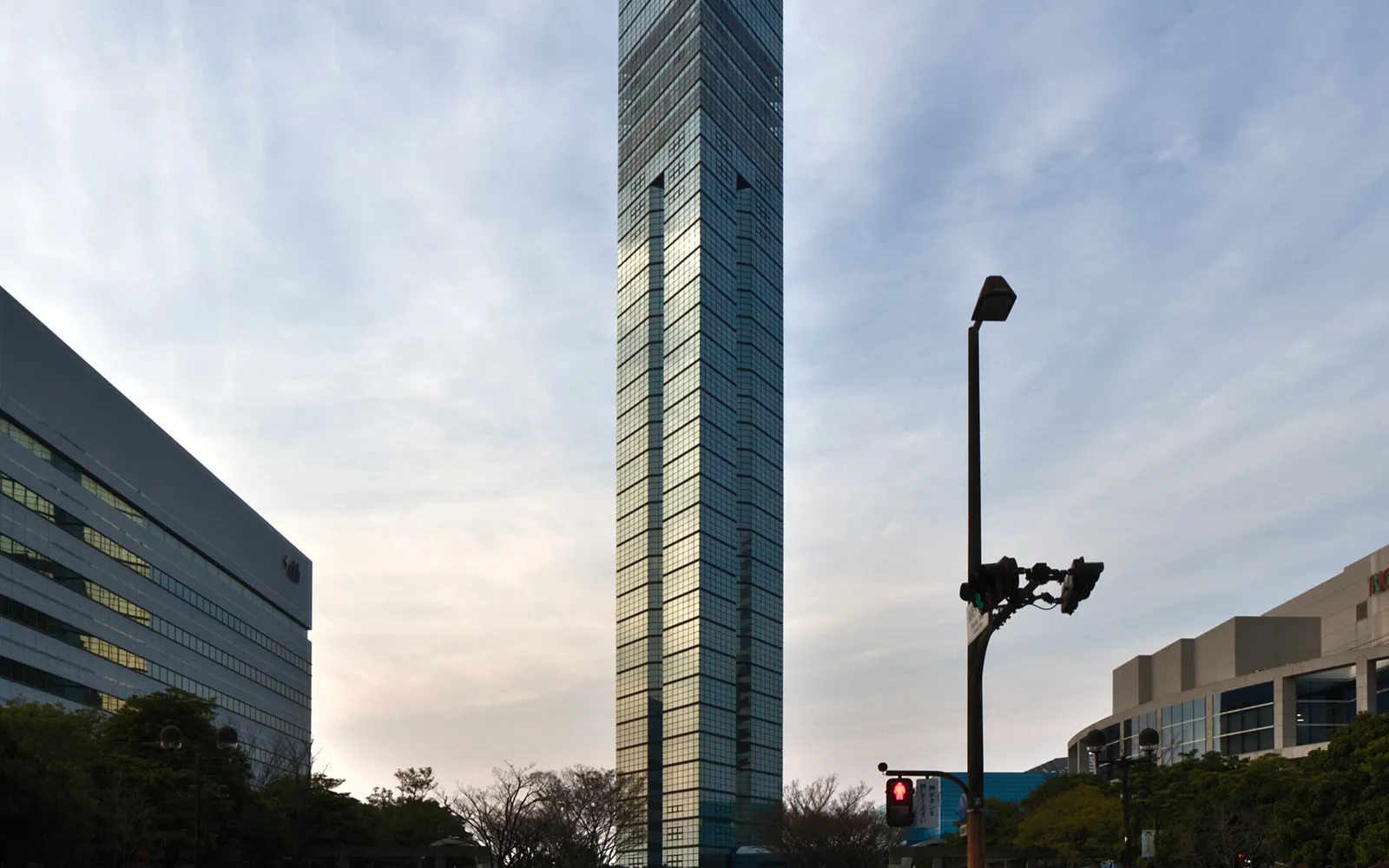
Fukuoka is widely regarded as Japan's top food city — and the case goes well beyond its famous milky tonkotsu broth. The city has its own roster of local dishes you simply cannot find anywhere else: spicy cured cod roe that became the city's edible symbol, a rich offal hot pot that working-class families have eaten for generations, and a street-food culture called yatai that Fukuoka alone has kept alive in full force across Japan.
 #1
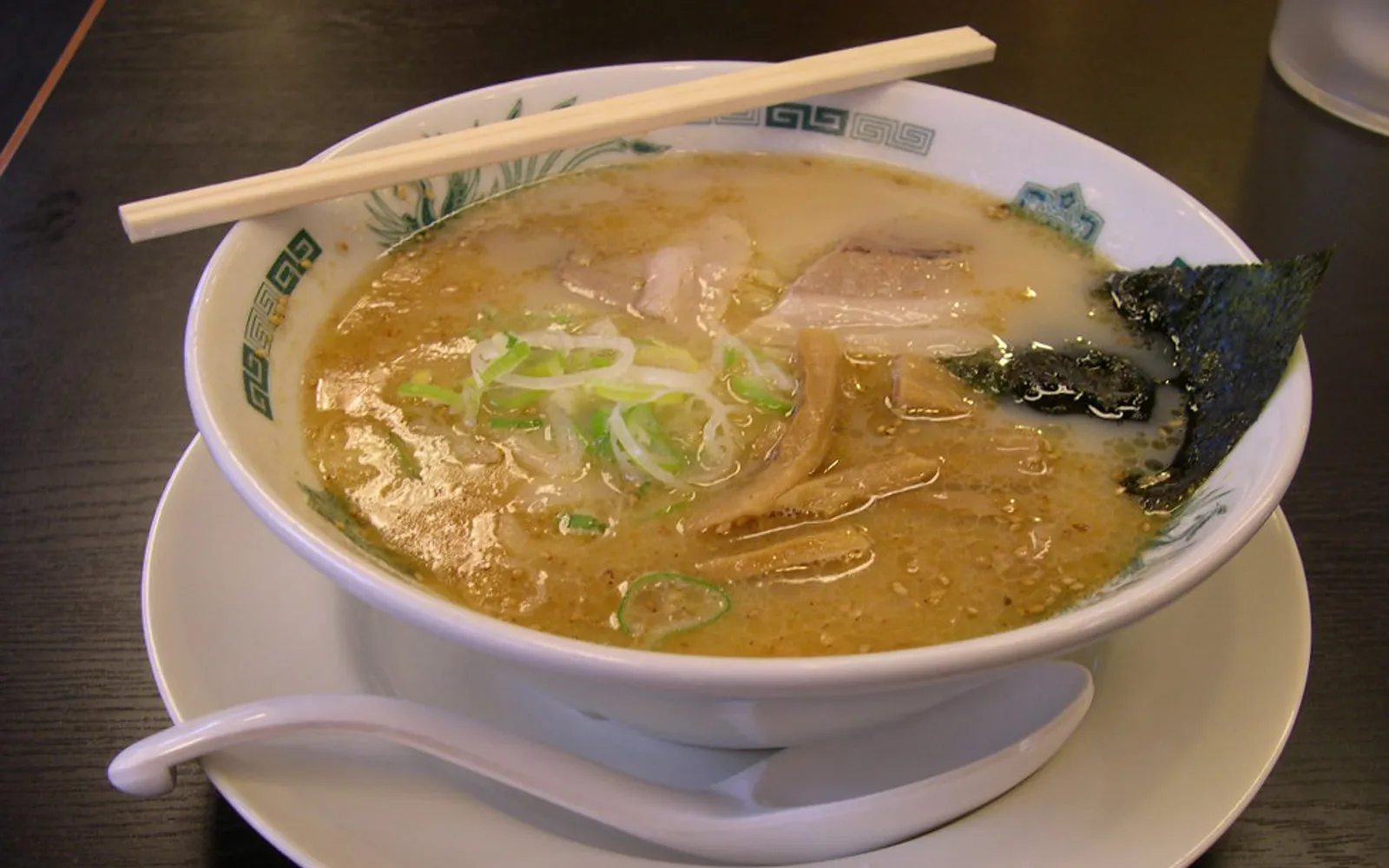
#1 Hakata Ramen (Tonkotsu Ramen) · Hakata Ramen (Tonkotsu Ramen)
This is the original ramen from Fukuoka's Hakata district — pork bones simmered for over 18 hours until the broth turns white, thick, and almost sticky. The noodles are thin and straight, a clear departure from ramen styles in other Japanese regions. Most shops run a <em>kaedama</em> system: ask for extra noodles at no charge once your bowl runs low, so even a small serving keeps you full.
- Shin-Shin in Tenjin and the original Ichiran branch are the two strongest starting points.
- Tell the counter staff 'katamen' for slightly firm noodles or 'barikate' if you want them very hard.
- The Nagahama district has the oldest-school shops — many stay open late and some are still run as yatai stalls.
 #2
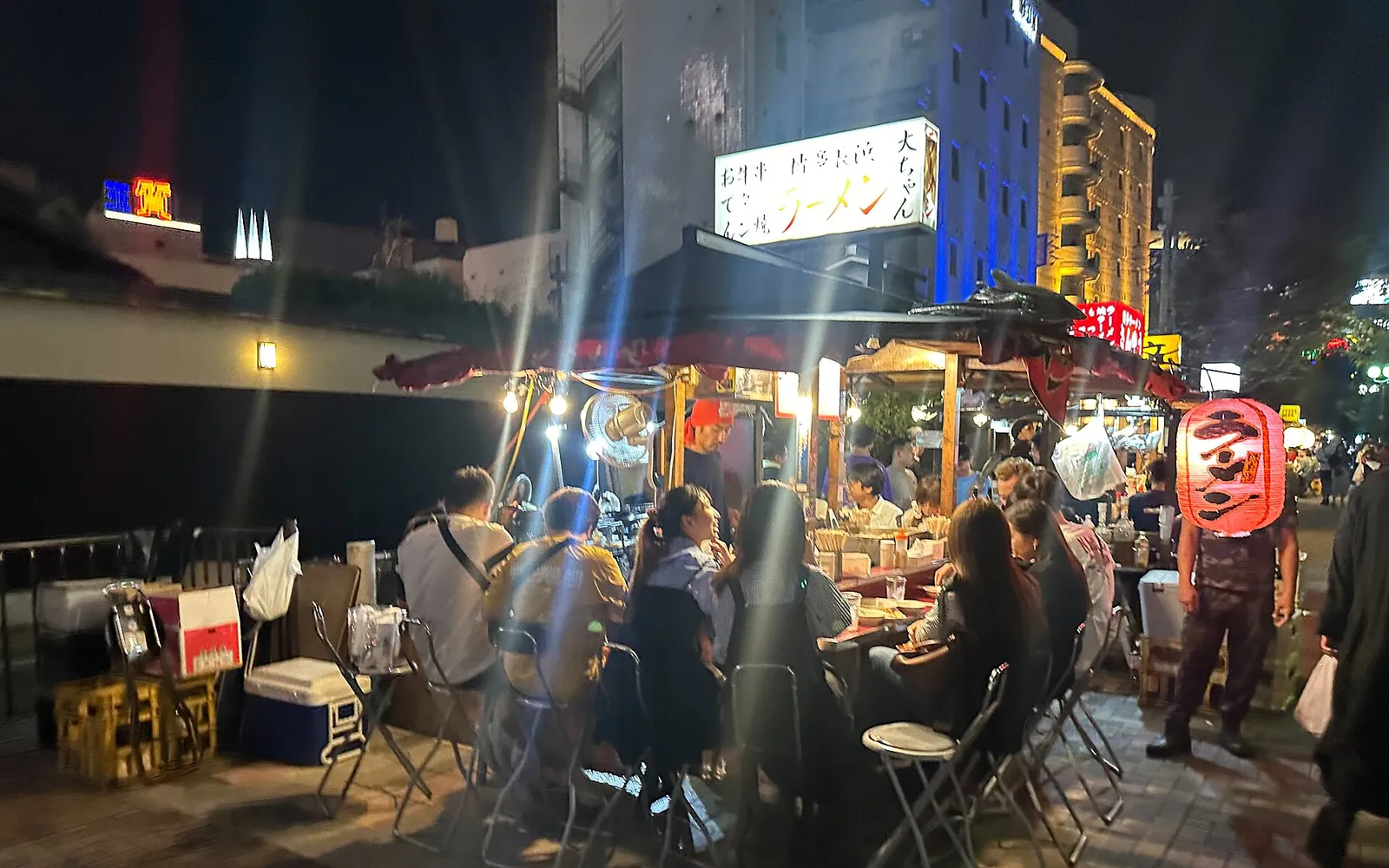
#2 Yatai Street Food Stalls · Yatai Street Food Stalls
Fukuoka is the only city in Japan where the yatai tradition is still going strong — more than 100 stalls open every night from 6 p.m. to 2 a.m. Each one seats just 8–10 people. The menu typically covers ramen, yakitori, gyoza, oden, and seasonal seafood. Sitting shoulder-to-shoulder with the stall owner and strangers beside you creates an intimacy you won't get in a regular restaurant.
- The Tenjin strip along the Nishitetsu river has the densest cluster of stalls and is the easiest to find on foot.
- Striking up a conversation with the owner usually works — most are friendly and manage basic English.
- Many stalls are cash only, so carry yen.
 #3
#3 Mentaiko · Mentaiko
Mentaiko, spicy marinated cod roe, is Fukuoka's most iconic product. It arrived through cross-strait trade with the Korean peninsula via Hakata Port and never left. Eat it over hot rice, baked inside squid, mixed with mayo on spaghetti, or stuffed into a rice ball. It's also the city's most popular souvenir — every shop inside Hakata Station sells it.
- Fukuya and Yamaya are the two founding brands, both trading for over 70 years.
- Mentaiko spaghetti at restaurants inside Canal City is a fusion dish locals actually love.
- Frozen packs travel well on flights — duty-free on the 4th floor of Fukuoka Airport carries several brands.
 #4
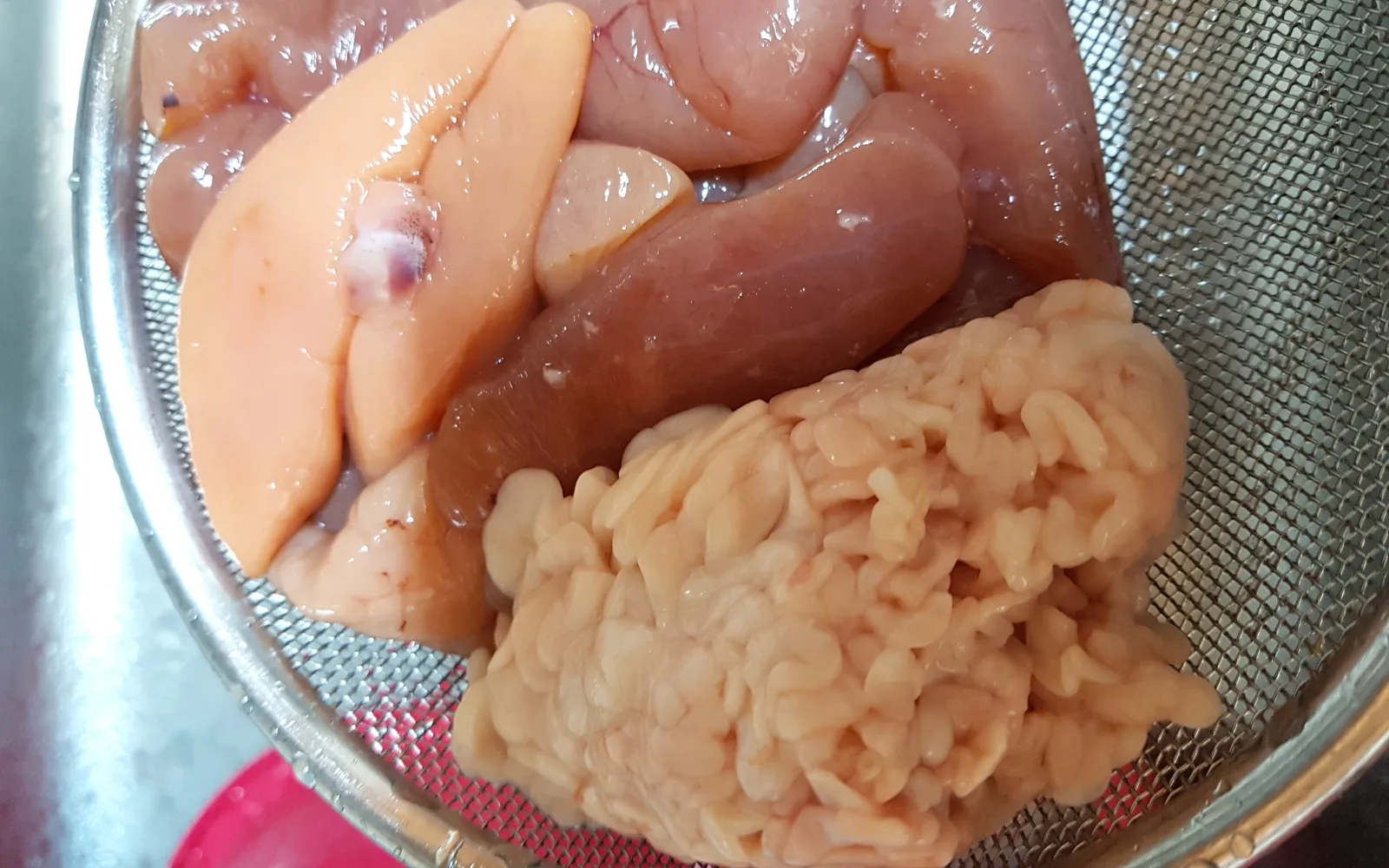
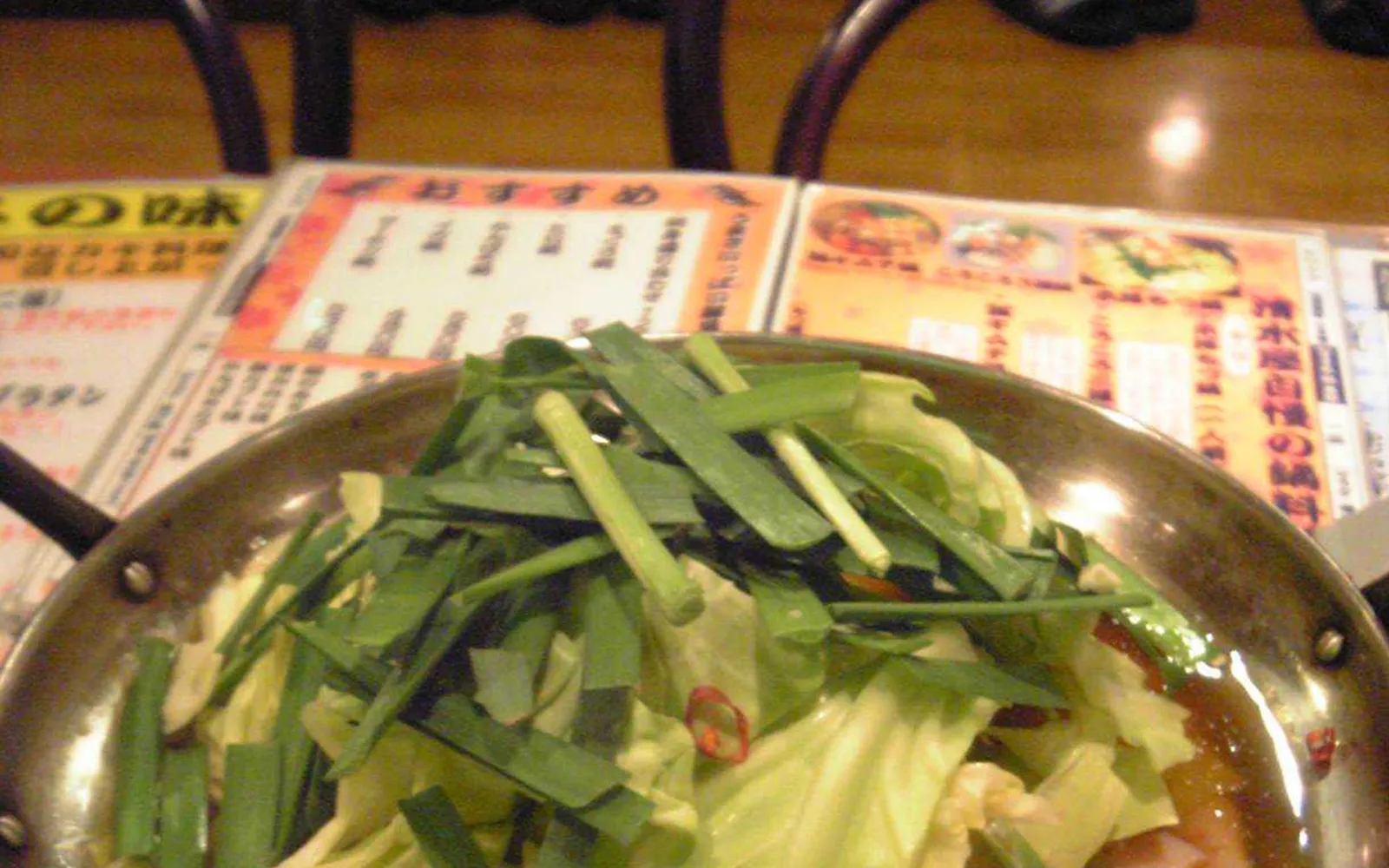
#4 Motsunabe · Motsunabe
Motsunabe is Fukuoka's working-class hot pot — beef or pork offal simmered with cabbage, green onion, garlic, and togarashi chilies in a soy sauce or miso broth. It began as a cheap post-war meal and became one of the city's defining dishes, popular with locals and visitors alike. Winter is the best season for it, though most restaurants serve it year-round.
- Hakata Shoryu and Motsu-no-Yama are the two names that come up most among first-time visitors.
- Order <em>chanpon</em> noodles to finish — you drop them in the reduced broth at the end, which is tradition.
- Miso broth is sweeter than soy sauce broth, a better choice if you prefer less salt.
 #5
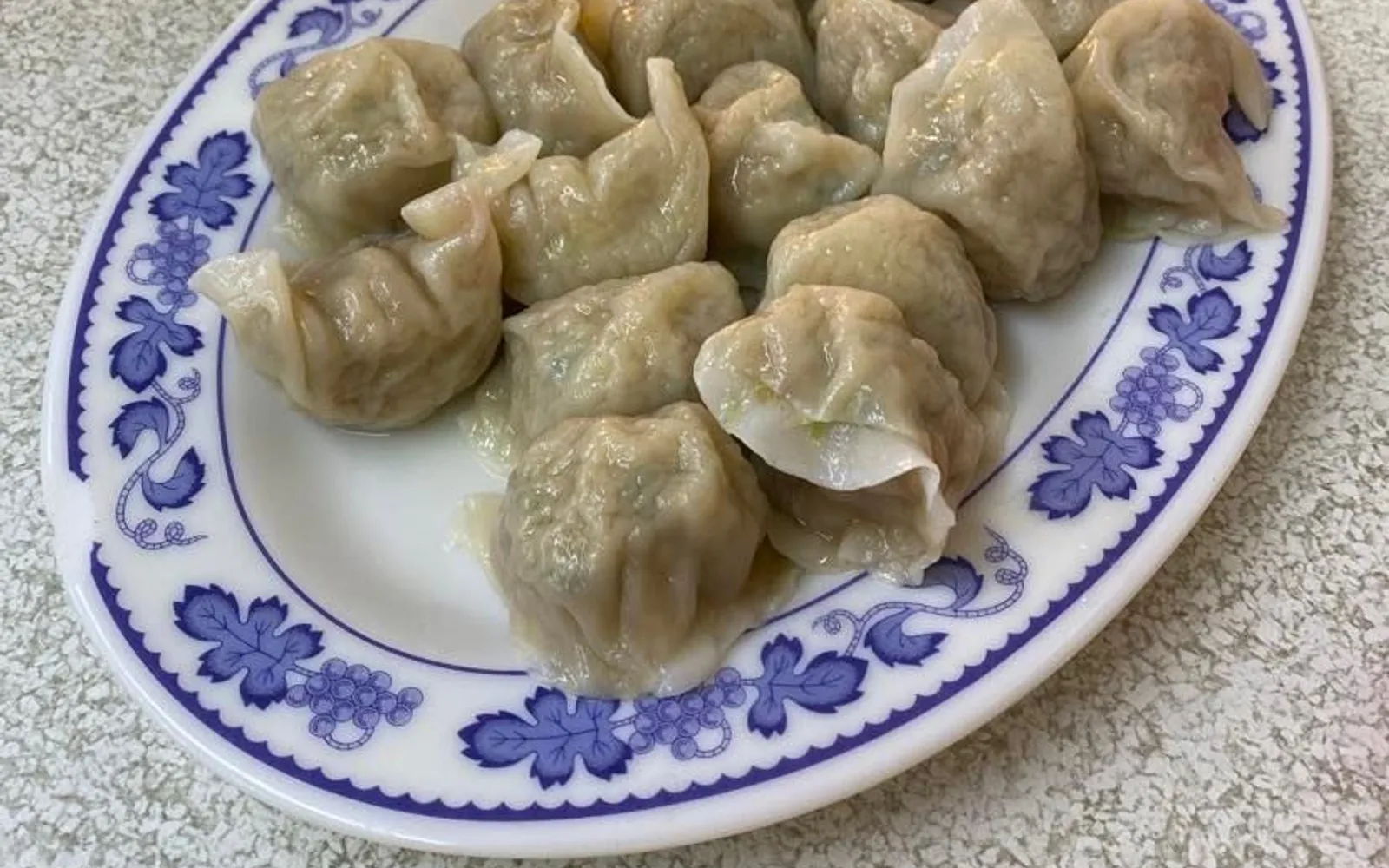
#5 Hitokuchi Gyoza · Hitokuchi Gyoza
Fukuoka's gyoza are roughly half the size of the standard version — <em>hitokuchi</em> means 'one bite.' The filling is pork and cabbage, packed tight inside thin dough, pan-fried until the bottom is crisp and the top stays soft. They come with a soy-vinegar dipping sauce and double as the perfect pairing for ramen or beer at a yatai stall.
- Order half a dozen or a dozen to get the full contrast between the crunchy base and the tender top.
- Tetsunabe Gyoza in the Tenjin area specialises in this style specifically.
- These work well as a side to ramen or as a beer snack at a yatai.
 #6
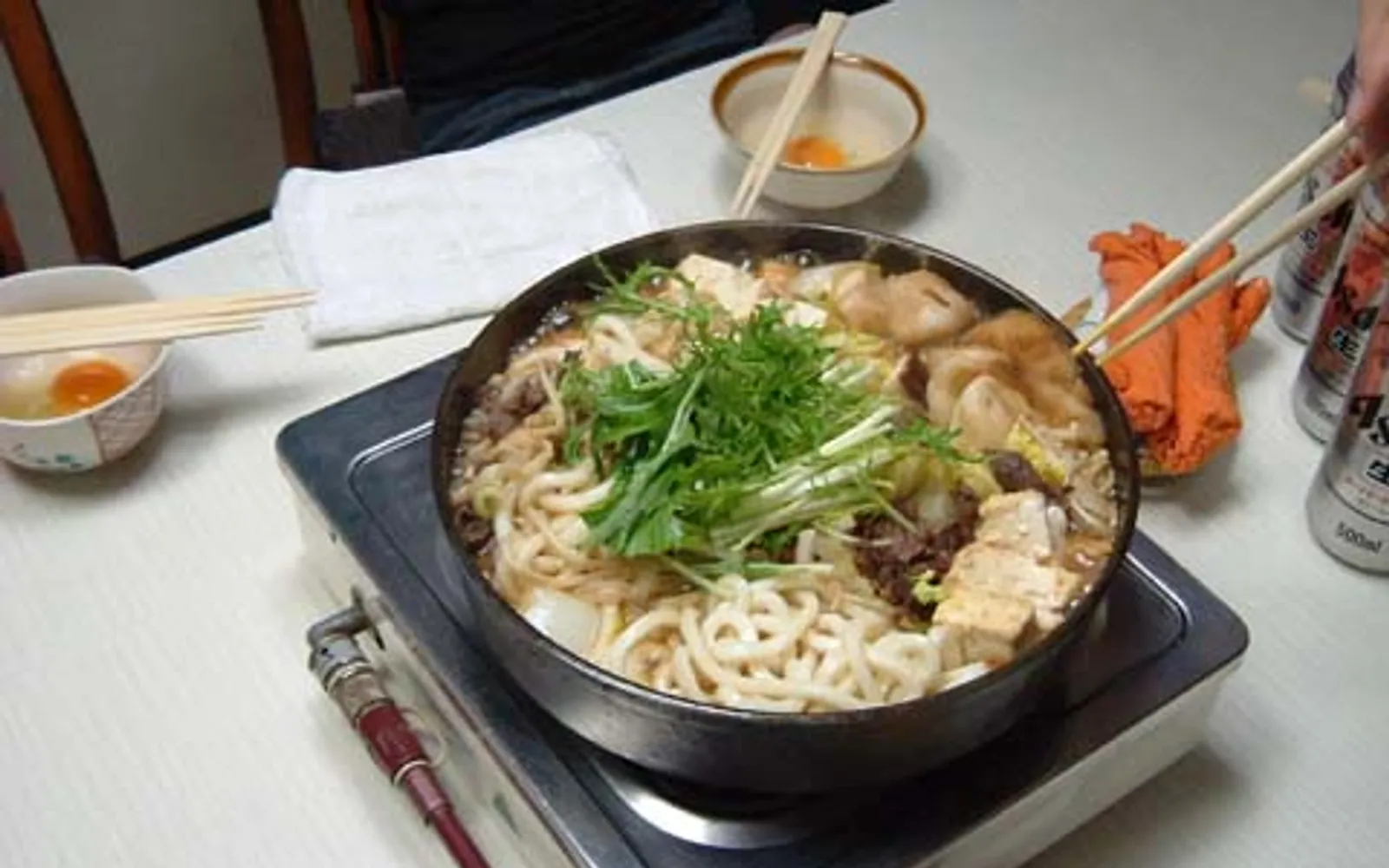
#6 Mizutaki · Mizutaki
Hakata-style mizutaki is made by simmering local Kyushu chicken in plain water until the stock turns milky white with collagen. You eat it alongside a mild ponzu dipping sauce, then add seasonal vegetables and tofu to the pot. The flavor is subtle — the opposite of motsunabe — and shows off a chef's skill in drawing natural depth from simple ingredients.
- Hakata Mizutaki Toriden in Tenjin has been open for decades and is the first recommendation for most visitors.
- Drink the plain broth before adding vegetables — you want to taste it at its most concentrated.
- Book ahead for quality restaurants in winter; they fill up quickly on cold evenings.
Where to stay in Fukuoka for this trip
A well-located hotel means less commuting and more sightseeing. Here are real, top-rated stays in Fukuoka — compare Agoda · Booking · Trip.com in one click.
Hotel Resol Trinity Hakata
Affiliate links — we may earn a commission at no extra cost to you. Details
JR Kyushu Hotel Blossom Hakata
Affiliate links — we may earn a commission at no extra cost to you. Details
Richmond Hotel Fukuoka Tenjin
Affiliate links — we may earn a commission at no extra cost to you. Details
Hakata Excel Hotel Tokyu
Affiliate links — we may earn a commission at no extra cost to you. Details
Tours, tickets & activities in Fukuoka
Day tours, attraction tickets and travel essentials for Fukuoka — book ahead on Klook with mobile e-tickets.
Affiliate links — we may earn a commission at no extra cost to you.
Before You Pack
Work through all six and you'll understand why Fukuoka residents take more pride in their food than almost any other city in Japan. Every dish has a history and a logic that goes deeper than it looks.