
Casa Cartagena Boutique Hotel & Spa
by the TopOfHotel team
Casa Cartagena is a night inside a 17th-century colonial monastery dressed in bold Italian white-black-fuchsia, with the Qoya spa Peru rates among its finest, leading on design and the spa rather than sheer size.
Casa Cartagena is a night inside a 17th-century colonial monastery dressed in bold Italian white-black-fuchsia, with the Qoya spa Peru rates among its finest, leading on design and the spa rather than sheer size.
In-Depth Review
Rooms and decor
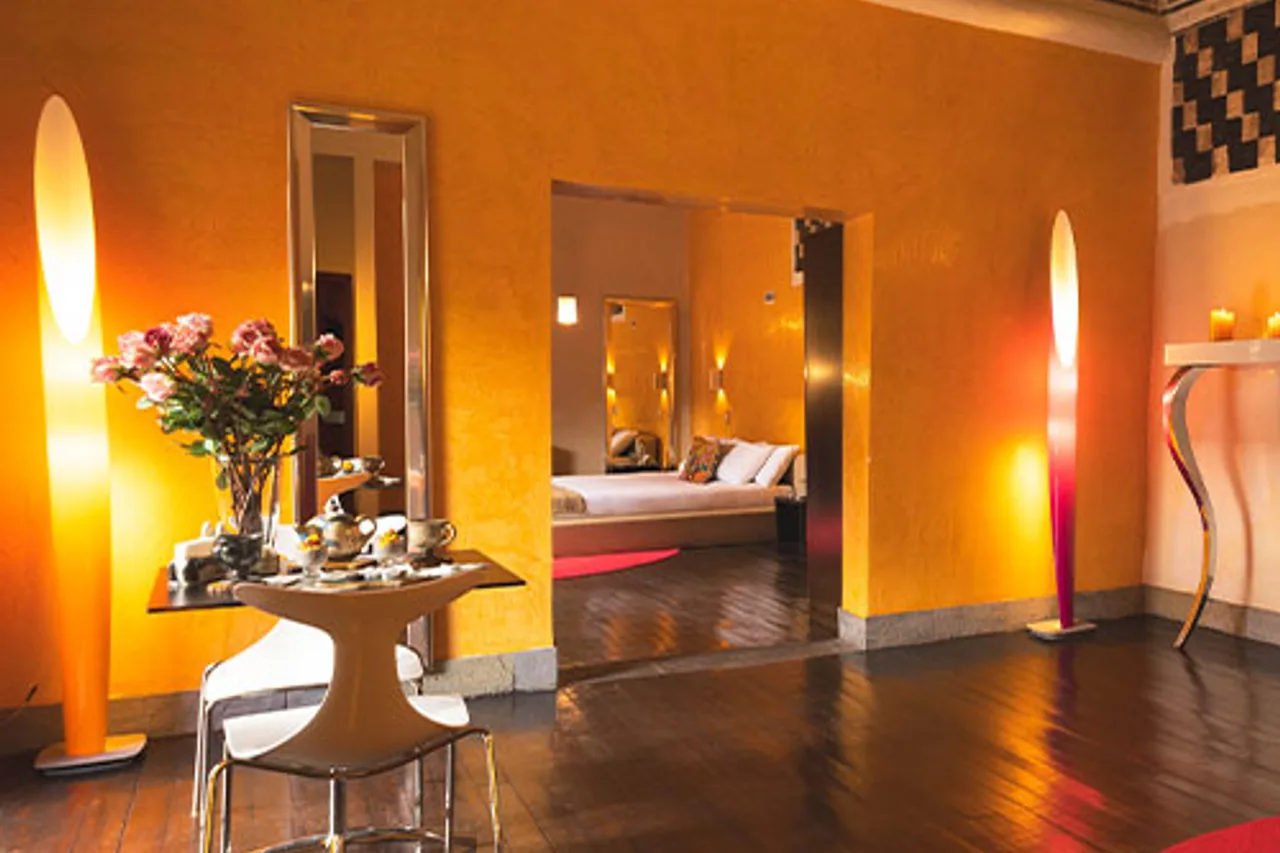
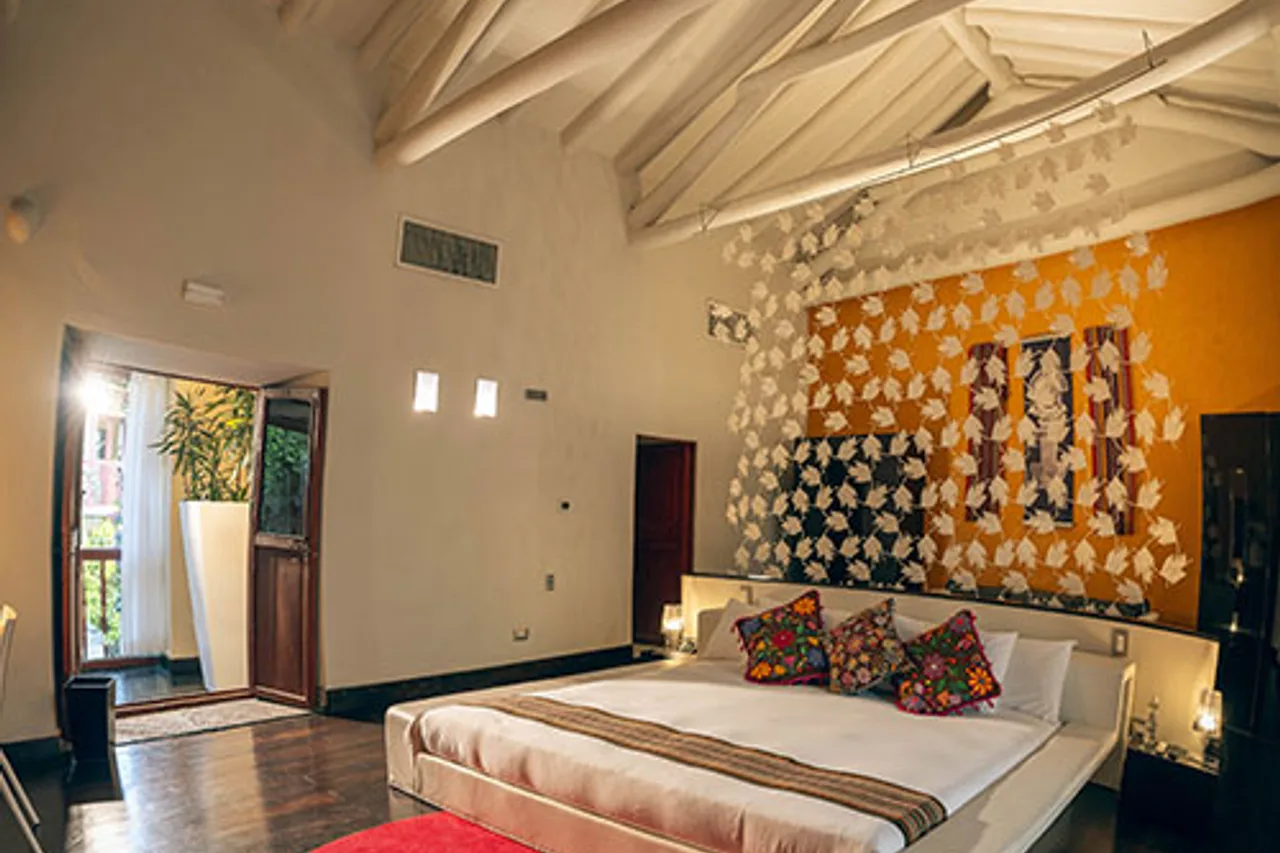
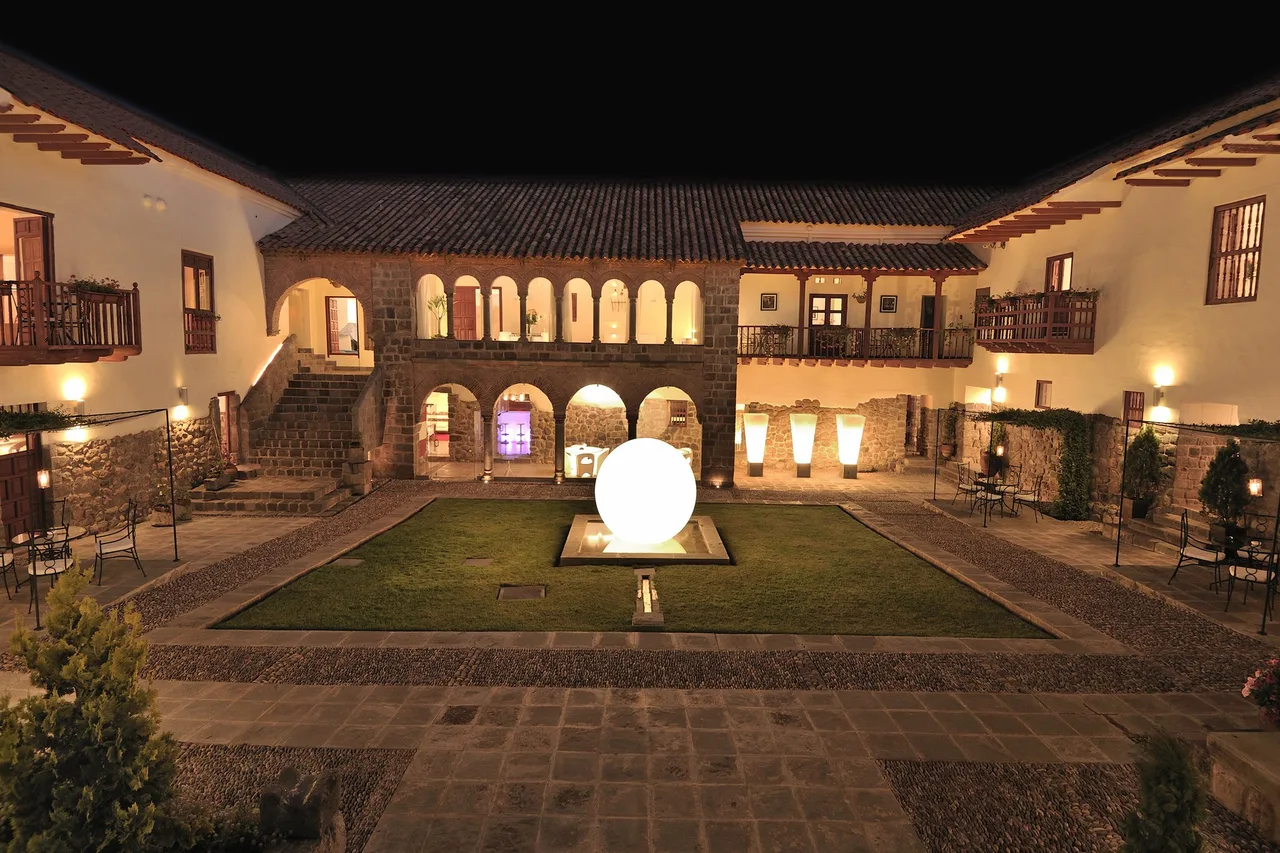
Picture a quiet colonial monastery hidden in a small stone lane on the climb up to Cusco's San Blas quarter. The building is over 300 years old, dating to the 17th century, once home to monks under Spanish rule, until Italian architect Eugenia Iberico walked in and decided to turn it into a boutique hotel unlike any other in Peru. That is where Casa Cartagena begins. No two of its 16 suites are alike, because they follow the monastery's original shape. The old timber beams and Inca stone walls are still there, the arches and inner courtyards preserved, but Iberico paired all that age with a punchy white-black-fuchsia Italian-modern palette: clean white walls, bold black-and-white drapes, fuchsia armchairs that stop the eye. Some suites keep a working brick fireplace; some open onto a private inner patio under the deep-blue Andean sky. Ceilings run so high you feel small. Design lovers who found every colonial building in Cusco starting to look the same will be jolted by this take. And every room has its own oxygen-enrichment system, a small detail that says whoever built this place understood arriving at 3,400m.
Food and amenities
If one thing put Casa Cartagena on South America's boutique map, it is the Qoya spa, rated by several outlets among the best in Peru. Qoya means "queen" in Quechua, and once you head down to the basement that was once the monastery's storeroom, the name makes sense. The big space keeps its raw stone walls and vaulted ceilings, and a heated indoor pool, roughly 11-12 metres, sits in the middle under light from the arches above, with the feel of an old Roman bath. There is a steam room, an Andean wood-fired sauna, a whirlpool and several treatment rooms working with local herbs like coca leaf, muña and pink Andean salt; reviewers say the treatments genuinely undo the ache of a Machu Picchu trek. The lobby and lounge are dressed in bright contemporary art, and a small restaurant and bar sit in the monastery's original arches, serving modern Peruvian plates and Argentine-Chilean wine. Free coca tea runs 24 hours, set out around the hotel, and it does help you settle into the altitude.
Location and getting there
The hotel sits on Pumacurco, a small stone lane on the climb to the San Blas quarter. The clever part is that you step back inside to near-total quiet, like a country village, yet open the door in the morning and it is only a 5-7 minute walk to Plaza de Armas, where the Cusco Cathedral and the church of La Compania de Jesus stand. A little further uphill is San Blas square, full of silversmith workshops, Andean weavings and cafes with city views. Qorikancha, the Inca temple the Spanish built a church over, is about 10 minutes on foot. San Pedro station for the PeruRail and Inca Rail trains to Machu Picchu is about 10 minutes by taxi, and Cusco airport (CUZ) is 15-20 minutes by taxi. One honest note: every walk in Cusco at 3,400m feels harder than it should, so if you have just flown in from low ground, go slow the first day or two.
Things to know before booking
Straight talk to help you decide. The first thing, both a strength and a limit, is the size: a true boutique at just 16 suites means everyone gets unusual attention, but rooms fill very fast, especially in high season (June to August) and around the Inti Raymi festival in late June, so book several months ahead for those dates. Second, Pumacurco is a steep old cobbled lane: beautiful, but dragging a big suitcase up it is hard, cars only reach part way, a taxi may drop you at the bottom, and anyone not yet acclimatized to 3,400m can feel winded from the first step, so let staff carry the bags and take the welcome coca tea. Third, the in-house restaurant is small with a limited menu, and some reviewers find food and drink prices steep next to the places just a few steps down the lane, so use it for breakfast and eat out otherwise. Last, the bold design: the fuchsia and the white-black Italian contrast are striking and distinctive, but anyone who prefers warm classic-colonial earth tones may find it a touch loud, so look at photos first to be sure it is your style.
Our take
After reading the real reviews and studying the photos for months, Casa Cartagena Boutique Hotel & Spa sells the charm of a 17th-century colonial monastery, bold Italian design and the Qoya spa Peru rates among its finest in a way that has few rivals in Cusco. If you are a couple or a luxury traveler who wants the most comfortable Andean trip going, sleeping in an oxygen-enriched room, soaking in a warm pool under stone arches, taking an Andean-herb treatment after the Machu Picchu trek, then walking 5 minutes out for coffee on Plaza de Armas, this is the pick that will keep you fond of Cusco for a long time. If you mainly hunt value per square metre, or want a big hotel with several restaurants of its own, it may not be the fit. Overall we give it 9.0/10, best for couples, honeymooners and travelers who fall for boutiques with a story, especially anyone who wants their Cusco trip to be more than a stop on the way to Machu Picchu.
Score Breakdown
Assessed by our editorial team from data and real guest reviews
The Honest Verdict — pros & what to know
- The building is a genuine 17th-century colonial monastery, restored by Italian architect Eugenia Iberico, who kept the old timber beams, Inca stone walls, arches and inner courtyards intact rather than stripping them out.
- The rooms and common areas use a bright white-black-and-fuchsia Italian-modern palette that sets it apart from the warm brown earth tones of most colonial boutiques in Cusco, so it photographs and feels nothing like its neighbors.
- The Qoya spa has a heated indoor pool, steam room, an Andean wood-fired sauna and treatments built on local herbs like coca and muña; several travel outlets rate it among the best spas in Peru, and reviewers say it genuinely undoes the ache of a Machu Picchu trek.
- Every room runs an oxygen-enrichment system, and free coca tea greets you on arrival, both of which take the edge off altitude sickness if you have flown straight in from somewhere near sea level.
- The Pumacurco lane setting is far quieter than the streets around the plaza, yet it is still only a 5-7 minute walk to Plaza de Armas and sits right at the foot of the climb into the San Blas artisan quarter.
- It is a true small boutique at only 16 suites, so rooms sell out fast, especially in high season (June to August) and around the Inti Raymi festival in late June. If you are traveling then, book several months ahead.
- Pumacurco is a steep old cobbled lane: dragging a large suitcase up it is a chore, cars only reach part of the way so a taxi may drop you at the bottom, and anyone not yet adjusted to the 3,400m altitude can feel winded from the first step. Let staff carry the bags and ask for coca tea on arrival.
- The in-house restaurant is small with a limited menu, and some reviewers find food and drink prices steep next to the many places just a few steps down the lane. Use it for breakfast and eat out for other meals.
Who It’s For
Match Score by travel style
Amenities
Location & Nearby Spots
Things to do near Cusco
Day tours, attraction tickets and experiences around Cusco — book ahead on Klook with mobile e-tickets.
See activities in CuscoAffiliate link — we may earn a commission at no extra cost to you.
Insider Tips
- On your first day in Cusco, ask for an early check-in and rest in an oxygen-enriched room for an hour or two before heading out; it makes a real difference in adjusting to the altitude.
- Book Qoya spa treatments ahead by email, especially the Andean-herb ones using muña and amaru, since slots fill fast and some courses need to be prepped in advance.
- Use the hotel as a base to walk up into San Blas early, before the crowds; it is under 10 minutes uphill to San Blas square and the silversmith workshops that open in the morning.