Hakuba Tokyu Hotel
by the TopOfHotel team
Hakuba Tokyu is an alpine resort with the Northern Alps filling every window, a few minutes by free shuttle from the Happo-One slopes that hosted the 1998 Olympics, with indoor and outdoor onsen in the heart of the ski village.
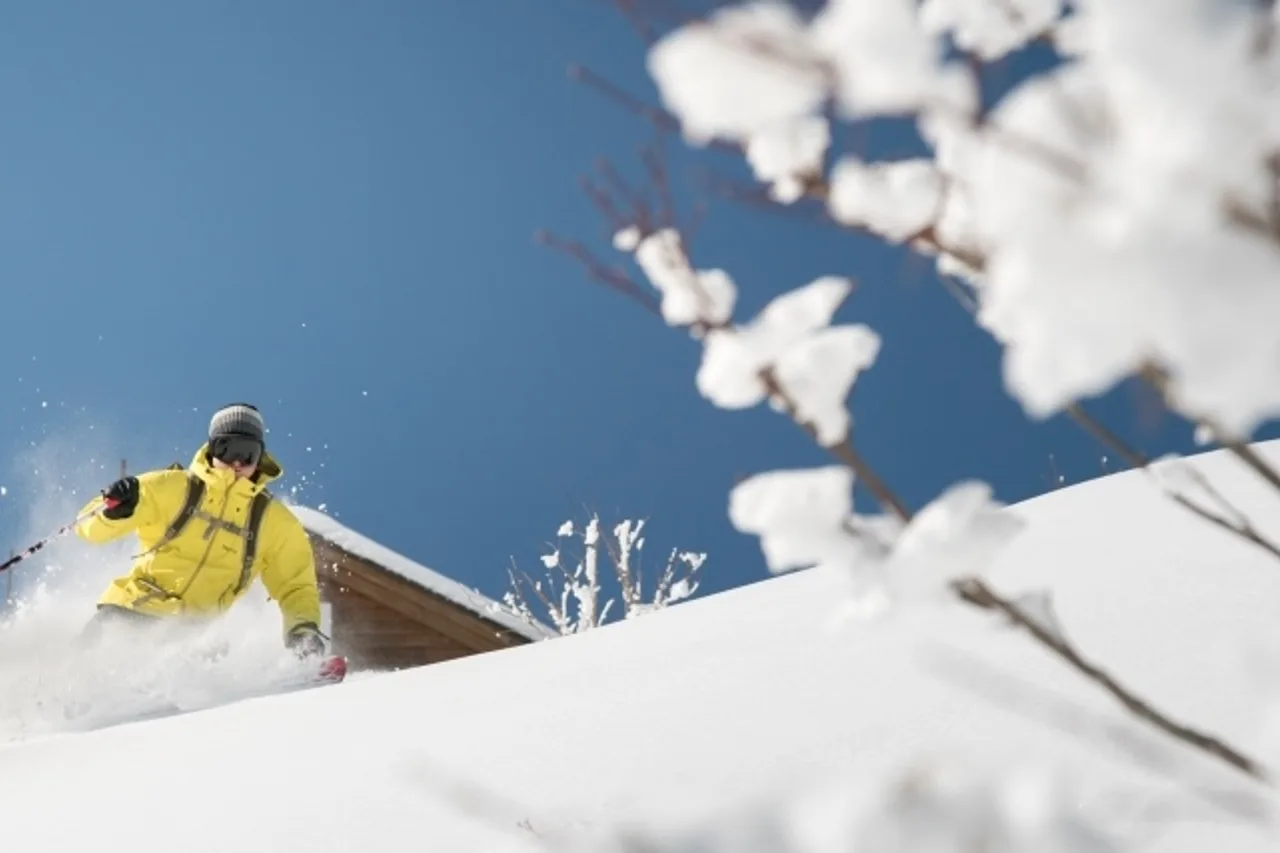
Hakuba Tokyu is an alpine resort with the Northern Alps filling every window, a few minutes by free shuttle from the Happo-One slopes that hosted the 1998 Olympics, with indoor and outdoor onsen in the heart of the ski village.
In-Depth Review
Rooms and decor
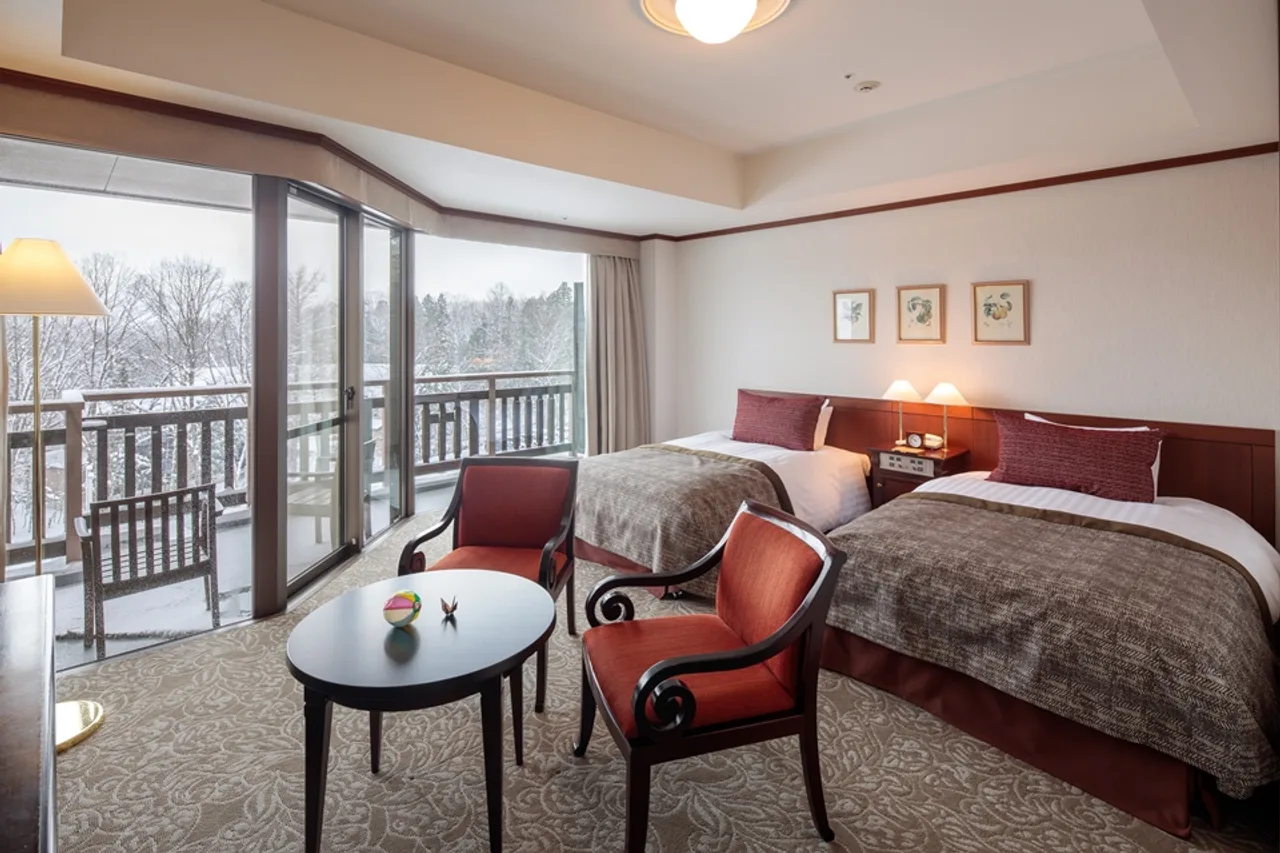
Walk into Hakuba Tokyu Hotel and it reads more like a European alpine resort than a typical Japanese hotel. The building wears a dark, steep roof among the pine trees, and the lobby is high-ceilinged with timber and a big stone fireplace that is lit through winter, leather sofas to nurse a warm drink, and giant windows framing the Northern Alps. The roughly 137 rooms are done in warm-toned wood, plain woven fabrics, and simple furniture with taste. There are twin rooms for couples, standard twins, and bunk-bed rooms built for families of four. Every room looks out at the mountains as the main view — pulling the curtains in the morning to snow-capped peaks is the moment reviewers say feels like being a kid again. The beds are unusually soft with good linens, the right setup for recovering from a day on the snow. The bathroom has a soak tub and heated floors against the cold, and small touches — a fleece robe hanging in the closet, free water in the fridge — show a hotel that takes winter seriously.
Food and amenities
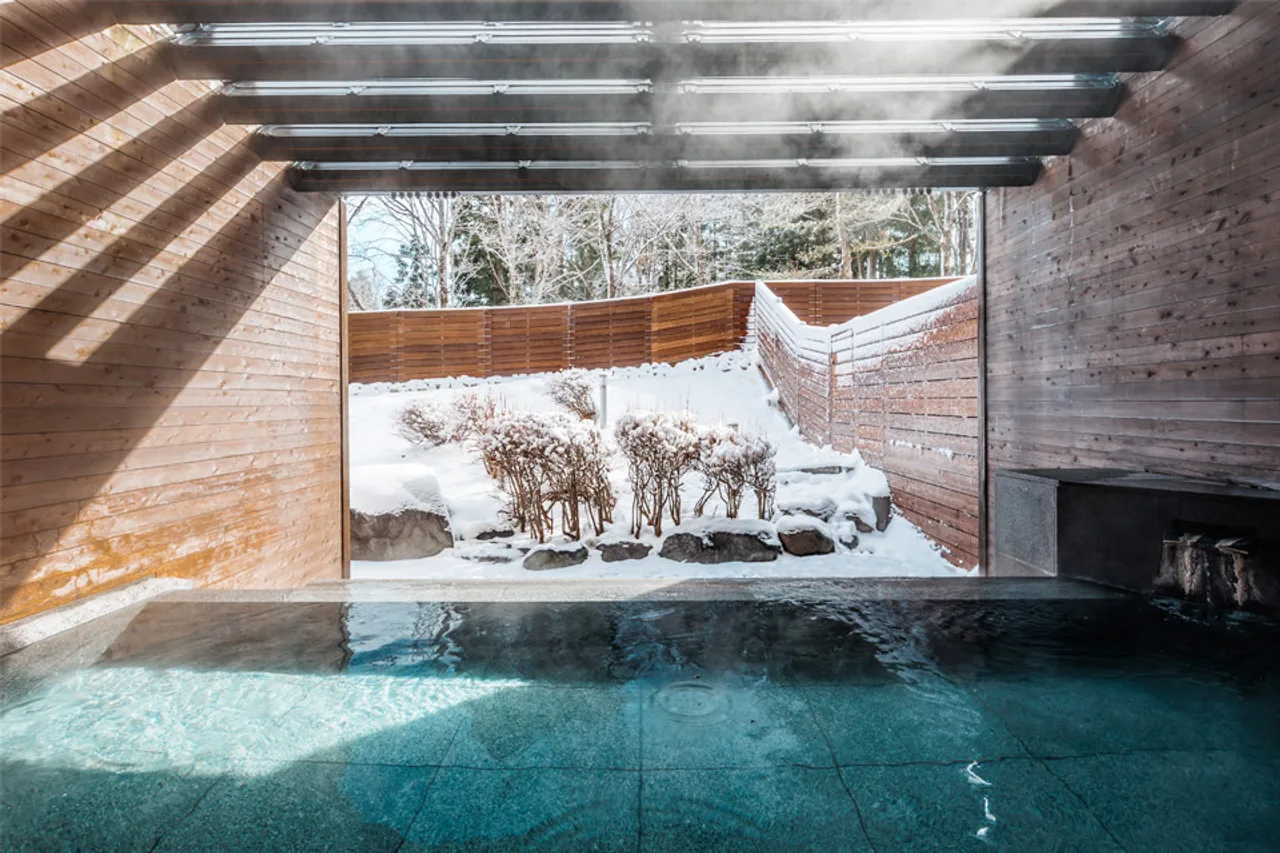
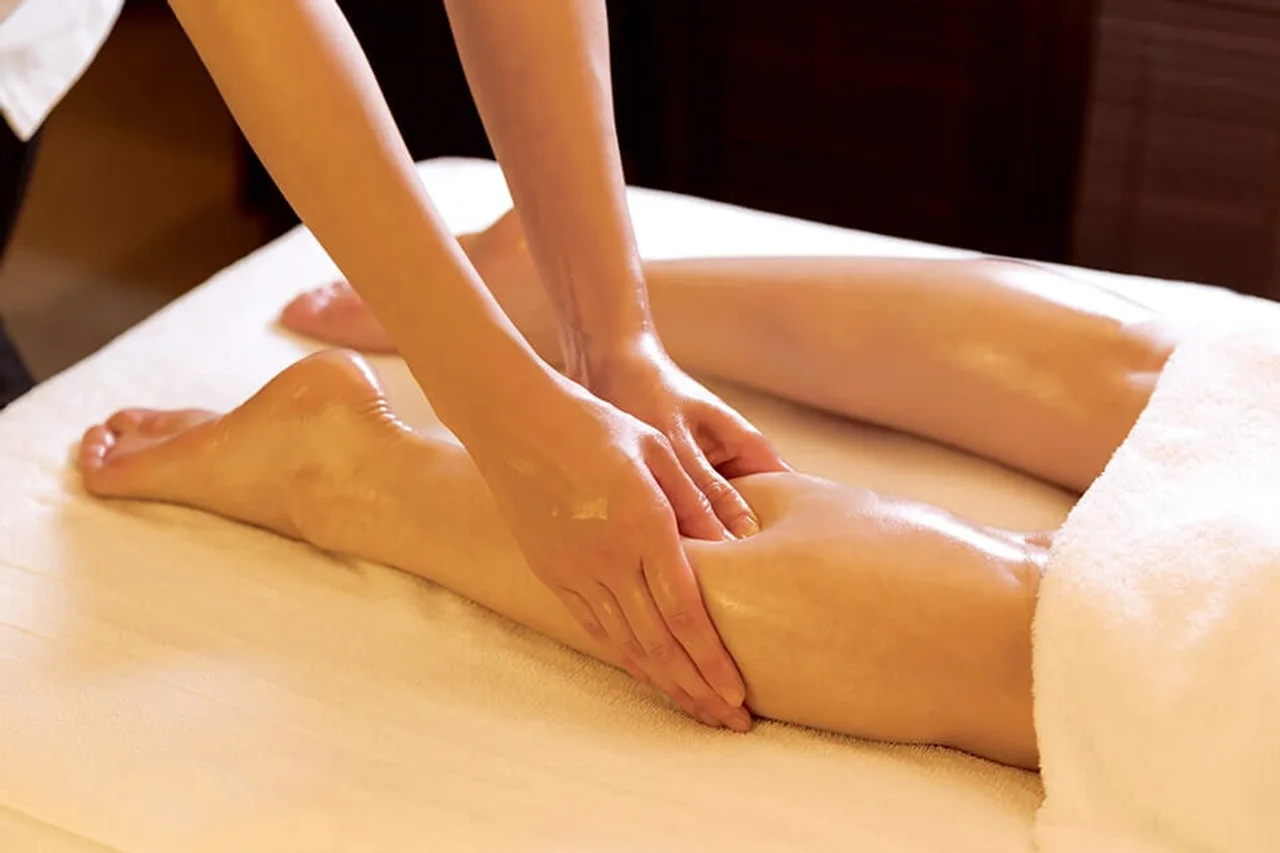
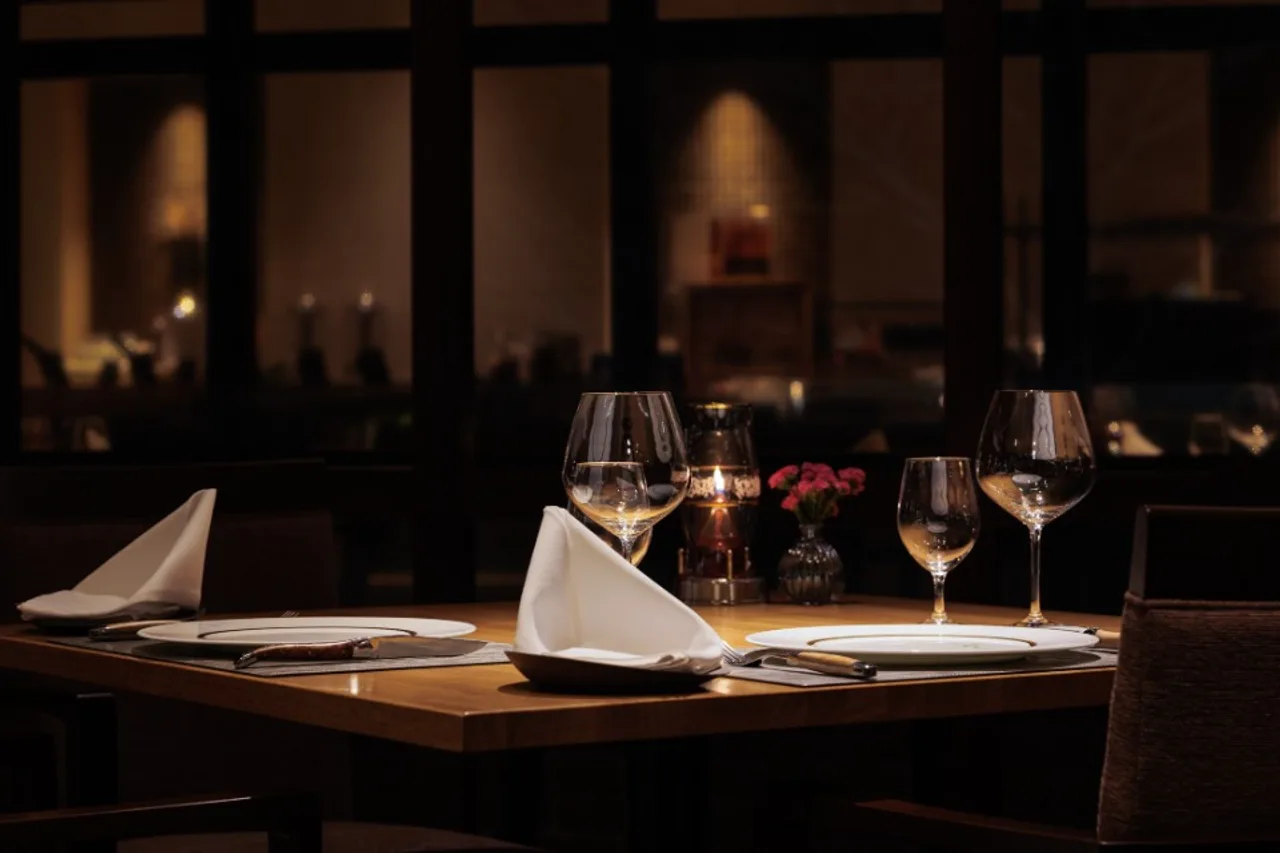
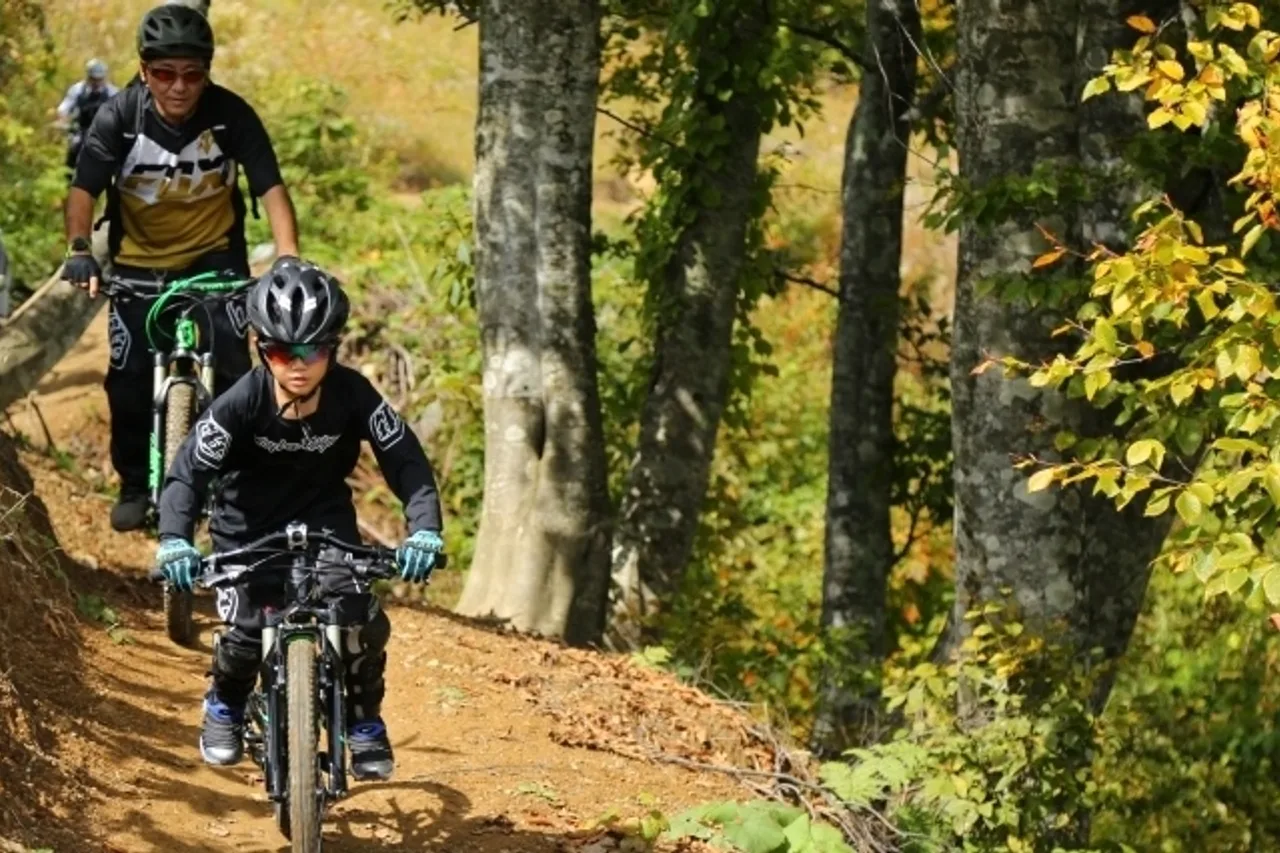
The heart of a stay here is the hotel's hot-spring onsen, which comes in both indoor and outdoor (rotenburo) forms. The indoor bath is warm and lined in dark marble tile; the rotenburo sits in a small garden ringed with trees and natural stone. Sinking in on a winter evening with snow falling on your head is the kind of thing you do not get just anywhere. Hakuba's hot-spring water runs clear with no heavy sulfur smell, kind to the skin and very good for working out muscles after a full day skiing. The main restaurant serves a buffet built on local Nagano ingredients — grilled Shinshu beef, traditional soba, salt-grilled river fish, and local pickled vegetables — with both Western and Japanese options at breakfast. The resort also has a bar with a fireplace for sake or whisky in the evening, a gym, a kids' play room, and — importantly — a full ski-and-gear storage room with a dryer so wet equipment never comes into the room. In summer the hotel arranges hiking, mountain biking, and rafting.
Location and getting there
The resort sits in the Wadano area, one of the villages of Hakuba that hosted the 1998 Winter Olympics. The headline is how close it is to Happo-One Ski Resort, the Olympic race slope: the hotel runs a free shuttle to the lifts every 30 minutes, just a 5-7 minute ride, plus free shuttles to other local areas like Iwatake and Tsugaike. Hakuba village has restaurants, bars, and ski shops, all a 5-10 minute walk from the hotel. Getting here from Tokyo runs two main ways. First, the Hokuriku Shinkansen from Tokyo Station to JR Nagano in about 1.5 hours, then an Alpico express bus to Hakuba station in about 1 hour. Second, a Highway Bus direct from Tokyo in about 4.5 hours — cheaper, and good for tighter budgets. The hotel runs a free shuttle from JR Hakuba station, a 10-minute ride. Anyone coming in ski season should plan well ahead.
Things to know before booking
Straight talk. First, the ski-season price: January and February peak hard, with rooms starting around $570 a night and climbing past $860 over some festival dates. If your budget is tight, book 3-6 months out, or come in early December or late March, when the snow is still deep but rates run 30-40% lower. Second, the distance — it is about an hour from Nagano city, so a trip to the Jigokudani snow monkeys or Zenkoji temple becomes a long day that eats 4-5 hours with travel. If you mean to see several spots in Nagano, split your stay across two bases. Third, food and shopping in the village run higher than an ordinary town because it is a ski destination, and your food budget climbs fast if you are not careful — stock up on snacks and drinks at a Nagano-city convenience store first. Last, guests with tattoos should check with the front desk before using the shared onsen; the policy is more relaxed than the local ryokan, but there can be restrictions at times.
Our take
After reading through a stack of real guest reviews, Hakuba Tokyu Hotel sells European alpine comfort, Northern Alps views, and a spot beside an Olympic ski slope, and it does all three with confidence. If the trip in your head is skiing all day at Happo-One, coming back to soak in an outdoor onsen while it snows, then closing the night with a Shinshu-beef buffet and a whisky by the fire, this is about as well-matched as it gets — ideal for ski families, couples after mountain views, and anyone who wants resort polish that stays close to the lifts. But if the heart of your trip is culture in Nagano city and the snow monkeys, that hour on the road may not feel convenient. Overall we give it 9.1/10, best for skiers and anyone who values mountain views and alpine comfort over the ease of bouncing between sights.
Score Breakdown
Assessed by our editorial team from data and real guest reviews
The Honest Verdict — pros & what to know
- Right in the heart of the Hakuba ski village, close to Happo-One, the slope that hosted the 1998 Olympic races. The hotel runs a free shuttle to the lifts every 30 minutes, so it works for skiers at any level without renting a car.
- The rooms and the common areas look straight out at the Northern Alps (the Japanese Alps), the peaks snow-capped for most of the year. It is the kind of backdrop that makes the place feel more like Austria or Switzerland than Japan.
- The hot-spring onsen comes in both indoor and outdoor (rotenburo) versions, and a long soak does real work on tired muscles after a full day skiing or hiking. The water runs clear with no heavy sulfur smell.
- Free shuttles cover both JR Hakuba station and several ski areas, so you never need your own car, and there is a dedicated ski-and-gear storage room with a dryer for wet equipment.
- Rooms are done in warm wood and woven fabric in an alpine European style, with twin layouts and bunk-bed rooms for families. The beds are soft and the linens are good — reviewers single out how well they sleep after a day on the snow.
- Prices peak hard during the January-February ski season, with rooms starting around $570 a night and climbing past $860 over some festival dates. If you are on a budget or booking late, aim for early December or late March, when the snow is still deep but rates run 30-40% lower.
- It sits about an hour from Nagano city by express bus, which turns a trip to the Jigokudani snow monkeys or Zenkoji temple into a long day that eats 4-5 hours with travel. If you want to see several sights, plan to split your stay across two bases.
- Hakuba is a ski destination, so restaurant prices and convenience-store items in the village run higher than in an ordinary town. Your food budget adds up fast if you are not watching it — it helps to stock snacks and drinks from a Nagano-city convenience store first.
Who It’s For
Match Score by travel style
Amenities
Location & Nearby Spots
Things to do near Nagano
Day tours, attraction tickets and experiences around Nagano — book ahead on Klook with mobile e-tickets.
See activities in NaganoAffiliate link — we may earn a commission at no extra cost to you.
Insider Tips
- Book 3-6 months ahead for the January-February high season, when rooms and rates fill fast. Come in early December or late March instead and the snow is still deep but the price is friendlier.
- Ride the Happo-One gondola on a clear morning for the sharpest mountain views. The hotel sells lift tickets and rents gear at the front desk for the same price as the rental shops.
- In summer (July-August), come to Hakuba for hiking and Happo Pond, a high alpine lake that mirrors the peaks. Lodging drops 40-50% and the setting is every bit as good as the snow season.