
Hideaway Guesthouse
by the TopOfHotel team
Hideaway Guesthouse is the closest you can sleep to both the FUN runway and the lagoon — come for Emily's tuna dinners, a rented scooter, and the quiet rhythm of village life, not for resort polish.
Hideaway Guesthouse is the closest you can sleep to both the FUN runway and the lagoon — come for Emily's tuna dinners, a rented scooter, and the quiet rhythm of village life, not for resort polish.
In-Depth Review
Rooms and decor
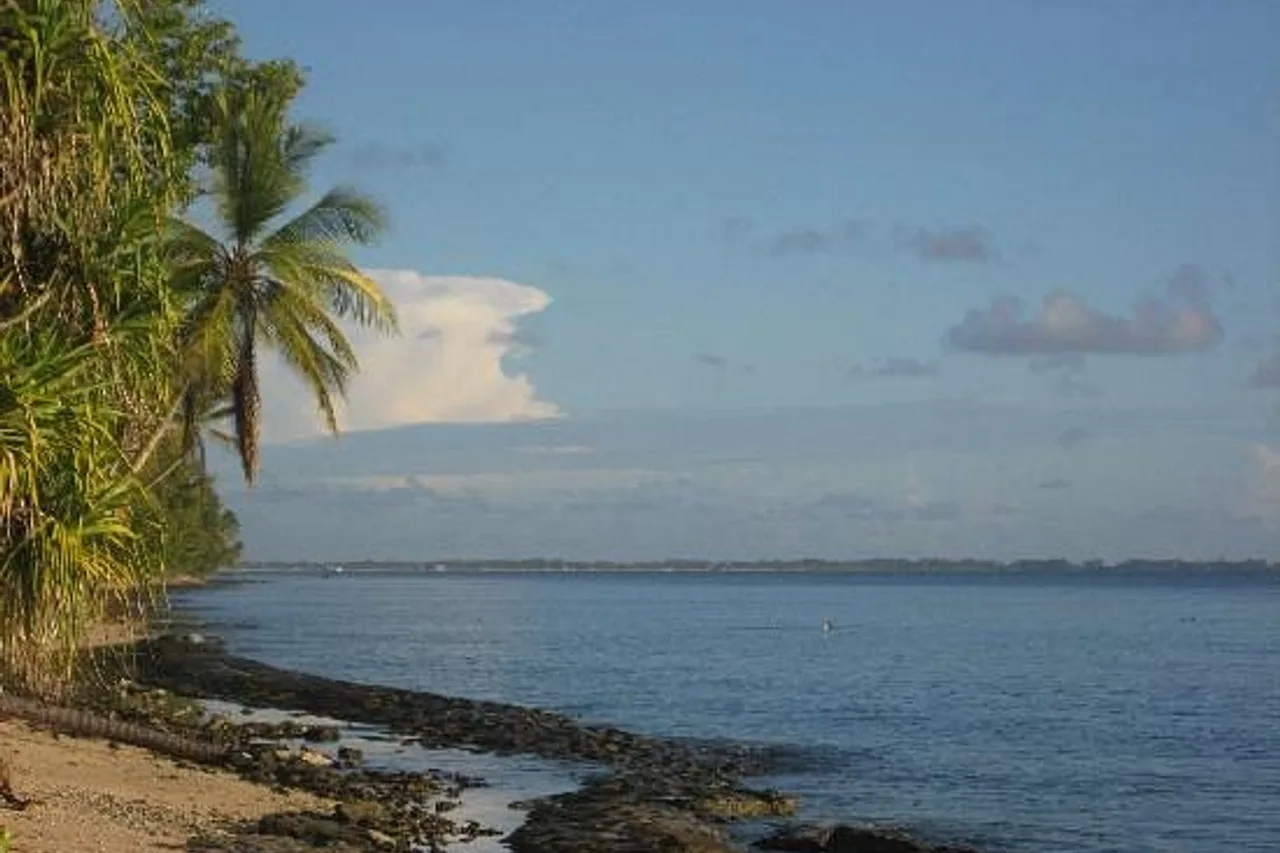
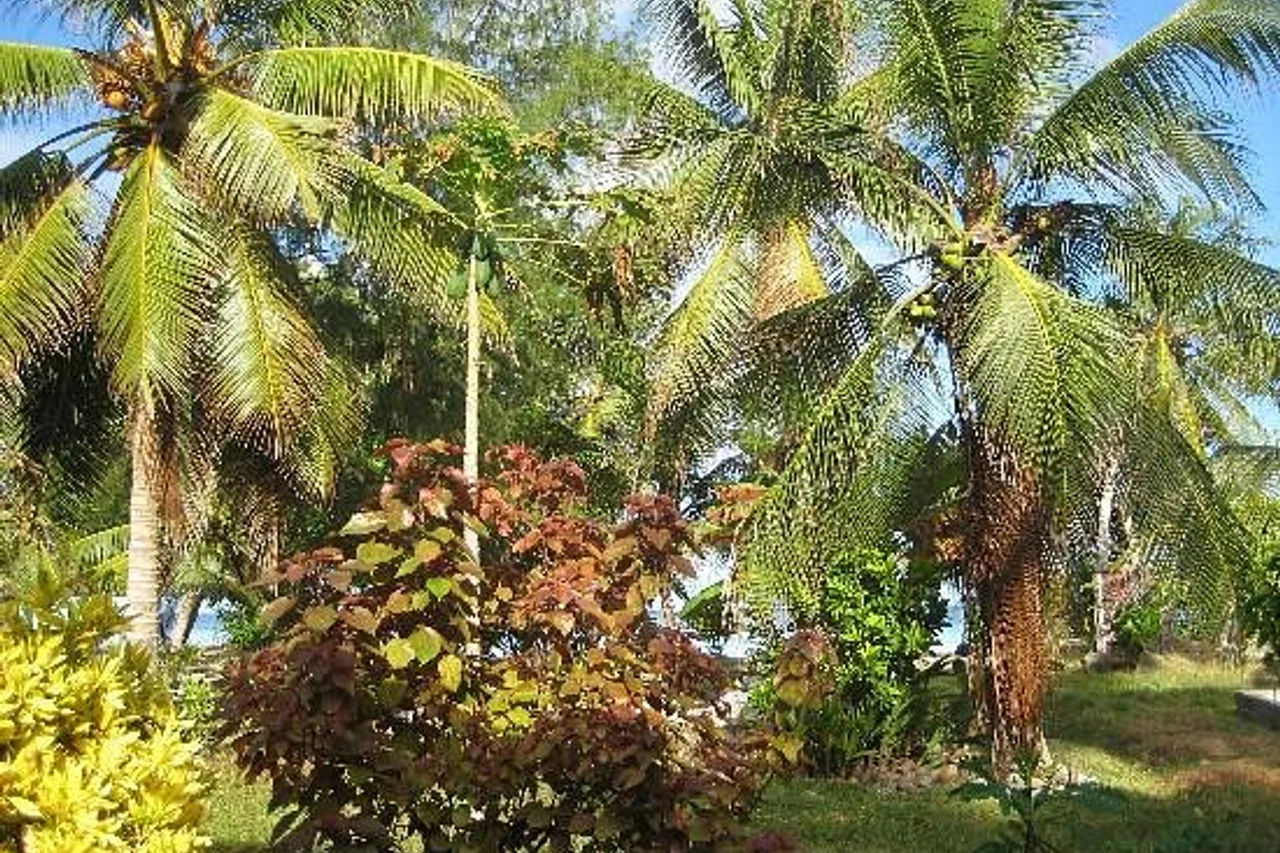
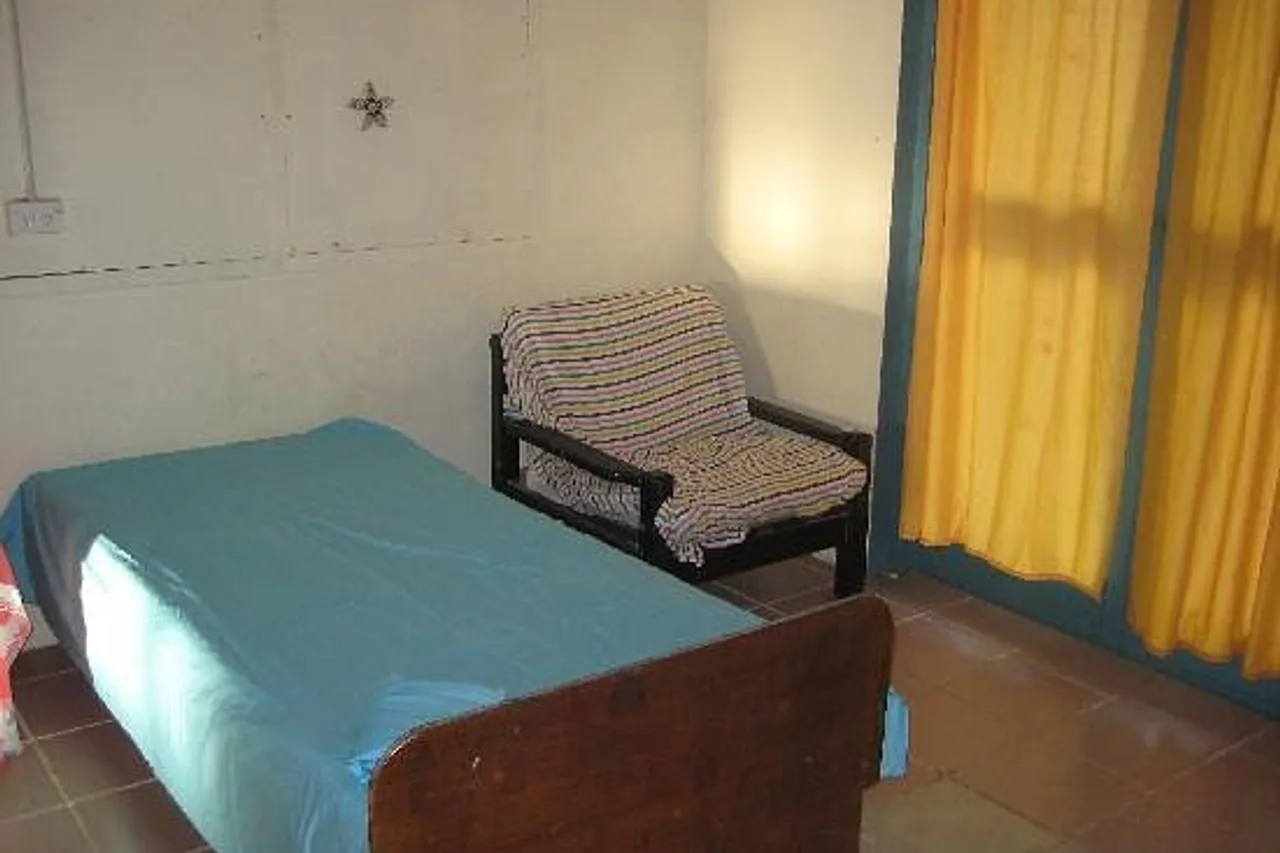
Picture a small timber house painted in soft pastels, a low-pitched island roof, and a front garden of coconut palms and bright tropical flowers, with the lagoon breeze blowing through all day — that is Hideaway Guesthouse, tucked into Alapi in the middle of Fongafale islet, the heart of one of the least-visited countries on Earth. Owner Emily runs it the way Pacific home-stays should be run: she meets you at the door with a smile and often a flower garland, walks you to your room, tells you what fish is on tonight, and asks about your trip in. The interior is not luxurious but it is warm and clean. There are around 6 rooms — doubles or twins, white linen, light timber floors, mosquito nets and slow ceiling fans, with some rooms upgraded to air-con for guests who cannot take the tropical humidity. Each room has a small kitchenette with an electric hob, kettle, and mini-fridge — handy if you grab supplies from the village shops. The shared lounge has a long dining table that the whole house gathers around at dinner, a few sofas in earth tones, and an island map pinned to the wall. Open the windows and the lagoon air sweeps through. The feel is unmistakable: this is a home, not a hotel.
Food and amenities
The single most-praised feature on every review platform is Emily's cooking. She walks down to the beach early to meet the fishermen as they pull in tuna, snapper and bonito, then turns the catch into grilled tuna steak, salted fried fish, coconut fish soup in the Polynesian style, or simple rice plates topped with shredded green mango. Nothing showy, but the ingredients are caught hours before they hit the plate and the seasoning is honest. Multiple guest reviews say outright that dinner here alone was worth the airfare into Tuvalu. The shared dining room is also where stories get swapped — almost everyone who reaches Tuvalu has a long journey behind them, so conversation at Emily's table tends to be unusually good. Beyond food, amenities are deliberately simple: hot-water showers (a small luxury on an island where many places still boil rainwater), basic toiletries, daily housekeeping, and Wi-Fi that runs on satellite. The Wi-Fi is fine for messaging home and checking email; do not plan to stream video or take work calls. Emily also keeps a few motorbikes available for guests at fair daily rates — the most flexible way to explore the islet.
Location and getting there
This is where Hideaway Guesthouse beats every other Tuvalu guesthouse outright. The property sits about 300 metres from the Funafuti International Airport (FUN) terminal — a 4-minute walk with luggage. Step off your Fiji Airways flight (one of only 2 to 3 weekly), walk through the small terminal, and Emily's house is right there. That kind of airport proximity does not exist anywhere else in the country. Just as important, the guesthouse is under 10 metres from the lagoon — cross one quiet road and you are in calm, shallow turquoise water with reef fish around your feet. The road that fronts the property is also the islet's main strip; Fongafale is only 12 kilometres long and a few hundred metres wide at most. Rent a scooter from Emily for a day and you can ride the whole islet — past the airstrip that turns into the evening football pitch, through Vaiaku where the morning and afternoon markets set up, over to the small Aussie-run cafe in a wooden house on the seaward side, and out to the southern tip where the coral atoll wraps around the lagoon. From the door it is roughly a 10-minute walk to the central market and the ferry jetty, so you do not need a vehicle at all unless you want to range further.
Things to know before booking
Straight talk so you can decide. First, this is a 2-star guesthouse, not a hotel — there is no pool, no fitness room, no rooftop bar, and no automated check-in. If you want a global chain experience, Tuvalu in general is not your destination. Hideaway sells closeness, food, and proximity, not polish. Second, Tuvalu's infrastructure runs on diesel generators and rainwater tanks. Power cuts and weak shower pressure happen at random hours, especially in the dry season. Some reviews mention losing power mid-shower — this is true across the country, not a fault of the guesthouse. Pack a small torch and a power bank. Third, Wi-Fi is satellite-based: usable for messaging and email, not for video calls or streaming. Plan offline. Fourth, the guesthouse sits on the main road parallel to the runway, so during the 2 to 3 weekly flight movements you will hear aircraft clearly. Outside those windows the islet is so quiet you can hear the surf and the village roosters. Fifth, plan your cash. Tuvalu uses the Australian dollar (AUD), the islet has only one ATM that often refuses foreign cards, and Hideaway is cash-only. Exchange enough AUD in Fiji or Sydney before flying in, including a buffer for food, scooter rental, and the possibility of a delayed return flight.
Our take
Reading through real guest reviews and weighing it against what is actually available in Tuvalu, Hideaway Guesthouse is the most balanced choice on the islet for adventurous travellers who came to see a country that is literally fighting the rising sea. Emily and her food are the centre of gravity — the reason Agoda guests give it 8.3 and Booking guests 8.4. The airport-and-lagoon location is unbeatable, and the scooter rental adds the kind of flexibility that turns a short Tuvalu stop into a memorable trip. It is best suited to solo travellers, adventurous couples, and backpackers who want to soak up island life and can shrug off the occasional power cut. If you need resort comforts, a pool, or fast Wi-Fi, look elsewhere — Tuvalu as a whole is not built for you. But if your mental picture is waking to fish caught that morning, riding a scooter past kids playing football on the runway, and watching the sun drop behind the lagoon from a quiet verandah, we give it 8.3/10 and promise you will be telling this trip's stories for years.
Score Breakdown
Assessed by our editorial team from data and real guest reviews
The Honest Verdict — pros & what to know
- The walk to Funafuti International Airport (FUN) is roughly 300 metres — about 4 minutes with a suitcase. On an island served by just 2 to 3 Fiji Airways flights a week, sleeping that close to check-in is a genuine luxury.
- The guesthouse sits less than 10 metres from the western shore of Funafuti Lagoon. Cross one quiet road and you are wading in clear, shallow water with reef fish swimming around your ankles — a feature no pricier hotel on the islet can match.
- Owner Emily is the reason a long string of guests give this place 8+ on Agoda. She grills fresh-caught tuna, ladles out coconut fish soup, and changes the menu daily based on what local fishermen land that morning. Multiple reviews say the dinner alone justifies the flight.
- Rooms are larger than the price suggests — beds with clean white linen, a small kitchenette with kettle, mini-fridge and electric burner, ceiling fan plus an air-con unit in some units, and a shared lounge full of Pacific charts and books that feels like staying at a relative's house.
- Emily rents motorbikes direct from the property at fair rates. Fongafale islet is only 12 kilometres long, so one scooter lets you ride from end to end in a day — including the runway that turns into the village football pitch every evening.
- This is a 2-star guesthouse, not a hotel. There is no pool, no fitness room, no concierge desk, and amenities are stripped back island-style. If you expect 4- or 5-star service you will be disappointed.
- Tuvalu runs on diesel generators and rainwater tanks. Power cuts and weak shower pressure can happen at any hour — this is an island-wide reality, not a guesthouse defect, but it is worth knowing. Pack a torch or power bank.
- The property sits on the main road that parallels the runway. When one of the 2 to 3 weekly Fiji Airways flights arrives or departs you will hear it clearly. Outside those windows the islet is so quiet you can hear the surf and the roosters.
Who It’s For
Match Score by travel style
Amenities
Location & Nearby Spots
Things to do near Funafuti
Day tours, attraction tickets and experiences around Funafuti — book ahead on Klook with mobile e-tickets.
See activities in FunafutiAffiliate link — we may earn a commission at no extra cost to you.
Insider Tips
- Tell Emily the day before if you want her tuna grill or coconut fish soup for dinner — she follows the boats in and needs a head start to grab the best cut. A full plate costs only a few US dollars and beats anything else on the islet.
- Rent a motorbike for one full day and ride south to Tepuka end at sunset — by then the runway has turned into a football pitch full of barefoot kids, a scene you will not find anywhere else in the world.
- Bring enough Australian dollars (AUD) in cash. The islet has one ATM and it routinely refuses foreign cards. Hideaway accepts cash only — exchange AUD in Suva or Sydney before you fly.