Yorozuya Annex Yurakuan
by the TopOfHotel team
Yorozuya Annex is a 200-year-old heritage ryokan in the old onsen village of Shibu, standing out for a wooden bathhouse that counts as a cultural property and a living Edo-era village around it.
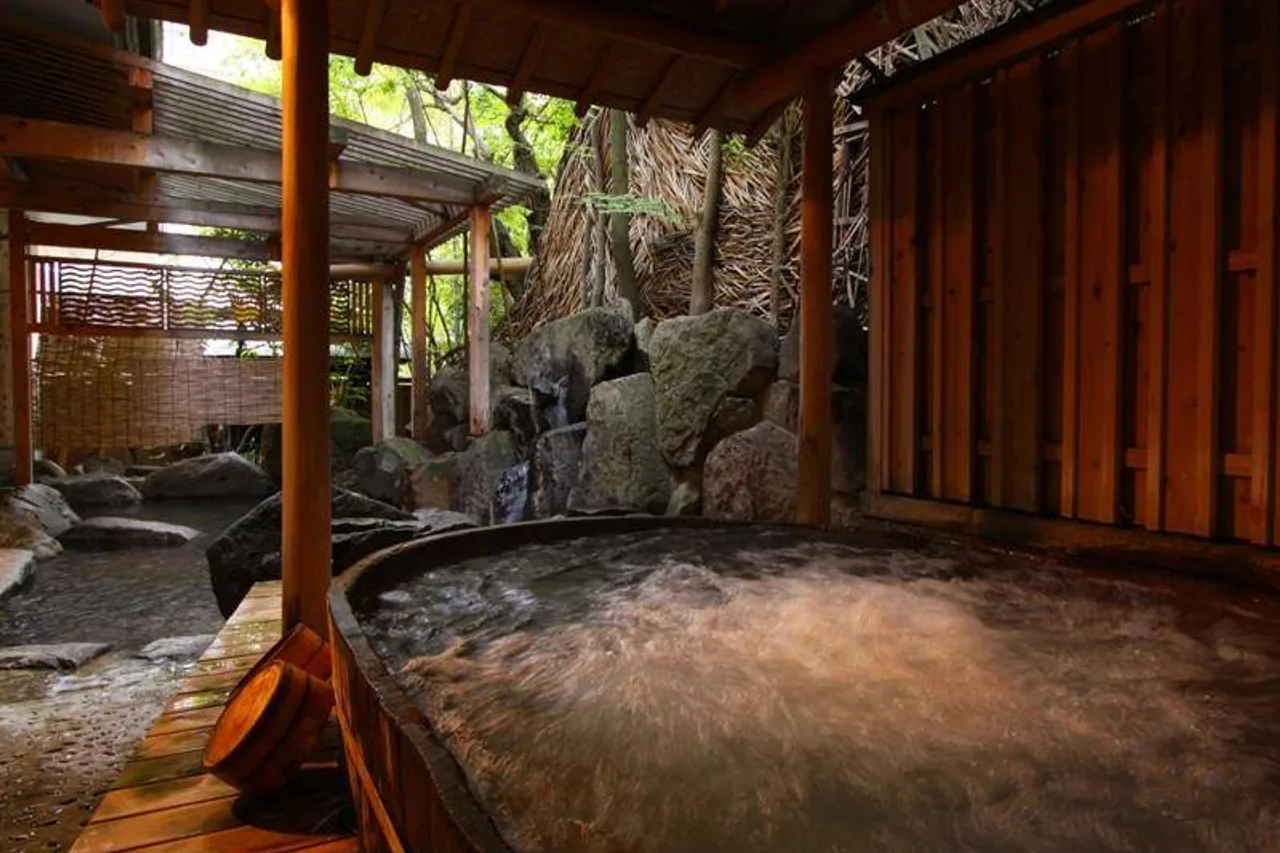
Yorozuya Annex is a 200-year-old heritage ryokan in the old onsen village of Shibu, standing out for a wooden bathhouse that counts as a cultural property and a living Edo-era village around it.
In-Depth Review
Rooms and decor
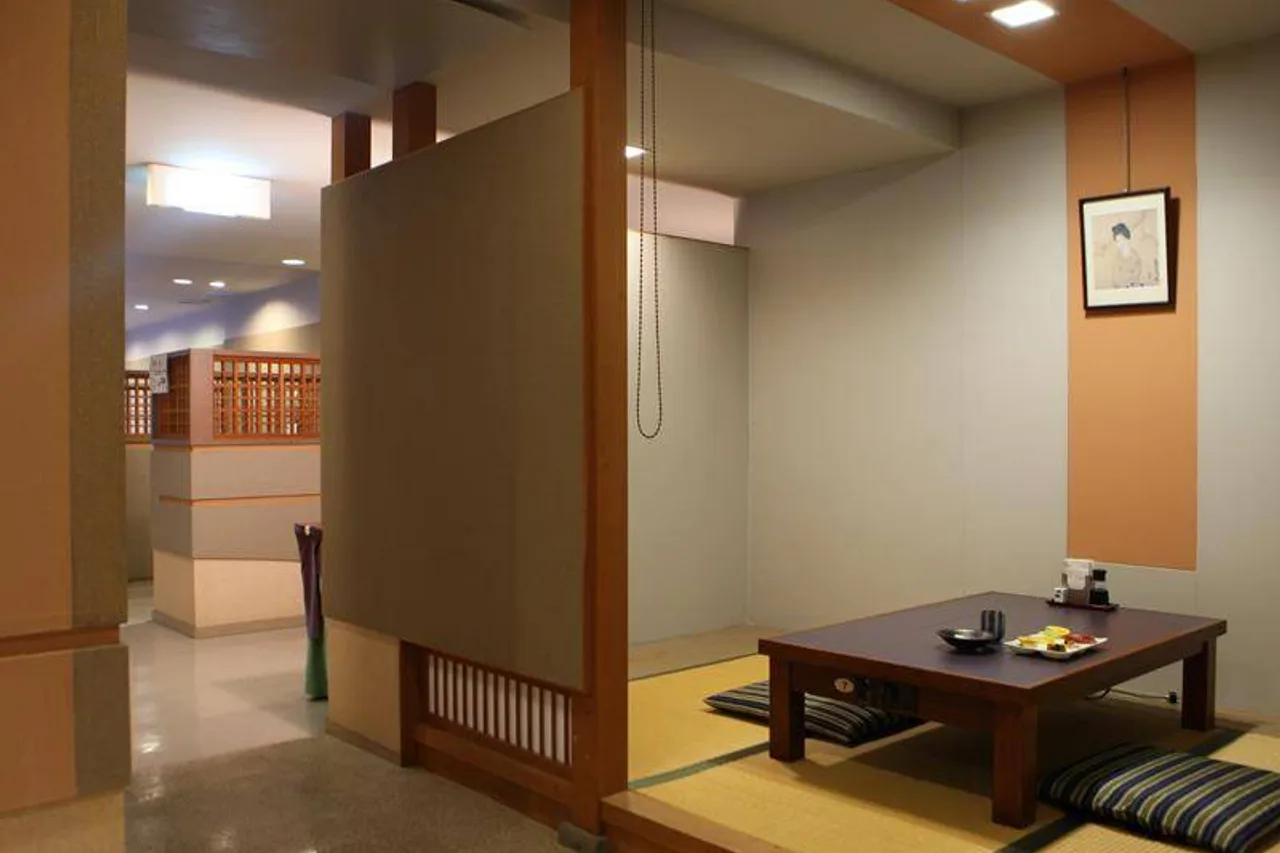
Step through the sliding doors of Yorozuya Annex Yumotoya and it feels like stepping back into the Edo period — the main building is more than 200 years old and has kept its original warm-toned wood remarkably well. Wooden walkways run along narrow alleys, dim lanterns hang at intervals, and the floorboards creak underfoot like an old period film. The roughly 25 rooms are all traditional tatami, with futon cupboards made of aged wood, Japanese screens between the sleeping and sitting areas, a low table in the middle, and an antique cabinet holding ceramic cups so guests can brew their own tea. The premium rooms are in the Annex Yumotoya wing and come with a private onsen on the balcony, looking out at the Shibu mountains. Soaking in a warm wooden tub at first light with morning mist around you is the moment many reviews single out. Some rooms are not large and skip the fast Wi-Fi of a modern hotel, but they feel warm and honest in a way newer buildings cannot manage. Anyone who loves Japanese history and old carpentry will be especially happy here.
Food and amenities
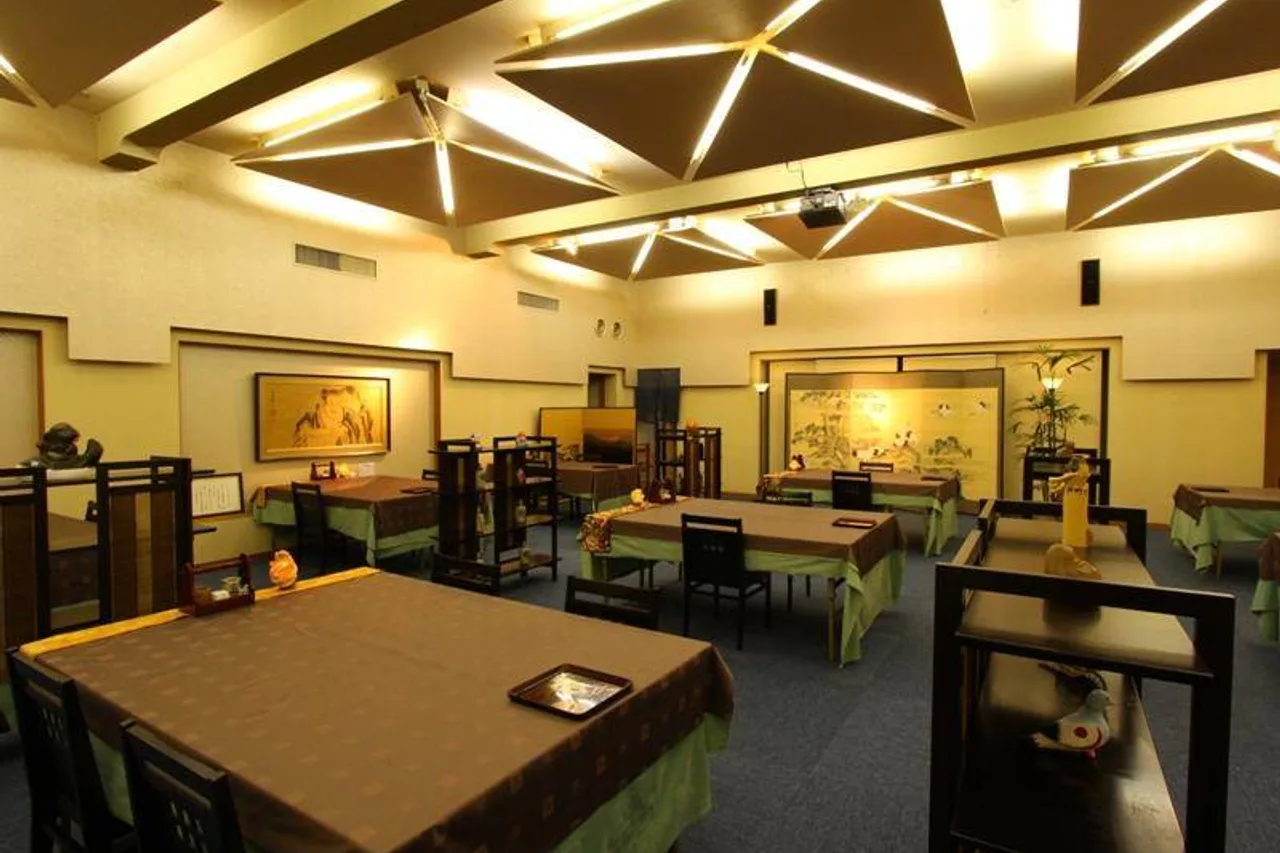
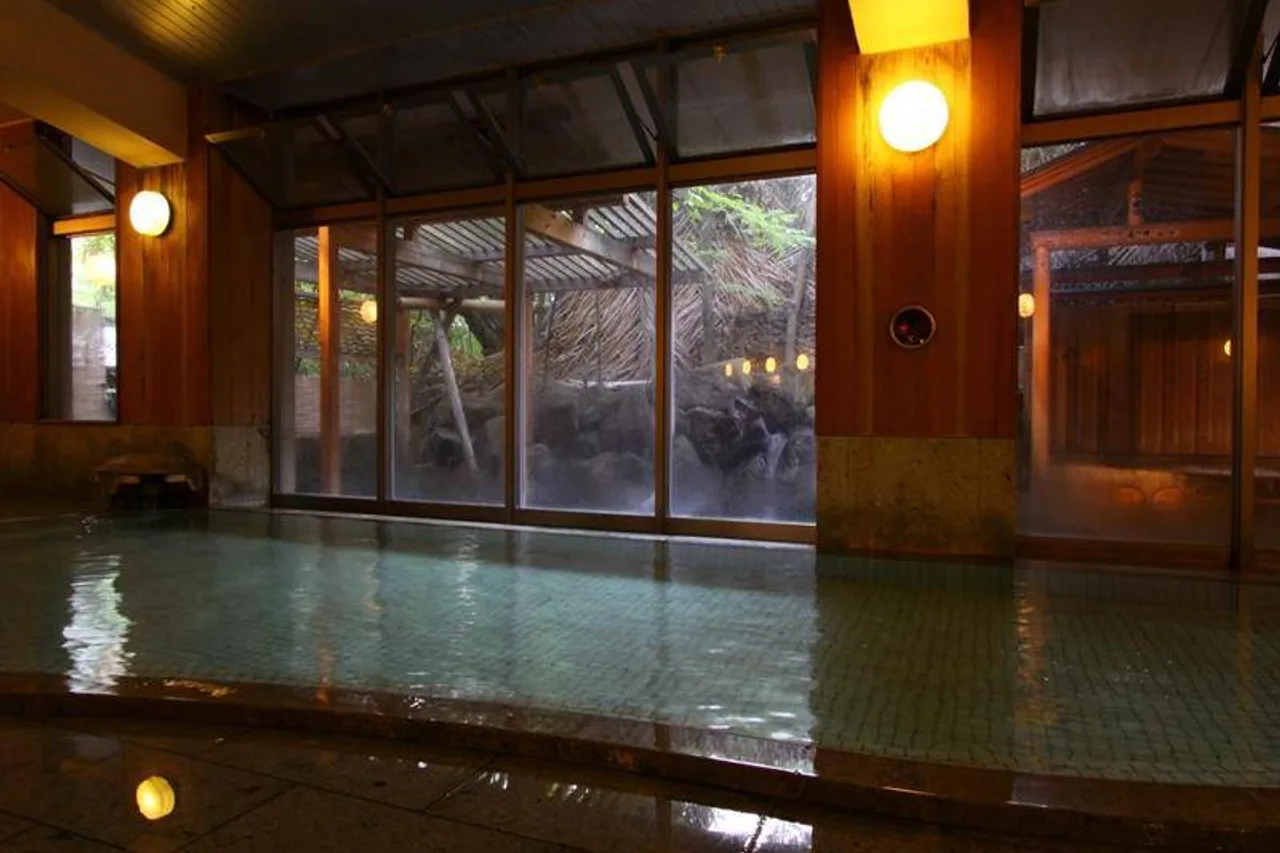
The thing that pulls travelers all the way to Shibu Onsen for Yorozuya is the wooden sukiya-style bathhouse, where the old carpentry is detailed enough that Japan has registered it as a cultural property. Inside is a large wooden hall with a natural stone bath and a high ceiling that lets light slant in beautifully. Beyond the ryokan's own baths, guests get a free key to all 9 public bathhouses of Shibu village. By custom you pull on a yukata and wooden geta and walk to each bath in turn, collecting all 9 stamps in the little book the ryokan provides — it genuinely feels like playing out an old legend. The kaiseki here is served in your room by kimono-clad staff, a course of more than ten dishes built on seasonal Nagano ingredients: Shinshu beef, salt-grilled river fish, wild mushrooms, pickles, and starters plated like little paintings. Breakfast is a full, proper Japanese spread too. Every detail is careful and sincere.
Location and getting there
The village of Shibu Onsen is what makes a stay at Yorozuya different from a typical town ryokan, because it is a small hot-spring village that still feels almost entirely Edo. Stone alleys are packed with old wooden ryokan, lanterns glow warm at night, and you hear the clack of wooden geta as people head off to bathe — a scene you can only find in a handful of villages in Japan. The hotel sits right in the middle, a 5-minute walk covering all 9 public bathhouses. It is just 1.5 km from the Jigokudani snow monkey park — about 5 to 7 minutes by car or taxi, or a 20-minute walk on a good day. Getting here from Tokyo takes several transfers: the Hokuriku Shinkansen to JR Nagano in about 1.5 hours, then the Nagaden line to Yudanaka station, another 45 minutes or so, then a bus or taxi to Shibu, 5 more minutes — around 3.5 hours total. The hotel runs a free shuttle from Yudanaka if you book ahead.
Things to know before booking
Straight talk: the first issue is the journey, with several transfers and about 3.5 to 4 hours from Tokyo in total. With limited time and a single night planned, you may feel you spent it all traveling — better to stay two nights to make it worthwhile and work through all 9 bathhouses. Second is the narrow stone alleys of Shibu village, where cars cannot reach the ryokan's door, so you get out and drag your bags through the old lanes. Anyone with heavy bags or older travelers should check on a bag-carrying service first. Third, this is an old ryokan, and some rooms lack fast Wi-Fi and modern-hotel conveniences, which can grate if you like things easy — though it is the charm of a historic building a new one cannot copy. Last, guests with tattoos cannot use the shared baths or the village's 9 public bathhouses; if you have a tattoo, book a room with a private onsen, and know you will miss the 9-bath stamp experience.
Our take
From reading through plenty of real reviews, Yorozuya Annex Yumotoya sells 200 years of history, a heritage wooden bathhouse, and a living Edo-era village with real conviction. If the trip in your head is walking the stone alleys in yukata and geta through rain or snow, rotating through 9 baths across the village, then coming back to a careful kaiseki in an old wooden room, this is a hard place to match in the Yamanouchi area — and a fine fit for couples or history lovers who want a once-in-a-lifetime taste of old Japan. But if the heart of the trip is modern-hotel comfort and fast Wi-Fi, an old ryokan may not land. Overall we give it 9.2/10, best for culture-minded travelers who value heritage over modern convenience.
Score Breakdown
Assessed by our editorial team from data and real guest reviews
The Honest Verdict — pros & what to know
- A ryokan more than 200 years old, kept so close to its original state that part of the architecture is a registered cultural property of Japan. That is a hard experience to find in a modern ryokan.
- The wooden sukiya-style bathhouse is old carpentry that stands out in the Shibu area. The interior is striking enough that many guests call it the highlight of the trip, and there are several hot-spring baths to rotate through.
- The location in the center of Shibu Onsen still feels like the Edo period. It is a 5-minute walk to the village's 9 public bathhouses, where ryokan guests who collect all the stamps are said to earn a special blessing.
- Seasonal kaiseki is served in your room by kimono-clad staff, built on local Nagano ingredients including Shinshu beef, river fish and wild mushrooms. Reviews call it one of the most memorable meals they have had.
- It sits close to the Jigokudani snow monkey park, a few minutes by car or bus, so you get both a heritage ryokan and the monkeys in one trip.
- Getting here from Tokyo takes several transfers — Shinkansen to Nagano, then the Nagaden line, then a bus, about 3.5 to 4 hours in all. With limited time, a single night can feel like a poor trade for the travel.
- The stone alleys in Shibu village are old and narrow, and cars cannot pull up to the ryokan's door, so you get out and drag your bags through the lanes. Pack light or check whether the ryokan can carry bags for you.
- This is an old ryokan, and some rooms lack fast Wi-Fi and the conveniences of a modern hotel. Anyone who likes things easy may find it grating — though that is part of the charm of staying in a historic building.
Who It’s For
Match Score by travel style
Amenities
Location & Nearby Spots
Things to do near Nagano
Day tours, attraction tickets and experiences around Nagano — book ahead on Klook with mobile e-tickets.
See activities in NaganoAffiliate link — we may earn a commission at no extra cost to you.
Insider Tips
- Collect all 9 of the village's bathhouse stamps in your yukata. The ryokan hands you a free key to each one, and the stone-alley photos are the kind you rarely get anywhere else.
- Ask for a room in the Annex Yumotoya section, the original heritage wing. The newer-style rooms are clean and fine, but the heritage wing gives you a far stronger old-world feel.
- Book 2 to 3 months ahead for autumn (October to November). Shibu is at its prettiest then, and rooms fill quickly.