
Kagoshima's Satsuma food has a reputation as the most distinctive in Kyushu. Kurobuta — Berkshire black pork raised here in greater numbers than anywhere else on earth — sits alongside Satsuma Shochu, a sweet-potato spirit that holds GI status from the WTO, on par with Champagne and Bordeaux. The volcanic soil and strong cultural ties to the Ryukyu Islands give Kagoshima's table a character that genuinely stands apart.
 #1
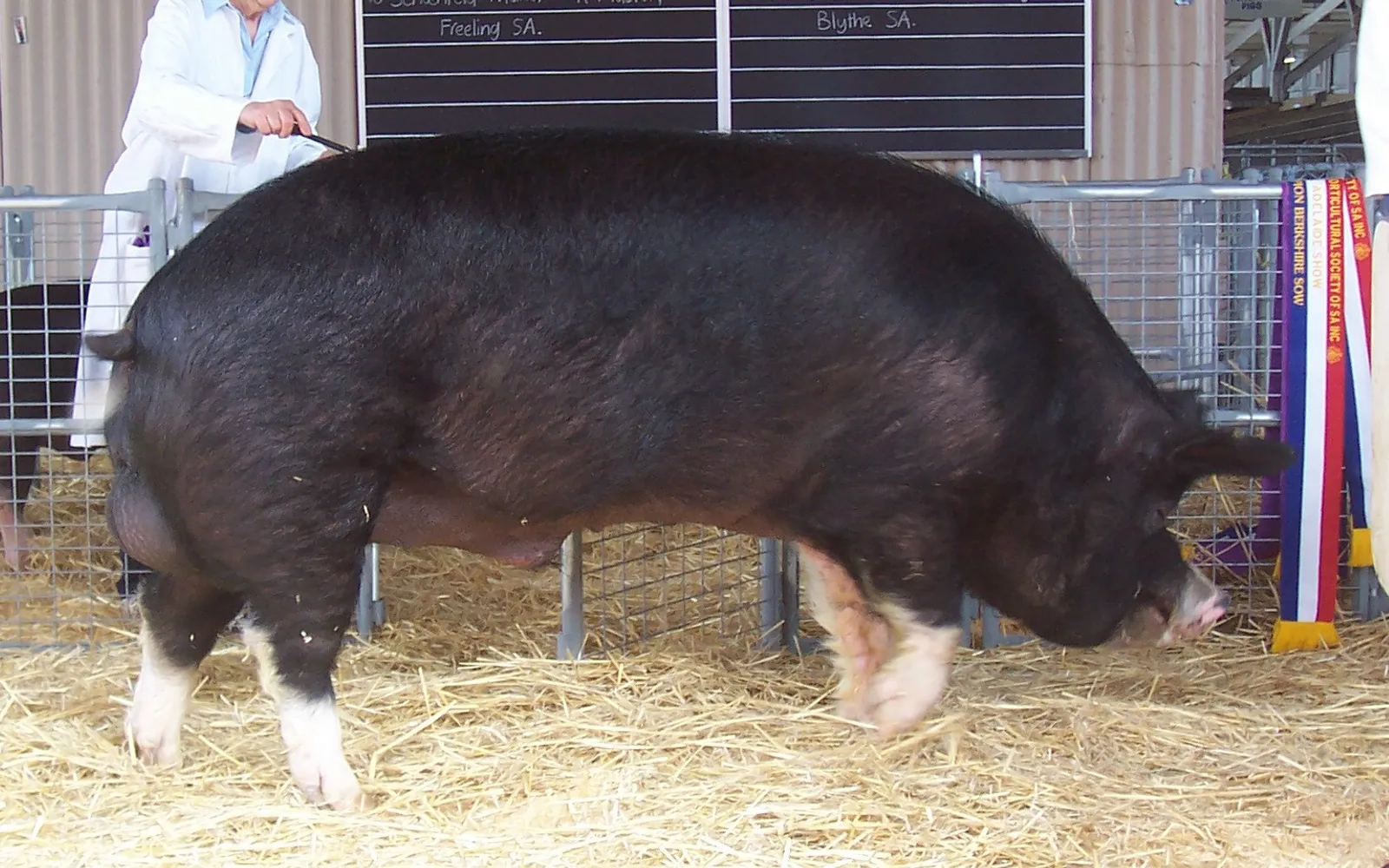
#1 Kurobuta Black Pork · Kurobuta Black Pork
Kurobuta is the dish every visitor to Kagoshima should eat. The breed is Berkshire, imported from England in the 1860s and crossed with local stock until a distinct strain emerged — one with finely marbled fat, a naturally sweet flavour, and none of the off-smell common in commodity pork. It arrives at the table as tonkatsu (deep-fried cutlet), shabu-shabu hotpot, or shareshabu fanned over crushed ice. A certification system in place since 1992 guarantees every piece comes from a Kagoshima farm.
- Kurokatsu-tei and Ajimori in Tenmonkan are the best-known tonkatsu spots in the city.
- Order Kurobuta tonkatsu alongside standard tonkatsu on the same visit — the difference is unmistakable.
- A certificate on the table showing Sakurajima and a black pig is the guarantee of genuine Kurobuta.
 #2
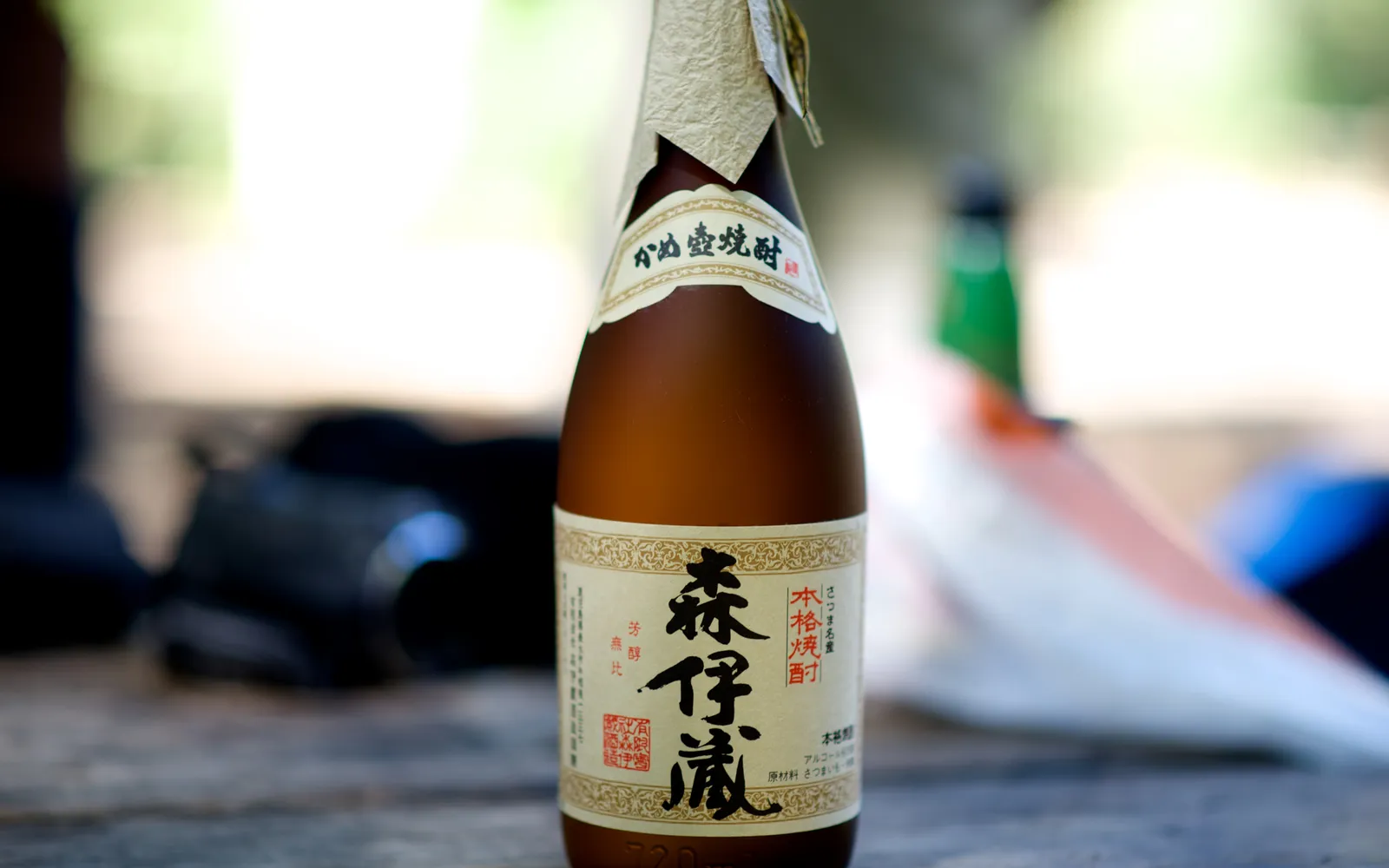
#2 Satsuma Shochu (Sweet Potato Spirit) · Satsuma Shochu (Sweet Potato Spirit)
Satsuma Shochu is distilled from sweet potato (satsuma-imo) grown in Kagoshima's volcanic soil, and runs at around 25% ABV. The flavour is earthy and faintly sweet — nothing like sake or beer. Sweet potato cultivation in Kagoshima goes back to 1705, and the spirit earned GI status from the WTO in 2005, putting it in the same protected category as Champagne and Scotch whisky. Drink it on the rocks, mixed with hot water, or straight.
- Order it as Oyuwari (mixed with hot water) — the ratio opens up the sweet-potato aroma most clearly.
- Meijiya and Yamakataya Department Store stock hundreds of labels if you want to browse.
- Satsuma Shiranami and Kirishima are solid entry-point labels for first-timers.
 #3
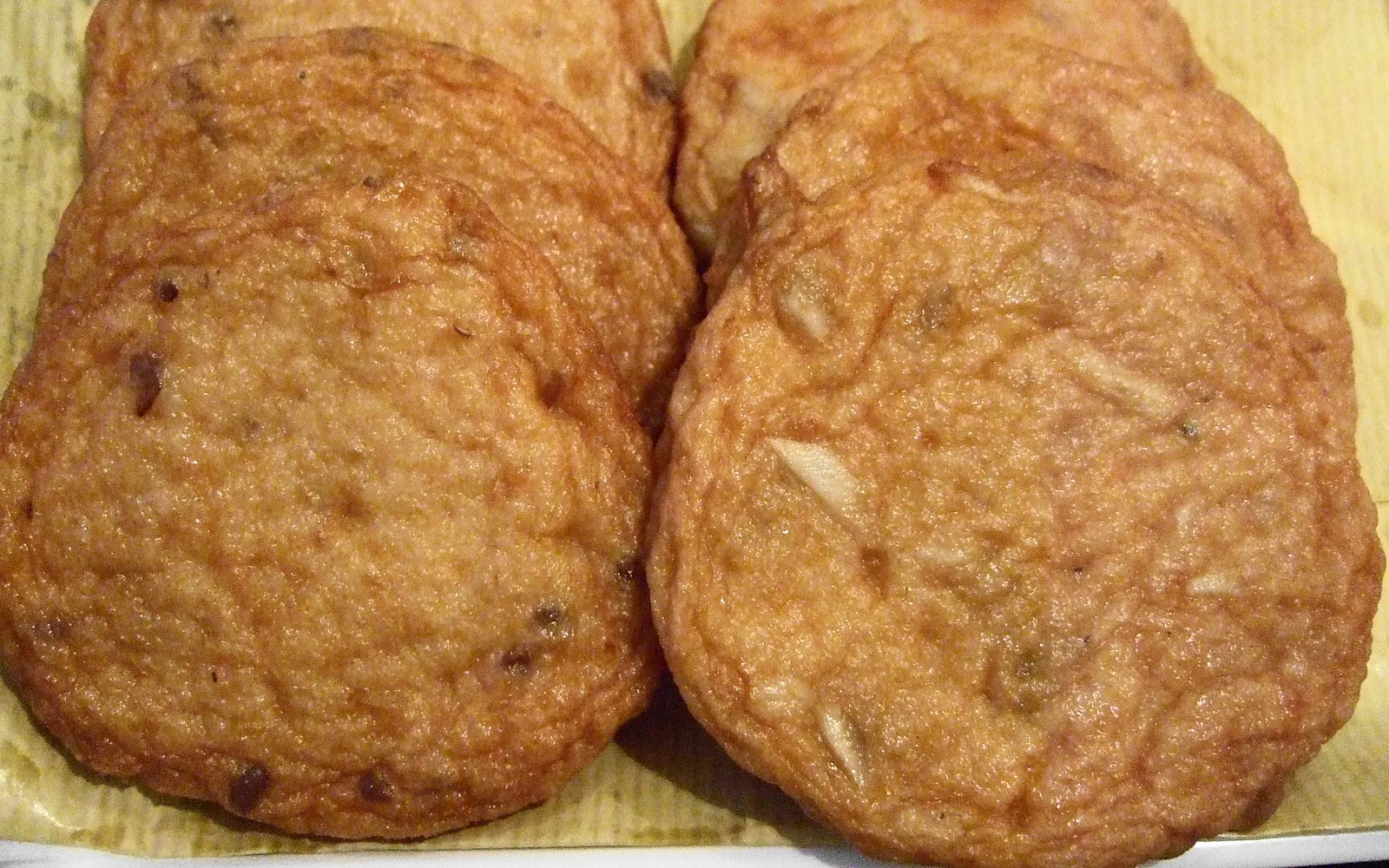
#3 Satsuma-age (Deep-fried Fish Cake) · Satsuma-age (Deep-fried Fish Cake)
Satsuma-age is a traditional Kagoshima street snack with roots in the Ryukyu Islands (Okinawa), brought to the mainland by the Shimazu clan during the Edo period. Fresh fish — tuna, mackerel, or sardine — is ground, blended with flour, seasoned, then deep-fried until the outside is crisp and golden. Shapes and fillings vary: tofu, ginger, courgette, or green peas are common additions. Eat them hot as a snack, or find them simmered in oden broth made to a Kagoshima recipe.
- Akashi Kamaboko and Otemon Market sell freshly fried Satsuma-age — the queue moves fast and it's worth the wait.
- Vacuum-packed versions at the airport are good souvenirs; the flavour holds well.
- Try the traditional Satsuma dipping style: yellow mustard and a sweet soy sauce.
 #4
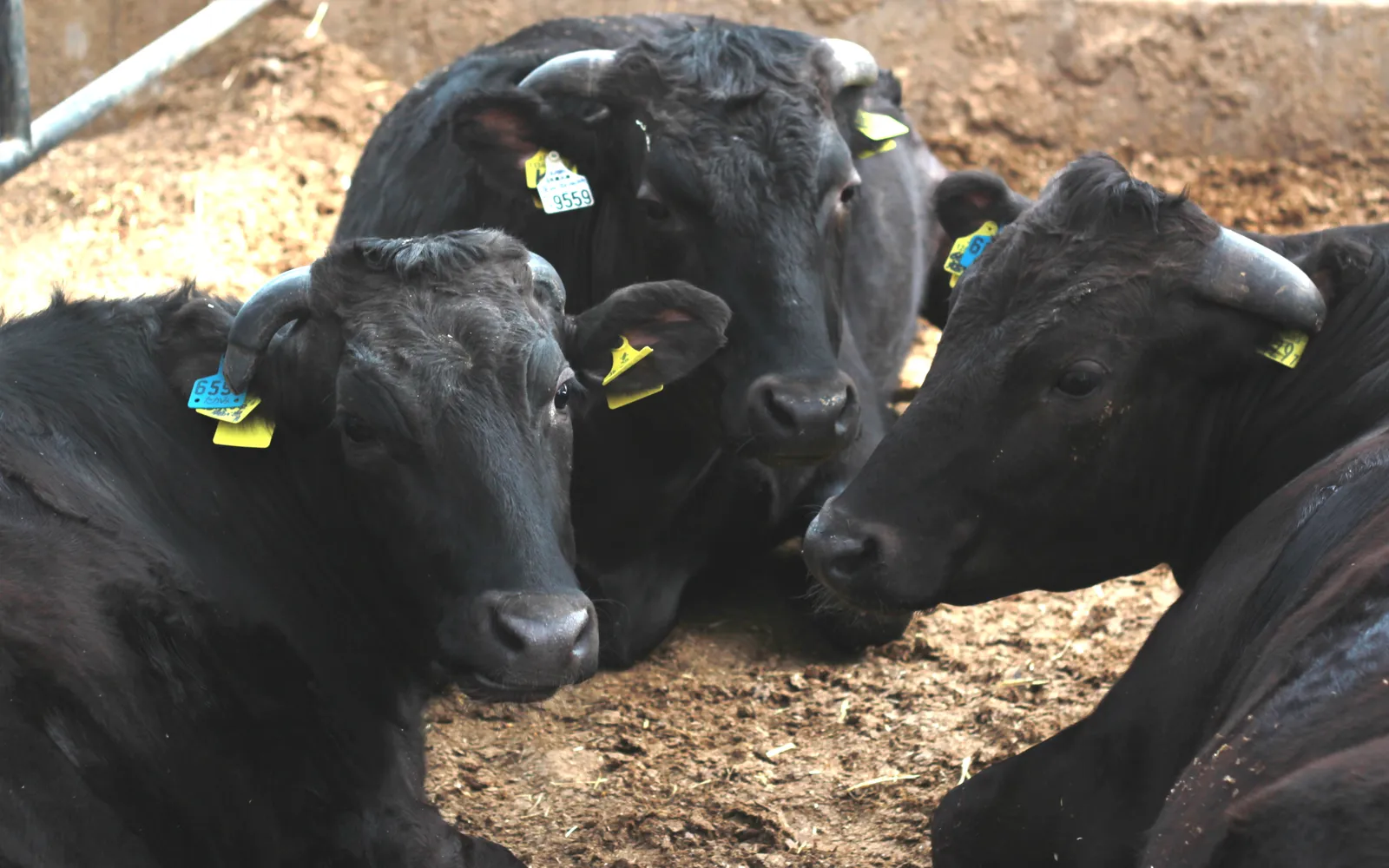
#4 Kagoshima Kuroushi Wagyu Beef · Kagoshima Kuroushi Wagyu Beef
Kagoshima produces more wagyu than any other prefecture in Japan and took first place at the Wagyu Olympics in both 2017 and 2022. Kagoshima Kuroushi (black cattle) earned GI registration in 2017. The fat marbling is consistent to the point of looking like granite, and the melting point is low enough that the fat dissolves the moment it meets heat. The flavour is subtly sweet with deep umami. Most diners order it as yakiniku (grilled over charcoal), shabu-shabu, or a straightforward steak.
- Yakiniku restaurants in Tenmonkan and around Kagoshima Chuo Station cover a wide range of price points.
- Grade A4-A5 gives the full marbling experience; Grade A3 is still excellent and noticeably cheaper.
- Grill each slice for around 30 seconds only — the fat stays in the meat and the texture stays tender.
 #5
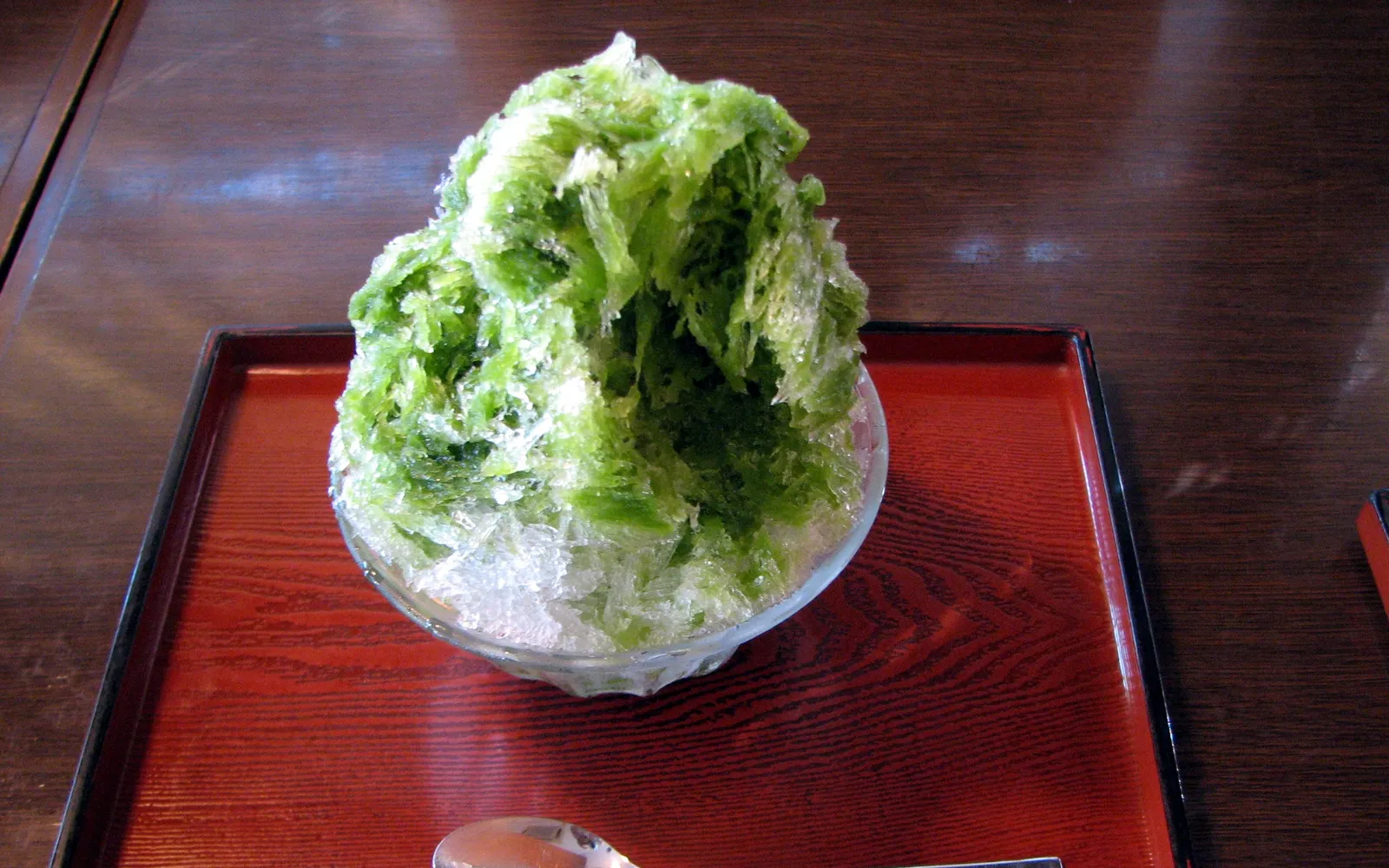
#5 Shirokuma Shaved Ice · Shirokuma Shaved Ice
Shirokuma means "polar bear" — a summer dessert Kagoshima has claimed as its own since the 1930s, when Tenmonkan Mujaki first made it. Finely shaved ice is drenched in sweet condensed milk, then topped with strawberry, banana, mandarin, cherry, and red-bean paste arranged into a bear's face. Servings are large enough that two people often share one. The flavour is lightly creamy without being cloying — a practical solution after a day climbing around Sakurajima in summer heat.
- Tenmonkan Mujaki has been open since 1949; it's the original and still the benchmark.
- The Mini size (around 700 yen) is comfortable for one person; the Regular is better split between two.
- Cup-packed Shirokuma is sold at convenience stores across Kagoshima — cheaper and perfectly decent.
 #6
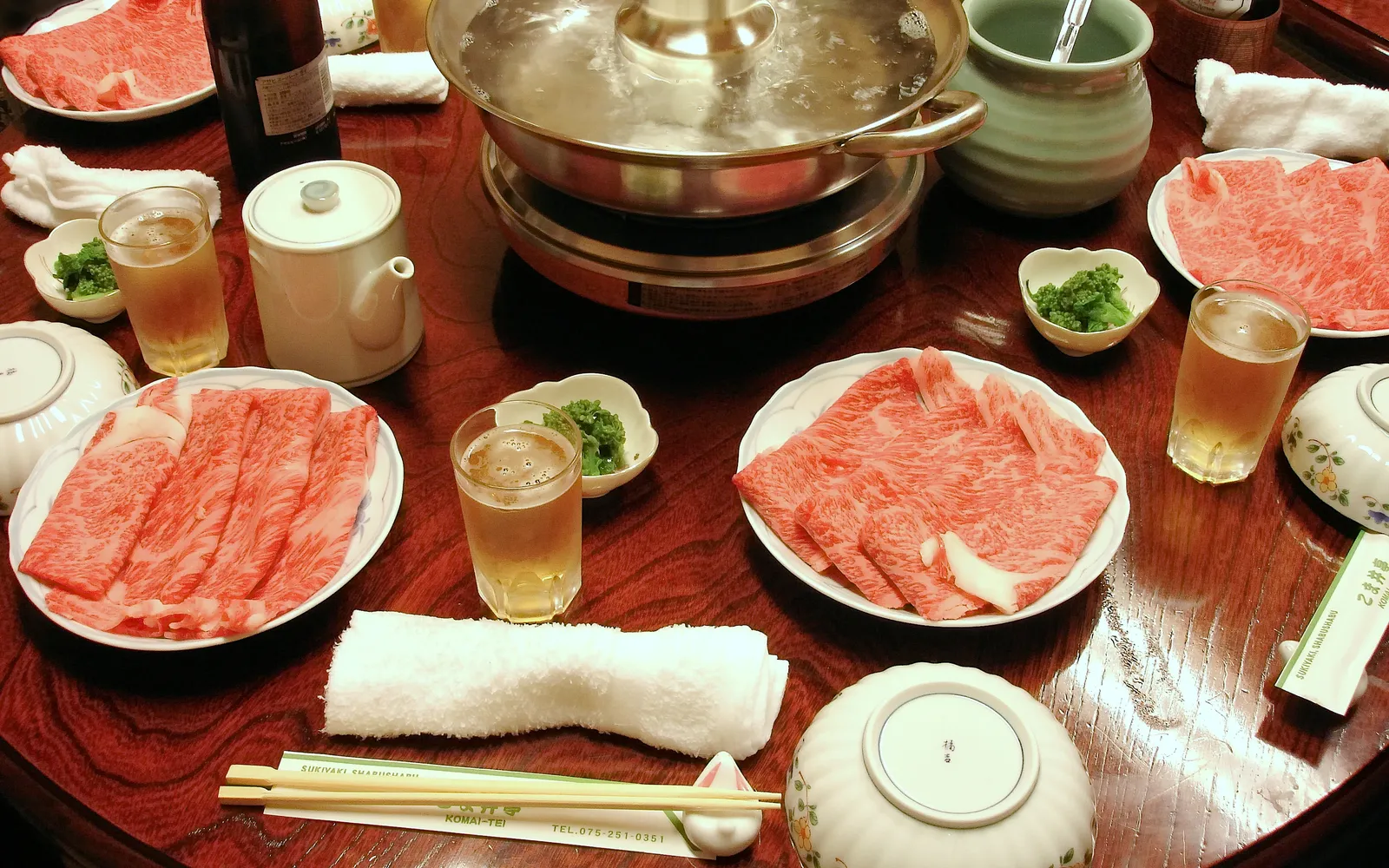
#6 Kurobuta Shabu-shabu · Kurobuta Shabu-shabu
Kurobuta shabu-shabu is the easiest way for first-timers to understand what makes the black pork special. Paper-thin slices are swished (shabu-shabu is the sound the meat makes in the water) through boiling broth for a few seconds, then dipped in sesame sauce or Kagoshima-style vinegar-onion ponzu. The fat content of Kurobuta means the meat is tender the moment it cooks — overcooking is the only mistake to avoid. The broth grows sweeter as natural pork fat releases into it; finish the pot with ramen noodles or a rice porridge in whatever is left.
- Ichi-ni-san (一二三) in Tenmonkan is the most widely known Kurobuta shabu-shabu restaurant in the city.
- Swish each slice for 10-15 seconds only — more than that and the texture tightens and the flavour flattens.
- Order the set that includes vegetables and tofu; the broth alone gets very rich without them.
Where to stay in Kagoshima for this trip
A well-located hotel means less commuting and more sightseeing. Here are real, top-rated stays in Kagoshima — compare Agoda · Booking · Trip.com in one click.
Shiroyama Hotel Kagoshima
Affiliate links — we may earn a commission at no extra cost to you. Details
Ibusuki Hakusuikan
Affiliate links — we may earn a commission at no extra cost to you. Details
Ibusuki Shusuien
Affiliate links — we may earn a commission at no extra cost to you. Details
Green Guest House Kagoshima
Affiliate links — we may earn a commission at no extra cost to you. Details
Tours, tickets & activities in Kagoshima
Day tours, attraction tickets and travel essentials for Kagoshima — book ahead on Klook with mobile e-tickets.
Affiliate links — we may earn a commission at no extra cost to you.
Before You Pack
Kagoshima's food is a direct reflection of its volcanic land and Satsuma identity. The Kurobuta from local farms, the Satsuma-age rooted in Ryukyu exchange, and the shochu distilled the same way it has been for centuries — together they make eating in Kagoshima something more than a meal.