
Kanazawa's food culture grew under the patronage of the Maeda clan, who wanted this city to stand as a cultural capital second only to Kyoto. Kaga Ryori — the local formal kitchen tradition — reflects that ambition through meticulous technique and exceptional ingredients: 15 heritage Kaga vegetables grown only in Ishikawa Prefecture, ultra-fresh fish landed at nearby ports, and a gold-leaf craft so embedded in local identity that it ends up on dessert.
 #1
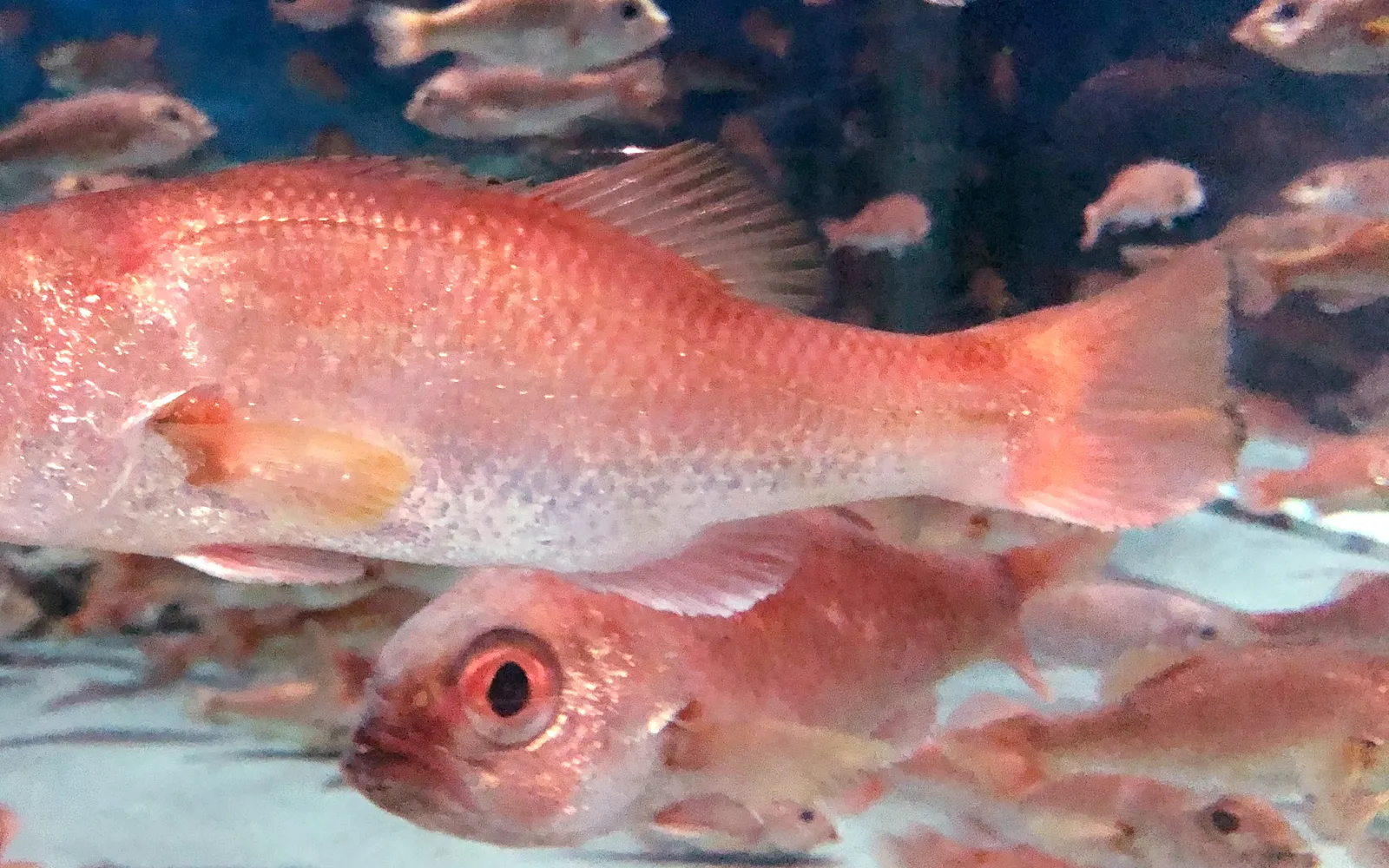
#1 Salt-Grilled Nodoguro · Nodoguro (Blackthroat Seaperch)
A deep-sea fish from the Sea of Japan, nodoguro is called the 'toro of white fish' — its pale flesh carries natural fat that melts the moment it hits your tongue. Salt-grilling alone draws out a remarkable depth of flavor: skin crisps to gold while the meat inside stays moist and buttery. Serious eaters rank it among the fish you eat once and think about for years afterward.
- Expect to pay 3–5 times more than ordinary fish, but the experience is genuinely hard to replicate elsewhere.
- Sushidokoro Mutori, just outside Omicho Market, is well-known for its nodoguro nigiri.
- Try it as sashimi or nigiri first — the raw form shows the fat most clearly before you move on to grilled.
 #2
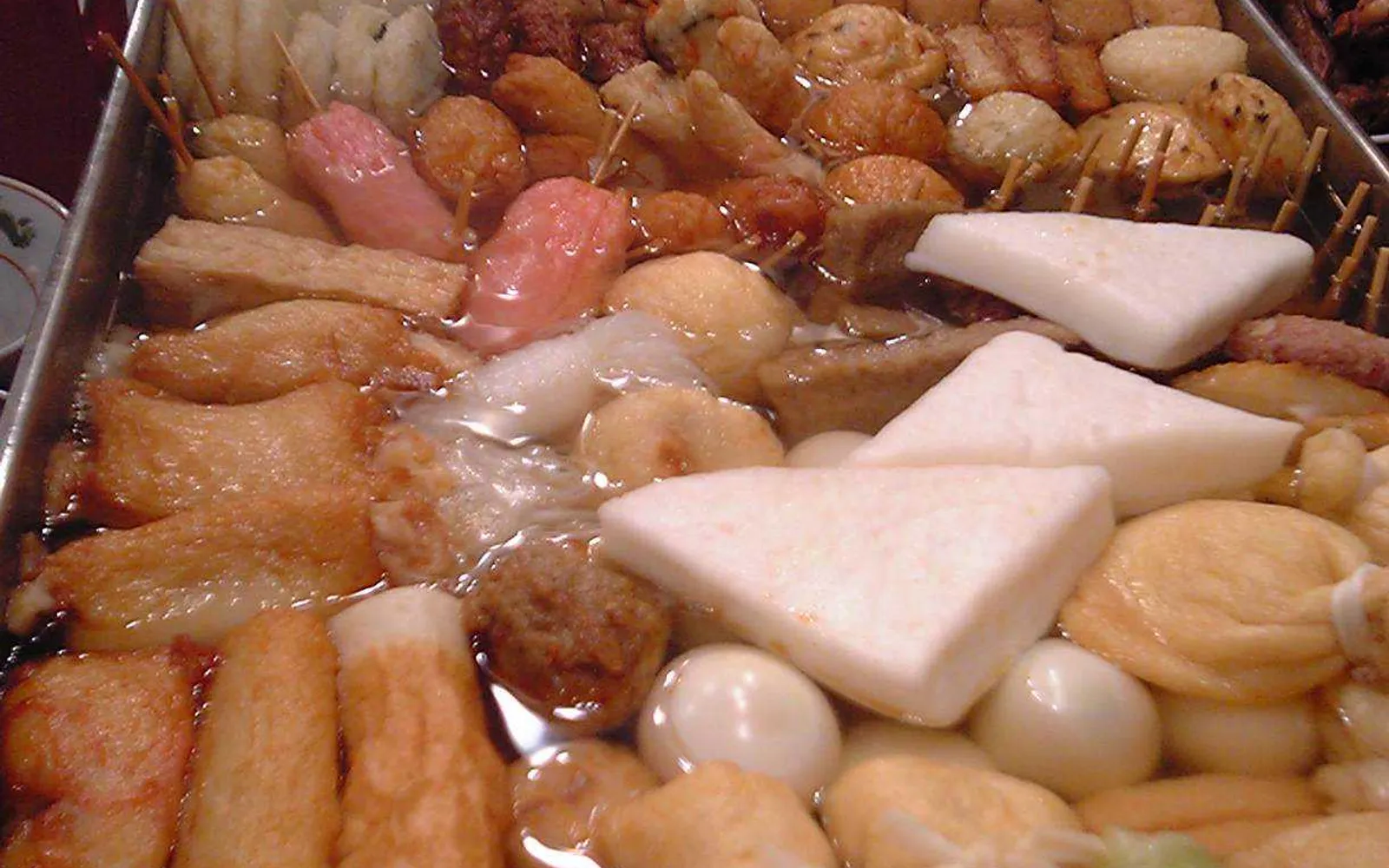
#2 Kanazawa Oden · Kanazawa Oden
Kanazawa oden is in a different category from the convenience-store version. The broth is made lightly with kombu and dried fish — delicate, faintly sweet. Two ingredients you won't find in oden anywhere else: <em>kani-men</em> (snow crab shells stuffed with crab meat and roe) and <em>kuruma-fu</em> (wheel-shaped wheat gluten that absorbs broth with impressive efficiency). The city eats oden all year, not just in winter.
- Many of Kanazawa's top oden shops cluster around the Katamachi district — follow the broth smell.
- Order kani-men early; it sells out faster than anything else on the menu.
- Sit at the counter in winter for the full effect — the steam, the cold outside, the hot bowl in front of you.
 #3
#3 Gold Leaf Soft Serve Ice Cream · Gold Leaf Soft Serve Ice Cream
A soft serve cone wrapped in a full sheet of pure gold leaf — each sheet beaten to just 1/10,000 of a millimetre. The idea came from shop Hakuichi in 2015 and it became Kanazawa's most photographed food export. The gold is edible and tasteless, but what it adds is an experience: a product of genuine craft placed directly in your hand.
- The Higashiyama branch of Hakuichi was the first — queues run long at midday on weekends, so arrive at opening.
- Watch the 'haku-utsushi' technique up close — the staff place gold leaf using a bamboo tool and a single breath. It is real craft.
- Prices run roughly ¥700–900 depending on size.
 #4
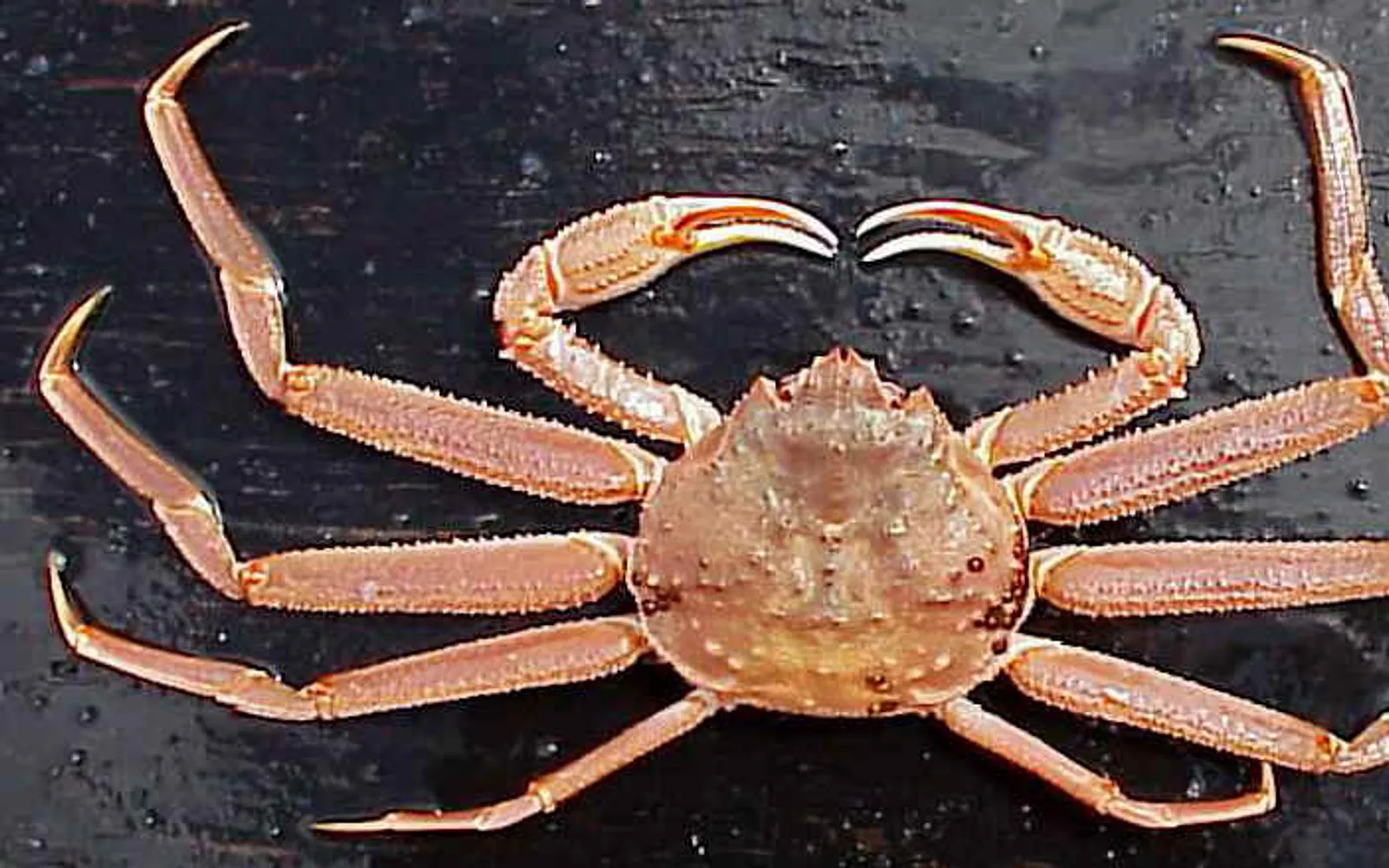
#4 Snow Crab (Zuwaigani) · Snow Crab (Zuwaigani)
Sea of Japan snow crab is Kanazawa's seafood centerpiece from November through March. The crab season opens officially on <strong>6 November</strong> each year. Legs are long and slender, flesh is sweet and clean, and the yield is generous whether you steam, boil, grill, or eat it over ice. The female crab (<em>kobako-gani</em>) runs smaller and cheaper, but arrives packed with roe that many regulars prefer.
- Kobako-gani (female) is more affordable and carries extra roe — a strong choice if you are watching the budget.
- Omicho Market sells live crab to take home, or you can eat at the restaurants one floor above the stalls.
- Outside the official season (November–March), only frozen crab is available, and the difference in quality is significant.
 #5
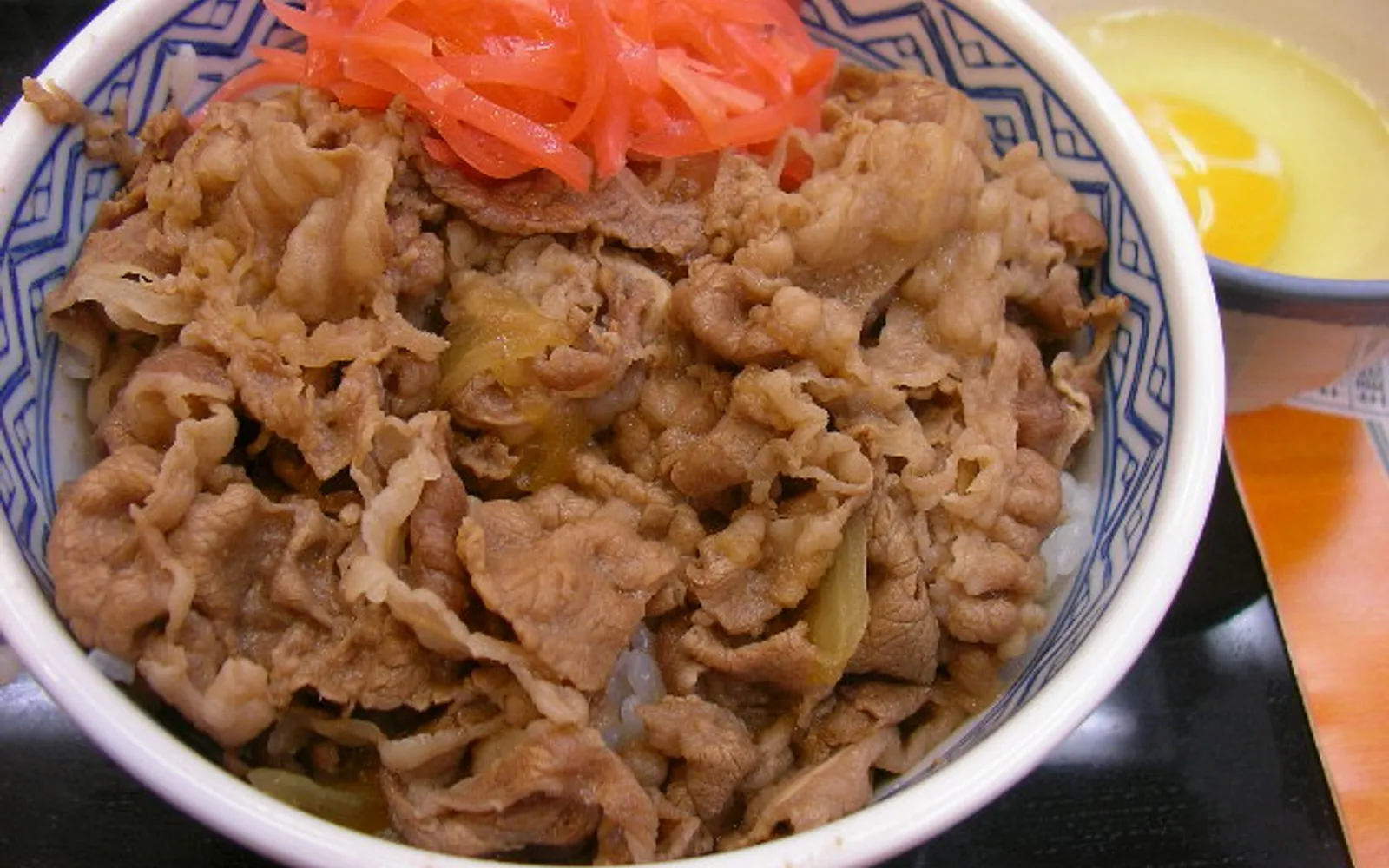
#5 Kaisen-don (Seafood Rice Bowl) · Kaisen-don (Seafood Rice Bowl)
A seasonal seafood rice bowl is the most efficient — and most affordable — way to sample several Kanazawa sea ingredients in one sitting. A typical bowl layers nodoguro, sweet shrimp (<em>ama-ebi</em>), squid, salmon roe, and whatever is running that day. Restaurants inside Omicho Market source directly from the stalls one floor below, so the fish moves fast.
- Second-floor restaurants inside Omicho Market offer noticeably better value than street-level spots nearby.
- Ask for <em>kani-miso</em> (thick, deep-orange crab paste) as a topping — rich and distinctively savory.
- Doors open from around 8:30 a.m. — arriving before noon means a shorter wait and the freshest stock.
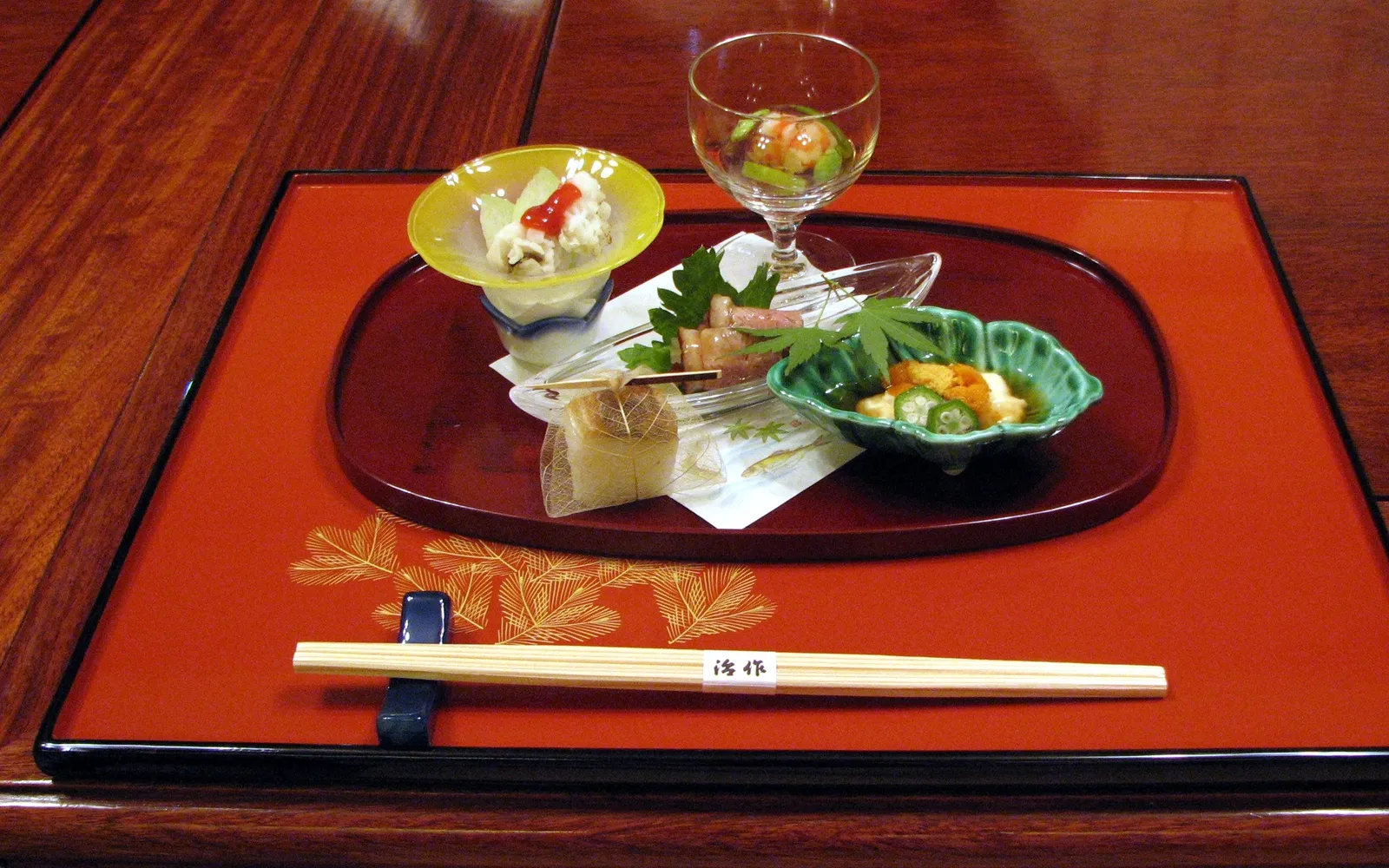 #6
#6 Kaga Ryori (Kaga Cuisine) · Kaga Ryori (Kaga Cuisine)
A formal kitchen tradition developed inside the Maeda clan's court, Kaga Ryori is built around 15 heritage vegetables grown only in Ishikawa — among them <em>kinjisou</em> (purple-leafed spinach) and <em>Gensuke daikon</em> (a particularly sweet radish). The broth is pale gold, made from Ishikawa kombu, and the overall flavor is more layered than standard Japanese cooking without ever becoming heavy. It is a strong fit for anyone who eats toward health and subtlety.
- Mid-range kaiseki meals at ¥3,000–5,000 per person are widely available — you do not need a ¥15,000 dinner to eat Kaga Ryori properly.
- Ask the restaurant which Kaga vegetables are in season that day — the lineup shifts throughout the year.
- Restaurants in the Katamachi district tend to serve Kaga Ryori in an accessible format at reasonable prices.
Where to stay in Kanazawa for this trip
A well-located hotel means less commuting and more sightseeing. Here are real, top-rated stays in Kanazawa — compare Agoda · Booking · Trip.com in one click.
Hyatt Centric Kanazawa
Affiliate links — we may earn a commission at no extra cost to you. Details
the square hotel KANAZAWA
Affiliate links — we may earn a commission at no extra cost to you. Details
Hotel Forza Kanazawa
Affiliate links — we may earn a commission at no extra cost to you. Details
Mitsui Garden Hotel Kanazawa
Affiliate links — we may earn a commission at no extra cost to you. Details
Tours, tickets & activities in Kanazawa
Day tours, attraction tickets and travel essentials for Kanazawa — book ahead on Klook with mobile e-tickets.
Affiliate links — we may earn a commission at no extra cost to you.
Before You Pack
Kanazawa is one of those cities where even a casual lunch at Omicho Market carries a palpable sense of care — the kind of attention that serious food travelers rate above almost everything else in Japan.