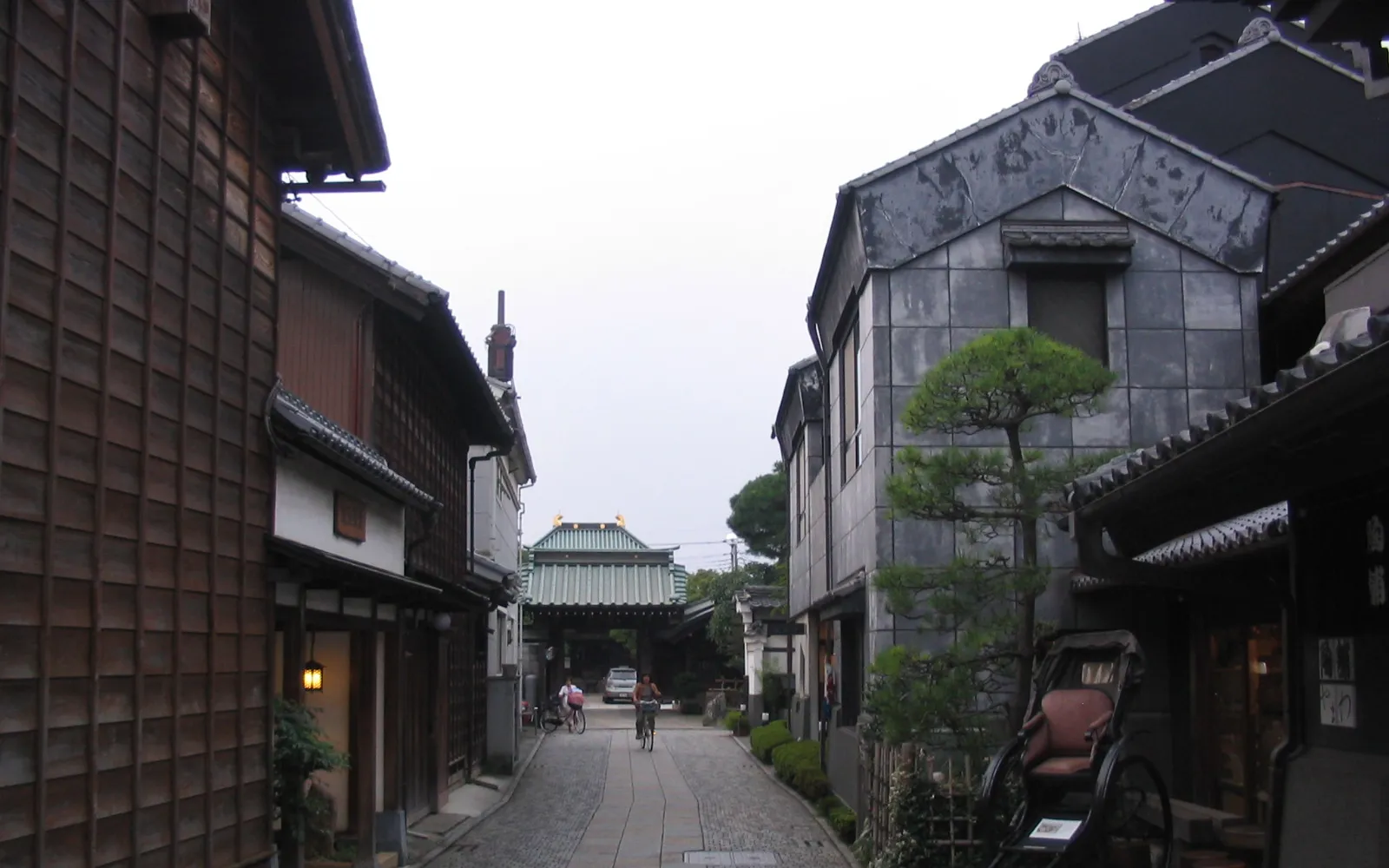
Since the Edo period, Kawagoe has been shipping sweet potatoes downriver to Edo (Tokyo), earning its reputation as the sweet potato capital of eastern Japan. Today, every street in the historic district still carries the scent of freshly baked sweet potato — daigaku imo, imo yokan, and dozens of traditional sweets waiting to be tried. Add to that the legendary grilled eel recipes that have given Kawagoe an equally strong culinary reputation.
 #1
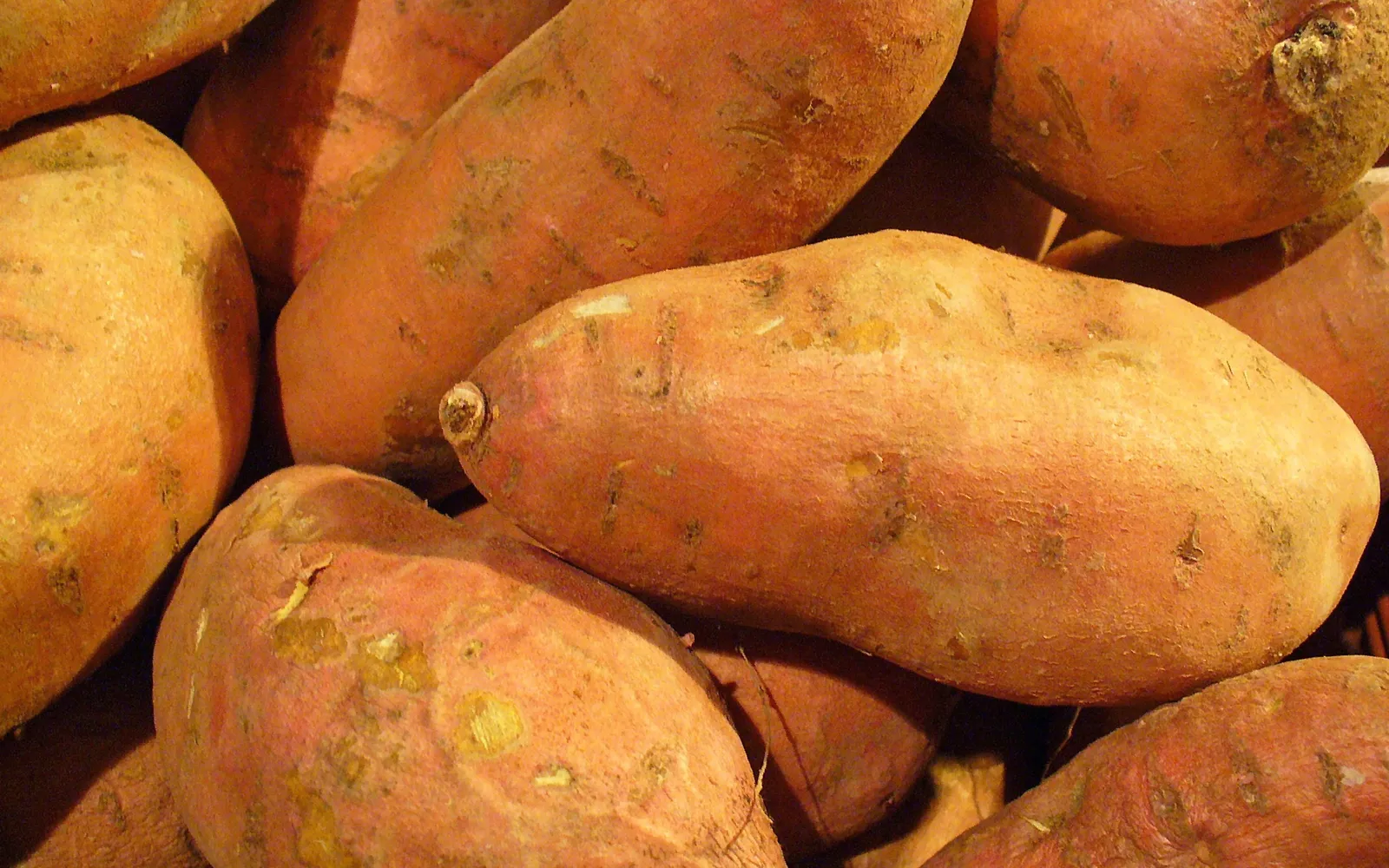
#1 Daigaku Imo (Candied Sweet Potato) · Daigaku Imo (Candied Sweet Potato)
Bite-sized sweet potato pieces fried until the skin turns crisp, then coated in a honey or caramelised sugar glaze that sets into a sticky, glossy shell — finished with toasted black sesame. The inside stays soft and yielding. Daigaku imo originated in Tokyo's student districts in the early 20th century, but Kawagoe, which has been cultivating sweet potatoes for hundreds of years, is the city that makes it best. Eat it hot, straight from the pan — that's the only way to get the full effect.
- Buy from stalls where you can watch them fry fresh — the difference from pre-made is enormous.
- Try a few stalls and compare: some use a crunchy sugar crust, others focus more on the depth of the potato itself.
- Be careful — the caramel coating traps heat and stays hot for a long time.
 #2
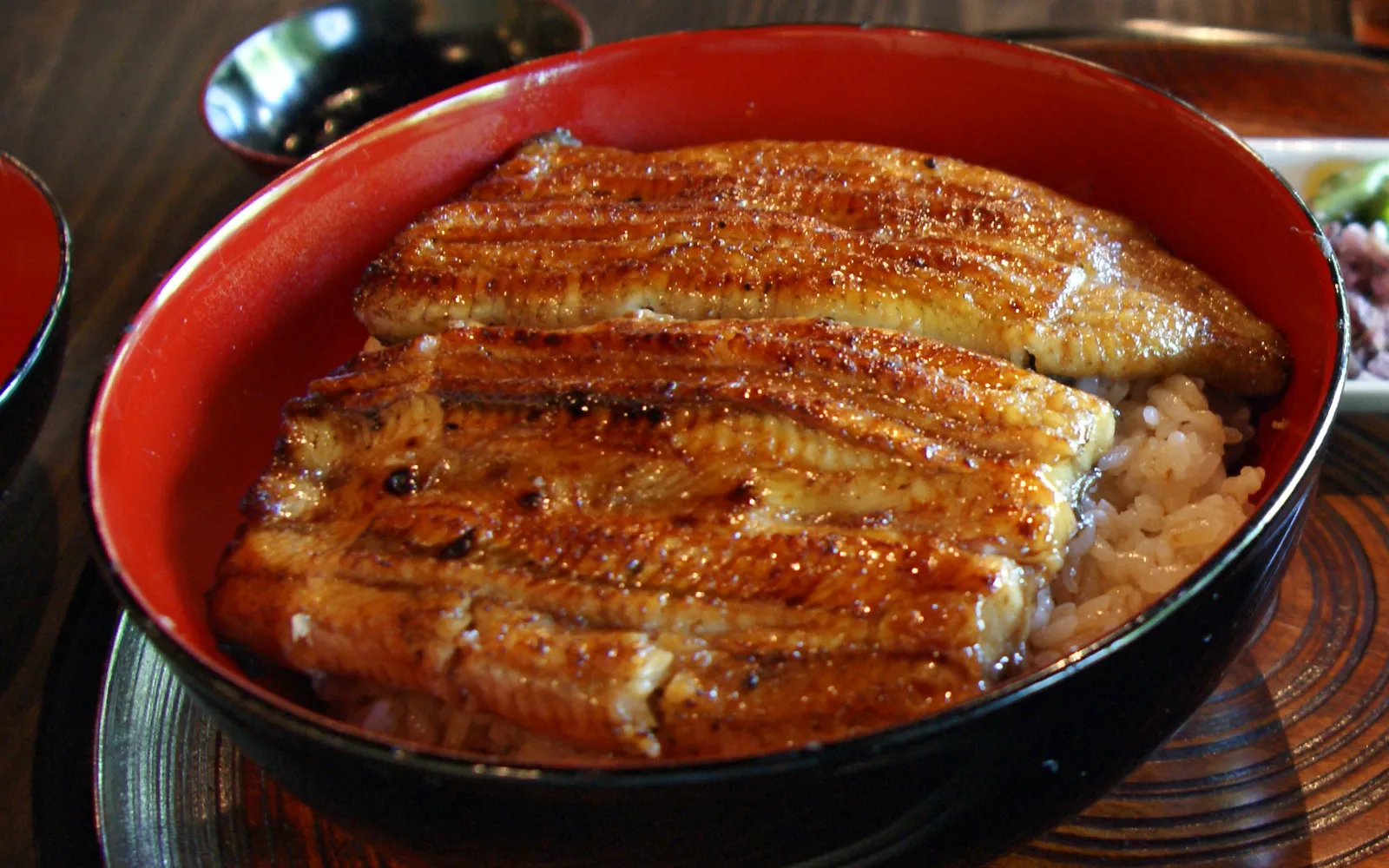
#2 Unaju (Grilled Eel over Rice in Lacquer Box) · Unaju (Grilled Eel over Rice in Lacquer Box)
Kawagoe sits close to the Shin-Kawagoe and Iruma rivers, which have been rich in eel (<em>unagi</em>) since ancient times. That's why several eel restaurants in the city have histories stretching 100 to 300 years. The eel is charcoal-grilled until the outside crisps and the inside stays tender, then glazed with each restaurant's own house <em>tare</em> — a sweet-savoury sauce — and served in a lacquer box over soft white rice. It's a depth of flavour you won't find at a generic restaurant.
- Celebrated spots like Okagiku and Unasho fill up fast on weekends — go early or book ahead.
- Unaju starts at around 3,000–5,000 yen, which is well worth it for the quality.
- Order <em>kimo soup</em> (eel liver soup) on the side for a more complete meal.
 #3
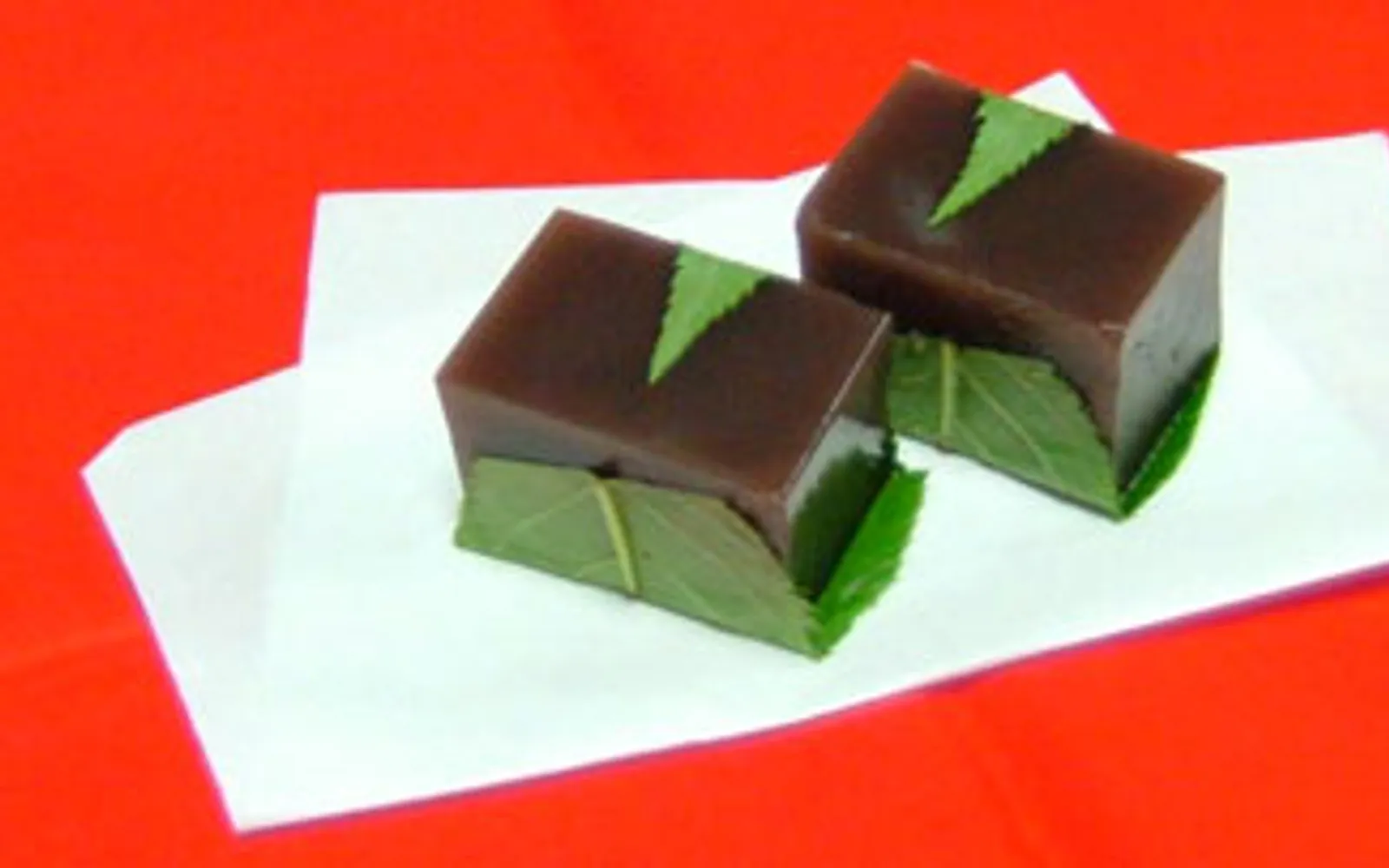
#3 Imo Yokan (Sweet Potato Wagashi) · Imo Yokan (Sweet Potato Wagashi)
A traditional Kawagoe <em>wagashi</em> confection made from a local sweet potato variety with an intensely flavoured flesh. The potato is mashed fine, blended with sugar and agar, then set in a mould into a rectangular block. The texture sits somewhere between a firm jelly and a smooth paste — subtly sweet with a faint hint of salt — and the golden-orange colour is striking. Often wrapped in bamboo paper or banana leaf to add a light fragrance. It pairs perfectly with green tea and has long been the number-one souvenir to take home from Kawagoe.
- In summer, buy the chilled version — it tastes fresher than room temperature.
- Dokan is a specialist that has been making imo yokan for generations; the standard is reliable.
- It keeps for 3–5 days, making it practical as a gift to carry home.
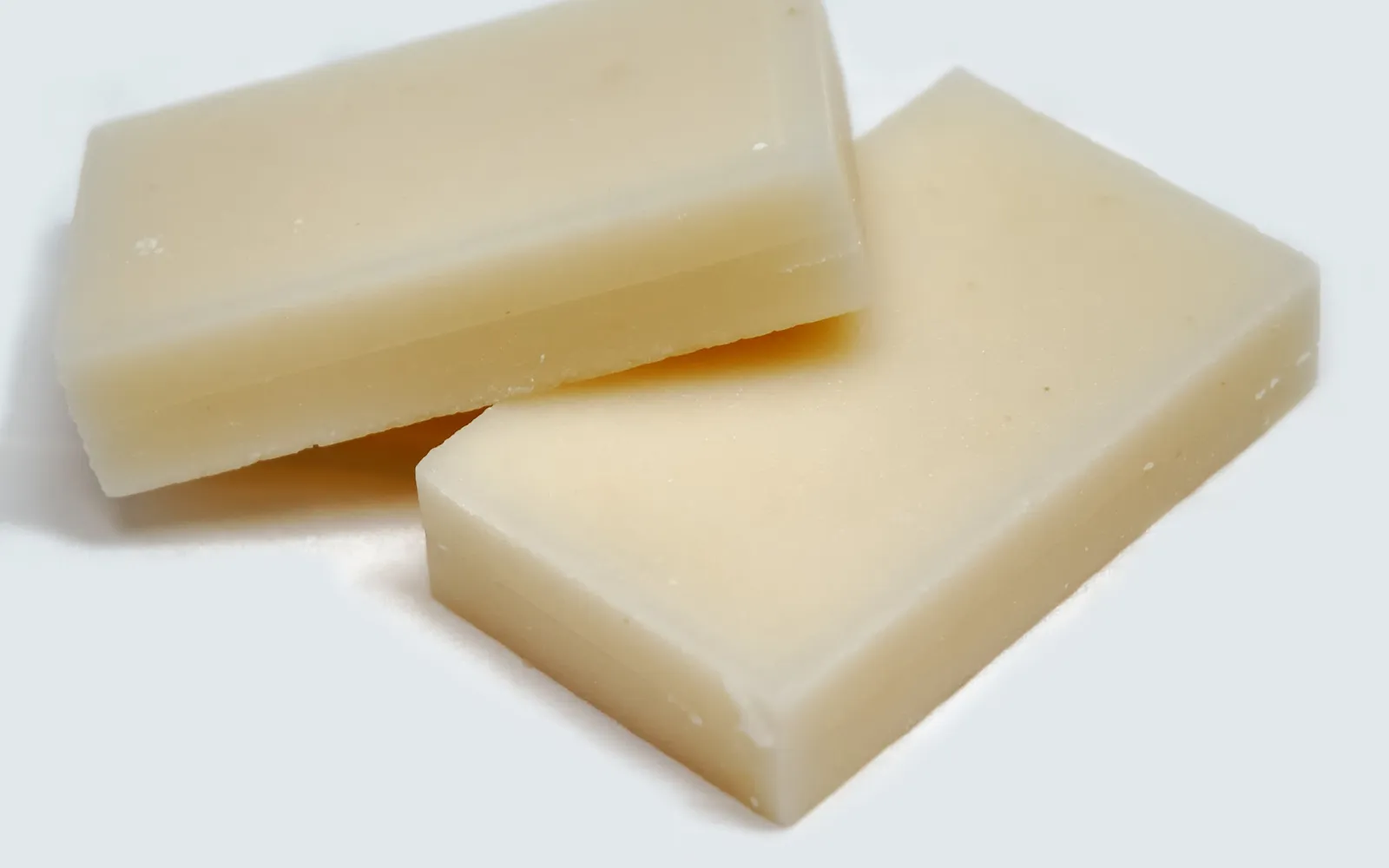 #4
#4 Imo-koi (Sweet Potato Mochi Manju) · Imo-koi (Sweet Potato Mochi Manju)
A local signature that brings together the two things Kawagoe is known for: sweet potato and sweetened red beans. A filling of local sweet potato blended with <em>azuki</em> red bean paste is packed inside a soft, steamed mochi shell — two contrasting textures that work together well. The sweetness is restrained, not cloying. The name <em>imo-koi</em> translates roughly as 'love of sweet potato,' and reflects just how deeply tied the people of Kawagoe are to this crop.
- Eat it warm — the mochi shell is at its softest right away; it firms up a little once it cools.
- Boxes of 6–8 pieces are reasonably priced and keep for 2–3 days.
- Available from several sweet shops in Kashiya Yokocho and the surrounding area.
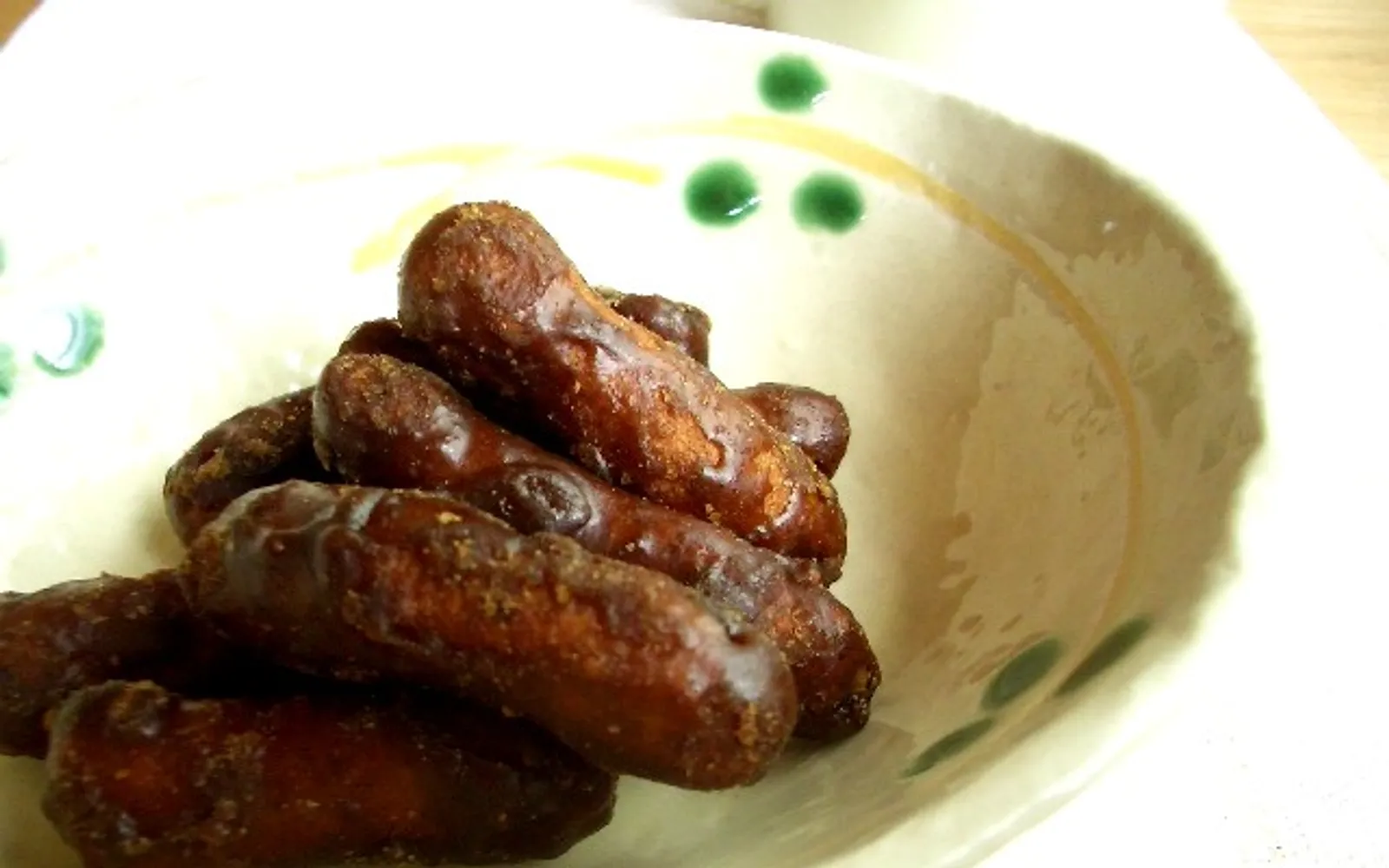 #5
#5 Karinto (Fried Dough Sweet Potato Candy) · Karinto (Fried Dough Sweet Potato Candy)
Classic <em>karinto</em> is wheat flour dough deep-fried and coated in raw cane sugar — dark brown, small cylinders, crisp outside with a slight chew, sweet with a faint bitter edge. It's a treat familiar to Japanese people of all ages. Kawagoe elevates the recipe by substituting sweet potato flour or folding in shredded sweet potato, giving it a distinctive character. Sold in paper bags at low prices throughout Kashiya Yokocho.
- Buy small amounts to try multiple flavours first — options include raw sugar, black sesame, and seaweed.
- It makes an affordable gift; the old-fashioned paper-bag packaging is part of the charm.
- Karinto keeps longer than most other sweets here, so it's practical for longer trips home.
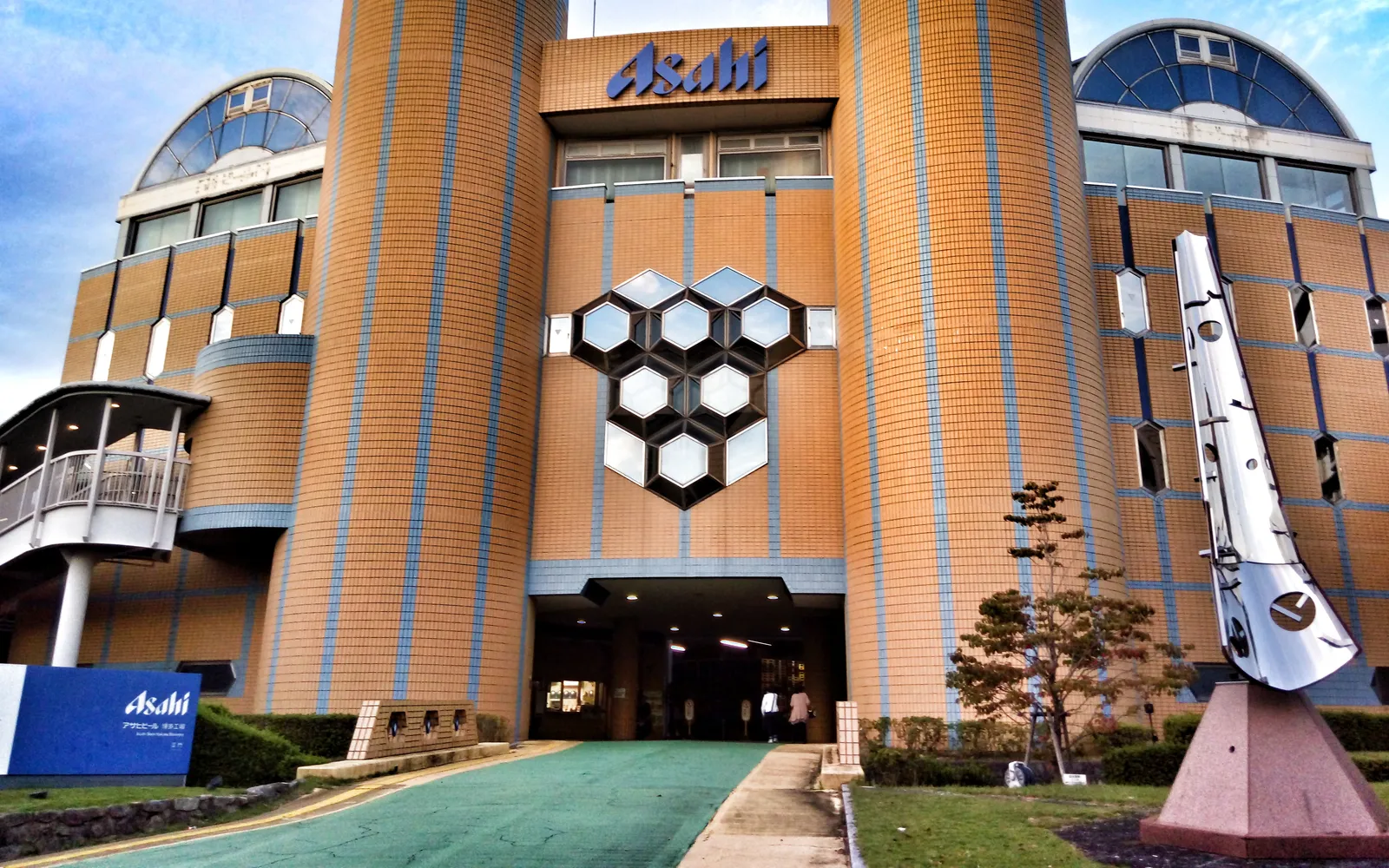 #6
#6 Coedo Beer (Sweet Potato Craft Beer) · Coedo Beer (Sweet Potato Craft Beer)
Coedo Brewery is Kawagoe's contemporary food pride. The flagship is <em>Beniaka</em> — an amber beer brewed from Saitama sweet potatoes, with a gentle natural sweetness unlike any standard beer. Beyond Beniaka, the brewery produces several award-winning varieties at an international level. The brewery and restaurant are open for tours and tastings paired with local food.
- Order a tasting set to sample multiple varieties before deciding what to take home.
- Beniaka and Shikkoku (black) receive the most consistent praise from visitors.
- Bottled Coedo is available at the brewery and at supermarkets around the city — the glass bottles make a good-looking gift.
Where to stay in Kawagoe for this trip
A well-located hotel means less commuting and more sightseeing. Here are real, top-rated stays in Kawagoe — compare Agoda · Booking · Trip.com in one click.
Hatago Coedoya
Affiliate links — we may earn a commission at no extra cost to you. Details
Kawagoe Tobu Hotel
Affiliate links — we may earn a commission at no extra cost to you. Details
Super Hotel Saitama Kawagoe
Affiliate links — we may earn a commission at no extra cost to you. Details
Kawagoe Prince Hotel
Affiliate links — we may earn a commission at no extra cost to you. Details
Tours, tickets & activities in Kawagoe
Day tours, attraction tickets and travel essentials for Kawagoe — book ahead on Klook with mobile e-tickets.
Affiliate links — we may earn a commission at no extra cost to you.
Before You Pack
From chilled imo yokan to charcoal-grilled eel lacquered in a centuries-old tare, Kawagoe is a city where every meal references local history and ingredients you won't find elsewhere — and where eating well for a full day never feels repetitive.