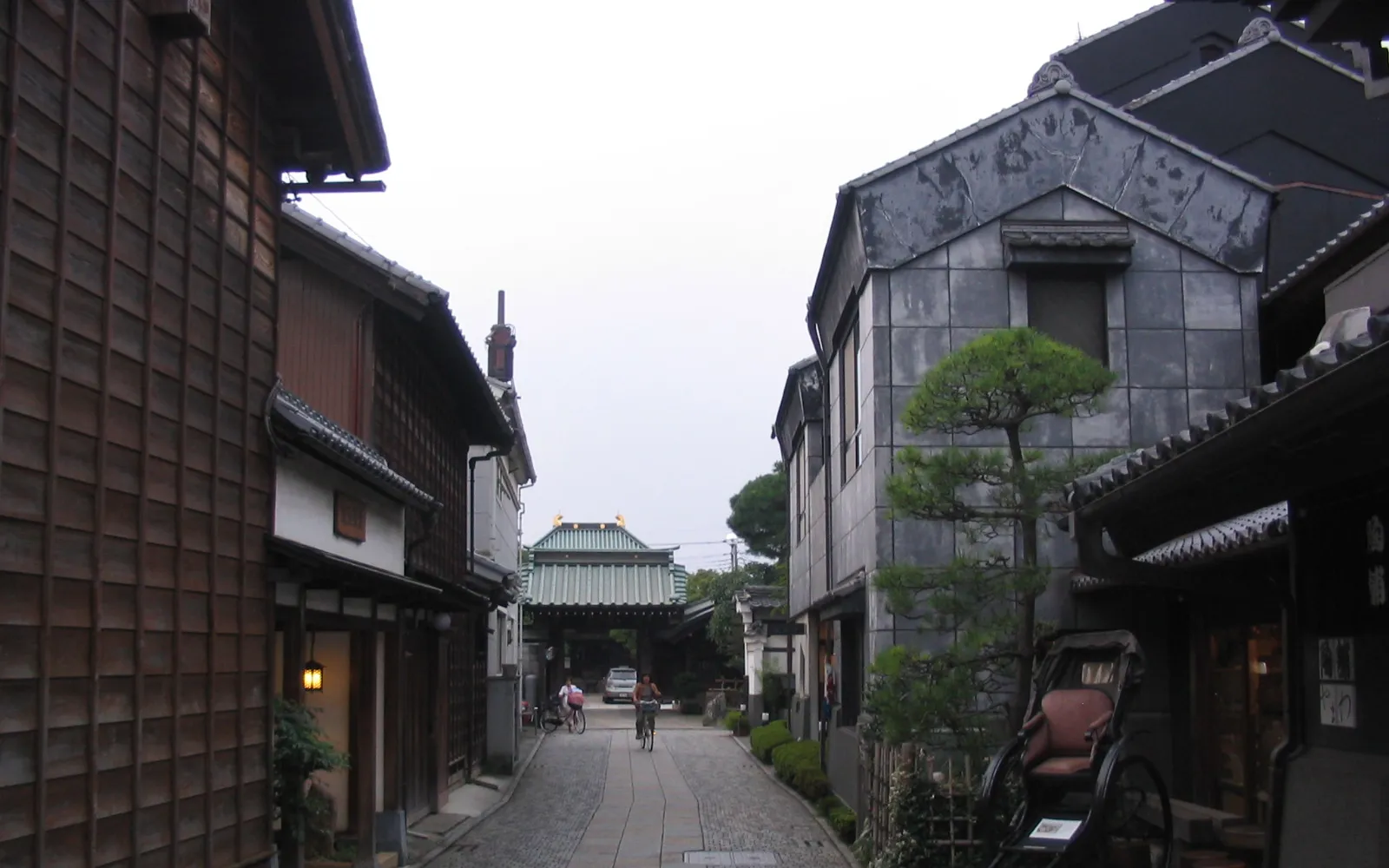
Kawagoe in Saitama earned the nickname Koedo (Little Edo) because it preserved more than 20 clay-walled kura warehouse buildings from the Edo period — the same structures Tokyo lost to earthquakes and war. The Toki no Kane bell tower has rung four times a day since the 17th century, and the sweet-shop alley of Kashiya Yokocho still smells exactly as it did a hundred years ago. All of this makes Kawagoe one of the most rewarding single-day trips from Tokyo.
 #1
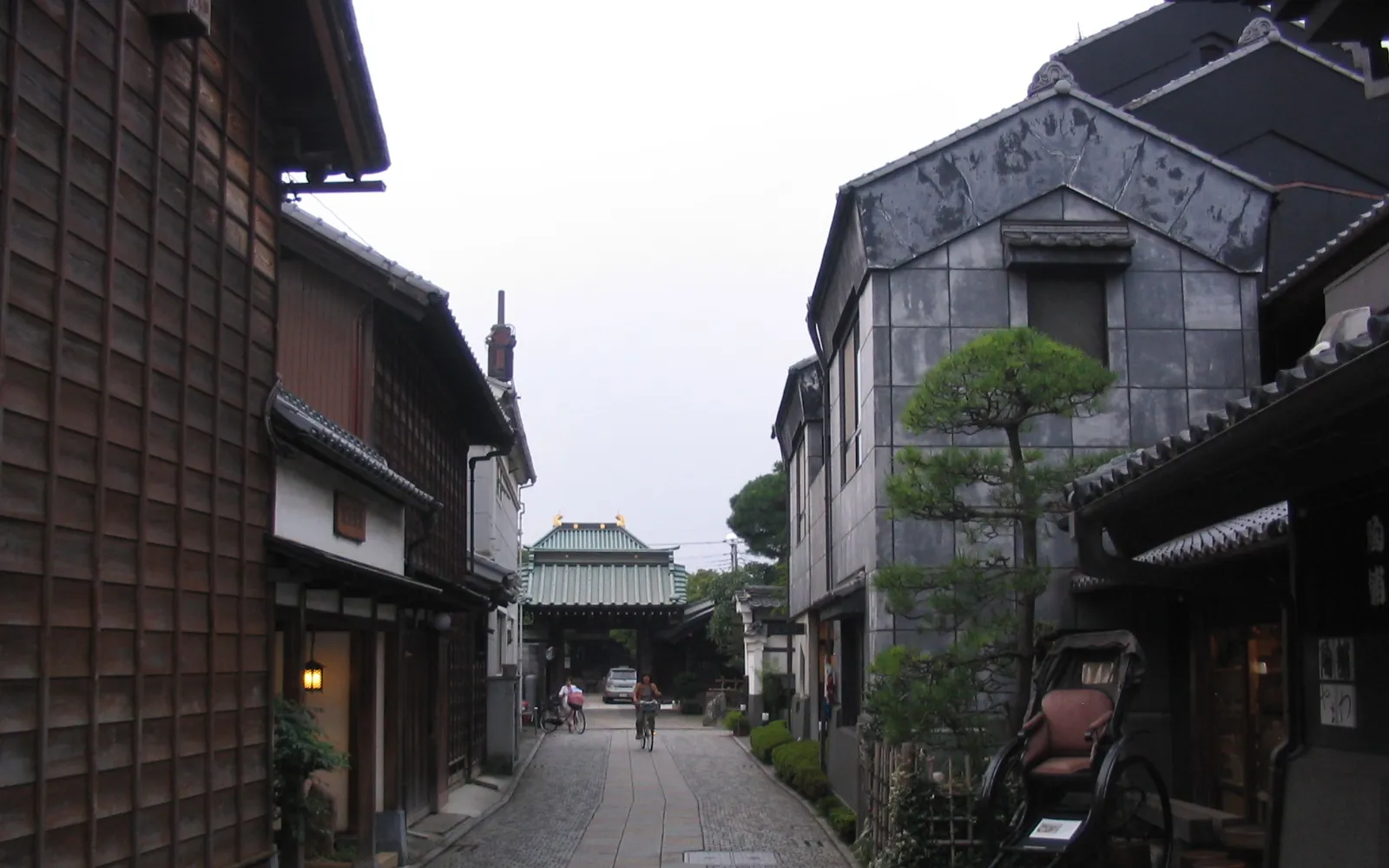
#1 Kurazukuri Street (Warehouse District) · Kurazukuri Street (Warehouse District)
This is the heart of Kawagoe — a street where more than 20 kurazukuri buildings still stand. The multi-storey structures are built from thick clay tiles and heavy roof slabs designed to resist fire, which was the principal disaster of old Japanese towns. After a major blaze in 1893, the merchants of Kawagoe rebuilt these storehouses even more solidly and beautifully. Today the interiors have become souvenir shops, cafes, small museums, and restaurants with remarkable charm.
- Before 09:00 the light is golden and the crowds have not yet arrived.
- Look closely at the window frames, iron shutters, and the patterns pressed into the clay walls — the craftsmanship is exceptional.
- Explore the small lanes that branch off the main street; they tend to hide the most interesting older shops.
 #2
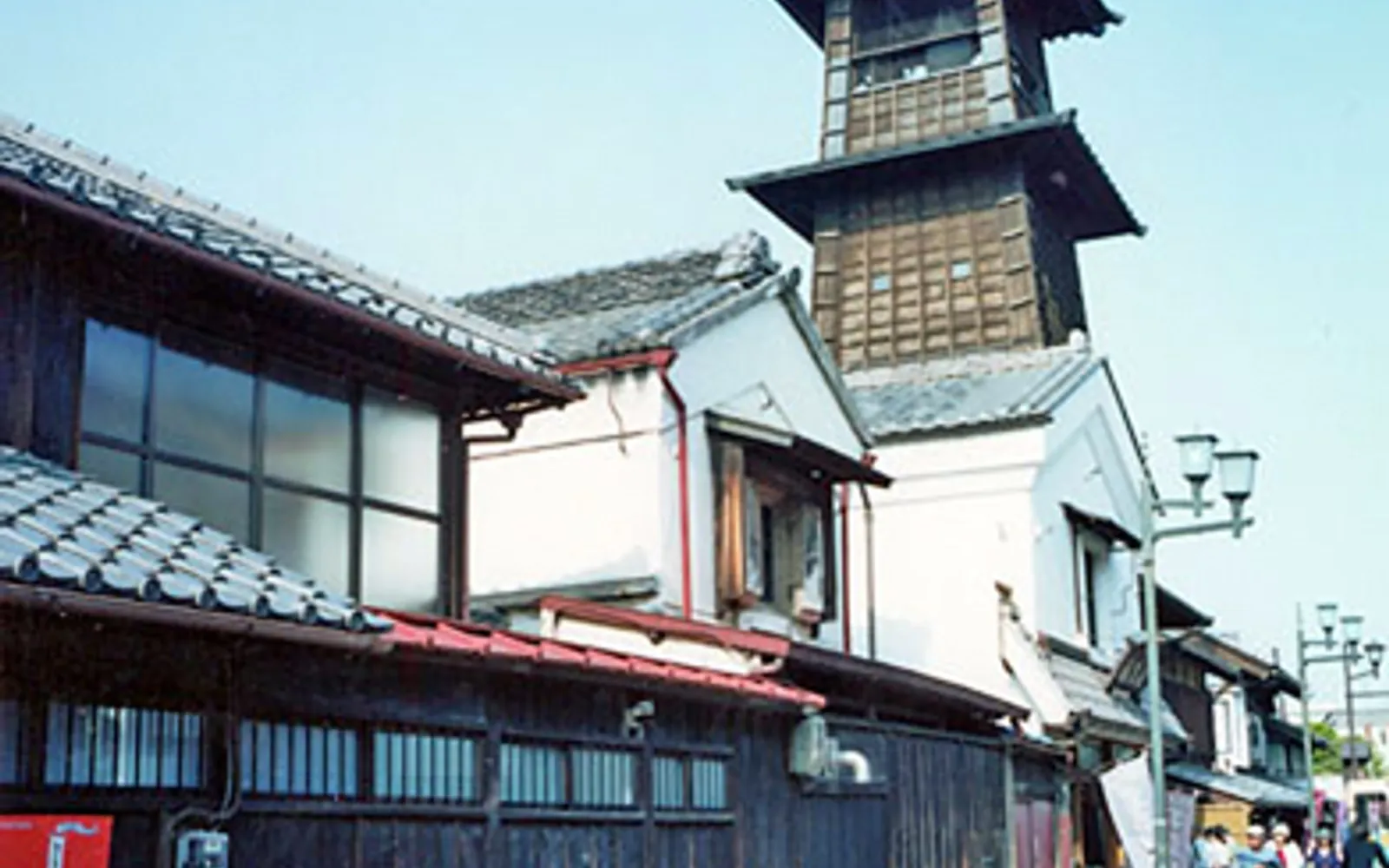
#2 Toki no Kane (Time Bell Tower) · Toki no Kane (Time Bell Tower)
The symbol of Kawagoe — a tower that has rung the hours four times a day (06:00, 12:00, 15:00, and 18:00) since the early Edo period, roughly 400 years ago. The current structure is the fourth version, rebuilt after the fire of 1894. It stands 16 metres tall and houses a bell weighing 700 kilograms. The sound has been designated one of Japan's 100 Soundscapes Worth Preserving.
- Arrive just before 06:00 or noon to hear the bell ring live — there is nothing else quite like it.
- The best photography angle is from in front of the kurazukuri buildings in the same district.
- The tower is an outdoor landmark, open around the clock and free to visit.
 #3
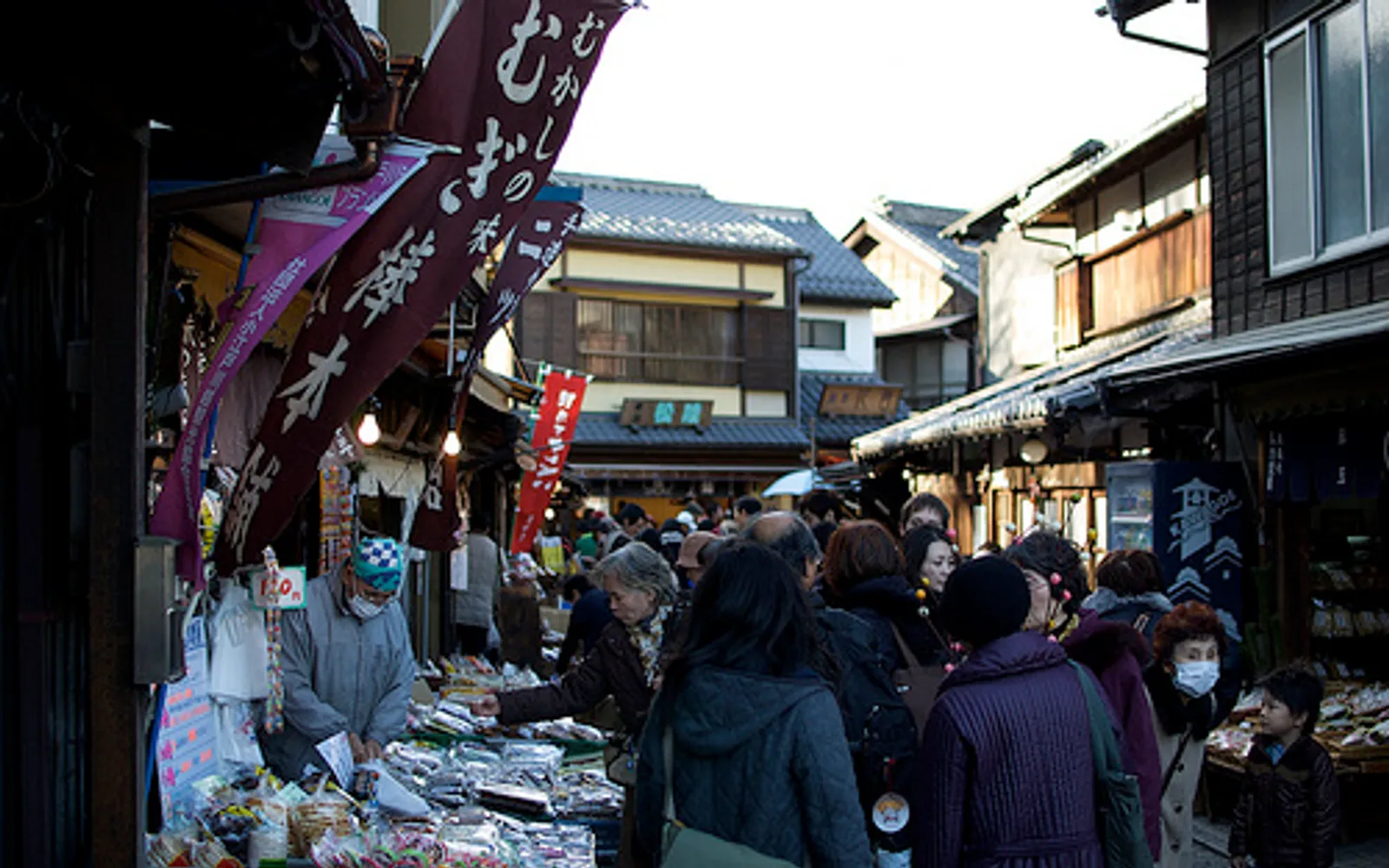
#3 Kashiya Yokocho (Penny Candy Alley) · Kashiya Yokocho (Penny Candy Alley)
A narrow alley about 100 metres long where roughly 20 traditional sweet shops survive, some open since the early Showa era. They sell old-school treats at old-school prices: karinto (deep-fried dough glazed with sugar), savoury-sweet senbei rice crackers, boiled sweets, and peanut confections. After the 1923 Great Kanto Earthquake the alley once held more than 70 stalls. It has also been selected as one of Japan's 100 Fragrant Landscapes Worth Preserving.
- Buy from several shops and compare — prices are genuinely old-fashioned, with many pieces costing just a few dozen yen.
- On weekdays shops open from 10:00; on weekends the alley gets crowded after midday.
- Recommended picks: karinto in sweet-potato flavour and brightly coloured boiled sweets make lovely gifts.
 #4
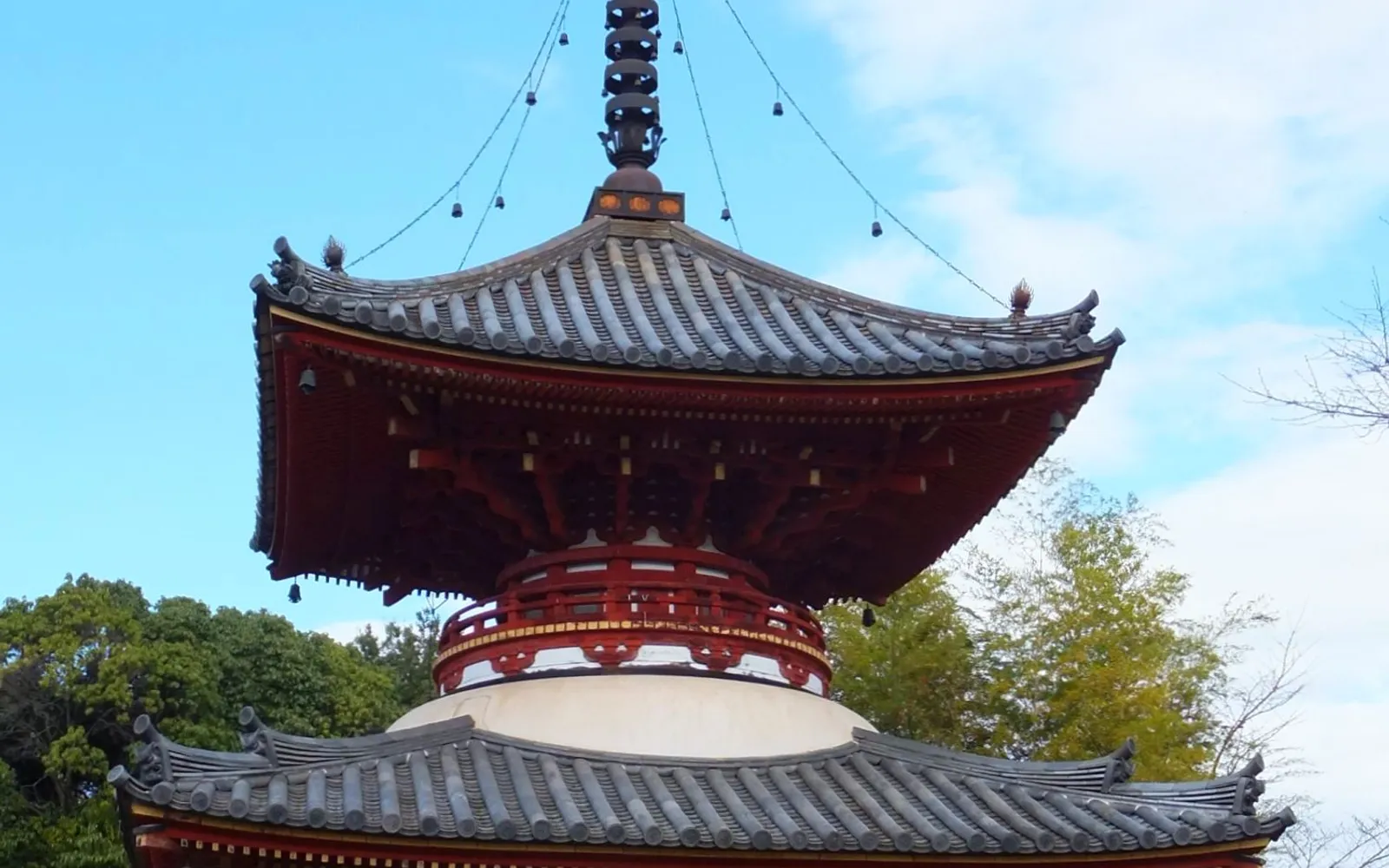
#4 Kitain Temple · Kitain Temple
The most important Tendai Buddhist temple in the Kanto region, founded by the priest Jikaku Daishi in 830 AD. The grounds contain the only surviving rooms moved from Edo Castle — the only structures anywhere in the world that came from the original palace. Shogun Tokugawa Iemitsu was particularly devoted to this temple and donated several chambers from Edo Castle, which were dismantled and reassembled here. The highlight is the garden of 500 rakan — 538 stone statues of Buddhist arhats, each with a completely different face.
- Admission to the former Edo Castle chambers is just ¥400 — exceptional value for this level of historical significance.
- Examine the rakan one by one; there is a tradition that you will always find one face that resembles someone you know.
- In late March, the cherry blossoms inside the temple grounds rank among the finest in Kawagoe.
 #5
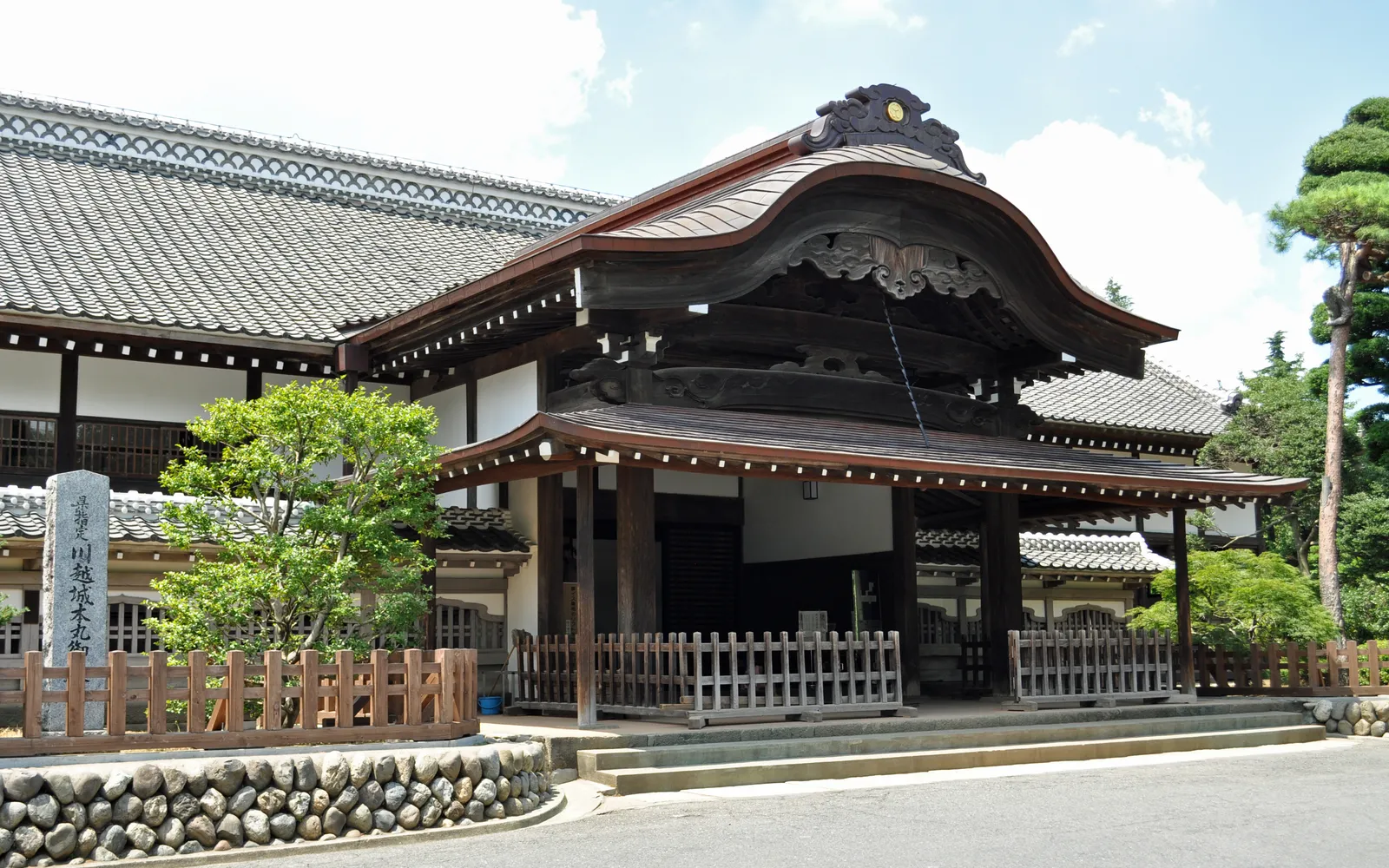
#5 Honmaru Goten (Kawagoe Castle Main Palace) · Honmaru Goten (Kawagoe Castle Main Palace)
The surviving section of Kawagoe Castle, built around 1848 and the best-preserved part of the original structure. Inside, the rooms once used by the domain lord and senior officials are on display — a reception hall, a study, and private quarters — telling the story of daily life for Tokugawa-era rulers. Admission is just ¥100, the best-value historical site in the city by some margin.
- Allow about 45 minutes; there is no need to rush, and some staff speak English.
- The gardens around the palace are a fine cherry-blossom spot in April.
- Buy your ticket at the park office next to the Kawagoe City Museum nearby.
 #6
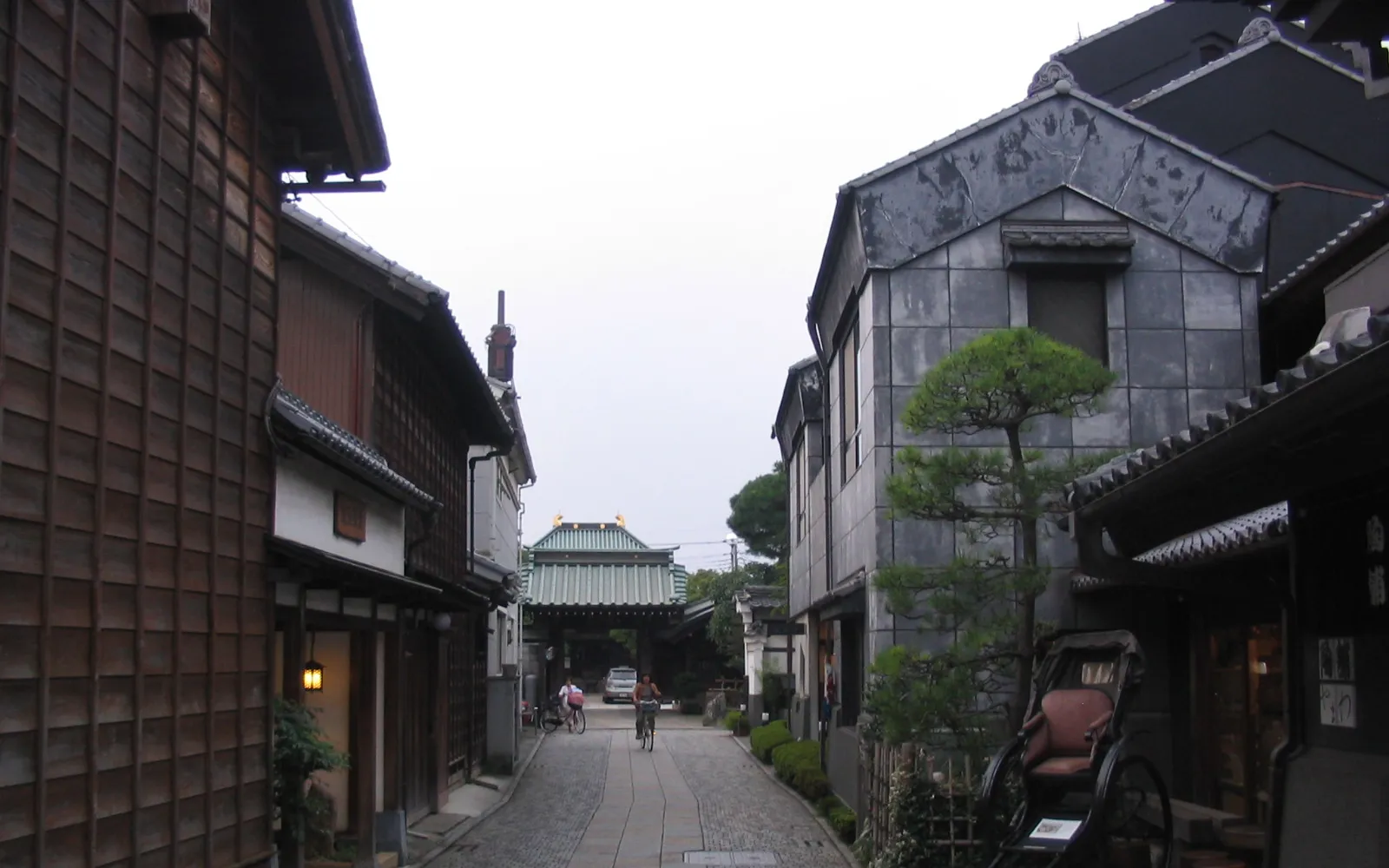
#6 Taisho Roman Street (Taisho Romankayo) · Taisho Roman Street (Taisho Romankayo)
A short street that bridges the modern city and the Edo historic quarter. The buildings here date from the Taisho era (1912–1926) and blend Western and Japanese architecture in a distinctive way. These classic-looking facades now house cafes, vintage clothing shops, and contemporary souvenir stores. The atmosphere differs from Kurazukuri Street but has its own quieter appeal.
- Look at the old shop signs mixing lettering and Taisho-era decorative motifs — the graphic design is really something.
- Souvenirs here are more varied and generally better priced than in the middle of the Kurazukuri district.
- Several street-food stalls open early — a good spot for a morning snack while walking.
 #7
#7 Nakain Temple · Nakain Temple
A quiet, small temple adjacent to Kitain, once part of the same temple complex. Records indicate it is the birthplace of Sayama tea — the priest Jikaku brought tea seeds and planted them on the grounds. The garden at Nakain contains arching cherry trees and a rare kanhizakura (Taiwan cherry) that blooms earlier than standard cherry varieties, usually in early March.
- In early March the kanhizakura blooms before anywhere else in Kawagoe — you can catch cherry blossoms ahead of the main season.
- Nakain is quiet and usually uncrowded, making it a good place to rest after the busier tourist spots.
- The monument to Sayama tea on the grounds makes an interesting photo subject.
Where to stay in Kawagoe for this trip
A well-located hotel means less commuting and more sightseeing. Here are real, top-rated stays in Kawagoe — compare Agoda · Booking · Trip.com in one click.
Hatago Coedoya
Affiliate links — we may earn a commission at no extra cost to you. Details
Kawagoe Tobu Hotel
Affiliate links — we may earn a commission at no extra cost to you. Details
Super Hotel Saitama Kawagoe
Affiliate links — we may earn a commission at no extra cost to you. Details
Kawagoe Prince Hotel
Affiliate links — we may earn a commission at no extra cost to you. Details
Tours, tickets & activities in Kawagoe
Day tours, attraction tickets and travel essentials for Kawagoe — book ahead on Klook with mobile e-tickets.
Affiliate links — we may earn a commission at no extra cost to you.
Before You Pack
Kawagoe proves that the real character of Japan is not confined to Kyoto or Tokyo. Thirty minutes by train from Ikebukuro, this city still breathes at an Edo rhythm — temples, historic streets, old sweets, and famous sweet potatoes waiting to be discovered in person.