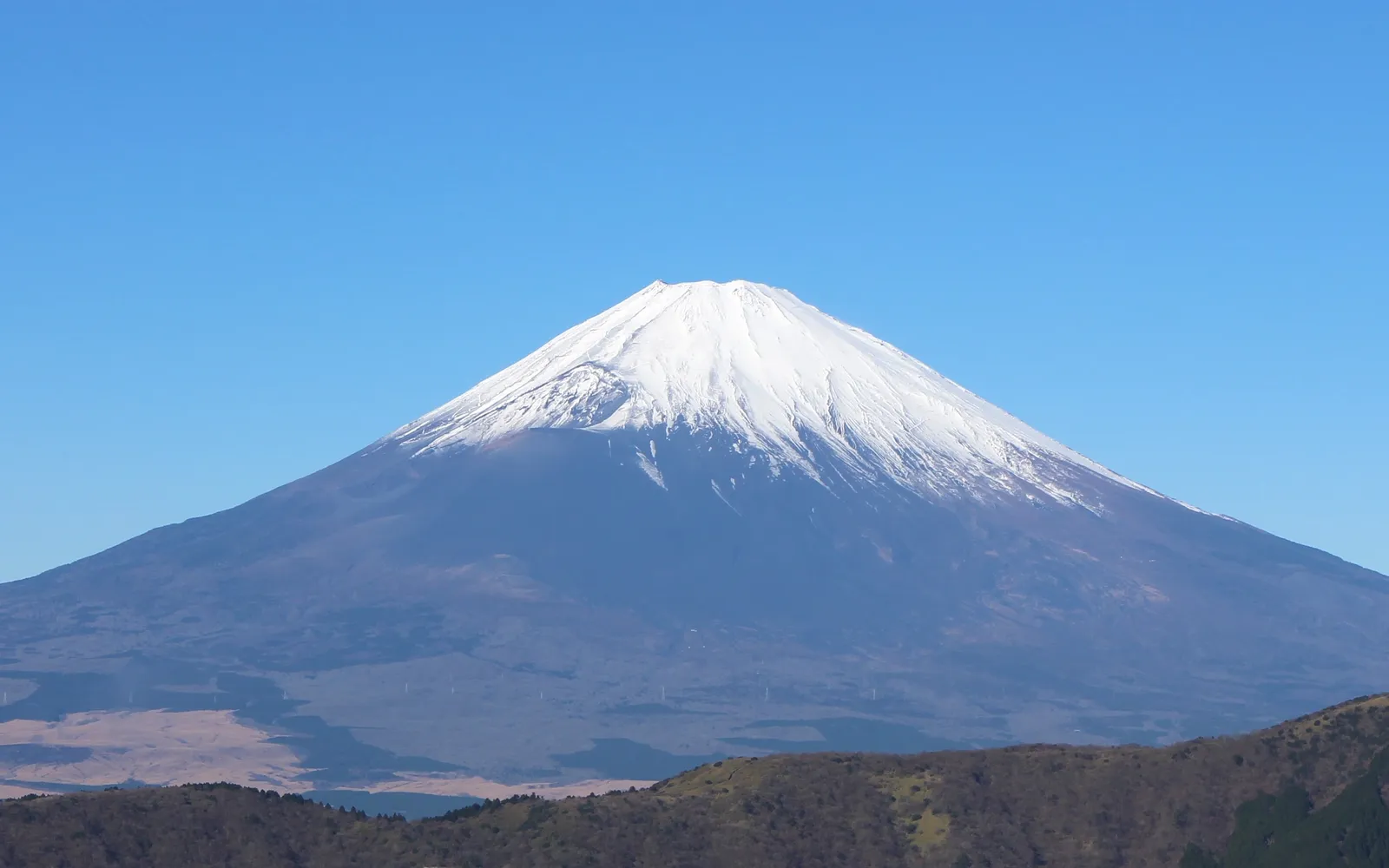
Lake Kawaguchiko is one of the five Fuji Lakes, just 2 hours from Tokyo — and it delivers the sharpest, most varied views of the volcano anywhere in Japan. Whether you're after a red pagoda framed by cherry blossoms, a lavender field beside the water, or a lava tube cave deep underground, every spot here carries a story about a volcano that is still very much alive. Plan at least 2 nights so you can catch a cloud-free Fuji reflection at dawn.
 #1
#1 Chureito Pagoda — Japan's Most Photographed Postcard Shot · Chureito Pagoda
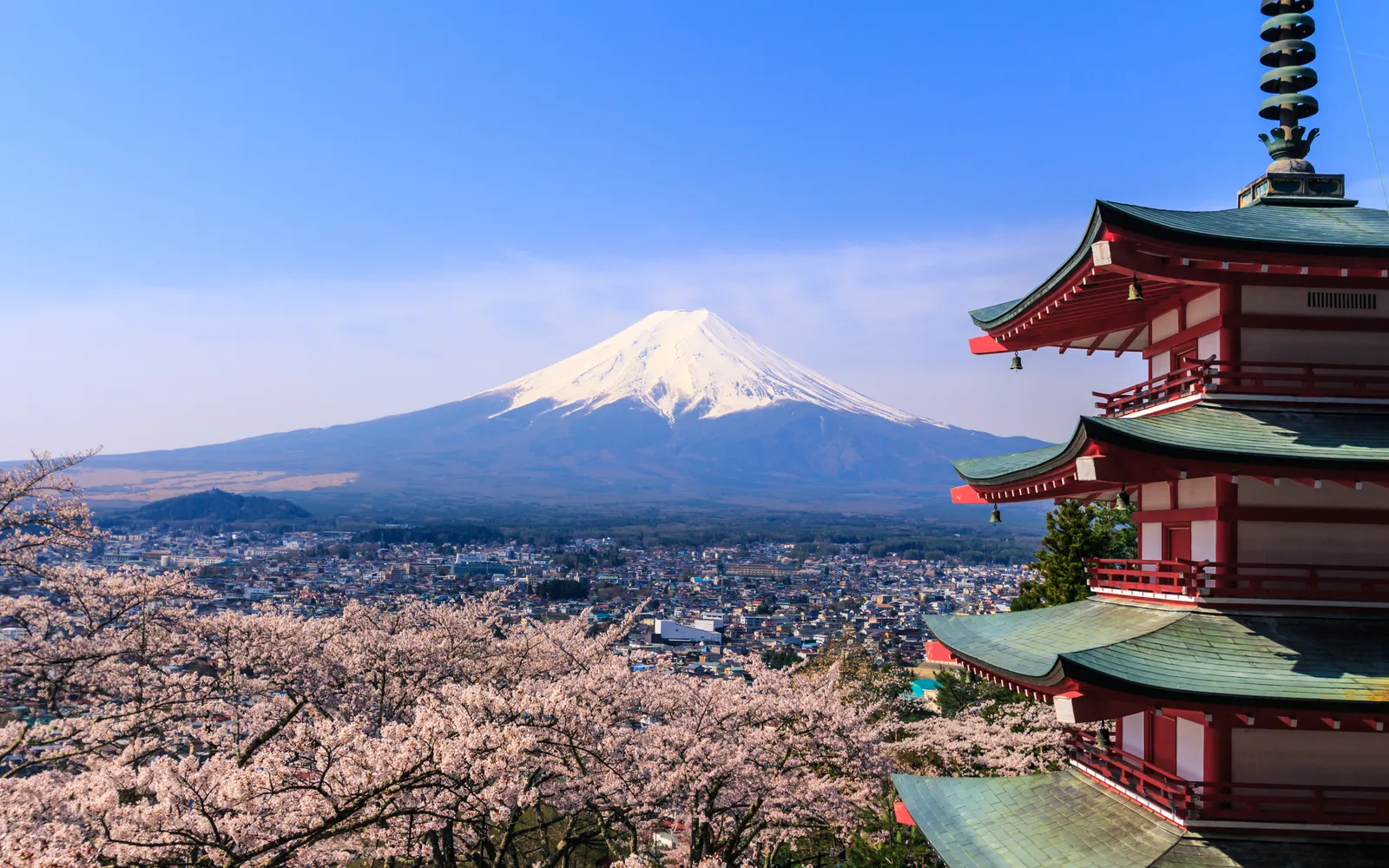
Chureito Pagoda stands 19.5 metres tall, built in 1962 as a memorial to soldiers from Fujiyoshida who died in the war. It sits on the shoulder of Mount Arakura, reached by 398 stone steps — but at the top, Fuji appears above a cloud of pink cherry blossoms and the town rooftops below. It is one of the most replicated photographs in Japan. Admission is free year-round.
- Late March to early April, the cherry blossoms peak alongside Fuji's snow cap — arrive before dawn to beat the photo queue.
- The 398 steps are a genuine climb; wear comfortable shoes and bring water.
- December to February brings the clearest skies and a snow-covered Fuji summit.
 #2
#2 Lake Kawaguchi — The Famous Fuji Mirror · Lake Kawaguchi
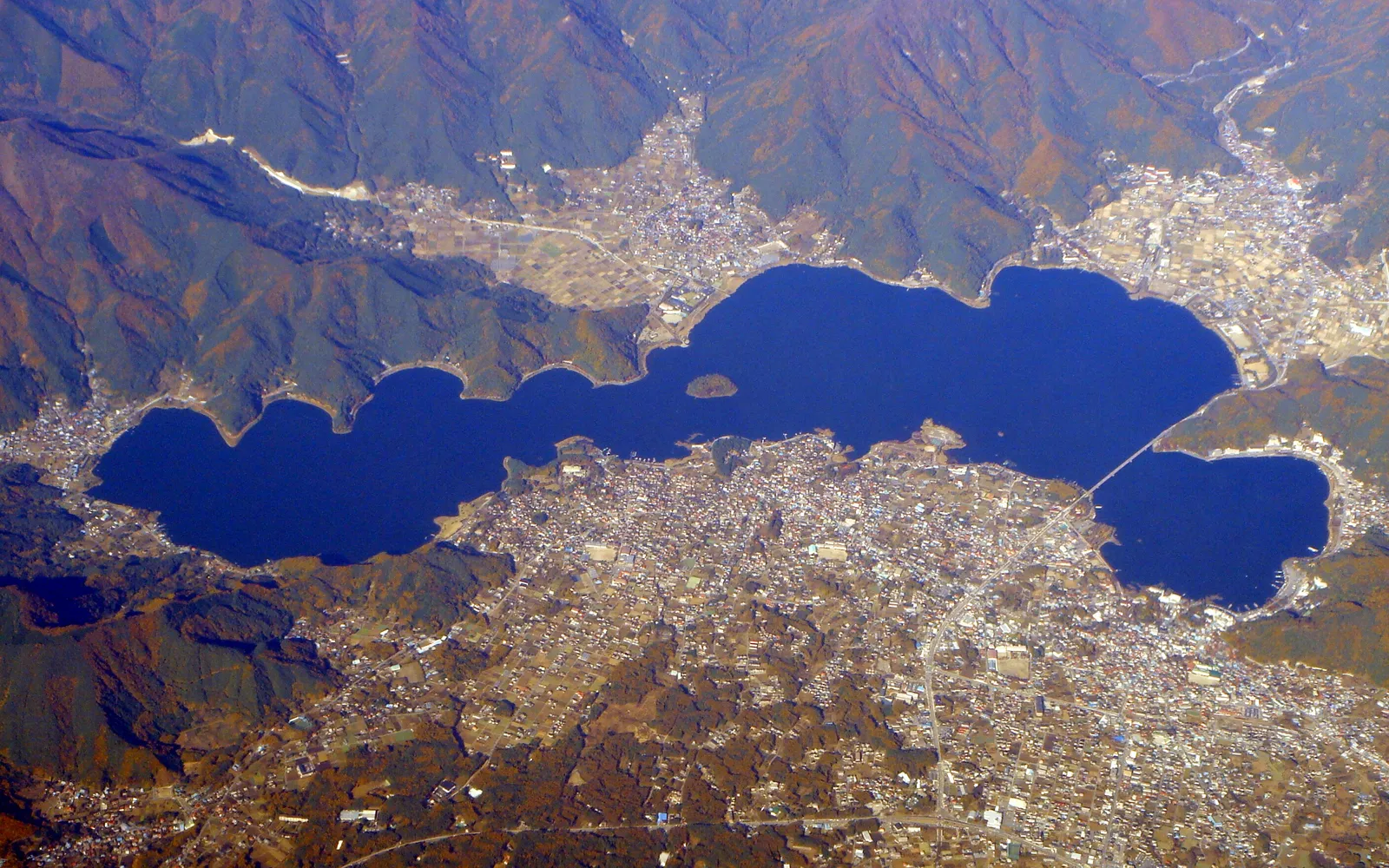
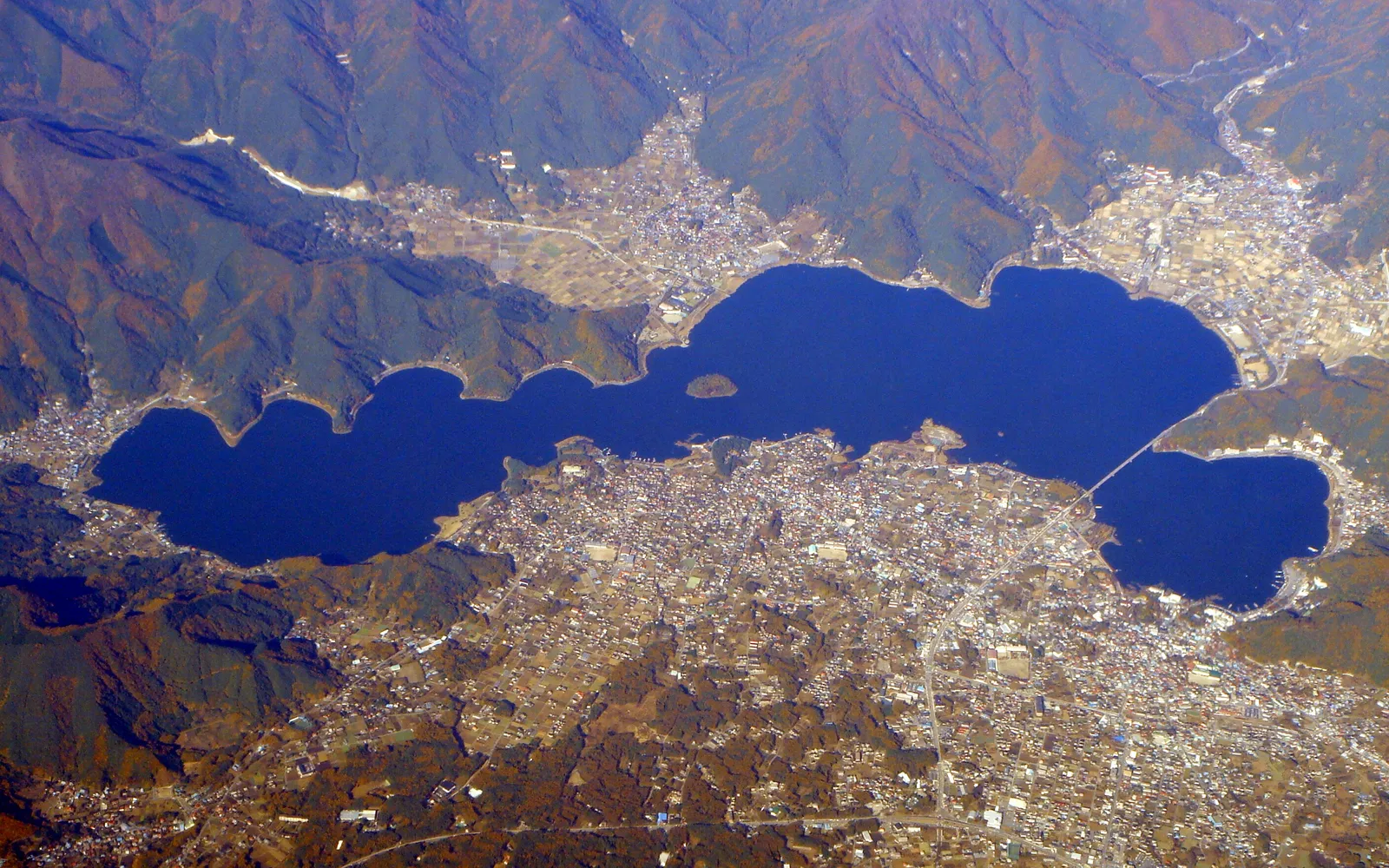
Lake Kawaguchi formed from lava flows when Mount Fuji erupted over a thousand years ago. On calm mornings, the glassy surface reflects an upside-down Fuji — one of Japan's most iconic images. The lake perimeter runs 20 kilometres; rent a bicycle and ride the full circuit in 2 to 3 hours. During cherry blossom season and autumn foliage, the reflections on the water are so vivid that many visitors simply stop and stare.
- The north shore near Kawaguchi-ohashi bridge gives the clearest Fuji reflection in the early morning.
- Electric bicycles are available for rent outside Kawaguchiko Station for around 1,500 yen per day.
- October and November bring autumn colour and sharp Fuji views — the most popular season by far.
 #3
#3 Oishi Park — Lavender Fields by the Lake with Fuji as a Backdrop · Oishi Park
Oishi Park sits on the north shore of the lake and offers an unobstructed Fuji view at all times. The highlight changes by season: purple lavender in June and July, and deep-red Kochia bushes in October. Admission is free year-round. A small cafe on-site sells lavender drinks and seasonal soft-serve. It's an ideal rest stop after cycling around the lake.
- June and July host the Kawaguchiko Herb Festival, with 100,000 lavender plants in bloom.
- Mid-to-late October, the Kochia bushes turn deep red against a snow-dusted Fuji — the park's most striking image.
- Free parking makes this a convenient stop if you're driving from Tokyo.
 #4
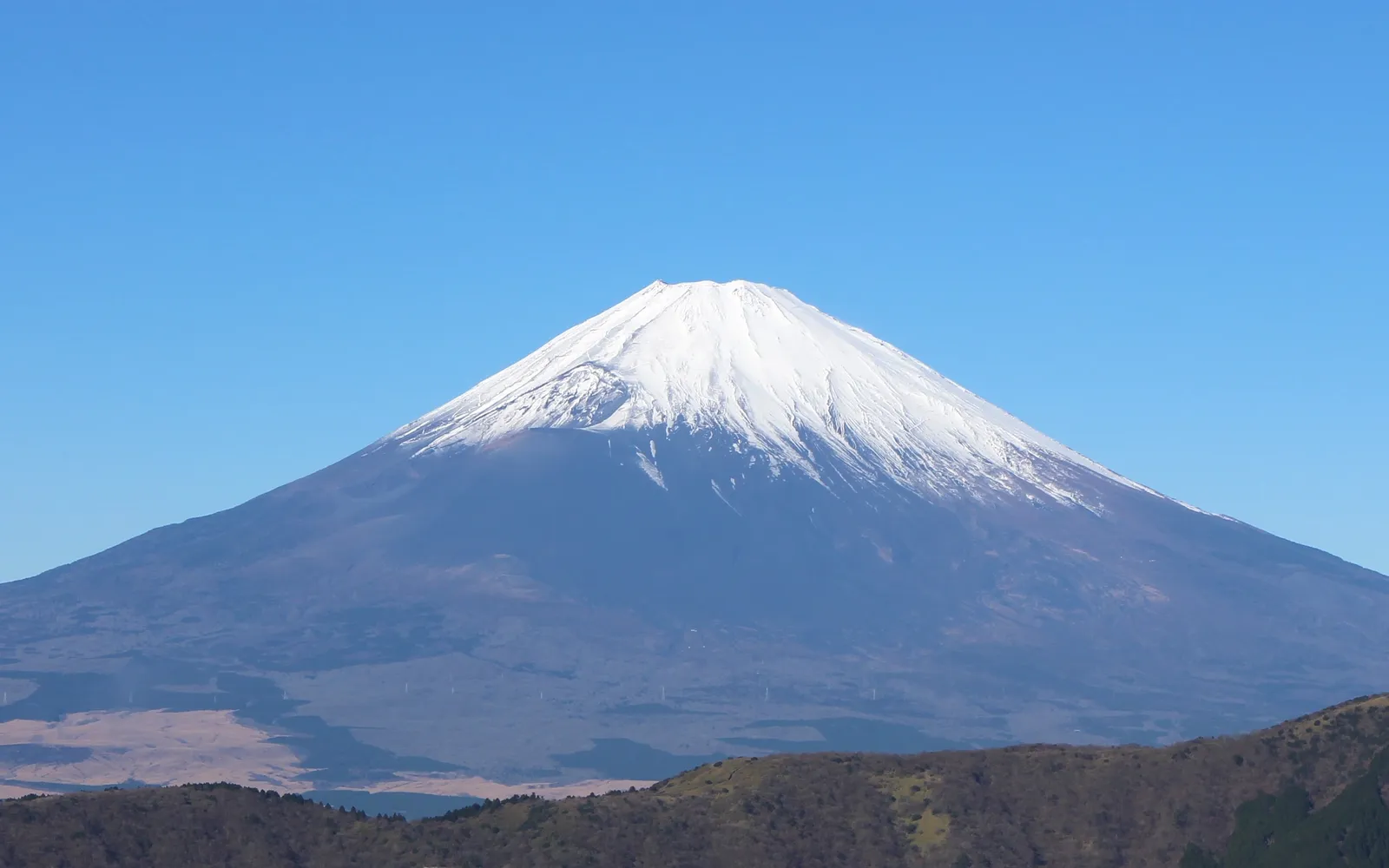
#4 Mount Fuji Panoramic Ropeway — Fuji and the Lake from the Summit of Mount Tenjo · Mount Fuji Panoramic Ropeway
The small cable car carries you to the 1,075-metre summit of Mount Tenjo in just 3 minutes. From the observation deck at the top, you see Fuji and Lake Kawaguchiko together in a full 360-degree view. Return fare is 1,000 yen. Tenjo-yama Park at the summit has a small animal park where you can walk around and photograph chipmunks.
- There is a free observation point behind the upper station — same view, no cable car fare required if you don't mind hiking up.
- Take the cable car up and walk down the forest trail; the descent takes about 40 minutes.
- Morning is clearer than afternoon — cloud cover tends to build later in the day.
 #5
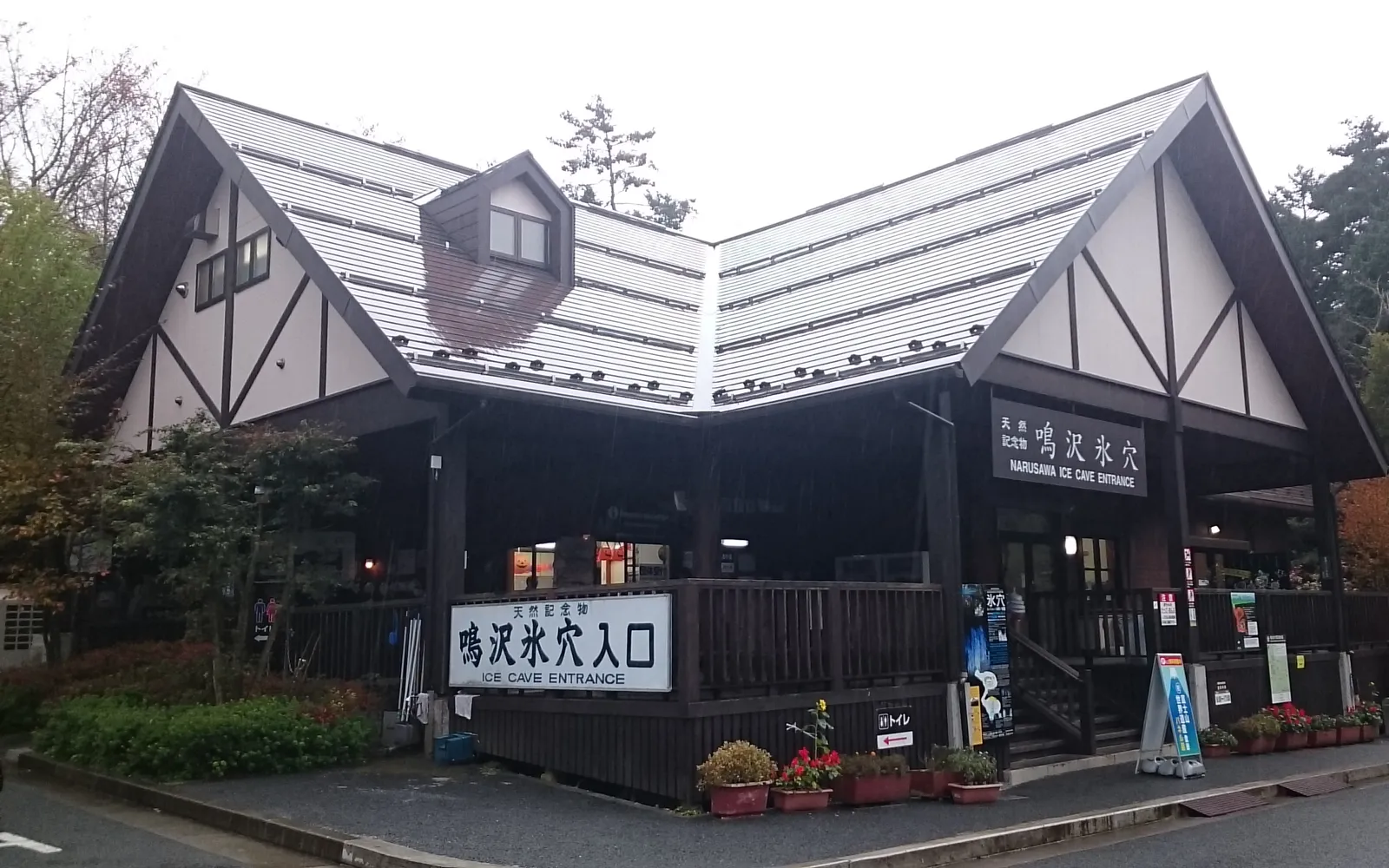
#5 Narusawa Ice Cave — Fuji's Thousand-Year-Old Lava Tube · Narusawa Ice Cave
Narusawa Cave was formed by the lava flow from Fuji's eruption in 864 AD. As the outer lava hardened while the molten interior kept moving, it left an empty tunnel beneath the ground. The temperature inside holds steady at around 3°C year-round, and ice pillars up to 3 metres tall persist even in midsummer. The cave has been designated a Natural Monument of Japan since 1929.
- It is 3°C inside regardless of season — bring a jacket, even in August.
- Ceilings are low in sections; anyone taller than about 170 cm will need to duck.
- Combine this with Fugaku Wind Cave nearby — a combined two-cave ticket is available.
 #6
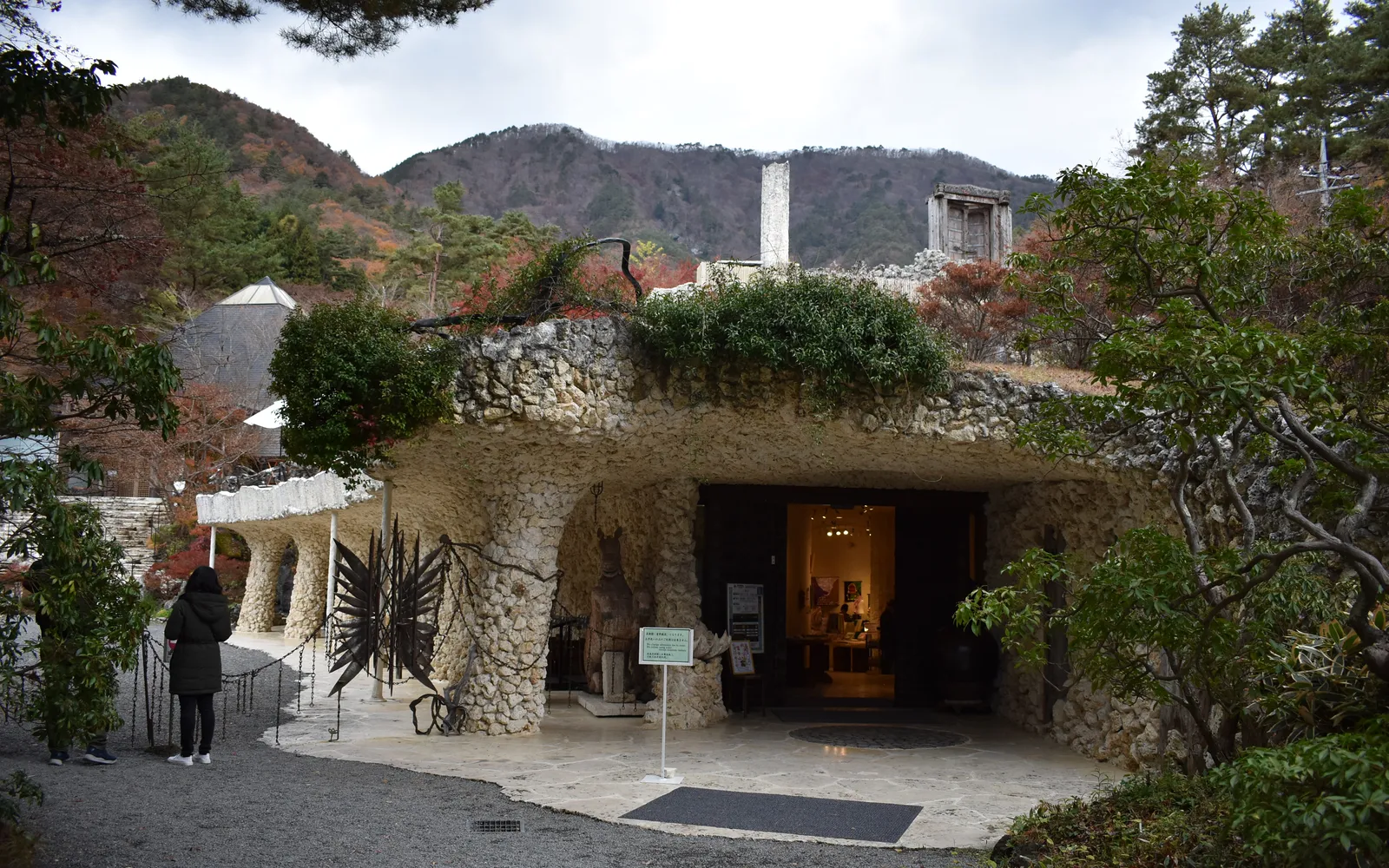
#6 Itchiku Kubota Art Museum — Kimonos That Revived a Lost Muromachi Craft · Itchiku Kubota Art Museum
The museum exhibits the life's work of Itchiku Kubota, a master dye artist who revived the Tsujigahana technique from the Muromachi period that had nearly disappeared. Over 50 years, he created 80 silk kimonos that, arranged together, form a continuous image of Mount Fuji across the four seasons. The museum building was designed by Kubota himself, inspired by Aztec architecture, and is surrounded by a rock garden and small pond.
- Adult admission is 1,300 yen; check the exhibition schedule beforehand as some sections rotate closed.
- The garden outside is at its best during autumn foliage in October and November.
- The gift shop sells postcards and kimono-print textiles that are genuinely good value.
 #7
#7 Kawaguchiko Music Forest Museum — Antique European Organs in a Lakeside Forest · Kawaguchiko Music Forest Museum
The museum houses a collection of antique music boxes, pipe organs, and automatic mechanical instruments from 18th- and 19th-century Europe. The centrepiece is a giant Dance Organ that plays music while miniature figures perform a dance, with shows running every hour. The grounds are laid out in an English garden style — a good fit for families and older visitors. There is a cafe with a lake view on site.
- Dance Organ shows run every hour; check the schedule board at the entrance.
- Adult admission is 1,800 yen, which covers the garden and all performances.
- The lake-view cafe is a pleasant spot to rest before or after the museum.
 #8
#8 Fugaku Wind Cave — The Twin Lava Tube That Stored Silk Eggs in the Edo Period · Fugaku Wind Cave
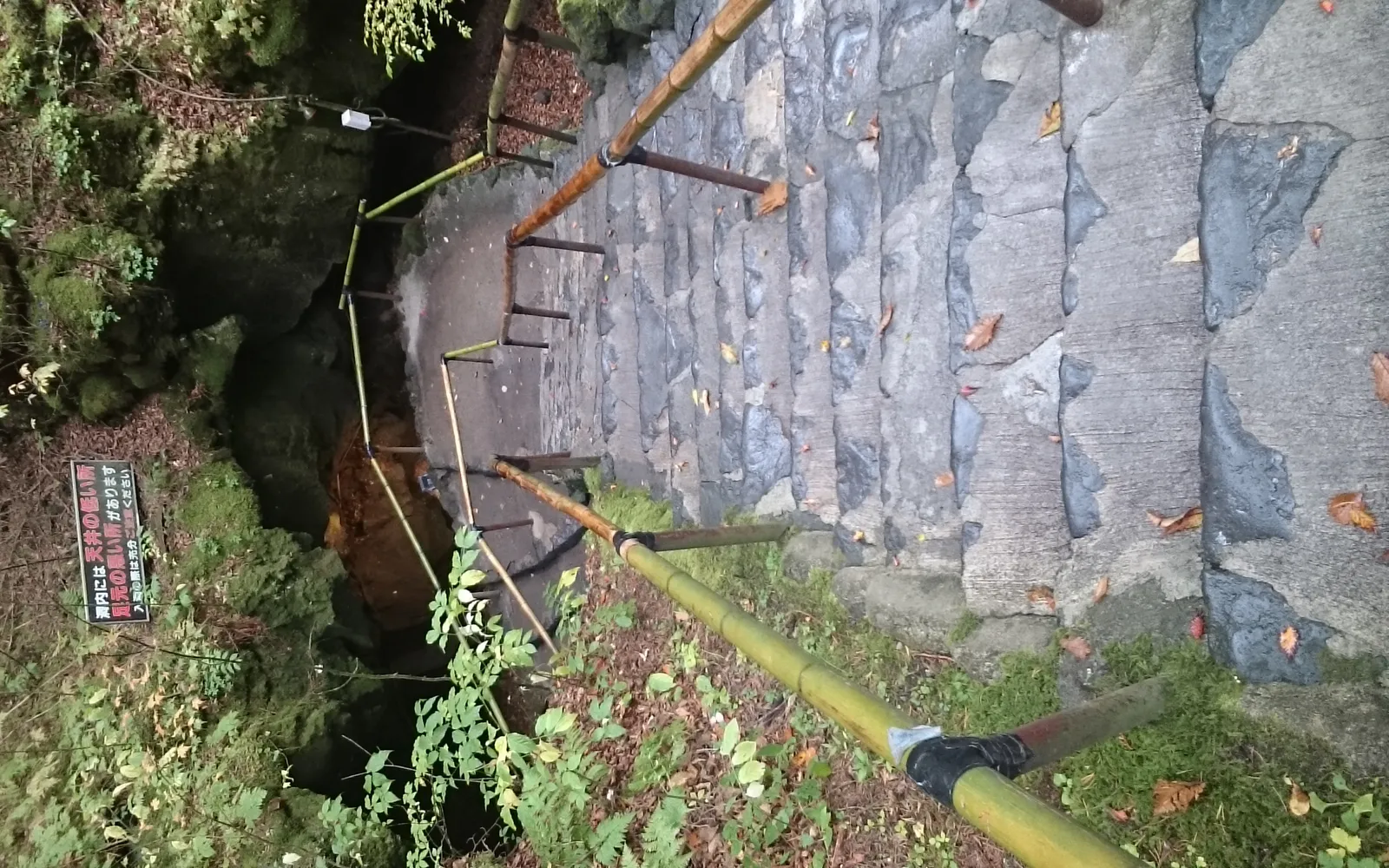
Fugaku Wind Cave stretches 201 metres and was formed by the same 864 AD eruption of Fuji that created Narusawa. Inside, lava rock takes on rope-like formations, and permanent ice patches survive through summer. From the Edo period through to the Meiji era, local residents used the cave to store silkworm eggs and seeds over summer, relying on the year-round stable temperature. It was designated a Natural Monument of Japan in 1929.
- Buy a combined ticket with Narusawa Ice Cave — it is cheaper than paying separately.
- The cave floor is slippery in places; wear shoes with a non-slip sole.
- The cave sits inside Aokigahara forest; stay on the marked paths at all times.
Where to stay in Lake Kawaguchiko for this trip
A well-located hotel means less commuting and more sightseeing. Here are real, top-rated stays in Lake Kawaguchiko — compare Agoda · Booking · Trip.com in one click.
Mizno Hotel
Affiliate links — we may earn a commission at no extra cost to you. Details
Mizno Hotel
Affiliate links — we may earn a commission at no extra cost to you. Details
Rakuyu
Affiliate links — we may earn a commission at no extra cost to you. Details
Hotel Asafuji
Affiliate links — we may earn a commission at no extra cost to you. Details
Tours, tickets & activities in Lake Kawaguchiko
Day tours, attraction tickets and travel essentials for Lake Kawaguchiko — book ahead on Klook with mobile e-tickets.
Affiliate links — we may earn a commission at no extra cost to you.
Before You Pack
Kawaguchiko is at its best on a clear, cool day when you arrive before 8 a.m. — the earlier you get there, the higher your chances of catching Fuji reflected perfectly in the lake. Whether you visit during cherry blossom season or autumn colour, this area has never disappointed.