
Eating on Koh Samui means Gulf of Thailand seafood pulled from the water that morning hitting Southern Thai spice that you genuinely cannot get anywhere else in the country. Fishing boats go out every day — prawns, clams, crab, squid, and a dozen fish species land at the morning market and turn into beachside dinners by sunset. Beyond the seafood, Southern curries like khua kling and kaeng som are the reason to eat here, not the tourist strip. Come hungry and work through the full list.
 #1
#1 Fresh Beachside Seafood — the Real Koh Samui · Fresh Seafood
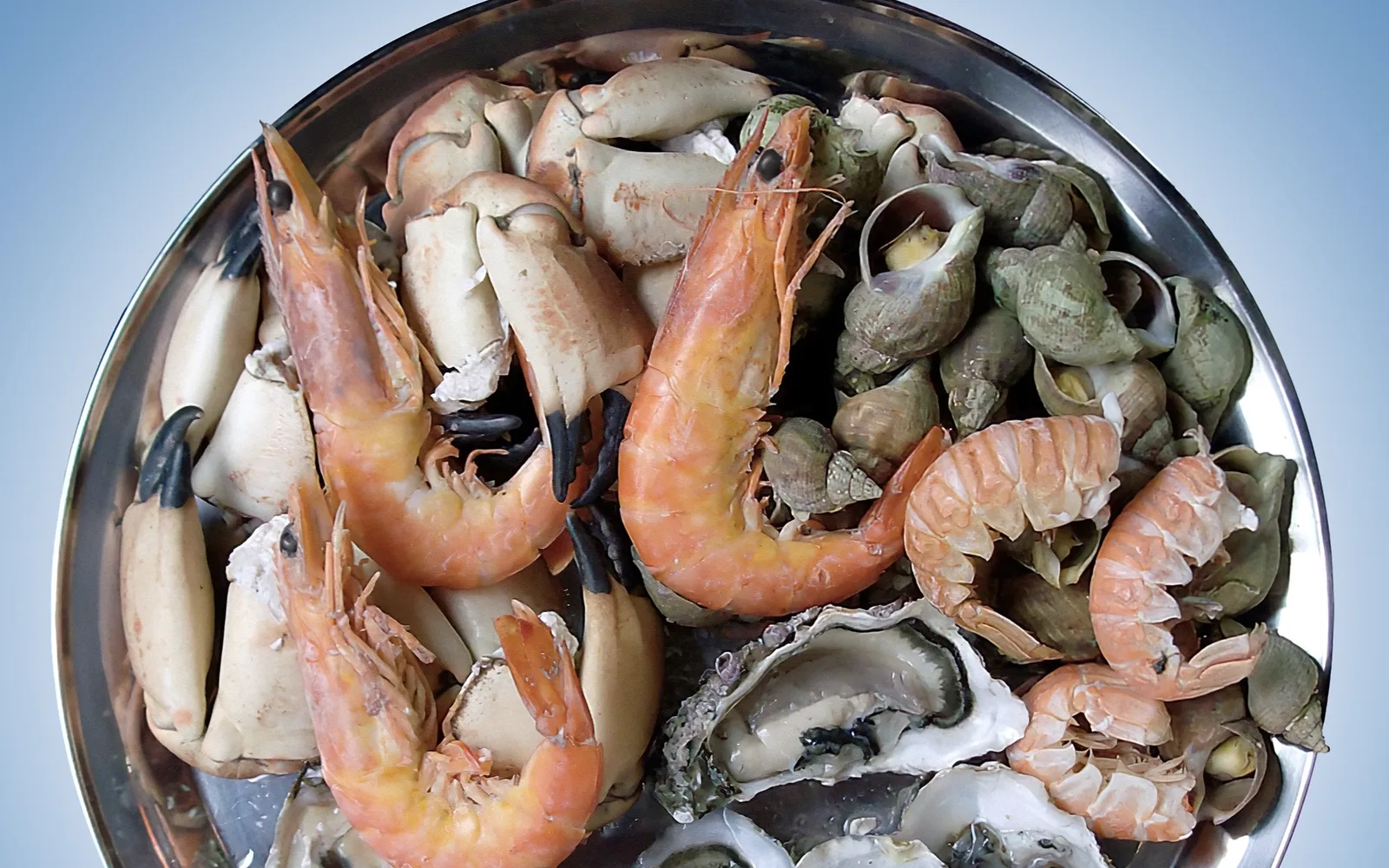
The heart of eating on Koh Samui is seafood landed from the Gulf of Thailand every morning. Lobster, blue crab, mussels, scallops, squid, and a wide range of sea fish sit on ice out front — you pick what you want from the display and tell the kitchen how you'd like it cooked. Popular orders include yellow curry crab, salt-grilled prawns, crispy fried clams, and fish sauce-glazed fried fish. Beachside restaurants open in the evening; candlelit dinners on the sand are romantic and considerably cheaper than you'd expect.
- Pick restaurants that display seafood on fresh ice out front — no off-smell is the best freshness test.
- Negotiate price per kilo for live seafood, especially if you're ordering multiple items.
- Ban Tai Fish Market (early morning) has the cheapest, freshest catch on the island — good for buying to cook back at your resort.
 #2
#2 Khua Kling — Southern Dry Curry · Khua Kling — Southern Dry Curry
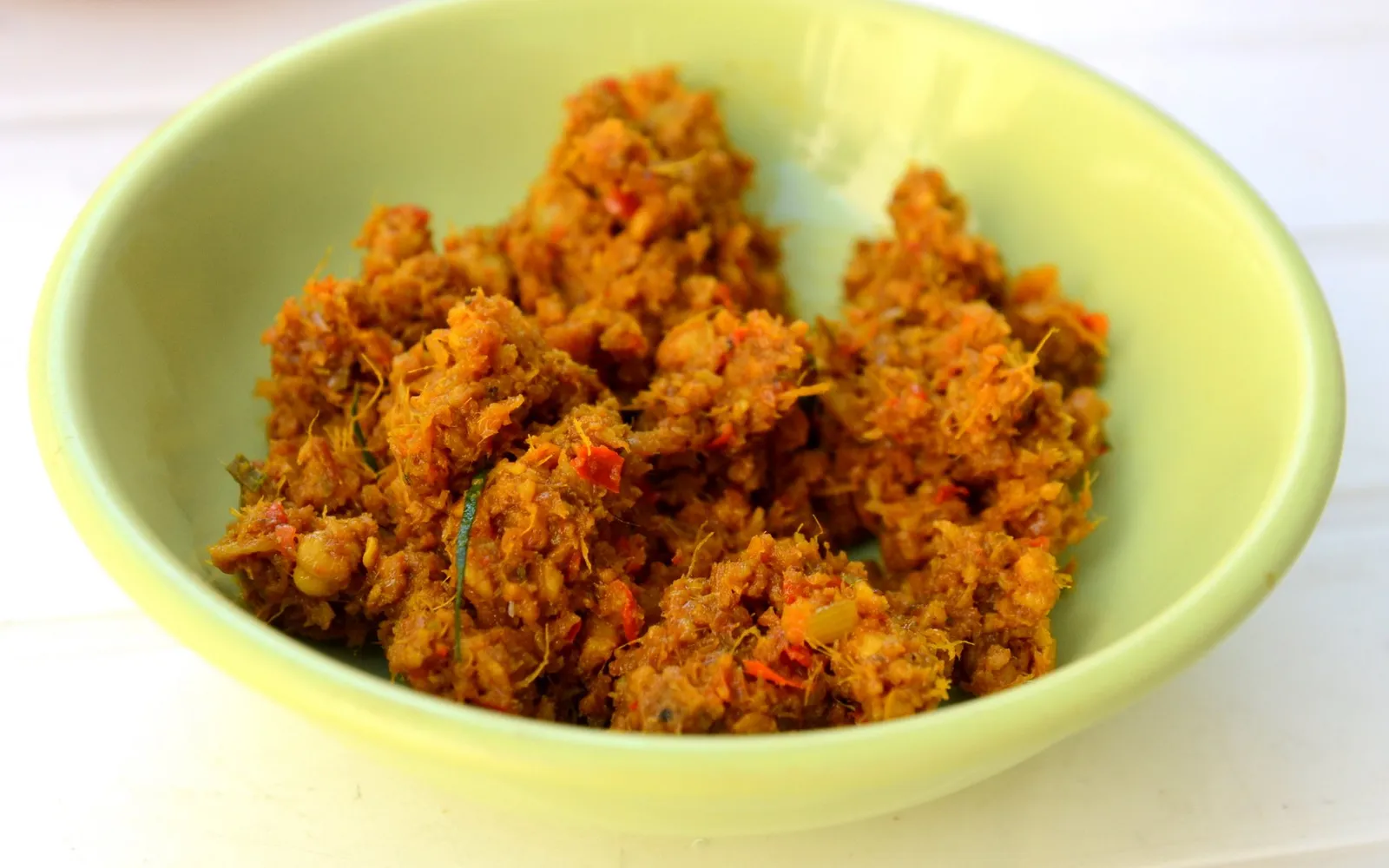
The most intense and fiery dry curry in Southern Thai cooking. Khua kling uses coarsely minced pork or beef stir-fried completely dry with a Southern-style curry paste built on large quantities of dried bird's eye chillies, lemongrass, galangal, krachai (wild ginger), and kaffir lime leaves. The result is deep, bold, and searingly spicy — balanced by the herbs rather than softened by coconut milk, which is absent entirely. Eaten with steamed jasmine rice, it is the most authentic taste of Southern Thai home cooking you'll find on Koh Samui.
- Tell the kitchen 'phet noi' (less spicy) if you're heat-sensitive — the traditional recipe is very hot.
- Pork khua kling is milder than beef; a better entry point if you're new to Southern food.
- Local rice-and-curry shops in the Na Thon district (Koh Samui's old town) make more authentic versions than tourist-facing restaurants.
 #3
#3 Kaeng Som — Southern Sour Curry · Kaeng Som — Southern Sour Curry
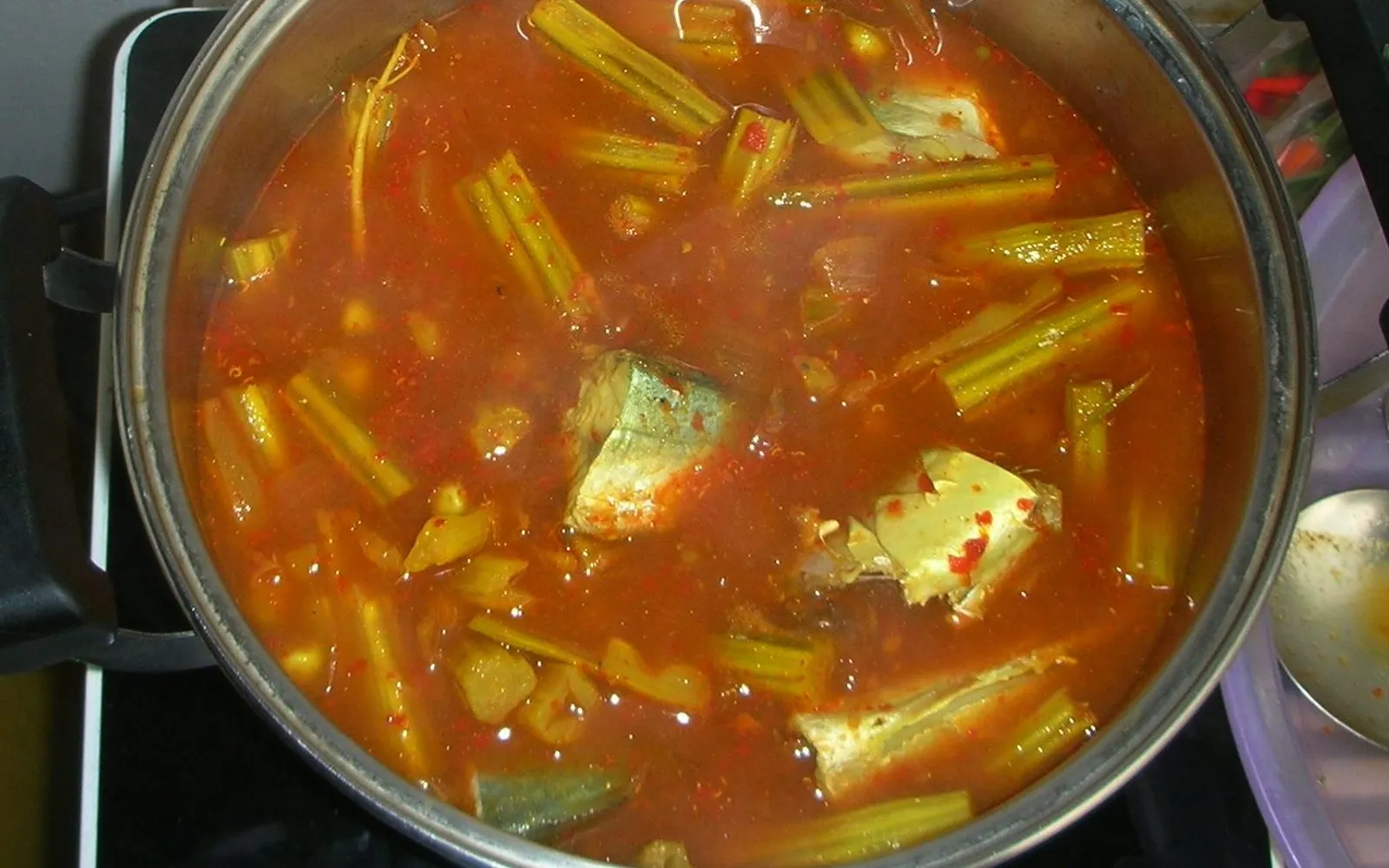
A sharply sour, hot curry that has almost nothing in common with the central Thai version of the same name. The Southern recipe uses generous fresh turmeric — turning the broth a deep orange-yellow — blended with dried bird's eye chillies, fresh shrimp paste, and tamarind for a piercing tartness. Fresh fish from Koh Samui's waters goes in: typically sea bass, snakehead fish, or river prawns. Some shops add cha-om (acacia leaves) and a fried egg. Served with steamed rice, it's an everyday staple for Southern Thais and nowhere else does it quite like this.
- Southern kaeng som is significantly spicier and sourer than Bangkok versions — taste before adding more.
- Choose shops that make it fresh daily; a vivid orange broth means fresh turmeric was used, not dried powder.
- Eat it alongside fried fish or blanched vegetables dipped in sauce, the Southern way — the contrast works very well.
 #4
#4 Tom Yum Goong — Spicy Prawn Soup · Tom Yum Goong — Spicy Prawn Soup
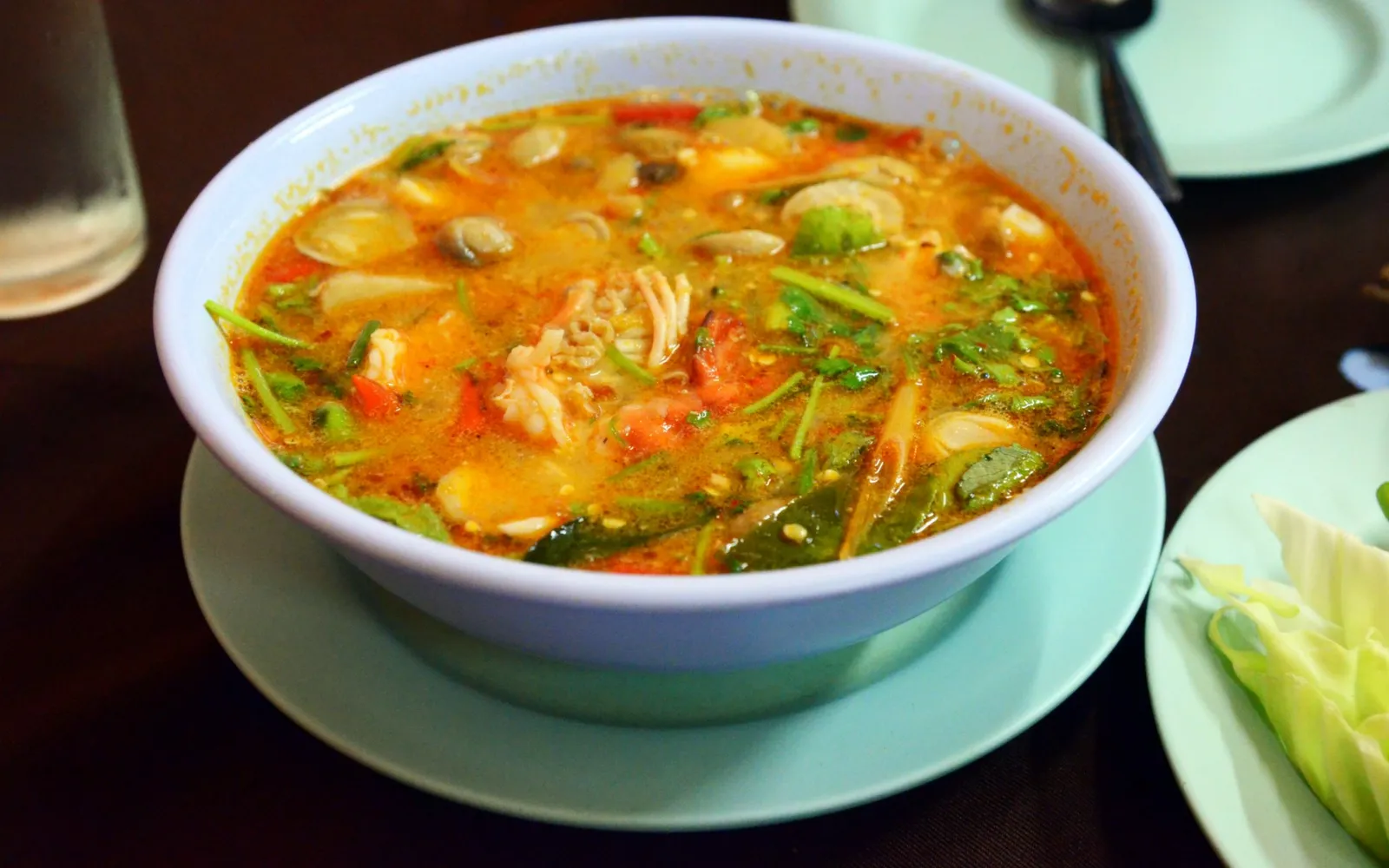
Thailand's most internationally recognised soup is especially good on Koh Samui because it's made with fresh Gulf prawns — not frozen imports. The traditional broth uses lemongrass, kaffir lime leaves, galangal, fish sauce, fresh lime juice, and fresh chillies for a sharp, herbal heat with real sourness underneath. The creamy variation (tom yum nam khon) adds roasted chilli paste for a rounder, fuller flavour. On Koh Samui you'll often find lobster or large white sea prawns in the pot, and the natural sweetness of truly fresh shellfish changes the soup entirely compared to versions made elsewhere.
- Specify 'fresh prawns' when ordering — good restaurants use same-day local catch, not frozen imported shrimp.
- Tom yum nam khon (creamy) gives a rounder flavour; tom yum nam sai (clear) lets the herbs shine — order based on preference.
- Beachside seafood restaurants often make the best version because their prawns come from the morning fish market daily.
 #5
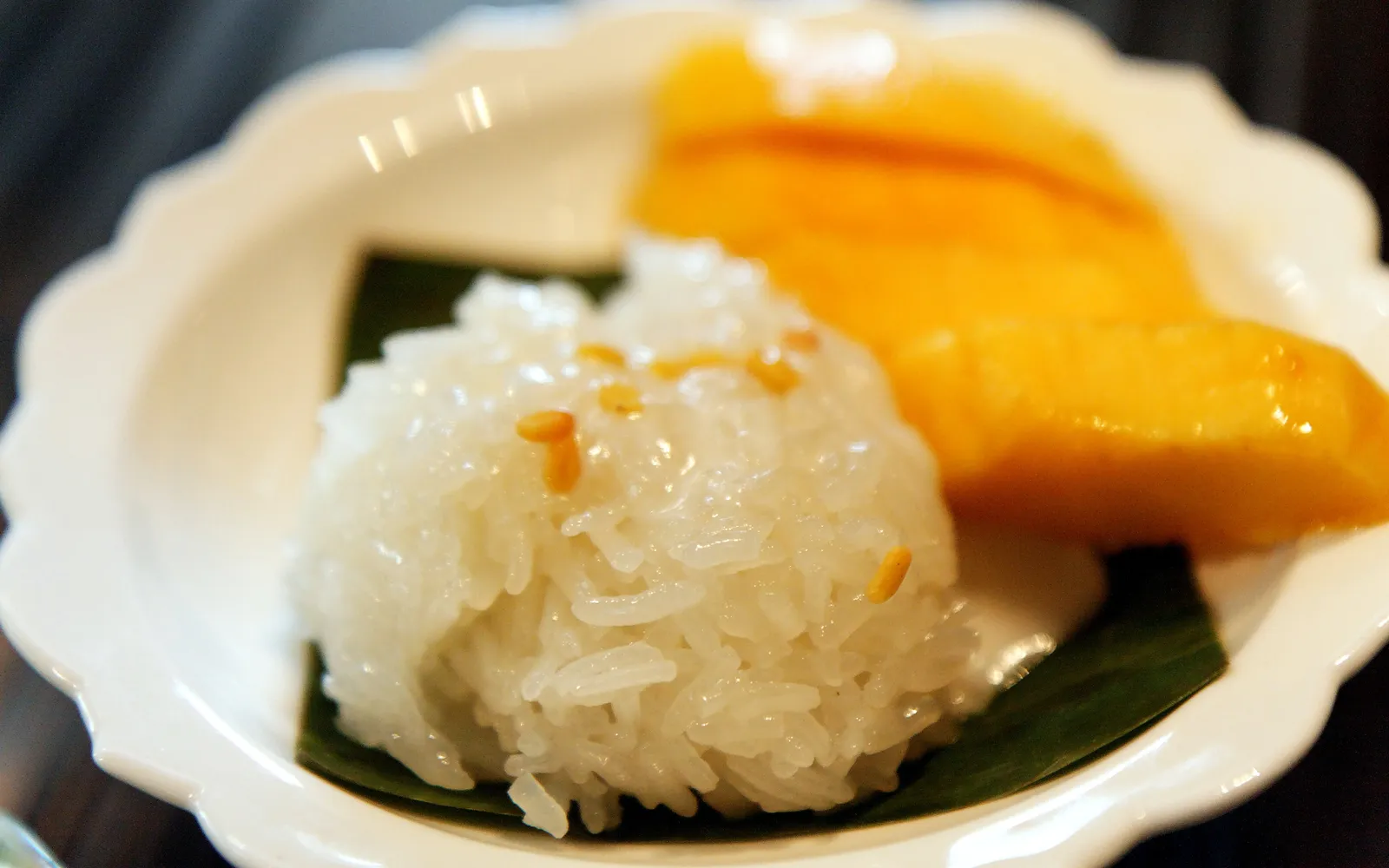
#5 Mango Sticky Rice — Exceptionally Good on Koh Samui · Mango Sticky Rice
This globally loved Thai dessert is particularly good on Koh Samui because nam dok mai mangoes grown in Surat Thani and the surrounding South have a distinctively sweet, juicy character. The sticky rice is steamed and finished with freshly pressed coconut cream and palm sugar for a rich, sweet flavour. It's served alongside sliced ripe mango, drizzled with thick salted coconut cream for balance. Some shops on Koh Samui add toasted white sesame seeds and pandan leaf, which lift the dish noticeably above the standard.
- Mango season in the South runs April through June — that's when the flavour is at its best.
- Dessert stalls at Bo Phut Market and Na Thon Market make fresh mango sticky rice every morning at lower prices than tourist restaurants.
- Try it alongside fresh coconut water from a Koh Samui coconut — the combination is very well matched.
 #6
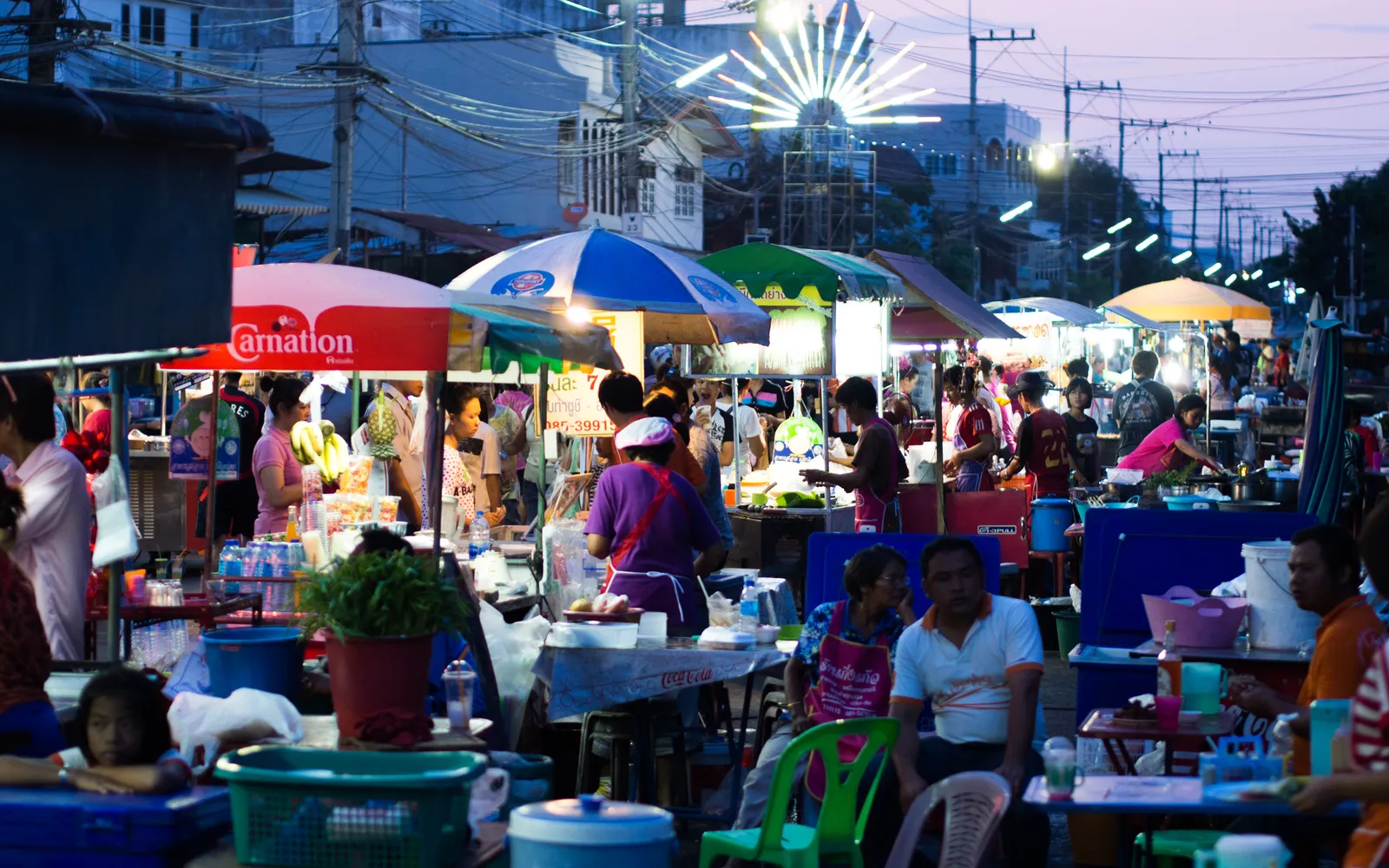
#6 Night Market Street Food — Authentic Samui Flavours After Dark · Night Market Street Food
The night markets on Koh Samui offer the best and cheapest eating experience on the island. Alongside distinctly Southern Thai dishes — khao yam (herb rice salad), grilled pork, freshly made roti, banana-stuffed pa thong ko (Chinese doughnuts), and charcoal-grilled fresh seafood — you'll find local desserts like khanom krok (coconut pancakes) and bua loi (glutinous rice dumplings in coconut milk). Bo Phut Walking Street on Friday nights is the most celebrated on the island; Lamai Market runs daily and works well for travelers who want a real look at how Samui locals actually eat.
- Bo Phut Friday market (5 pm – 11 pm) has live music, souvenirs, and the widest food selection.
- Try khao yam — Southern herb rice with fermented shrimp paste and budu fish sauce dressing. A local staple with a flavour profile you won't find outside the South.
- Na Thon and Mae Nam markets are the cheapest on the island; the clientele is almost entirely local.
Where to stay in Koh Samui for this trip
A well-located hotel means less commuting and more sightseeing. Here are real, top-rated stays in Koh Samui — compare Agoda · Booking · Trip.com in one click.
Four Seasons Resort Koh Samui
Affiliate links — we may earn a commission at no extra cost to you. Details
Six Senses Samui
Affiliate links — we may earn a commission at no extra cost to you. Details
Vana Belle, a Luxury Collection Resort, Koh Samui
Affiliate links — we may earn a commission at no extra cost to you. Details
Anantara Bophut Koh Samui Resort
Affiliate links — we may earn a commission at no extra cost to you. Details
Tours, tickets & activities in Koh Samui
Day tours, attraction tickets and travel essentials for Ko Samui — book ahead on Klook with mobile e-tickets.
Affiliate links — we may earn a commission at no extra cost to you.
Before You Pack
Koh Samui's food markets are spread across the island — Chaweng Beach Market, Lamai Market, Bo Phut Walking Street, and Na Thon Market each have their own strengths. The best approach is to walk and ask locals what came in fresh that day, because the best seafood here is the one that just came off the boat, not the most expensive item on a tourist menu.