
Kumamoto is one of Kyushu's most distinctive prefectures for local food. It accounts for 40% of Japan's entire horse meat supply — the basis of basashi, raw horse sashimi — and its ramen is set apart by a tonkotsu-chicken broth finished with black garlic oil that hits differently from anything in Fukuoka or Hakata. Many of these dishes trace back to the samurai era, with recipes handed down over hundreds of years, so every meal here doubles as a cultural history lesson.
 #1
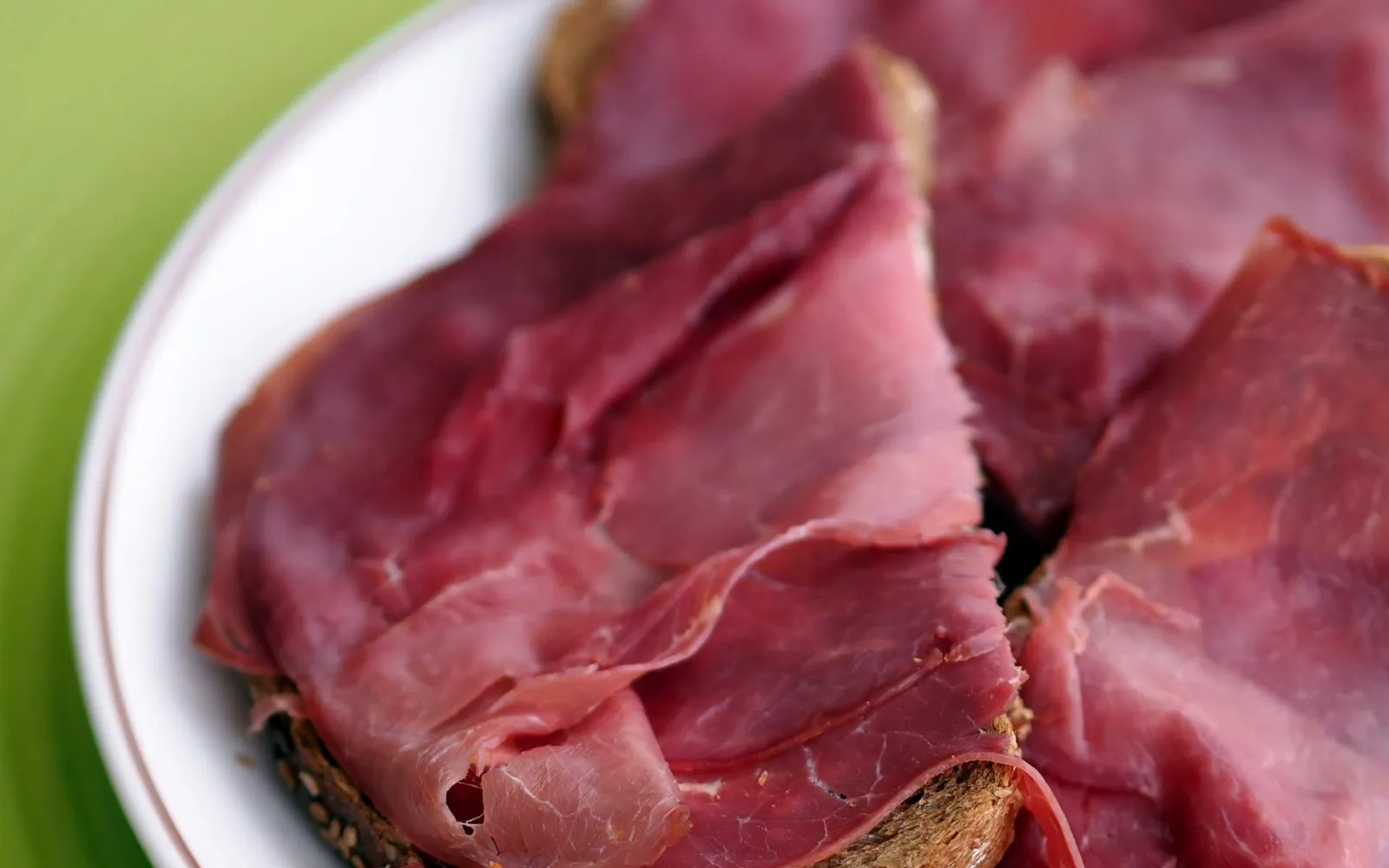
#1 Basashi (Horse Meat Sashimi) · Basashi (Horse Meat Sashimi)
Basashi is Kumamoto's signature dish — raw horse meat sliced thin like fish sashimi, served with spring onions, shredded ginger, and the sweeter Kyushu-style soy sauce. Legend traces it to General Kato Kiyomasa, who reportedly began eating war horses during a campaign in Korea when food ran short and discovered the meat was genuinely good. Fresh horse meat has a mild, slightly sweet flavour with no gaminess, and the texture is noticeably softer than beef — a good first choice for anyone trying it.
- Well-regarded basashi spots include Sakuranobana and Uma Ya inside the Shinshigai arcade.
- Most orders come with several cuts — lean red meat, fatty cuts, and rolled slices — each with a distinct taste.
- Pairing it with Kumamoto shochu (local distilled spirit) is the classic combination.
 #2
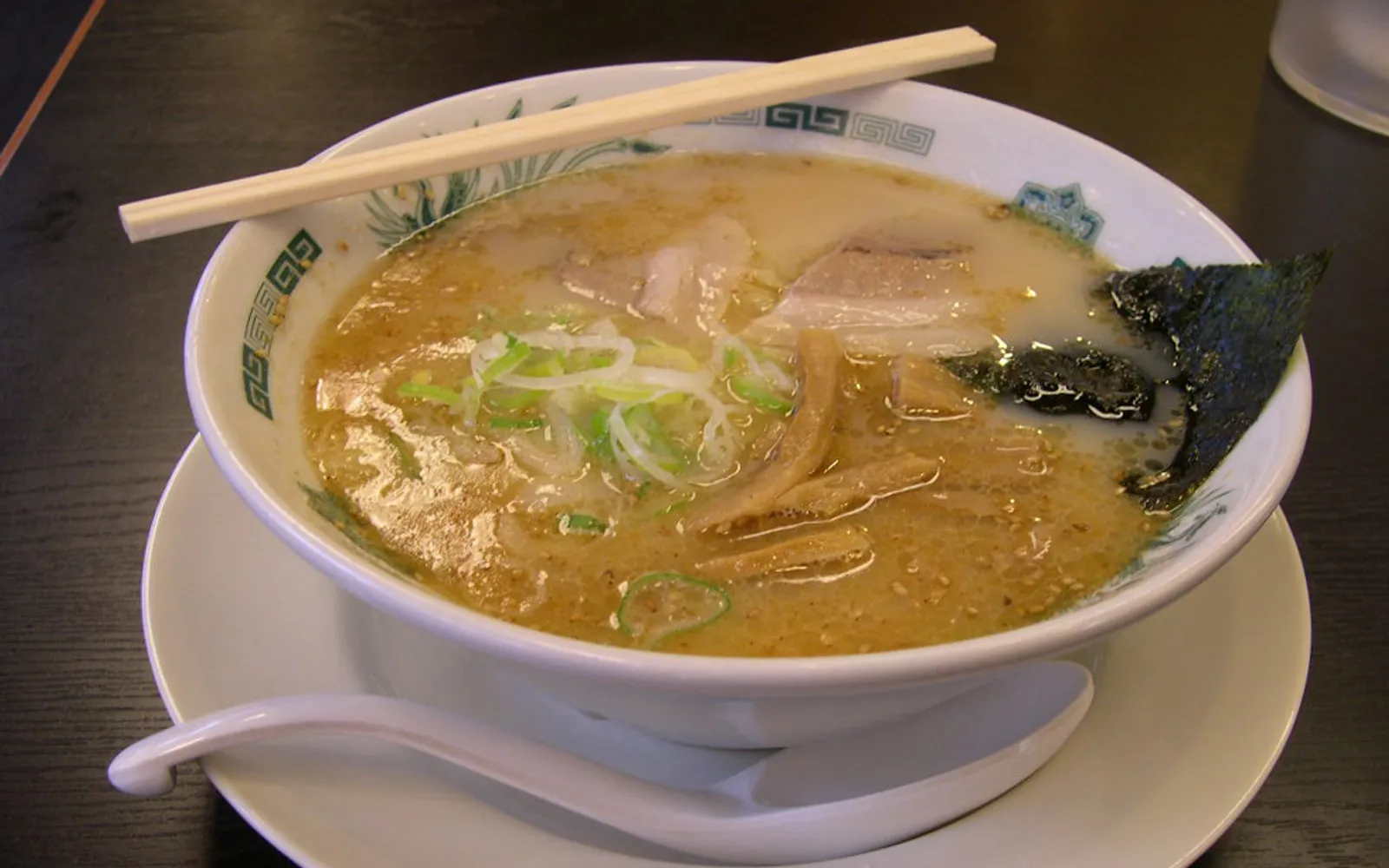
#2 Kumamoto Ramen · Kumamoto Ramen
Kumamoto ramen stands apart from every other regional bowl in Japan. The broth blends tonkotsu (pork bone) with chicken stock for a rounded depth that stops short of being heavy — then the defining move: <strong>ma-yu</strong>, black garlic oil that's been slow-fried until fragrant and slightly crisp. The style emerged in the 1950s when three separate entrepreneurs developed their own closely held recipes, and what they created became the city's defining food identity.
- Komurasaki and the original Ajisen Ramen branch are considered essential stops.
- Order ninniku (extra garlic) if you want the aroma pushed to its limit.
- Eat immediately — the noodles absorb broth quickly and go soft.
 #3
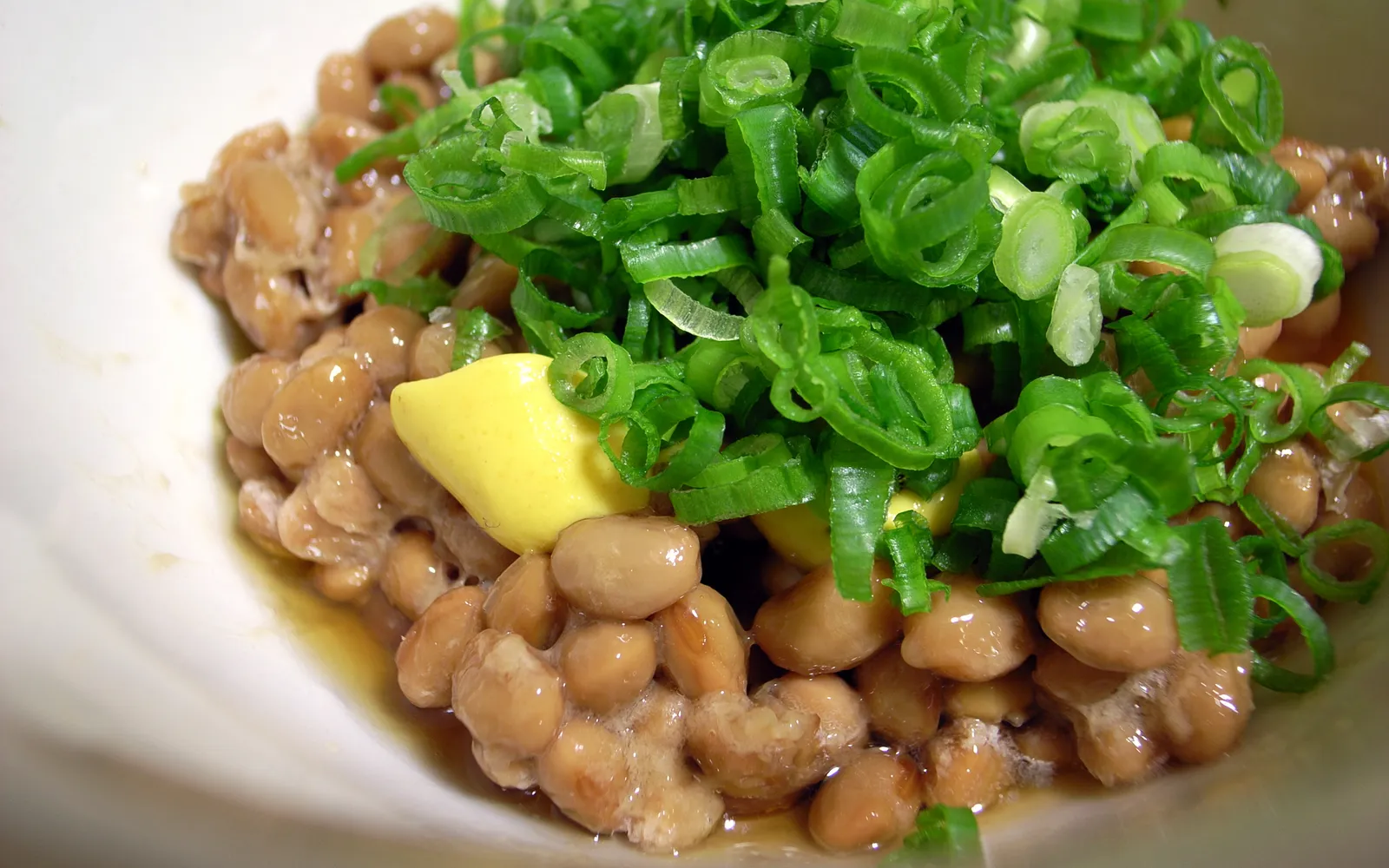
#3 Karashi Renkon (Mustard Lotus Root) · Karashi Renkon
A Kumamoto original with more than 390 years of history. Fresh lotus root is packed with a filling of miso mixed with hot Japanese mustard, then coated in a golden egg-yolk batter and deep-fried until the outside is crisp and the inside stays tender. Sliced into rounds, each cross-section reveals the lotus tunnels filled with vivid yellow mustard miso. The origin story: monks at Rahanji temple created the recipe to strengthen the ailing lord Hosokawa Tadatoshi. Because the cross-section resembles the Hosokawa family crest, the recipe was kept secret until the Meiji era.
- Vacuum-packed versions are sold as souvenirs at castle-area shops and the airport.
- The mustard heat is assertive — take a small bite first if you're sensitive to spice.
- Best eaten hot straight from the fryer; the fresh-fried version is notably better than pre-packaged.
 #4
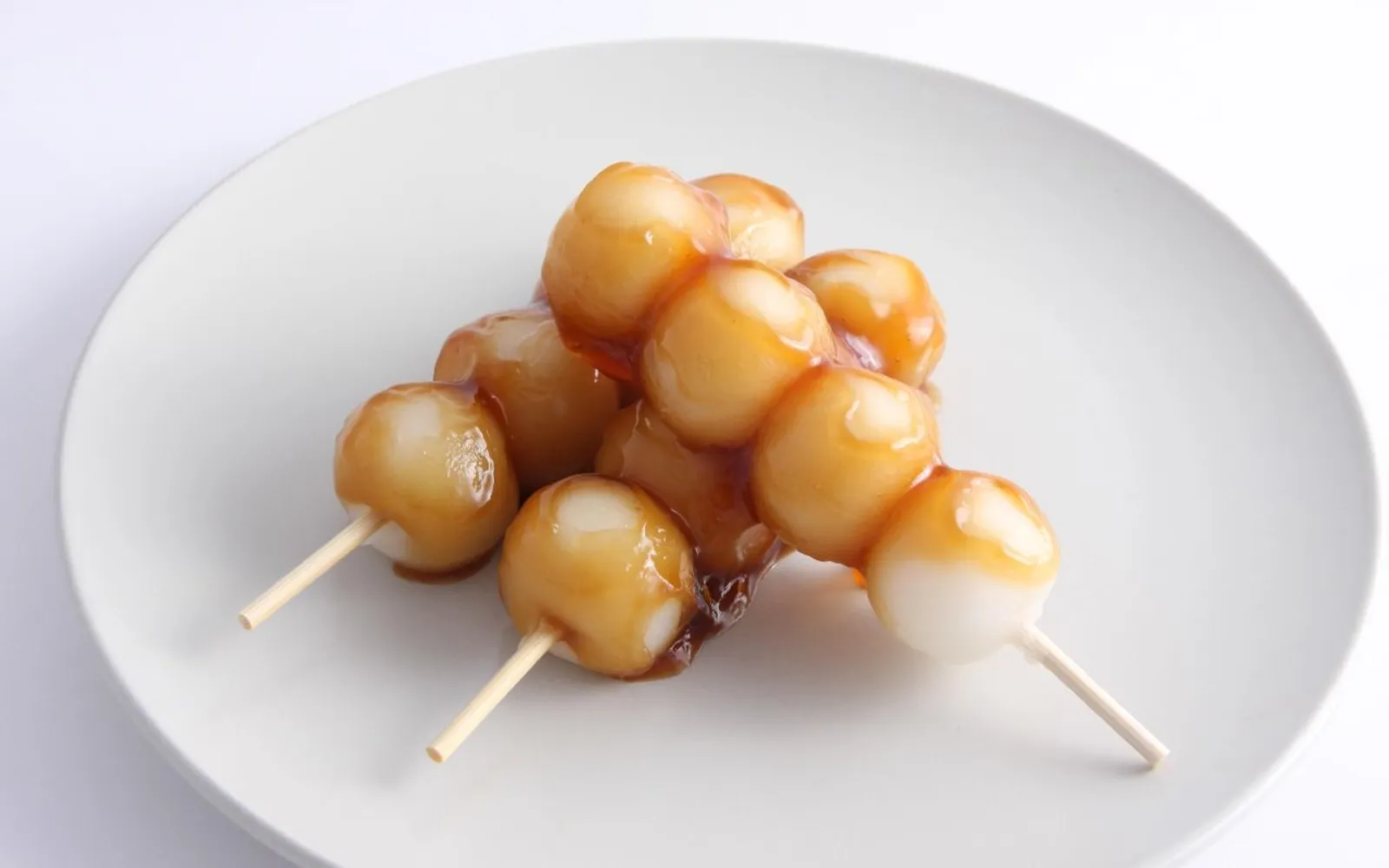
#4 Ikinari Dango (Sweet Taro Dumpling) · Ikinari Dango
One of Kumamoto's three canonical souvenirs, ikinari dango is a sweet taro cake layered with sweetened red bean paste, wrapped in glutinous rice dough, and steamed. The name means "immediately" in the local dialect, reflecting how quickly the snack came together. Today's version typically uses Kyushu purple taro for its appealing colour. The flavour is gentle and lightly sweet — easy to eat as a mid-sightseeing snack, and a meaningful gift for anyone who cares about regional Japanese sweets.
- Ikinariya Watanabe near Suizenji Garden is the best-known traditional shop.
- Buy the steamed-to-order version and eat it on the spot — it's at its best fresh and warm.
- Several flavour variations exist: white bean, chestnut, matcha. Try more than one.
 #5
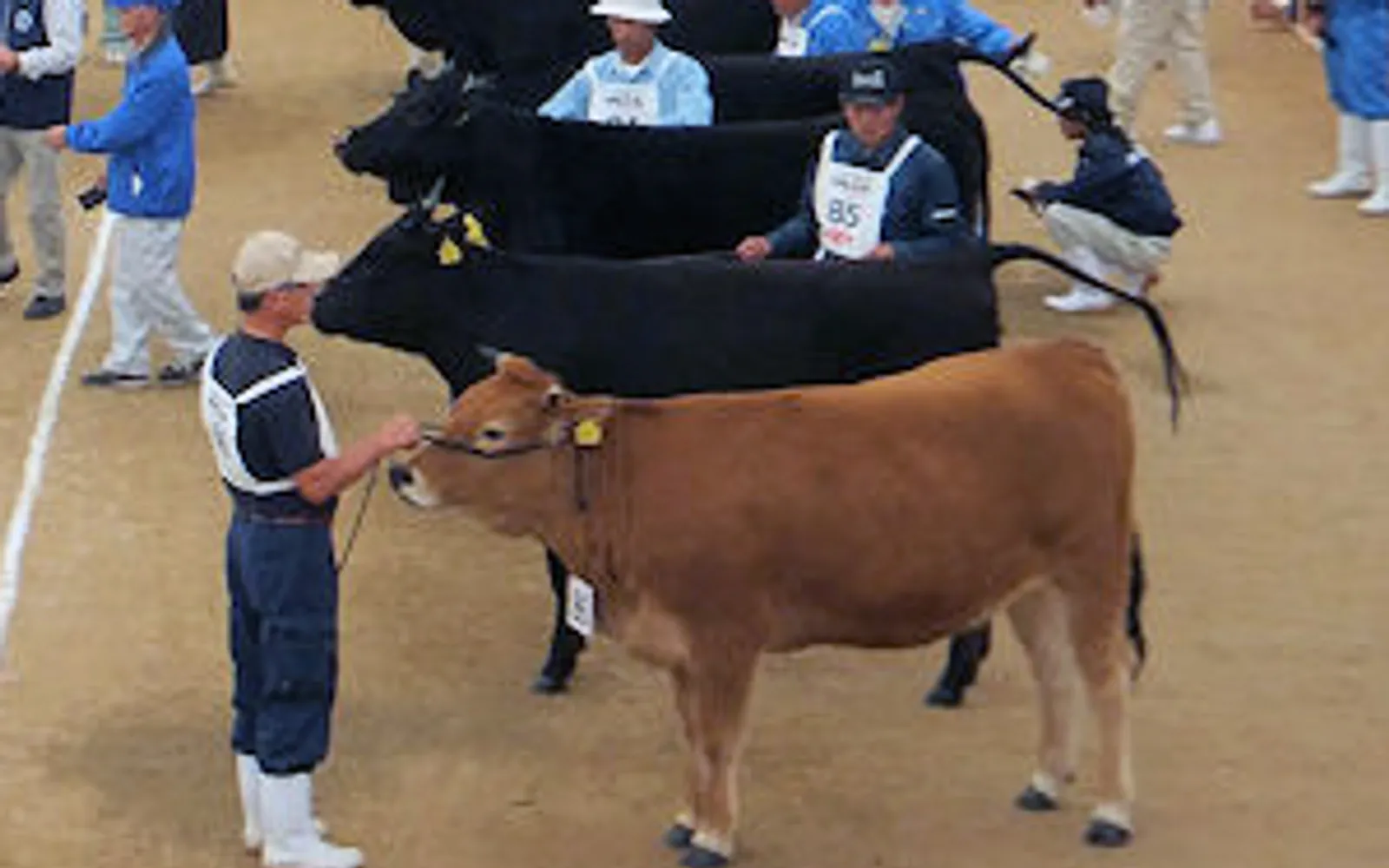
#5 Akaushi Wagyu Beef · Kumamoto Akaushi Wagyu Beef
Akaushi — Red Wagyu — is a breed raised on the vast grasslands of the Aso caldera, fed clean mountain air and water. Unlike the heavily marbled Wagyu most people know, Akaushi is deep red and lean, with a natural sweetness that comes from a high concentration of omega-3 fatty acids. It holds Japan's Geographical Indication designation. On the plate it works well as steak, shabu-shabu, or yakiniku.
- Motobu Beef and Aso-no-Shizen-no-Ie source their Akaushi directly from local farms.
- Try it shabu-shabu to appreciate the tenderness without the meat being overwhelmed by heat.
- It's priced more reasonably than other Wagyu designations like Kobe or Matsusaka.
 #6
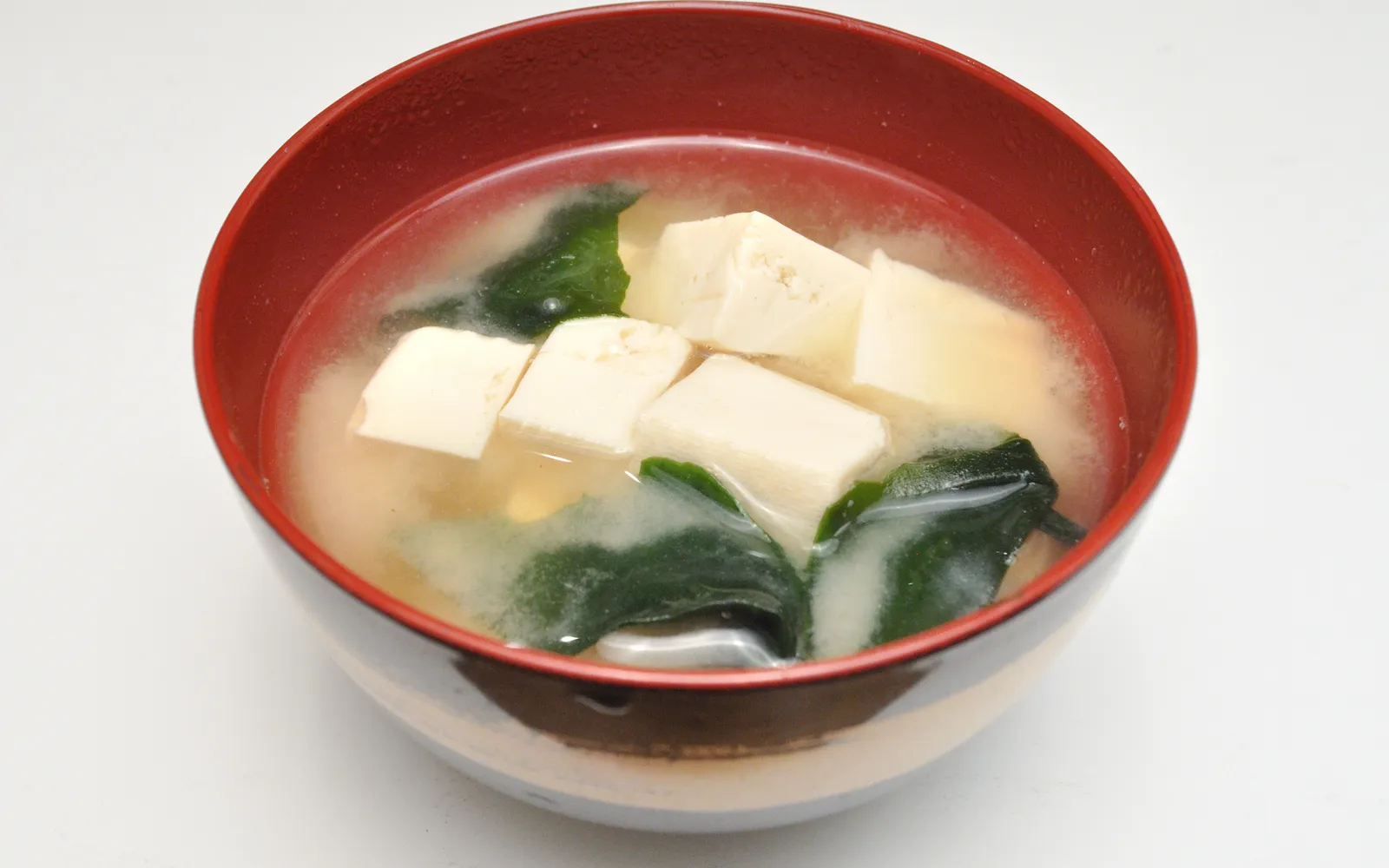
#6 Dagojiru (Dumpling Miso Soup) · Dagojiru (Dumpling Miso Soup)
A farmhouse soup that Kumamoto's rural communities have been eating for hundreds of years. Wheat dough is hand-kneaded, then torn or pulled into irregular flat dumplings and simmered in miso or soy broth with whatever seasonal vegetables are on hand — taro, burdock, daikon, pumpkin. The name Dago is the local word for dumpling. What makes it compelling is its simplicity: the broth is warm and well-rounded in a way that reads as proper home cooking, and it's particularly good on a cold day.
- Restaurants around the Aso area commonly serve dagojiru as a house staple.
- Order it alongside Takana Gohan (rice stir-fried with pickled mustard leaf) for a proper Kumamoto set meal.
- It's rarely found outside Kumamoto — don't skip it.
Where to stay in Kumamoto for this trip
A well-located hotel means less commuting and more sightseeing. Here are real, top-rated stays in Kumamoto — compare Agoda · Booking · Trip.com in one click.
Hotel Nikko Kumamoto
Affiliate links — we may earn a commission at no extra cost to you. Details
Hotel Wing International Select Kumamoto
Affiliate links — we may earn a commission at no extra cost to you. Details
Richmond Hotel Kumamoto Shinshigai
Affiliate links — we may earn a commission at no extra cost to you. Details
Dormy Inn Kumamoto Natural Hot Spring
Affiliate links — we may earn a commission at no extra cost to you. Details
Tours, tickets & activities in Kumamoto
Day tours, attraction tickets and travel essentials for Kumamoto — book ahead on Klook with mobile e-tickets.
Affiliate links — we may earn a commission at no extra cost to you.
Before You Pack
Kumamoto's food reflects the richness of its land and the depth of its cultural history — grass-fed cattle from the Aso plains, native vegetables, and recipes passed down since the Hosokawa period. Eating here is not just a matter of filling up; it's a way of reading the character of the place.