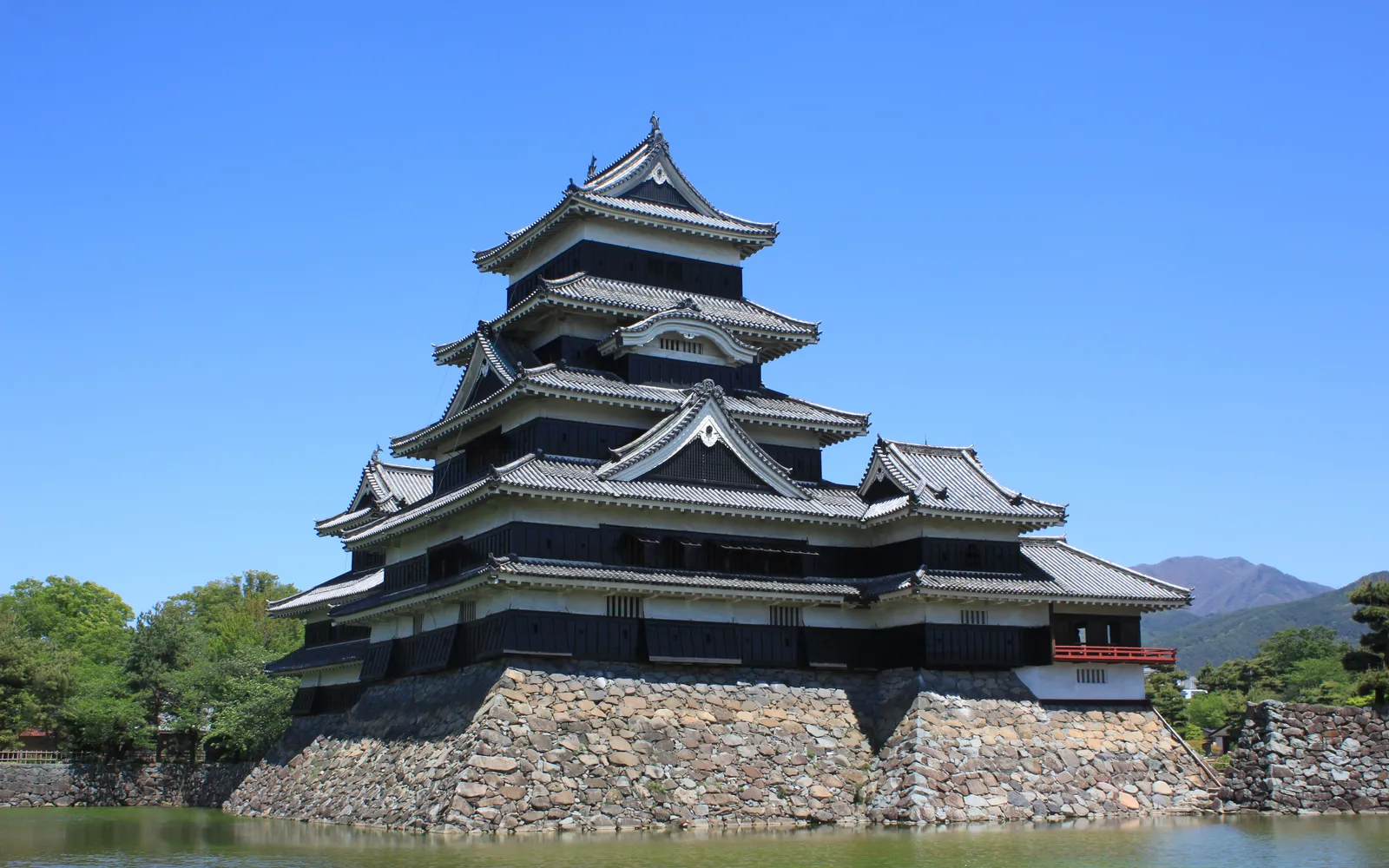
The food of Matsumoto draws directly from the Japanese Alps and high-altitude terrain that surround it. Buckwheat thrives in the cold mountain air, wasabi grows in ice-cold mineral water flowing down from the peaks, wild mushrooms and mountain vegetables (sansai) appear at their peak each season, and Shinshu miso — produced here in Nagano Prefecture — accounts for more than 40% of Japan's national output. What you eat here isn't just "Japanese food"; every bite carries the story of this particular soil and water.
 #1
#1 Shinshu Soba · Shinshu Soba
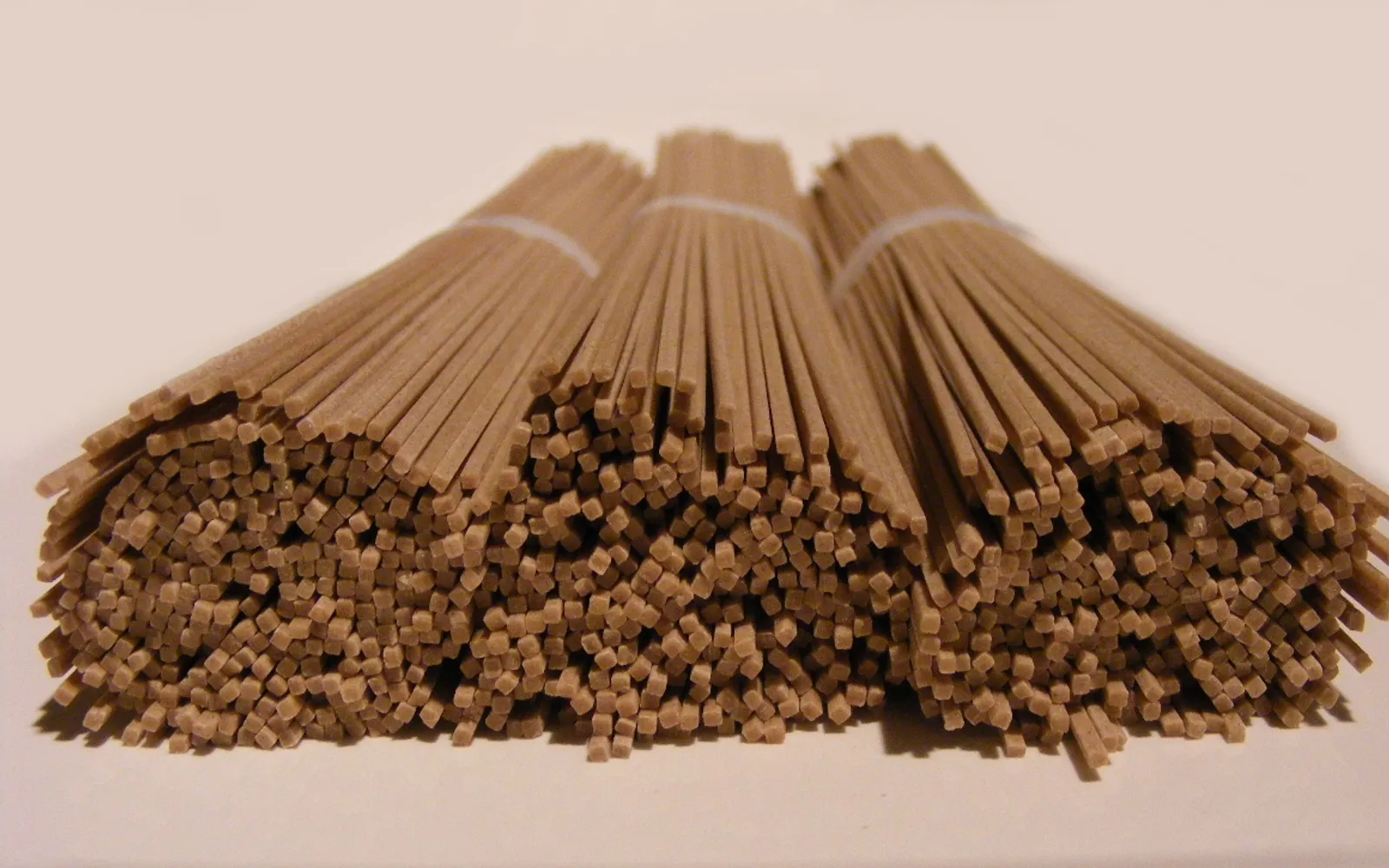
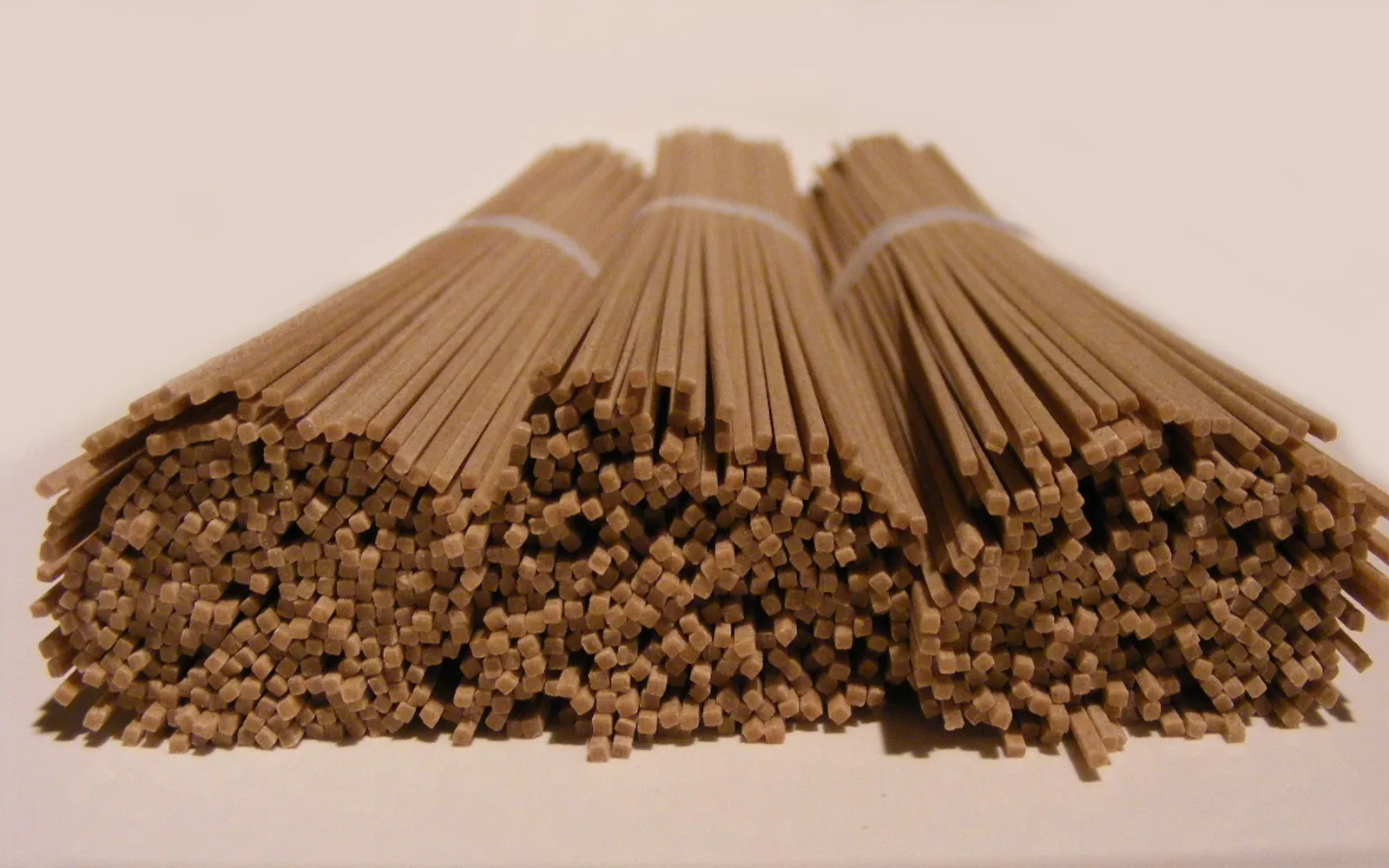
Shinshu soba from Nagano Prefecture is famous across Japan — buckwheat grows exceptionally well at high altitude in cold air, giving the flour a deeper aroma and nuttier flavor than soba from other regions. Order it cold, dip it in dark tsuyu sauce with fresh wasabi and spring onion. Matsumoto has soba shops that have been open for generations, scattered across the city, each with its own recipe and slightly different texture.
- Order mori soba (cold) first if you want to taste the raw buckwheat flavor before trying the hot versions.
- Popular soba shops often sell out before 14:00 — arrive before 12:30 to be safe.
- Many shops do their dough-kneading at the front in the morning; ask to watch.
 #2
#2 Sanzokuyaki (Mountain-Bandit Fried Chicken) · Sanzokuyaki
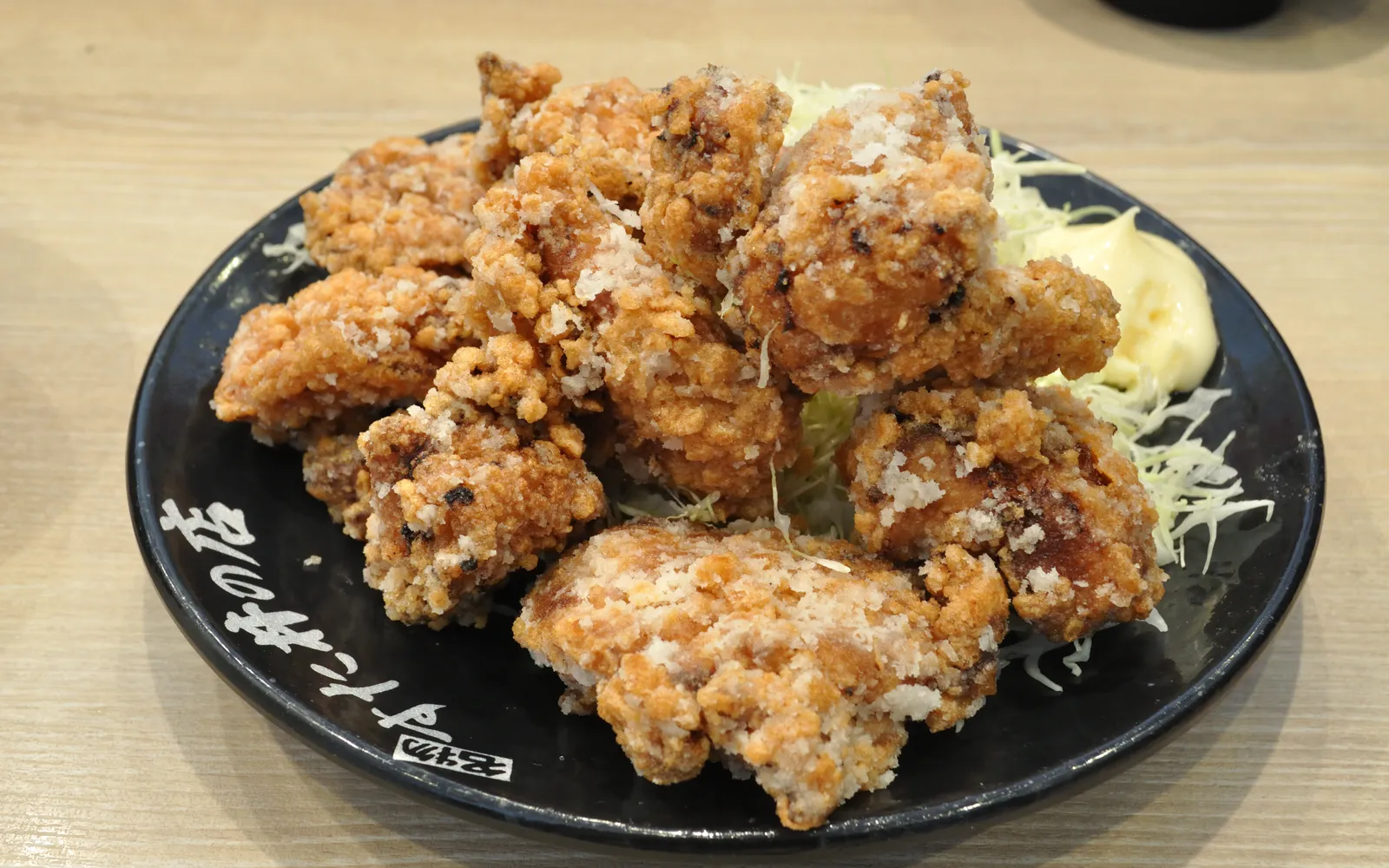
Sanzokuyaki is a local fried chicken dish invented in Matsumoto. The name translates literally as "fried by mountain bandits" — in Japanese, <em>tori-age</em> means both "frying chicken" and "to rob." A whole large piece of chicken is marinated in garlic and spices, then fried until the outside is crispy and the inside stays juicy and deeply flavored. The pieces are considerably larger than standard karaage. You can find it at Matsumoto Karaage Center next to the train station.
- Matsumoto Karaage Center next to the station opens from midday and is easy on the wallet.
- It pairs well with local beer from the Matsumoto Brewery.
- Some shops offer miso sauce or other variations — comparing two versions is worth doing.
 #3
#3 Fresh Azumino Wasabi · Fresh Azumino Wasabi
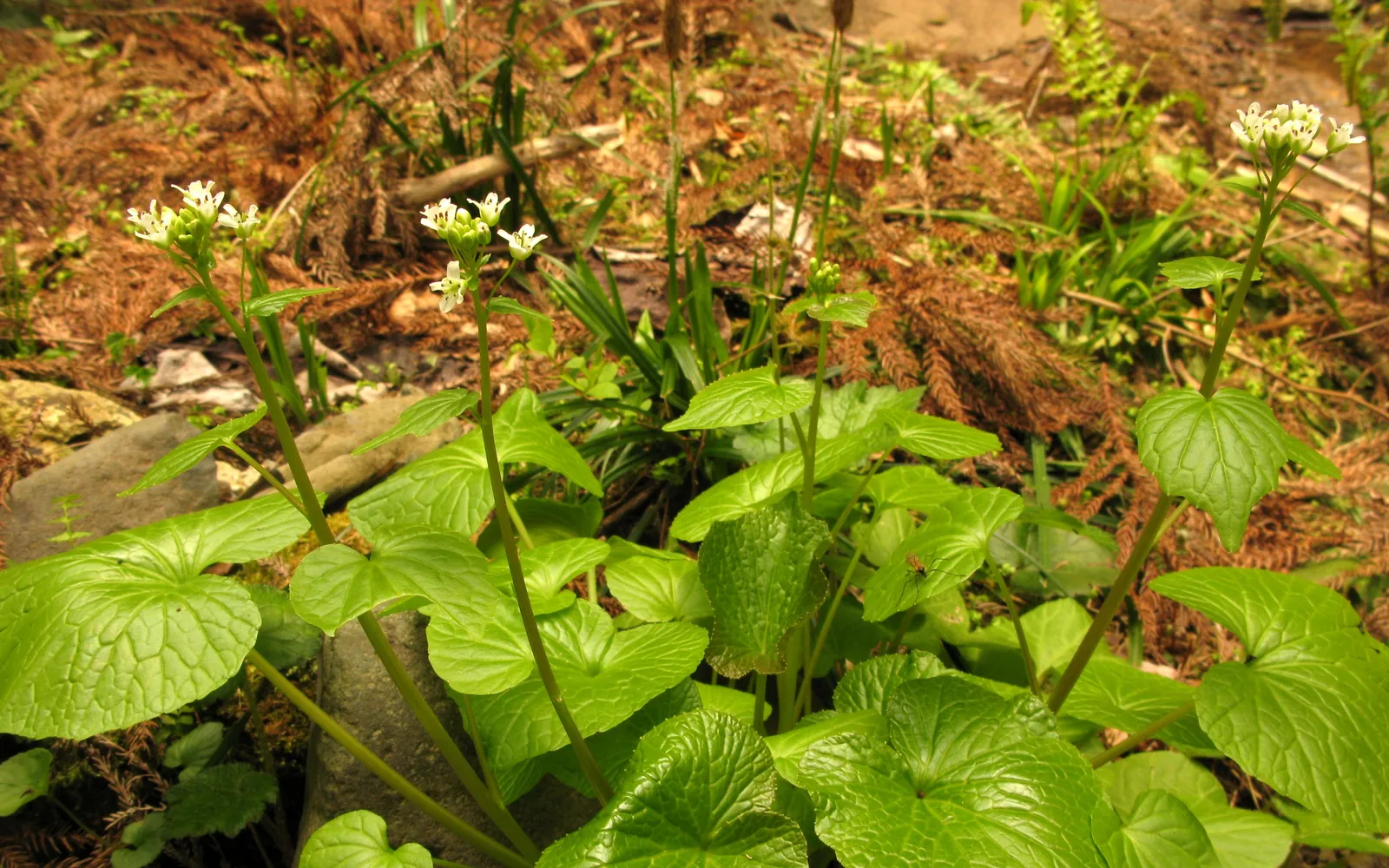
Wasabi from Azumino is considered the highest-quality wasabi in Japan, grown in constantly flowing ice-cold mineral water from the Alps. Fresh wasabi delivers a sharp heat that fades quickly and carries a subtle floral aroma — a completely different experience from powdered or tube wasabi. Eat it with cold soba or sushi. At Daio Wasabi Farm you can try wasabi ice cream, wasabi tofu, and wasabi drinks.
- You can buy a whole fresh wasabi root to take home — it keeps in the refrigerator for 2–3 weeks.
- Grate wasabi on a sharkskin board (<em>oroshi-ki</em>) in one circular direction with light pressure for the best flavor.
- Wasabi ice cream at Daio Farm costs ¥400 — mildly spicy but fresh and sweet.
 #4
#4 Toji Soba (Hot-Pot Dipping Soba) · Toji Soba
Toji soba is a uniquely local way to eat soba in Matsumoto. A hot broth is made with fresh vegetables, wild mushrooms, and seasonal ingredients in a clay pot on your table; you then dip soba from a bamboo basket into the boiling broth until cooked, and eat immediately — like a soba shabu-shabu. Afterward, you add buckwheat grains to the remaining broth and eat it as a porridge. The whole ritual is warming and perfectly suited to a cold mountain winter.
- Toji soba is best in winter (November–March); some restaurants only serve it during this period.
- Tell the server you want toji style — some restaurants offer both cold soba and toji versions.
- Don't add seasoning before tasting; the broth is usually already well-balanced.
 #5
#5 Basashi (Horse Sashimi) · Basashi (Horse Sashimi)
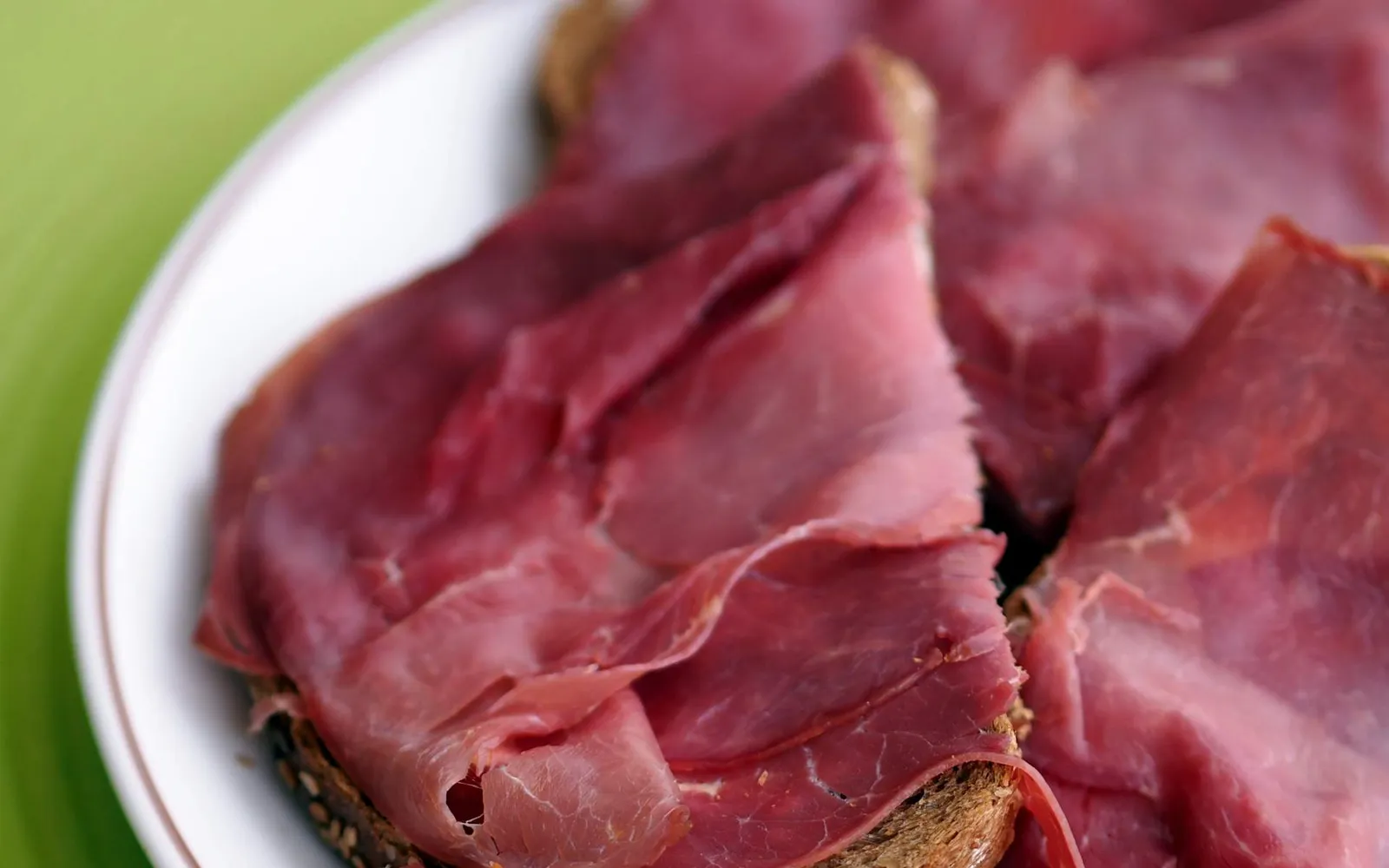
Basashi — horse sashimi — is a regional specialty of Nagano and one of Matsumoto's most talked-about dishes. The pale pink horse meat is called <em>sakura-niku</em> (cherry-blossom meat) for its color; it has a subtly sweet, tender flavor with none of the gaminess associated with other meats. Eat it raw with fresh ginger, wasabi, and soy sauce. For anyone already comfortable with fish sashimi, basashi is a genuinely worthwhile experience — it's nearly impossible to find outside this region.
- Order from an izakaya that specifies local horse meat (<em>jiba</em>, 地馬) — the quality is noticeably better than imported.
- It pairs well with local sake or shochu.
- If you're hesitant, order just 1–2 pieces first. The first taste tends to change minds.
 #6
#6 Shinshu Miso Dishes · Shinshu Miso Dishes
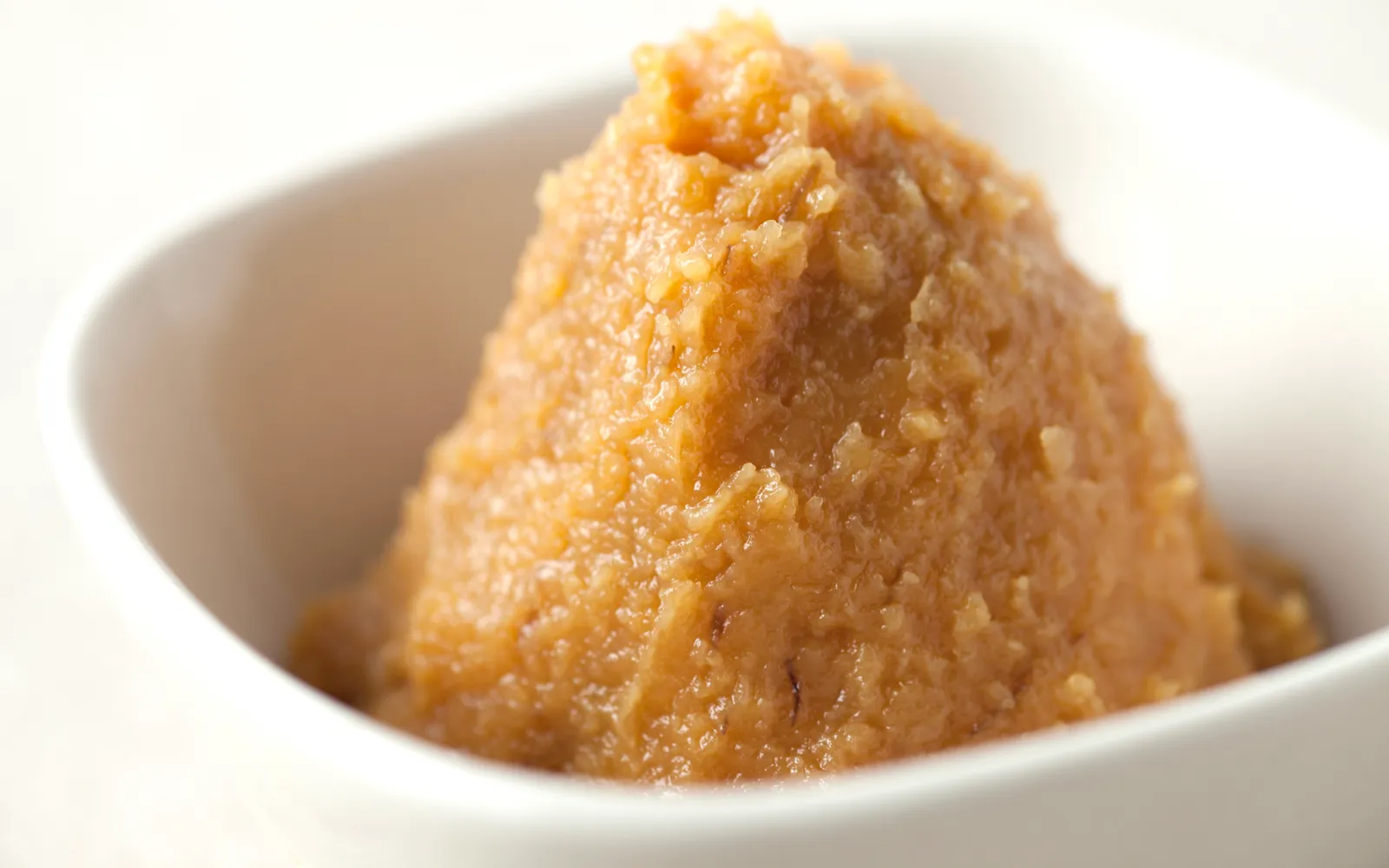
Nagano Prefecture produces more than 40% of Japan's total miso output, thanks to the cold climate that is ideal for fermentation and long aging. Shinshu miso is light brown with a rounded, well-salted flavor and a deep fermented aroma. It goes into miso soup, grilling sauces, salad dressings, and even sweets. Restaurants in Matsumoto incorporate miso into almost every dish. You can buy miso to take home at the souvenir shops inside the station building.
- Buy miso aged 2 years or more (<em>aged miso</em>) — the depth of flavor is noticeably richer than young miso, and it works well for soup and marinades.
- Try miso katsu (breaded pork cutlet with miso sauce) at a local restaurant.
- Long-established miso shops in the Matsumoto area often offer free tasting before you buy.
Where to stay in Matsumoto for this trip
A well-located hotel means less commuting and more sightseeing. Here are real, top-rated stays in Matsumoto — compare Agoda · Booking · Trip.com in one click.
Hoshino Resorts KAI Matsumoto
Affiliate links — we may earn a commission at no extra cost to you. Details
Matsumoto Jujo
Affiliate links — we may earn a commission at no extra cost to you. Details
Hotel Buena Vista
Affiliate links — we may earn a commission at no extra cost to you. Details
Matsumoto Hotel Kagetsu
Affiliate links — we may earn a commission at no extra cost to you. Details
Tours, tickets & activities in Matsumoto
Day tours, attraction tickets and travel essentials for Matsumoto — book ahead on Klook with mobile e-tickets.
Affiliate links — we may earn a commission at no extra cost to you.
Before You Pack
Eating in Matsumoto is more than filling up — it's contact with ingredients shaped by pure mineral water and the cold air of the Japanese Alps. A single bowl of soba here tells you more about the region's climate and seasons than most Japanese food can manage anywhere else.