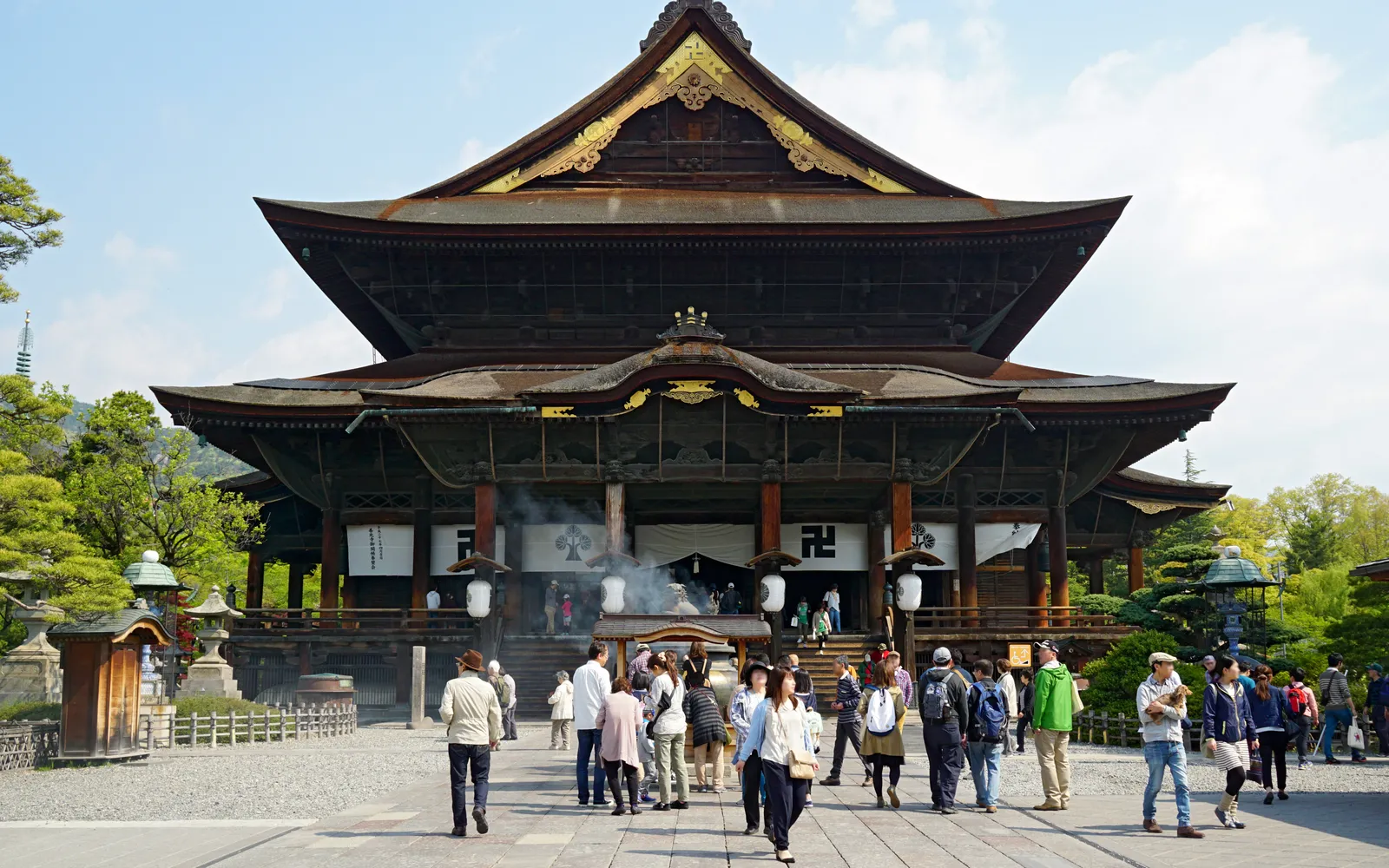
Nagano has long been Japan's top producer of buckwheat, miso, and locally raised horses — and the food here reflects that in the most direct way possible. Simple, rough-hewn, and utterly real in flavor. Most of it traces back to mountain farmers who had to get creative when rice was nearly impossible to grow at altitude. What you get is authentic Japanese mountain cooking you simply cannot find anywhere else.
 #1
#1 Shinshu Soba · Shinshu Soba
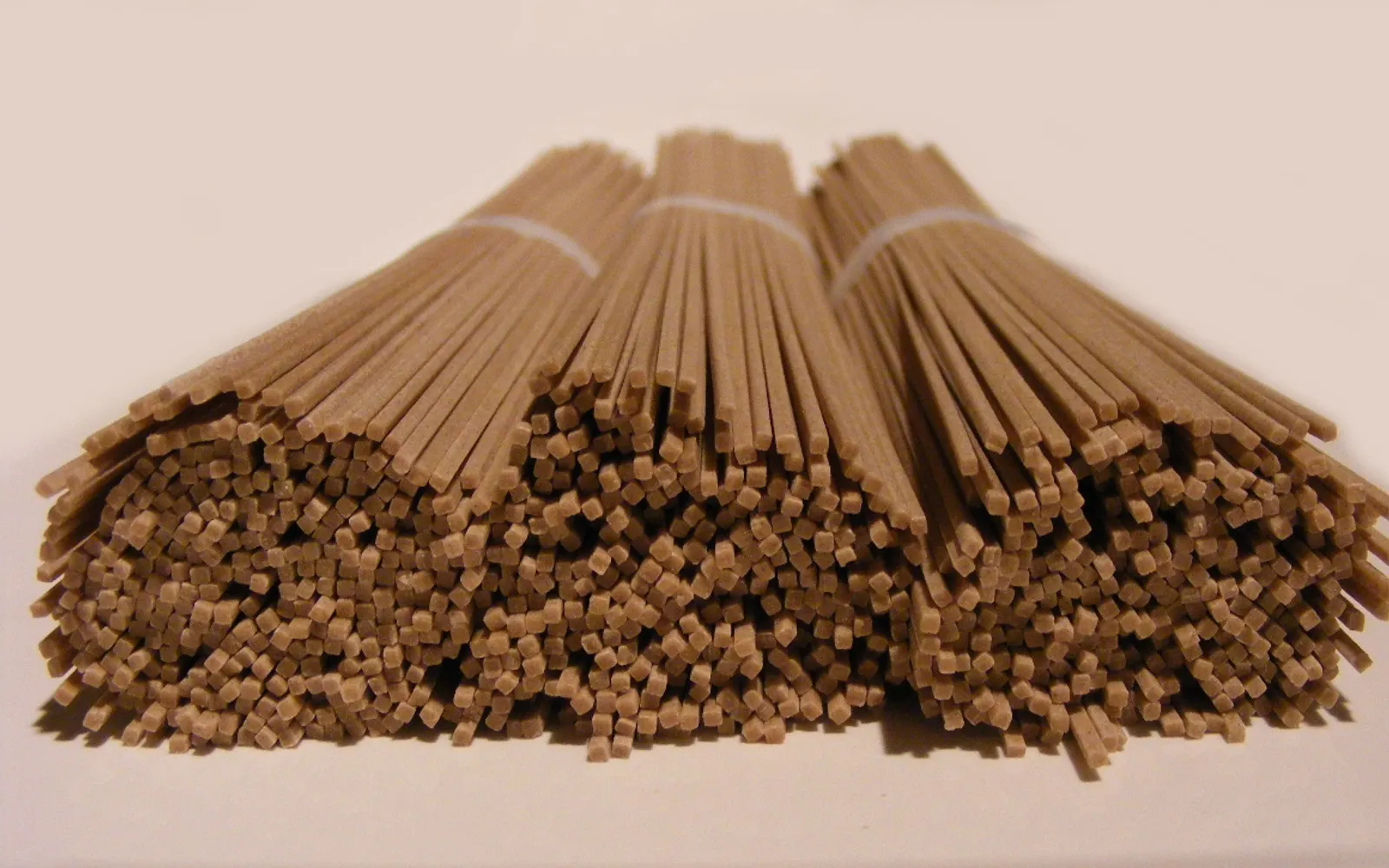
Japan's most celebrated soba, grown from buckwheat cultivated on Nagano's high-altitude fields — historically called Shinshu — using clear mountain water and cold, clean air. The result is a noticeably darker, nuttier noodle with a springy texture and deeper flavor than soba from other prefectures. Served cold with a dipping sauce (Zaru Soba) or in hot broth. Quality shops mill their own flour fresh each morning.
- Order Zaru Soba (cold) to get the clearest sense of the buckwheat's aroma and flavor
- Look for shops that specify Juwari (100% buckwheat, no wheat flour blended in)
- Togakushi Soba has its own reputation — the noodles are thicker and the flavor more intense
 #2
#2 Oyaki · Oyaki
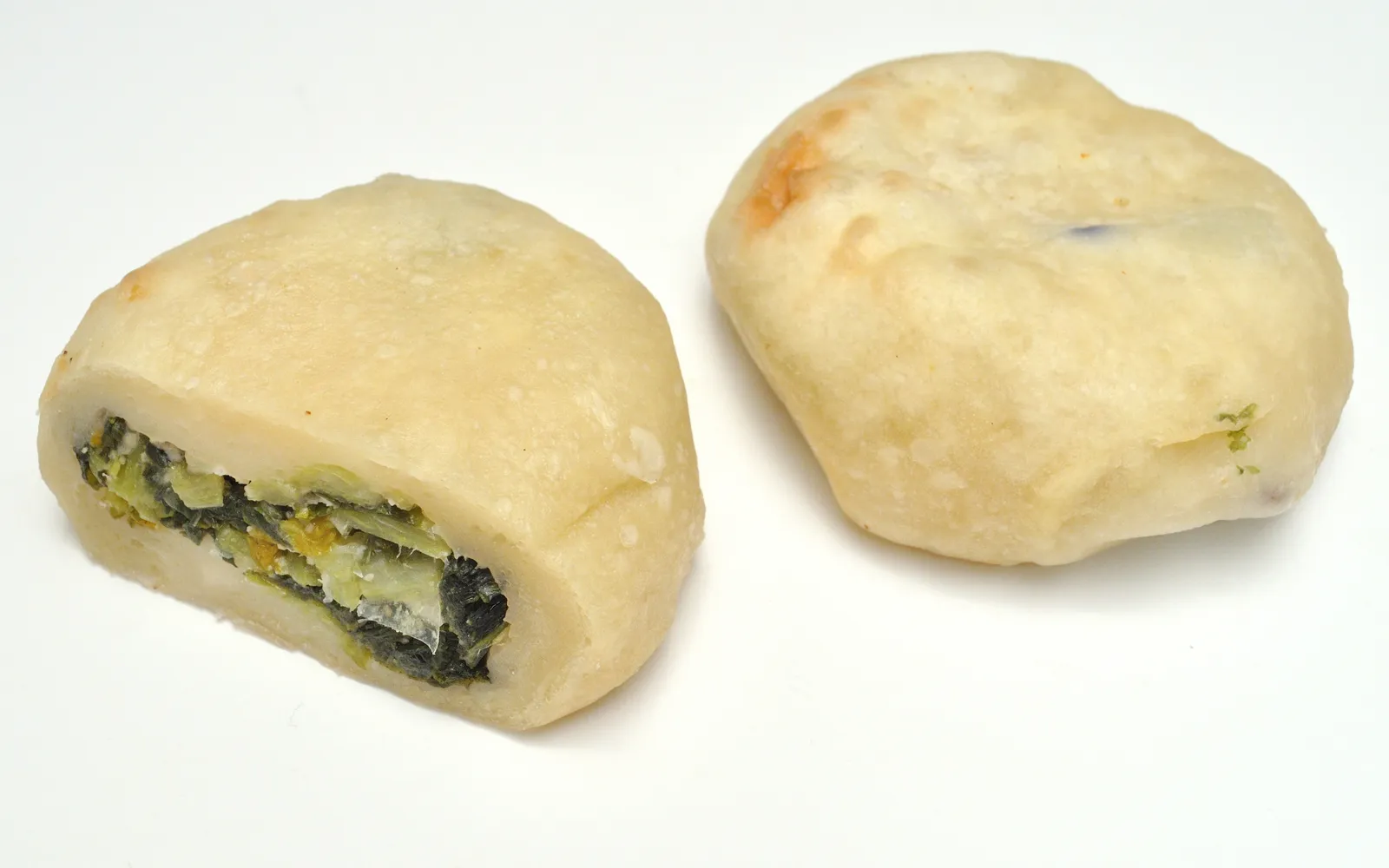
Wheat-flour or buckwheat dough stuffed with seasonal vegetables — pumpkin, pickled greens, nasu miso (eggplant with miso paste), or sweetened azuki beans — then steamed or grilled over charcoal. A farmhouse staple that mountain communities have been eating for over 2,000 years. Originally made with millet flour before wheat took over. Today it's Nagano's most iconic snack. The most popular filling is Nozawana — the prefecture's signature pickled leafy green.
- Irohado near Zenkoji Temple is one of the oldest and best shops in the city
- Eat them hot straight off the grill — cold oyaki taste noticeably different and far less satisfying
- Goma Miso filling (black sesame + miso) is bold and rich — worth trying if you like strong flavors
 #3
#3 Sanzoku-yaki · Sanzoku-yaki
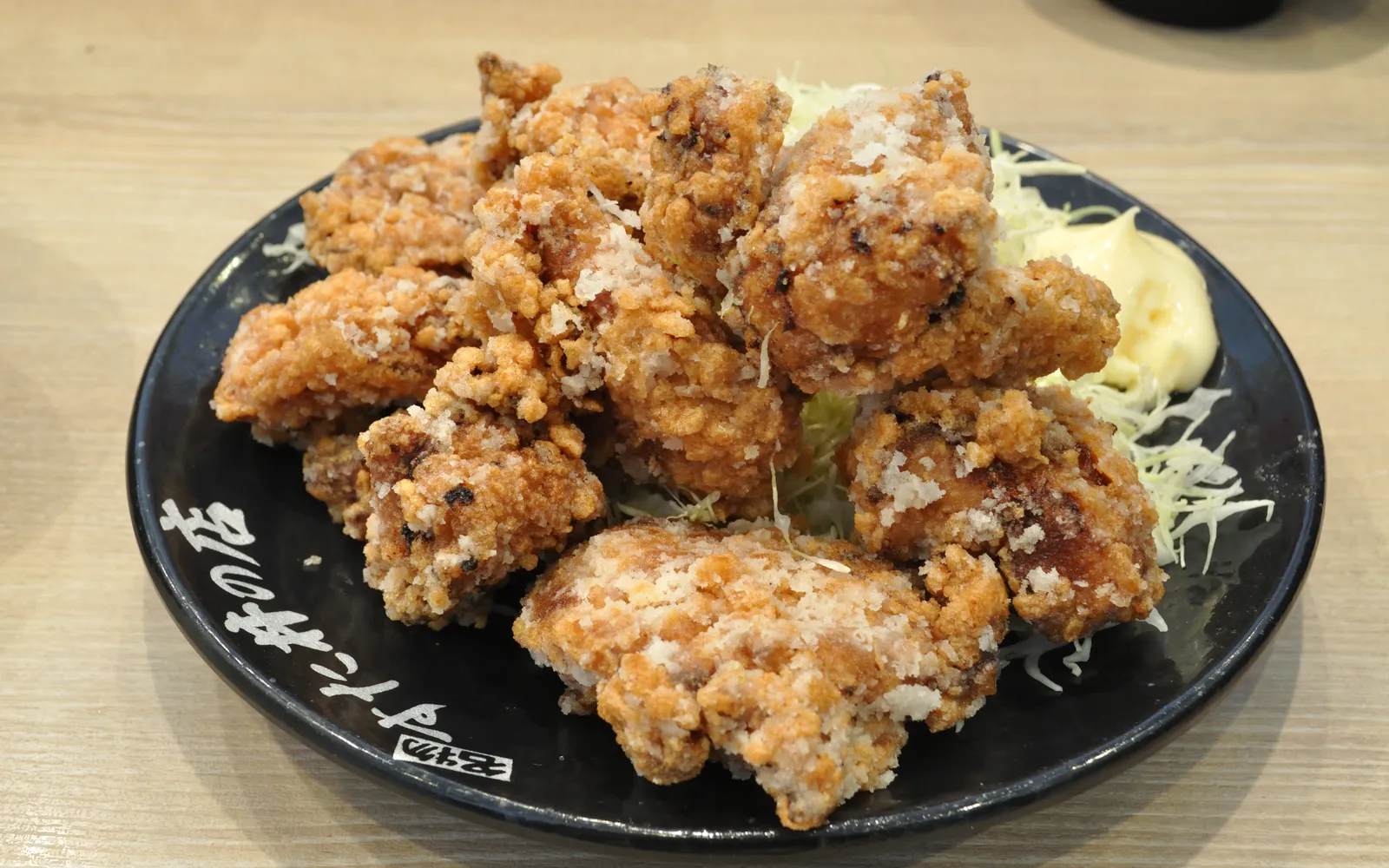
Chicken marinated in garlic, soy sauce, and ginger, coated in potato starch and deep-fried in generous pieces — whole thighs or full breast portions. The exterior is very crisp; the inside stays juicy. It's soul food for people from Nagano, originating in Matsumoto. What sets it apart from standard karaage is the significantly larger piece size and the more aggressive garlic marinade. A natural match with beer or as a proper lunch.
- Traditional Matsumoto shops serve it with lemon and mayonnaise
- The pieces are large — one piece can easily be a full lunch on its own
- Several restaurants inside Matsumoto Station carry this on the menu
 #4
#4 Gohei Mochi · Gohei Mochi
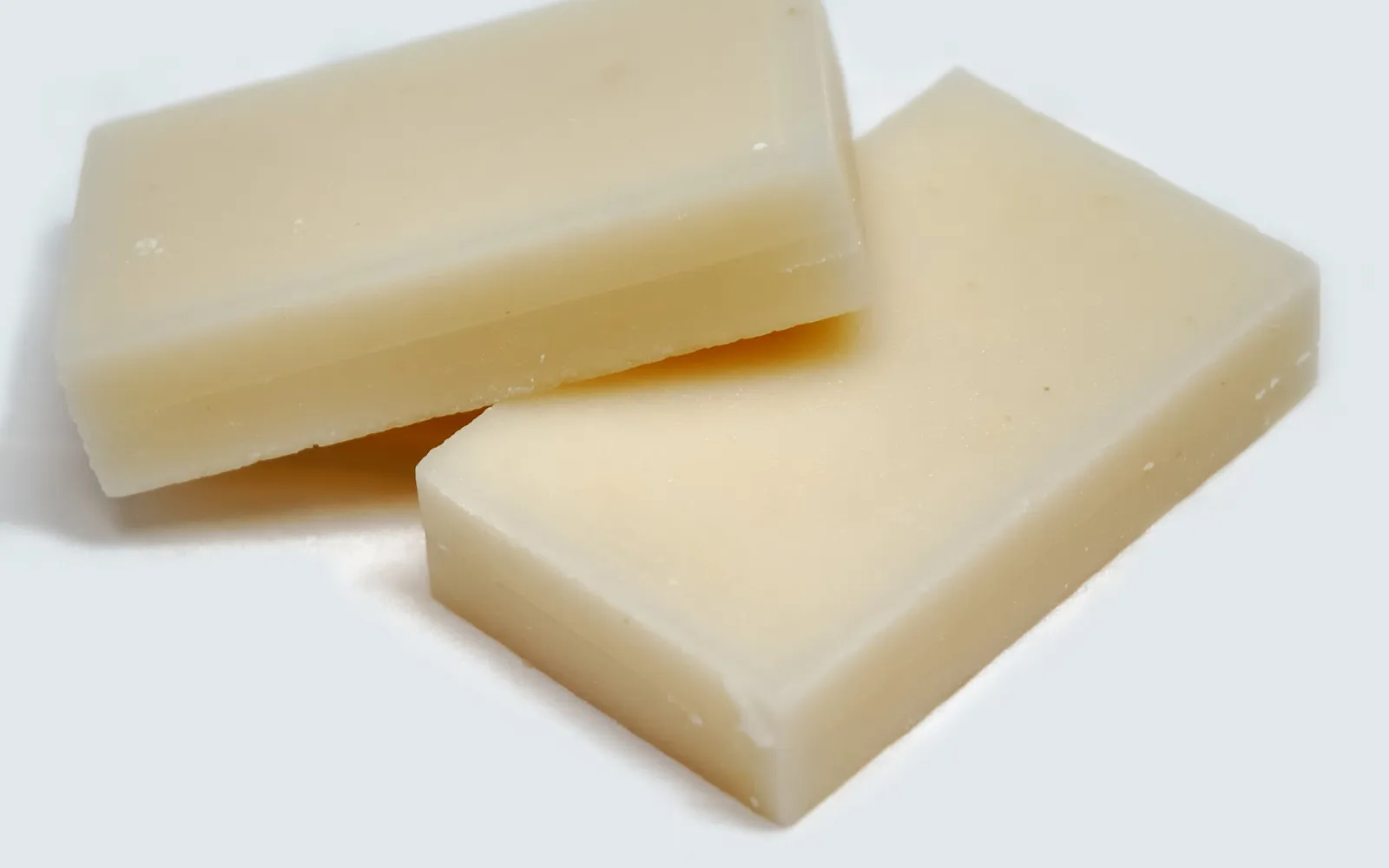
Cooked rice, half-pounded until sticky, skewered on bamboo, then grilled gently over low heat before being brushed with a miso sauce mixed with walnuts, egoma (Japanese black sesame), or peanuts. The result is sweet, salty, and faintly smoky. A traditional food from villages along the Nakasendo highway, and each town's sauce recipe differs slightly. The ideal afternoon snack while walking through a historic post town.
- Compare the sauce from Tsumago versus Magome — different enough to be worth trying both
- Eat immediately after grilling — the rice firms up when it cools
- Some shops blend buckwheat into the rice, adding a faint soba note to the flavor
 #5
#5 Nozawana Pickles · Nozawana Pickles
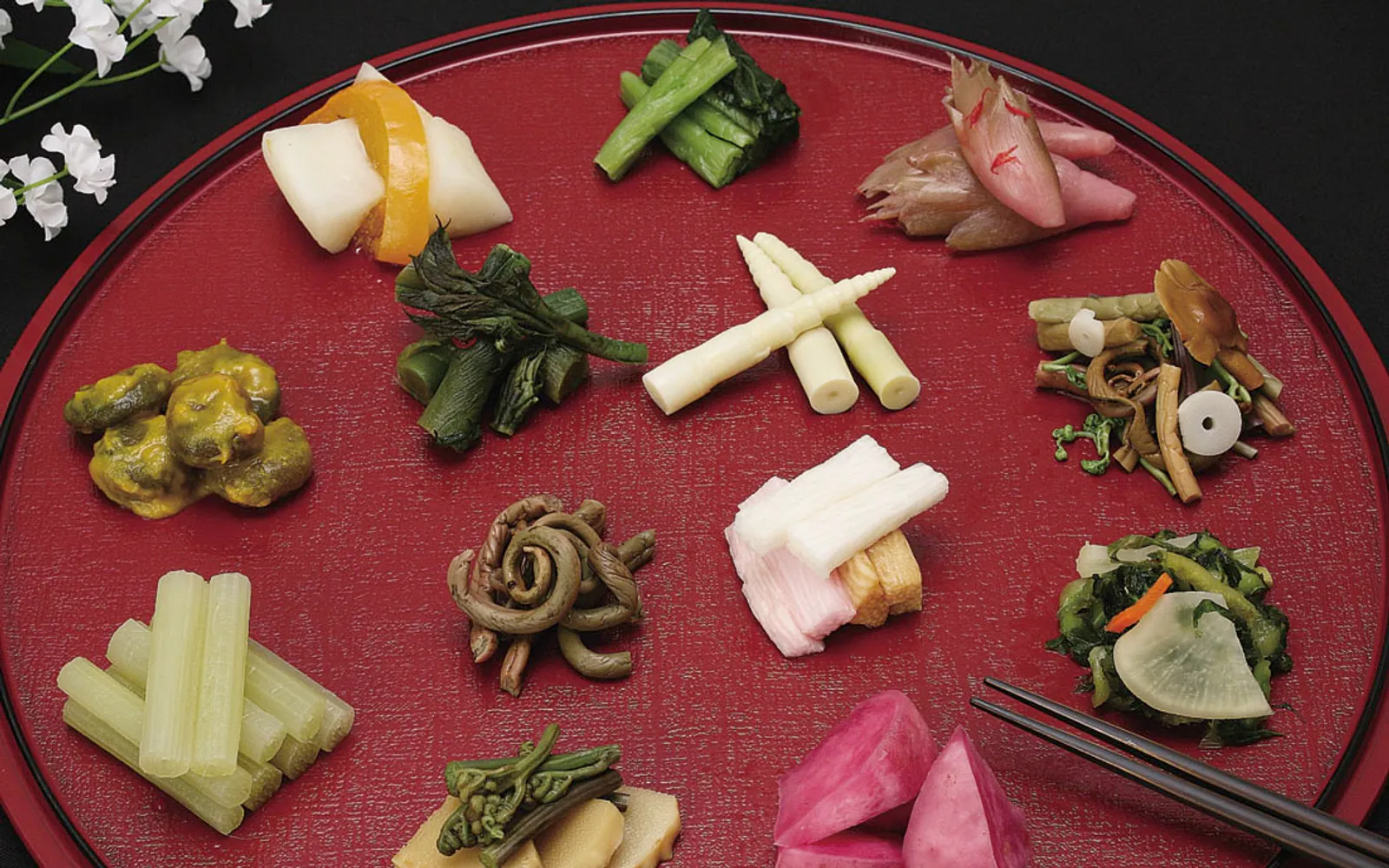
A unique leafy green variety (nozawana) grown only in Nozawa Onsen village, pickled in salt or soy sauce to produce a mildly sour, lightly salty, satisfyingly crunchy result. It's served alongside rice or as a side, and has been a breakfast staple in Nagano households for over 300 years. In winter, Nozawa Onsen villagers still blanch the greens in the natural hot spring water at 90°C — an old tradition still practiced today.
- Buy it at the Nozawa Onsen village market or at supermarkets throughout Nagano
- The aged winter version (Furu-zuke) is sharper and more sour — worth trying at least once
- Pairs well with hot soba and morning rice porridge
 #6
#6 Basashi — Horse Sashimi · Basashi — Horse Sashimi
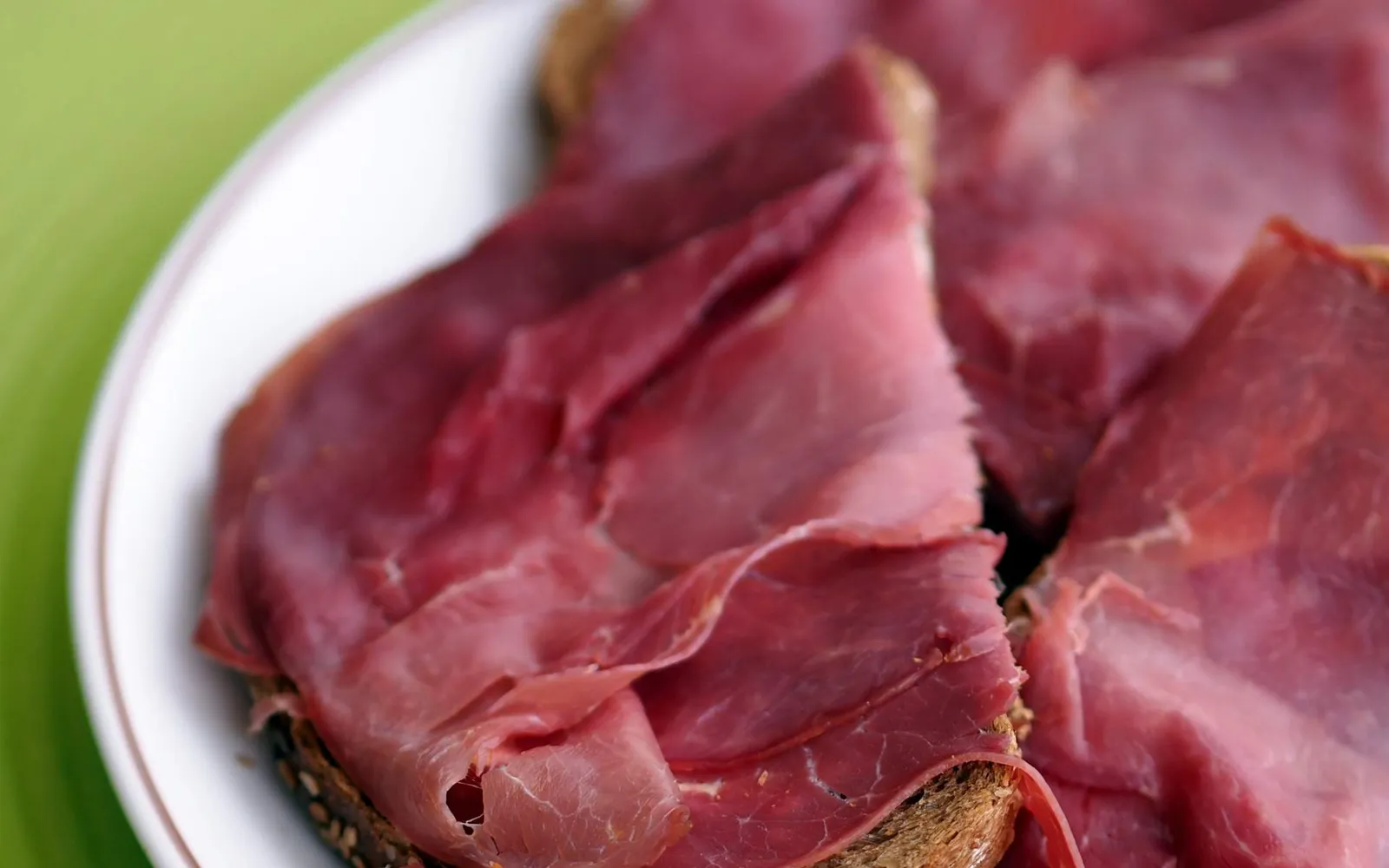
Raw horse meat, cut thin in the sashimi style — a specialty unique to Nagano, where native horses have been raised for centuries. Shinshu basashi is low in fat, clean-tasting, and free of the gaminess you might expect. It's served with a Nagano-style garlic miso sauce (not the soy sauce used with seafood sashimi). For the adventurous eater, the payoff is high — the meat is more tender than most people anticipate, and more than a few first-timers say it beats good tuna.
- Pair it with local Nagano wine — horse meat goes especially well with Pinot Noir from the region
- Look for restaurants that specify Shinshu-san (locally raised) for the best quality
- Start with a small portion if you're uncertain — one bite usually changes the conversation
Where to stay in Nagano for this trip
A well-located hotel means less commuting and more sightseeing. Here are real, top-rated stays in Nagano — compare Agoda · Booking · Trip.com in one click.
Kanbayashi Hotel Senjukaku
Affiliate links — we may earn a commission at no extra cost to you. Details
Yorozuya Annex Yurakuan
Affiliate links — we may earn a commission at no extra cost to you. Details
Hakuba Tokyu Hotel
Affiliate links — we may earn a commission at no extra cost to you. Details
1166 Backpackers
Affiliate links — we may earn a commission at no extra cost to you. Details
Tours, tickets & activities in Nagano
Day tours, attraction tickets and travel essentials for Nagano — book ahead on Klook with mobile e-tickets.
Affiliate links — we may earn a commission at no extra cost to you.
Before You Pack
Most of Nagano's standout foods are easy to find in the city center and around the main sights. Work through all six to get a real feel for Japanese mountain cooking at its most honest.