Nagano prefecture sits in the mountainous interior of Honshu, and it's one of those rare places where raw nature and deep Japanese culture land in the same frame. At Jigokudani Monkey Park, wild macaques soak in outdoor hot springs while snow falls around them — a scene found nowhere else on earth. A few hours away, Edo-period post towns along the ancient Nakasendo highway still look exactly as they did 300 years ago. Whether you're chasing powder, history, or pure mountain air, Nagano covers every angle.
 #1
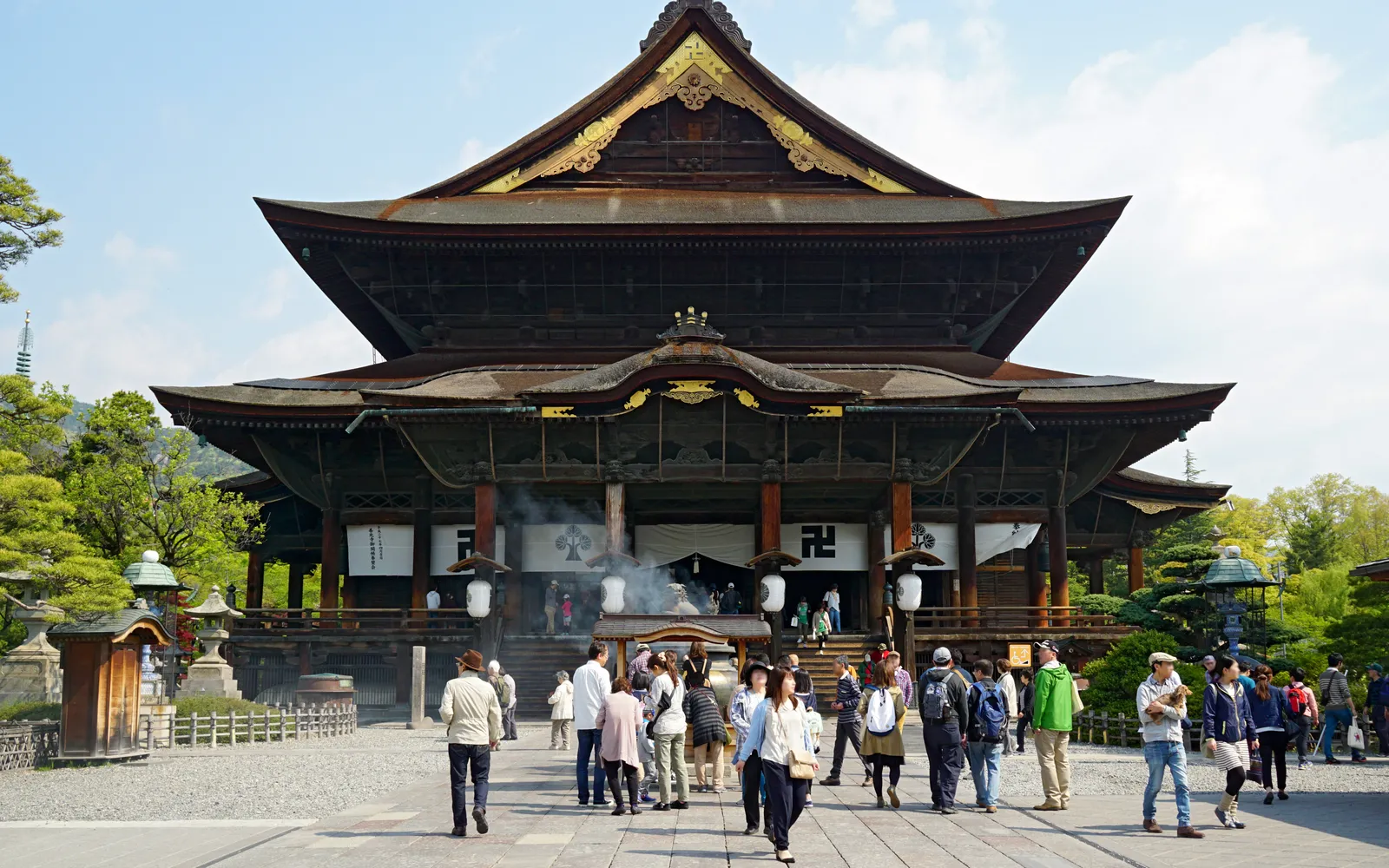
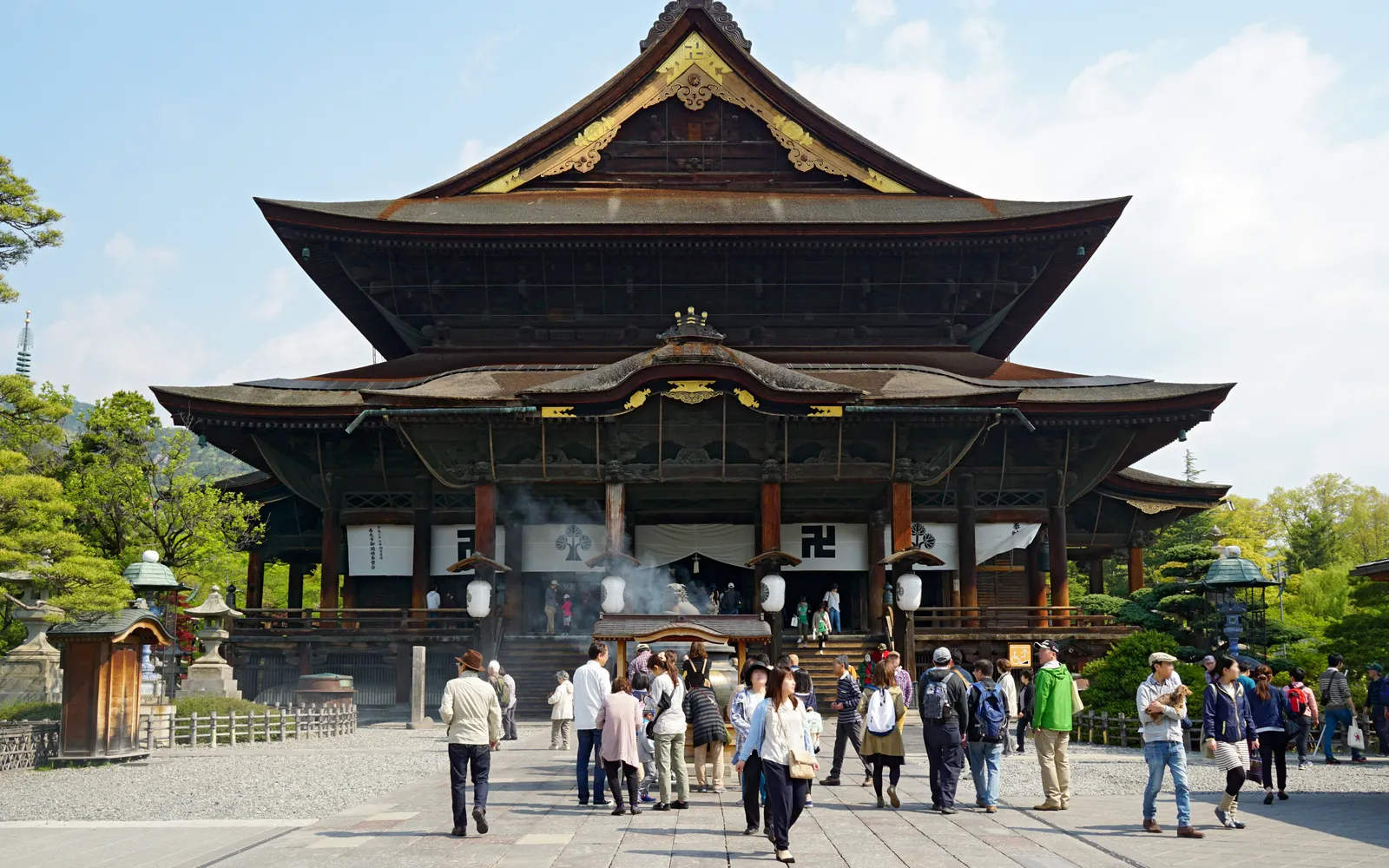
#1 Zenkō-ji Temple · Zenkō-ji Temple
Founded around 642 AD, Zenkō-ji houses the first Buddhist statue ever brought to Japan — a gilt triad so sacred it stays permanently hidden from view. The temple is non-denominational, which is unusual for Japan, so it draws pilgrims from every Buddhist sect. The headline experience is the Okaidan — a pitch-black underground tunnel where you feel your way along a wall in total darkness to touch a sacred key said to grant salvation. Every morning the head priest also leads the Oasaji ceremony, walking through the crowd so worshippers can touch the hem of the robe.
- Wake up at 5 AM to join the Oasaji morning ceremony — it's the most authentic experience the temple offers
- The underground tunnel is completely dark; grip the guide rail firmly and take your time
- The morning market in front of the temple sells local produce and craft goods worth a browse
 #2
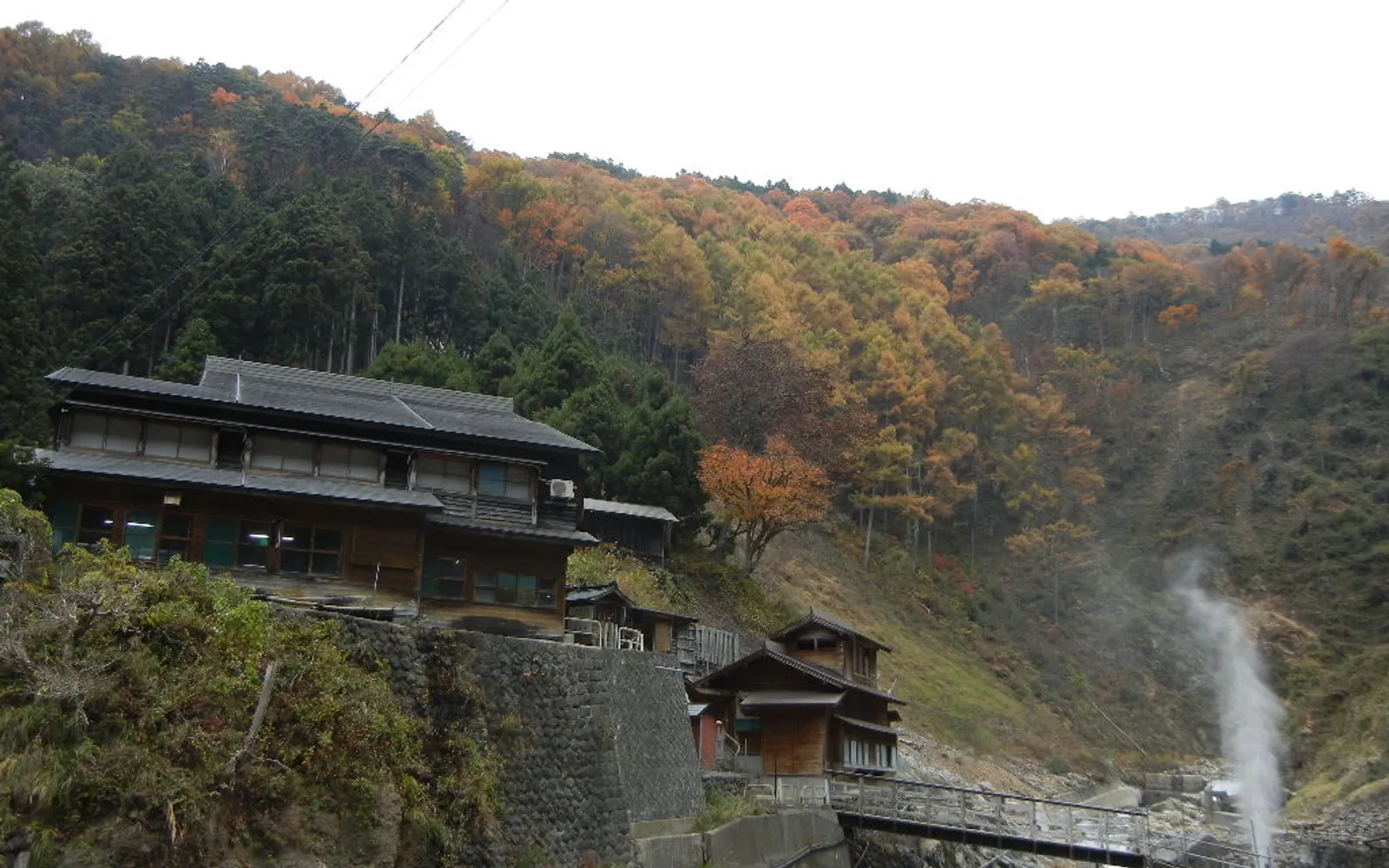
#2 Jigokudani Monkey Park · Jigokudani Monkey Park
The only place on earth where you can watch wild Japanese macaques — snow monkeys — bathing in a natural outdoor hot spring. The park was established in 1964 to protect a troop of wild monkeys that had started using the hot-spring pools on their own; there are no cages or fences. December through March is the prime window, when the contrast of steam, snow, and relaxed monkeys is at its most photogenic. Getting there requires a 2-kilometre walk on foot from the car park.
- Winter is the best time — the monkeys soak far more frequently when temperatures drop
- The park is open in summer too; the monkeys will be playing in the water or resting in the forest instead
- Never bring out food near the monkeys — it is a strict rule enforced by staff
 #3
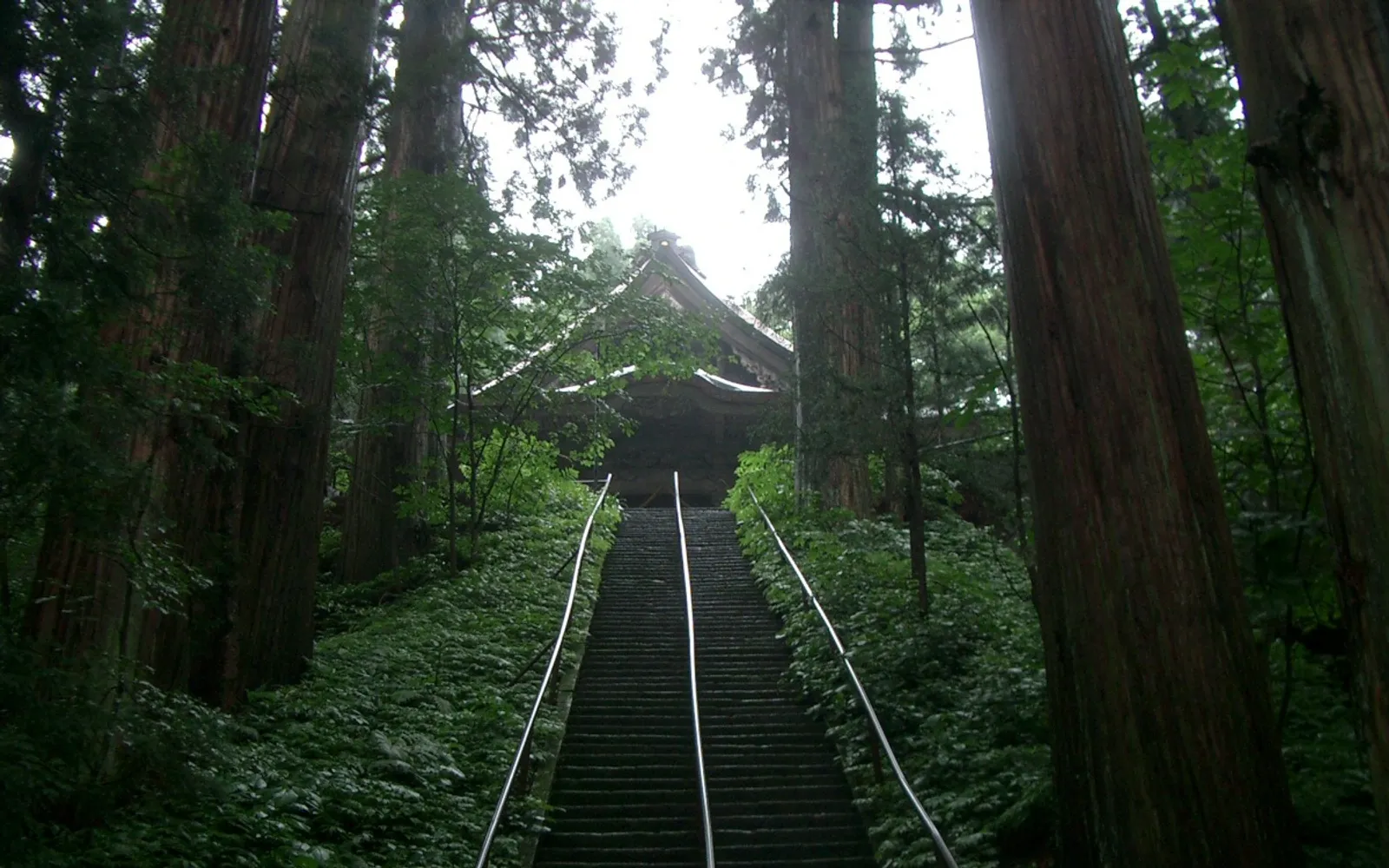
#3 Togakushi Shrine · Togakushi Shrine
A Shinto complex made up of five sub-shrines set deep in mountain forest. The approach to the upper shrine (Okusha) is lined with more than 400 cedar trees, each between 400 and 800 years old, and designated a Natural Monument of Japan. The 2-kilometre path passes through red torii gates and has a distinctly atmospheric, almost mythic quality. The surrounding area also has a ninja museum and Kids Ninja Village for families.
- Wear hiking shoes — sections of the path are uneven and can be slippery
- Some trails close in winter; check conditions before visiting
- Stop at Togakushi Shimadate village to try the local-style soba noodles
 #4
#4 Matsumoto Castle · Matsumoto Castle
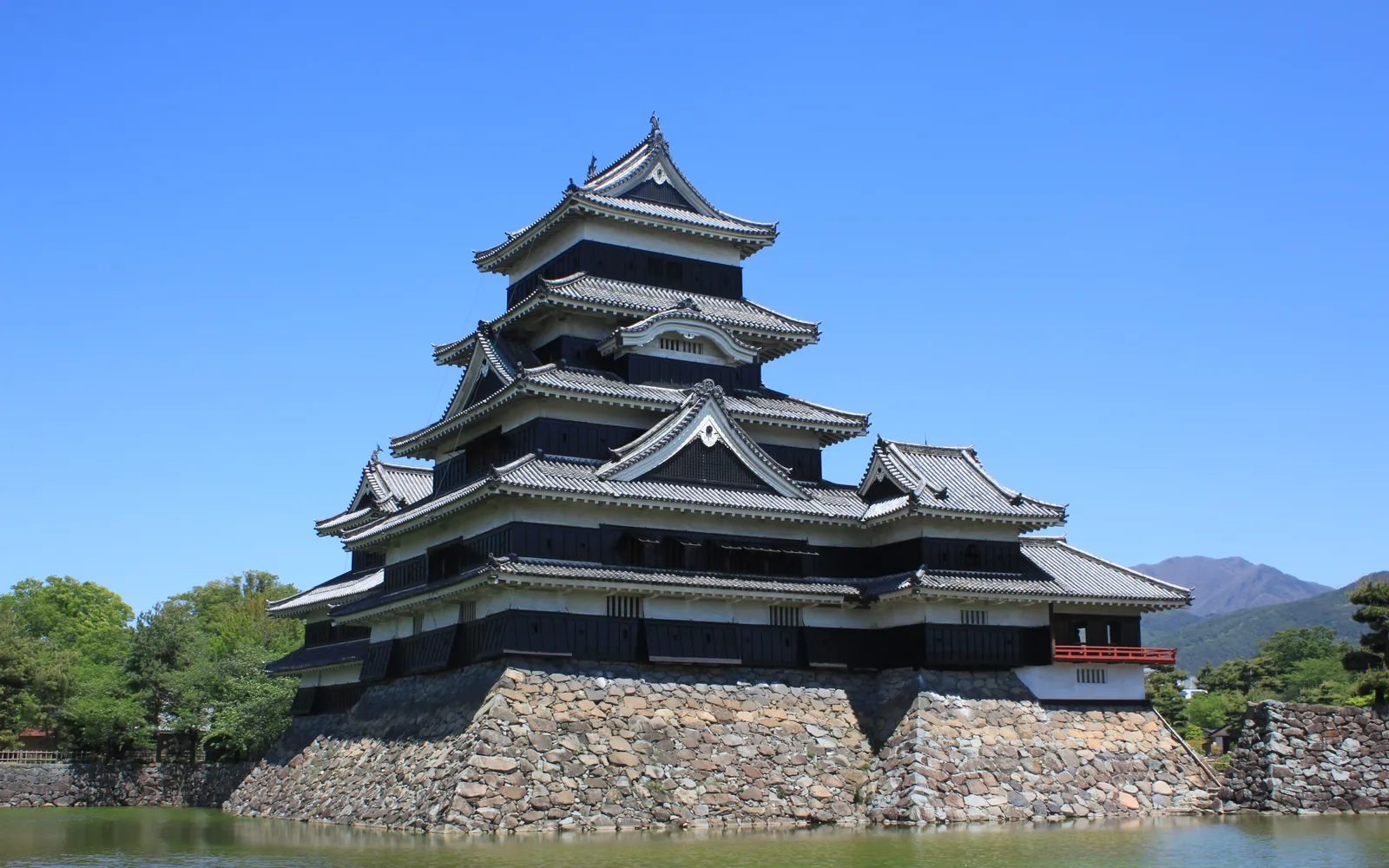
One of Japan's best-preserved original wooden castles, built in 1595 and nicknamed the Crow Castle for its dramatic black exterior. It holds National Treasure status — the highest cultural designation in Japan. Inside, you'll find steep Edo-period wooden staircases, actual archer's loopholes, and a top-floor viewing platform. In early April, more than 300 cherry trees ring the moat and the contrast with the black keep is genuinely striking.
- Go early morning or late afternoon to avoid the longest queues
- The sixth floor has an open balcony with views over Matsumoto city and the Northern Alps
- Pair the visit with nearby Nawate Street market and the Nakamachi historic quarter
 #5
#5 Nozawa Onsen · Nozawa Onsen
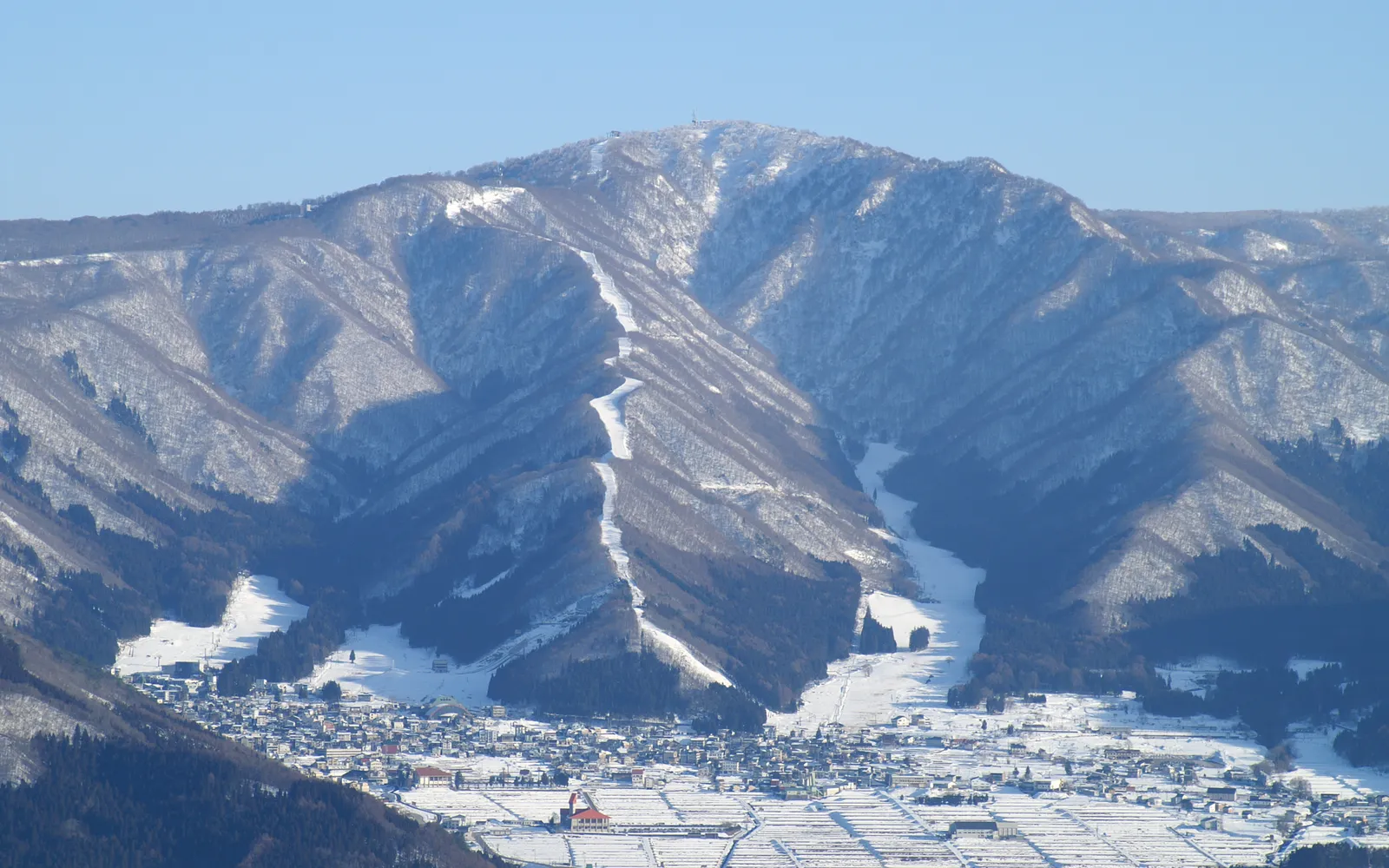
An old hot-spring and ski village that has kept its traditional character intact. There are 13 free public baths (Soto-yu), each managed by local residents, each with a different temperature and feel. The Okama bath reaches nearly 100°C — hot enough only for boiling eggs, not bathing. In winter the village runs a large ski resort alongside the famous Dosojin Fire Festival.
- The public baths are free but come with clear local rules — rinse thoroughly before entering
- The Dosojin Fire Festival on 15 January is one of those events that has no real equivalent anywhere else
- Try Nozawana — the village's famous pickled greens
 #6
#6 Obuse & the Hokusai Museum · Obuse & Hokusai Museum
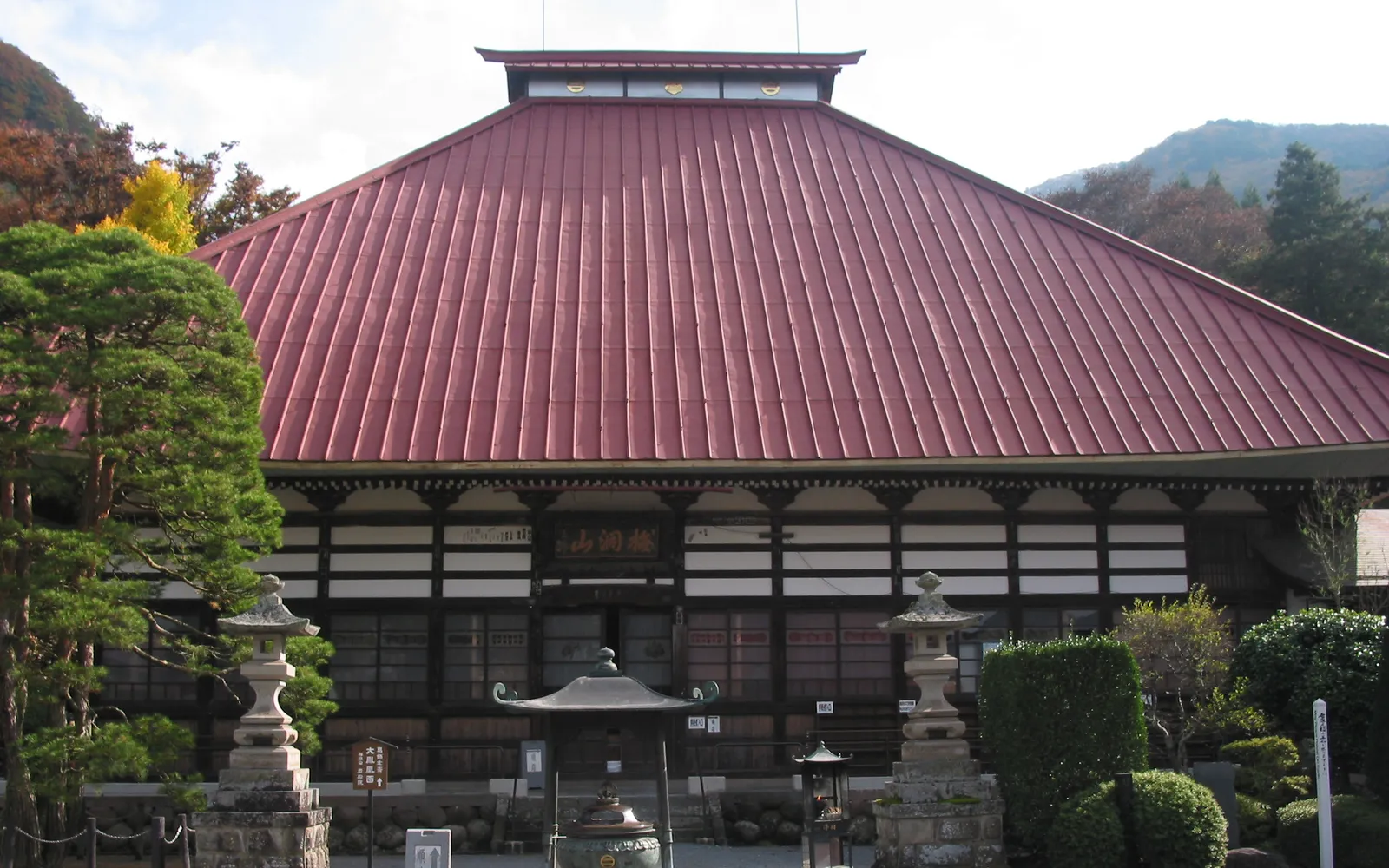
A small, handsome town with two things it does exceptionally well: sweet chestnuts in every form imaginable, and the Hokusai Museum — the home where ukiyo-e master Katsushika Hokusai, creator of The Great Wave off Kanagawa, spent the last years of his life. The museum holds original woodblock prints and two painted ceiling panels — a battle scene and a phoenix — completed just a few years before his death.
- Walk Chestnut Alley and sample fresh chestnut sweets from the shops that line it
- Buy boiled chestnuts or mont blanc from Sakurai, the shop locals recommend most
- Obuse pairs well with Jigokudani Monkey Park — both are doable in a single day
 #7
#7 Kiso Valley — Nakasendo Trail · Kiso Valley — Nakasendo Trail
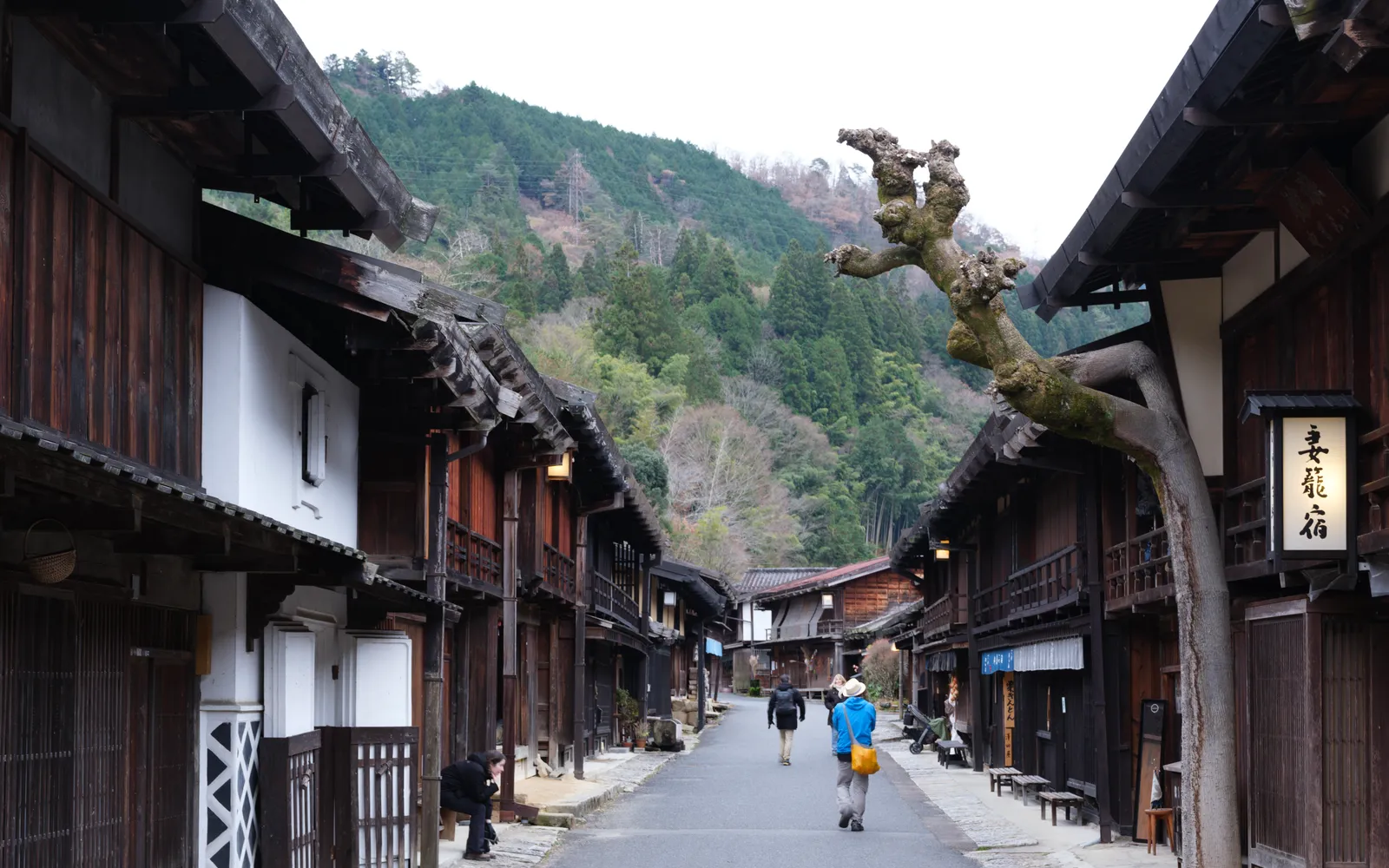
The most scenic stretch of the old Nakasendo highway that connected Kyoto to Edo during the Edo period. The post towns of Tsumago and Magome are the best-preserved examples of Edo-period architecture remaining in Japan — no cars in the main lanes, power lines buried underground. The 8-kilometre walk linking the two villages passes cedar forest and rice paddies and takes 2–3 hours.
- Walk from Magome to Tsumago (downhill) — it's noticeably easier than the reverse
- A baggage-forwarding service will carry your luggage to the destination village — book ahead
- Staying overnight in a Minshuku (family guesthouse) is the best way to experience local life here
 #8
#8 Hakuba Valley · Hakuba Valley
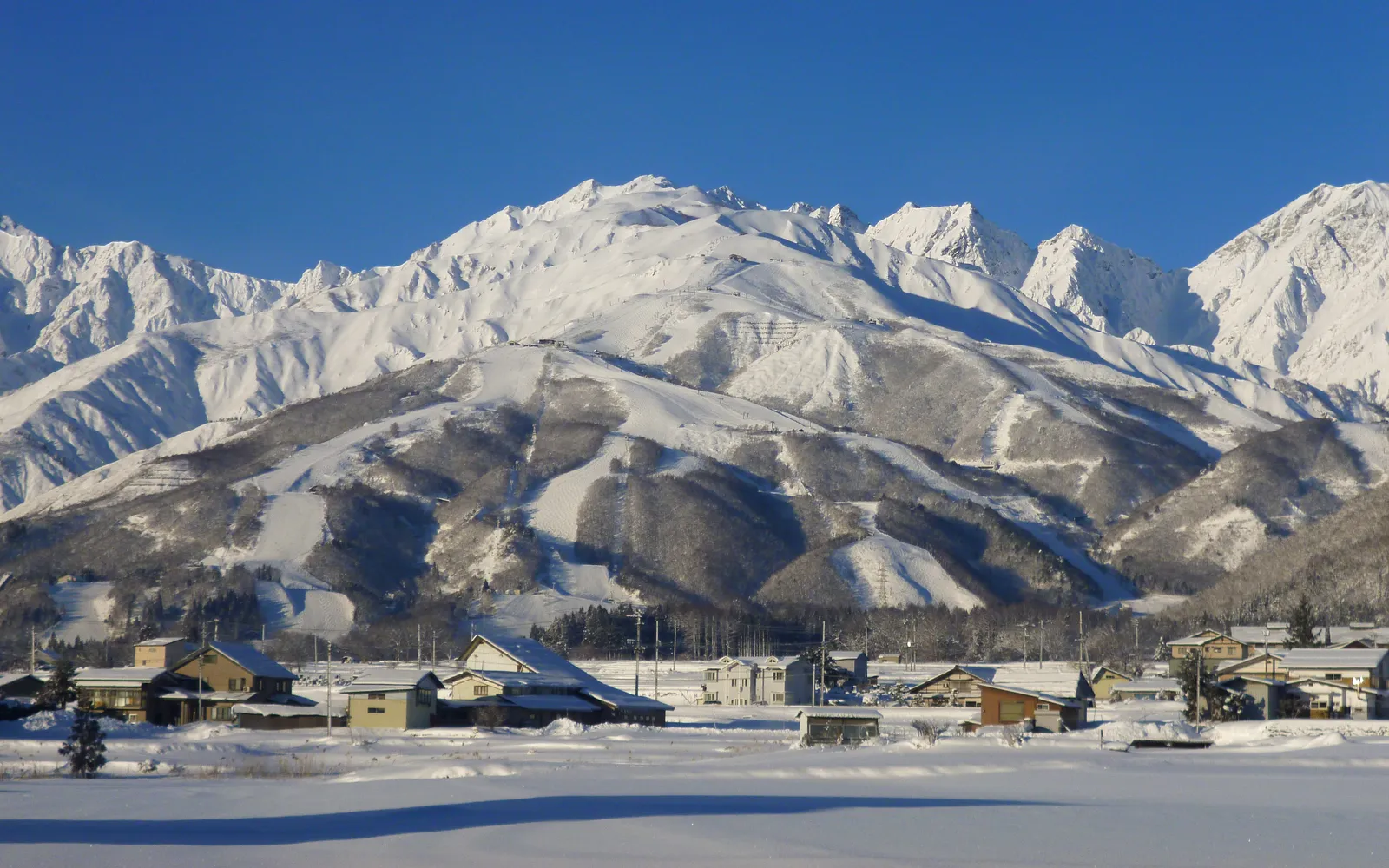
A major ski destination that hosted the 1998 Winter Olympics, made up of 10 interconnected resorts. Average annual snowfall exceeds 11 metres, and Happo-one is the largest and most well-known resort in the valley. Summer visits are equally worthwhile for hiking, mountain biking, and views of the Northern Alps.
- January–March is peak ski season; the light, dry powder (Japow) has an international following
- Book accommodation at least 3 months ahead during peak winter
- Summer prices drop significantly and the green mountain scenery is a complete contrast to winter
Where to stay in Nagano for this trip
A well-located hotel means less commuting and more sightseeing. Here are real, top-rated stays in Nagano — compare Agoda · Booking · Trip.com in one click.
Kanbayashi Hotel Senjukaku
Affiliate links — we may earn a commission at no extra cost to you. Details
Yorozuya Annex Yurakuan
Affiliate links — we may earn a commission at no extra cost to you. Details
Hakuba Tokyu Hotel
Affiliate links — we may earn a commission at no extra cost to you. Details
1166 Backpackers
Affiliate links — we may earn a commission at no extra cost to you. Details
Tours, tickets & activities in Nagano
Day tours, attraction tickets and travel essentials for Nagano — book ahead on Klook with mobile e-tickets.
Affiliate links — we may earn a commission at no extra cost to you.
Before You Pack
Nagano is one of the few prefectures in Japan where every single season brings a genuinely different reason to visit. Plan for at least 3–4 days to take in both the city itself and the surrounding towns that make it worth the detour.