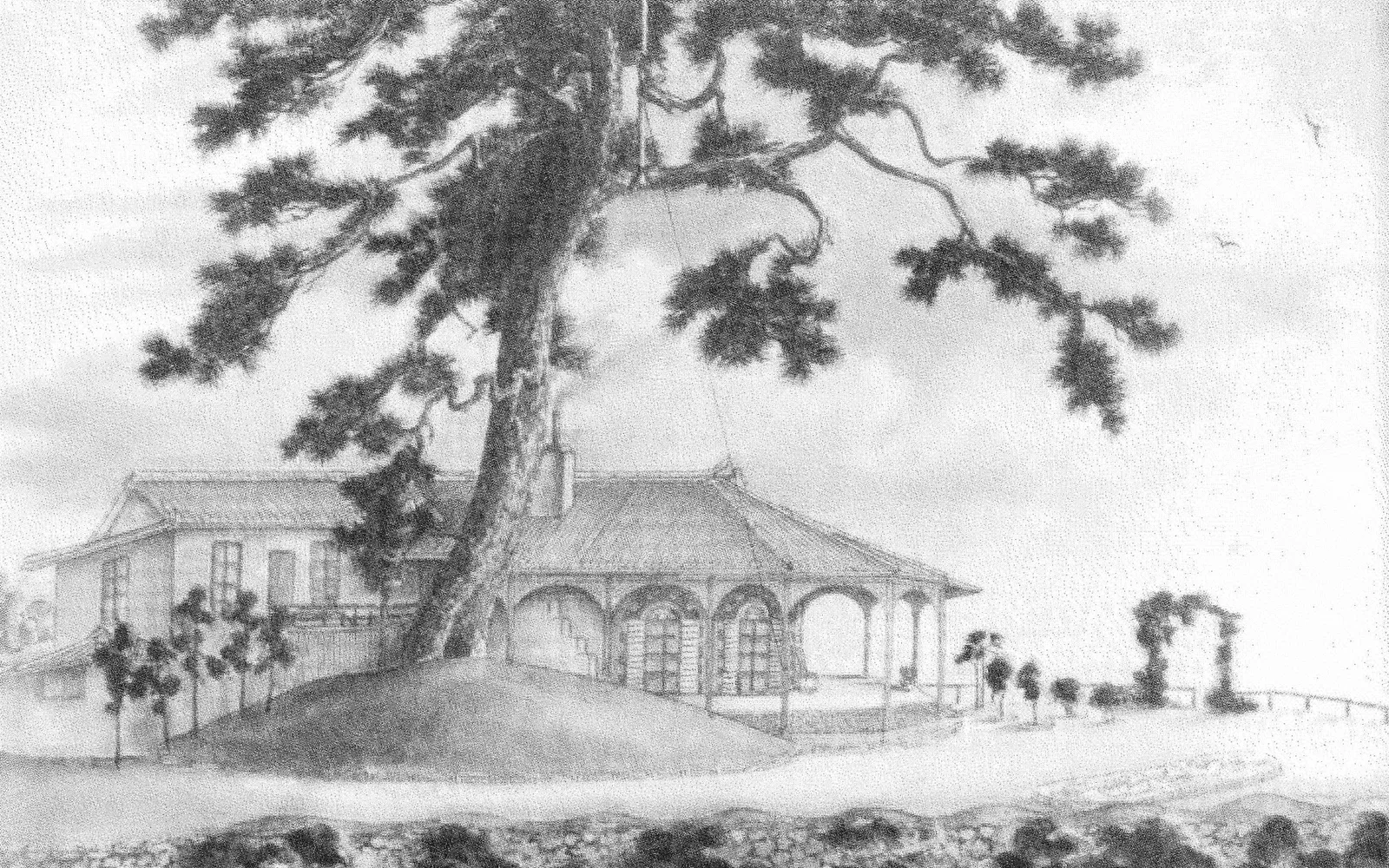
Nagasaki was absorbing food cultures from around the world before any other city in Japan. During the centuries when the rest of the country was closed to foreigners, Nagasaki remained the one open port — and Chinese merchants, Dutch traders, and Portuguese priests each left their mark on the way the city eats. Champon, with its thick noodles simmered in a rich broth of pork and seafood, was invented to feed poor Chinese students cheaply. Sara Udon evolved directly from Champon. Castella and Toruko Rice both reflect the city's long ties to Portugal and the broader Western world. Every dish here is history you can taste.
 #1
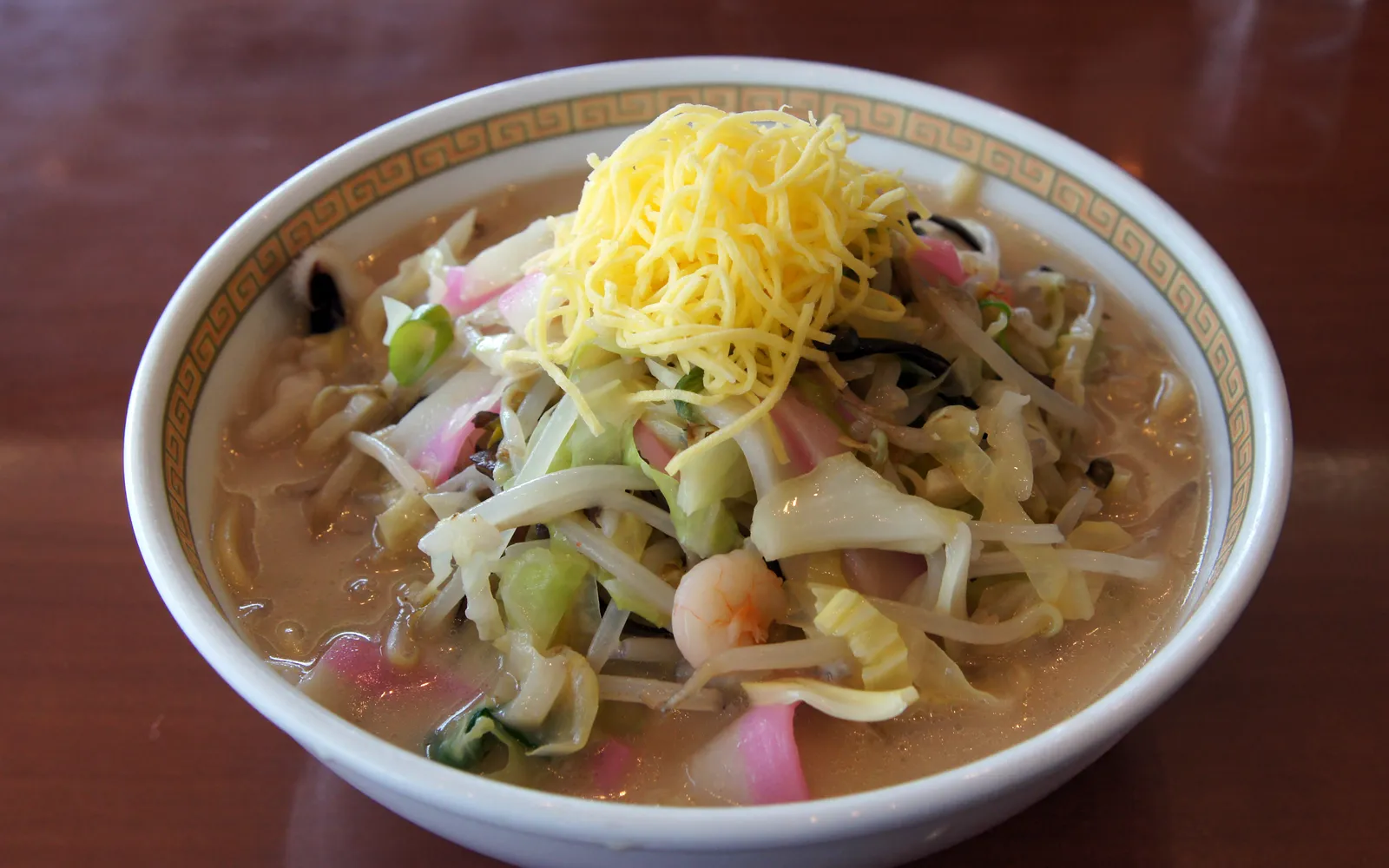
#1 Champon · Champon
The dish you have to eat before you leave Nagasaki. Thick udon-style noodles are cooked directly in a broth made from pork and chicken bones, then piled with pork, seafood, cabbage, bean sprouts, and a variety of other vegetables. The white, slightly cloudy broth is full-bodied without being salty. The dish is believed to have been created by the owner of Shikairou restaurant during the Meiji era as a filling, affordable meal for poor Chinese students. Today it is one of the most well-known regional dishes in all of Japan.
- Shikairou (四海楼) in Matsugaemachi is the original restaurant, founded in 1899.
- Every restaurant has its own take — some use a purely white broth, others add fish stock. The variation is worth exploring.
- A standard portion is generously loaded with vegetables and quite filling. If you're not very hungry, a regular Champon is plenty.
 #2
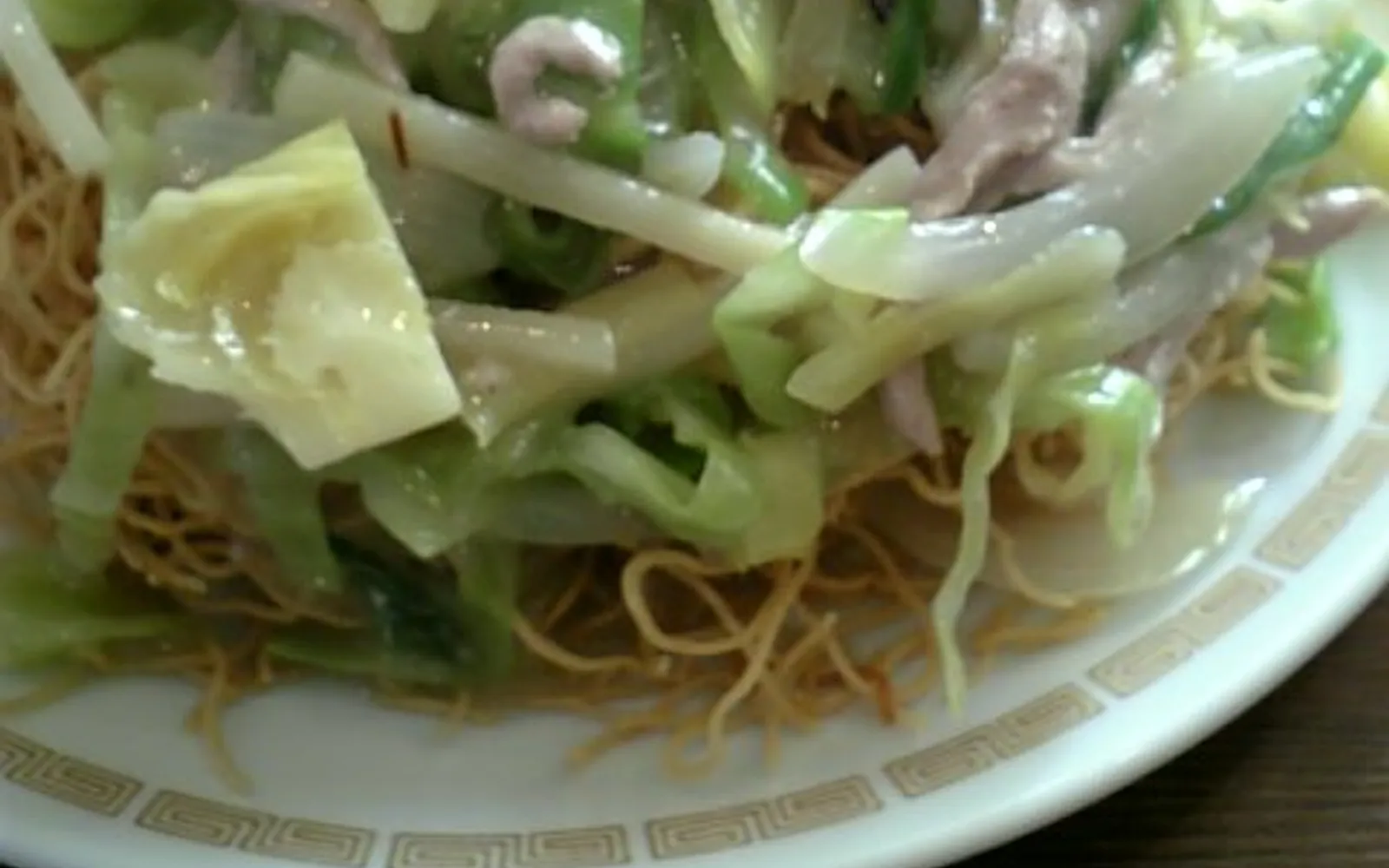
#2 Sara Udon · Sara Udon
Champon's equally interesting sibling. The toppings are the same — pork, seafood, and vegetables — but instead of simmering noodles in broth, thin noodles are deep-fried until crisp and placed on a plate, then covered with a thick sauce from the stir-fried ingredients. The crispy noodles soak up the sauce beautifully, giving a completely different texture from Champon while staying in the same flavour family. Ordering both together to compare them is a common move.
- Try ordering both Champon and Sara Udon to share — you can compare two styles in one sitting.
- Some restaurants offer two versions of Sara Udon: thin and crispy, or thick and soft-boiled. Worth asking.
- A squeeze of citrus or a splash of rice vinegar cuts through the richness of the sauce nicely.
 #3
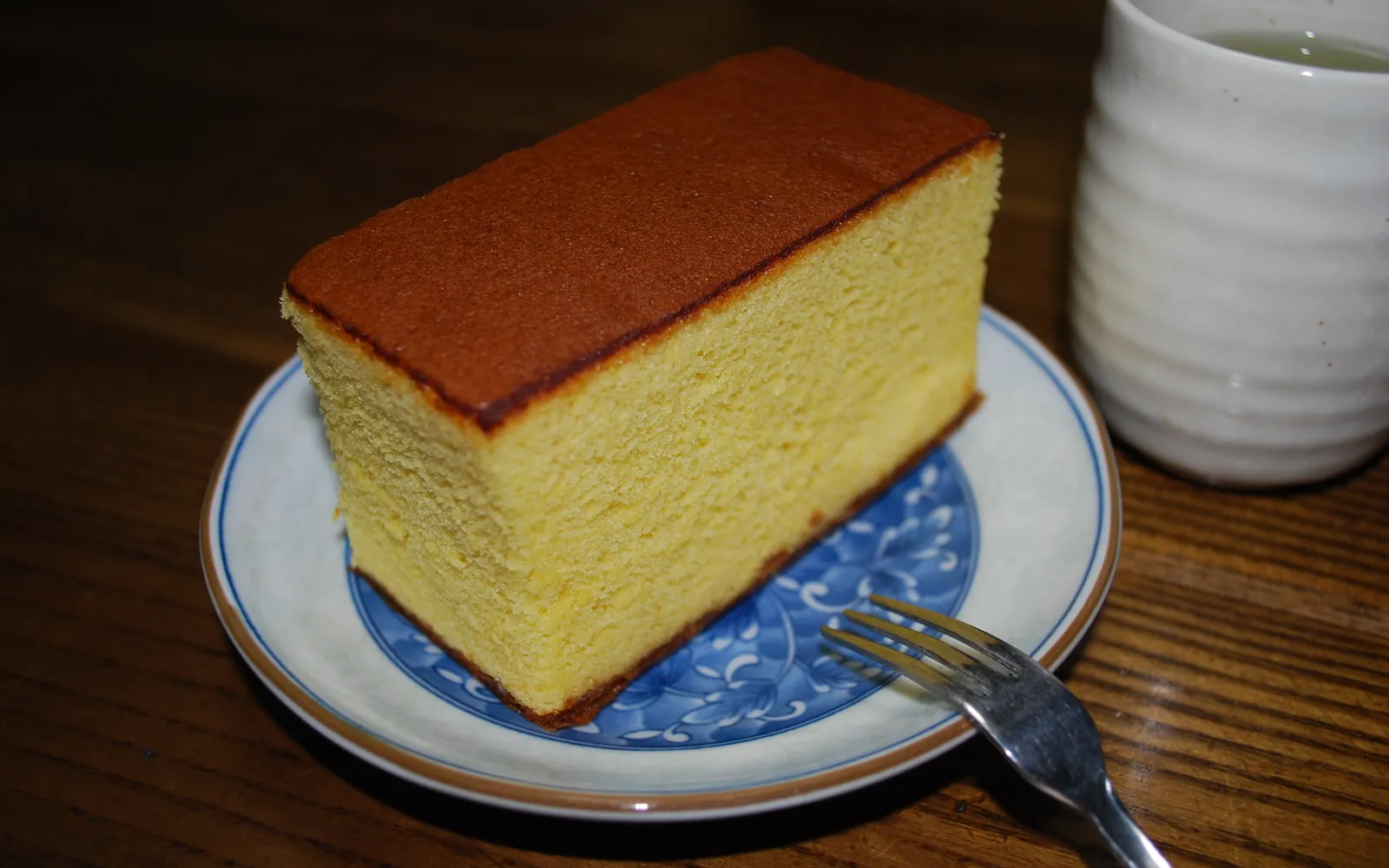
#3 Castella · Castella
A Japanese sponge cake with roots in 16th-century Portugal — the name comes from Castile, a region of Spain. The exterior is plain and unpretentious, but the inside is soft, moist, and gently sweet, made from wheat flour, eggs, sugar, and starch syrup. Fukusaya (福砂屋), founded in 1624, is still selling the same cake today and has become Nagasaki's number-one souvenir that visitors consistently take home.
- Fukusaya (福砂屋) is the oldest brand, operating since 1624 — the flavour is deeper and less sweet than most.
- Shooken (松翁軒), founded in 1681, makes a slightly softer, milder version that works well if you prefer less sweetness.
- Buying a larger box is more economical, keeps for several days, and makes an excellent gift.
 #4
#4 Toruko Rice · Toruko Rice
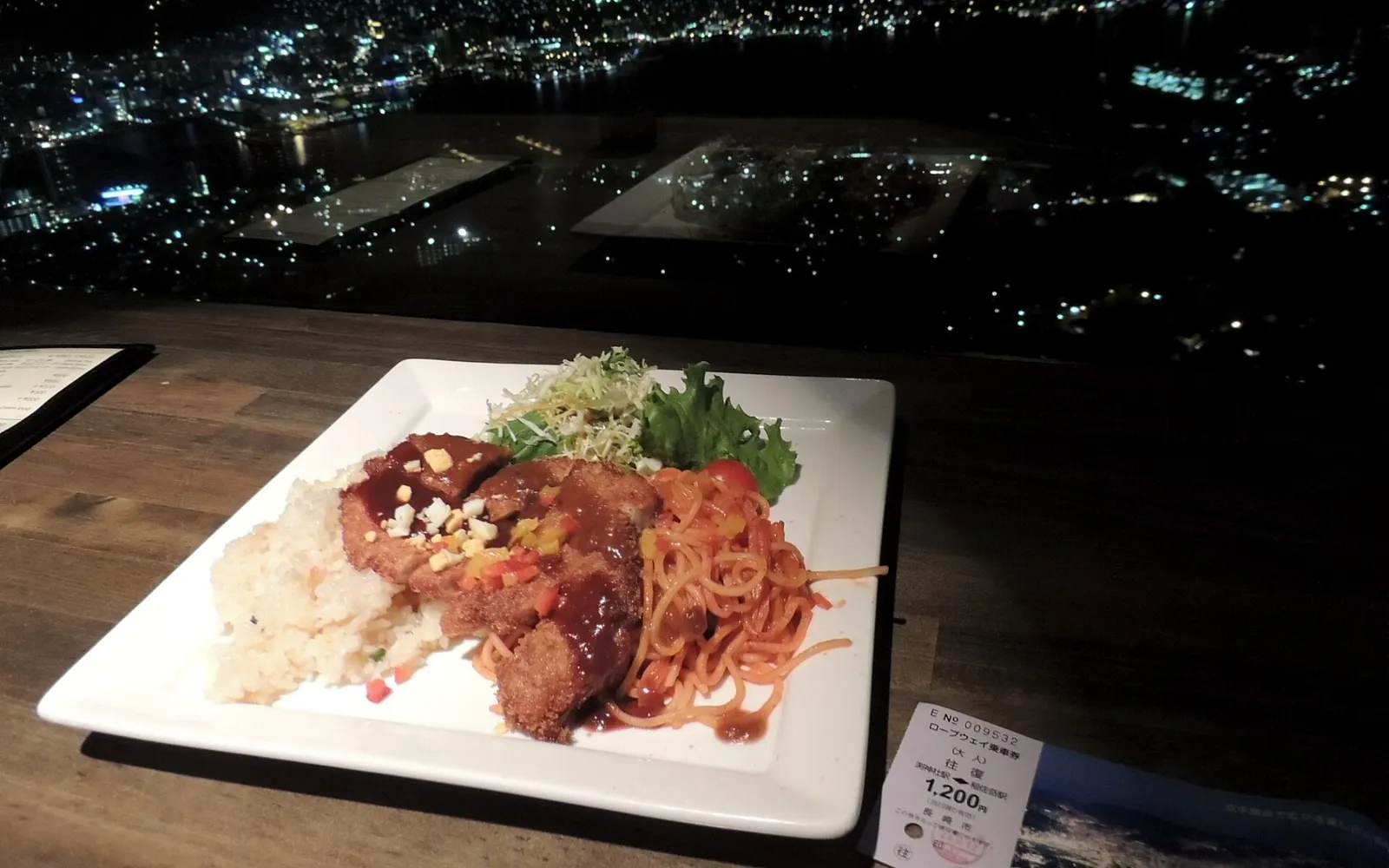
Nagasaki's strangest and most compelling dish. Three things that have no obvious business being together appear on one plate: East Asian-style fried rice, spaghetti in tomato sauce, and a panko-crumbed pork tonkatsu. The name means "Turkey" in Japanese — nobody knows for certain where it comes from, but one theory holds that Turkey, bridging East and West, was a fitting symbol for what Nagasaki has always done with food.
- Tsuruchan (ツル茶ん), founded in 1925, is the oldest coffee shop in Kyushu and the originator of Toruko Rice.
- Portions are generous. If you're not very hungry, ask whether a half-size option is available.
- Tsuruchan also serves a traditional-style milkshake — thick, cold, and sweet — that pairs well with the meal.
 #5
#5 Kakuni Manju (Braised Pork Belly Bun) · Kakuni Manju
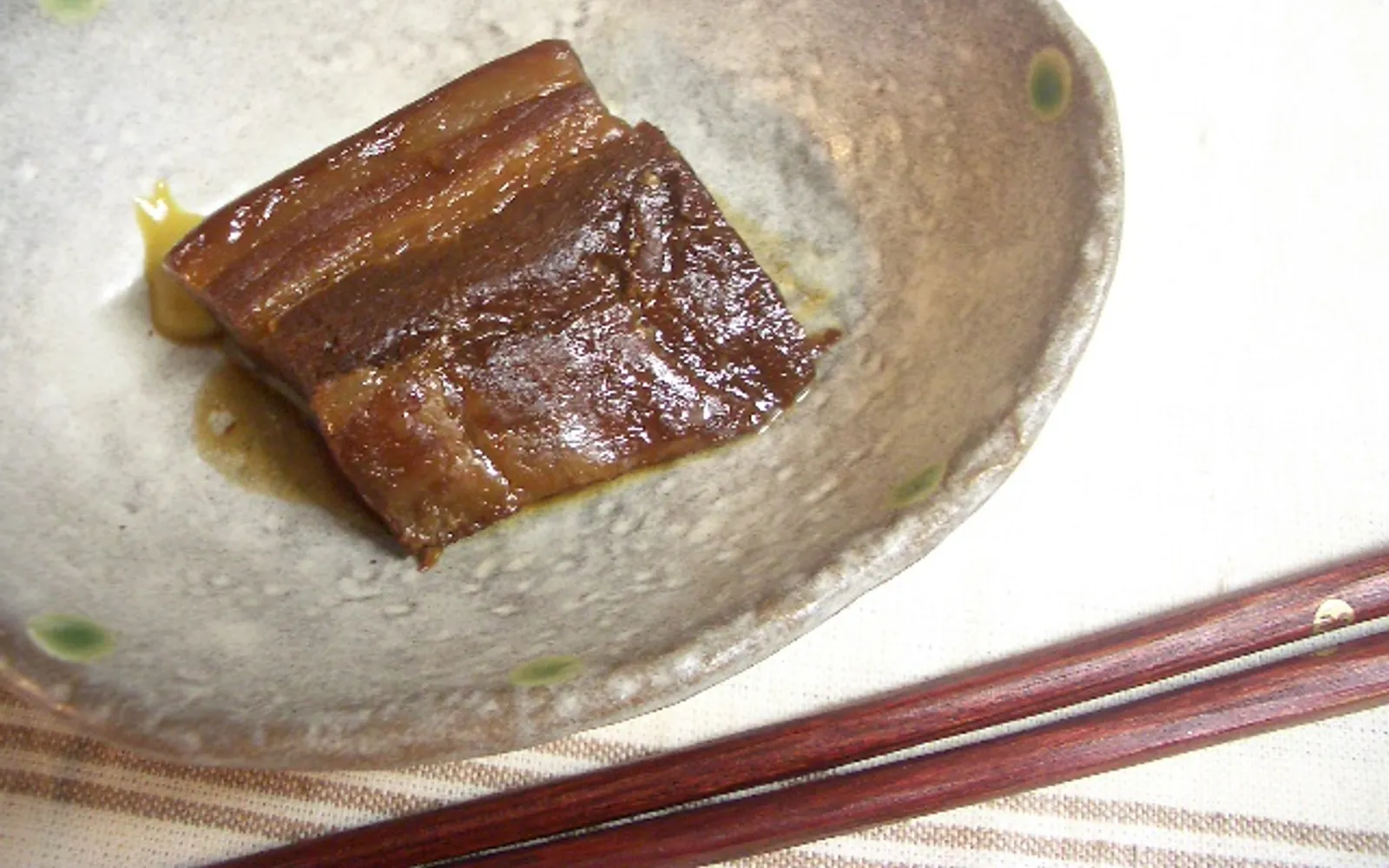
A Chinese-style snack that Nagasaki has shaped into something distinctly its own. The heart of it is pork belly braised for several hours in a sweet-and-savoury sauce until the meat is so tender it barely holds together with chopsticks. That filling goes inside a fluffy steamed white bun. The result is juicy and satisfying in equal measure. It's often sold as a walk-and-eat street snack, and also appears in Chinese-Nagasaki set meals.
- Yokochou in Chinatown and street-side stalls around the Dejima area often sell them ready to eat.
- The pork should be deeply soft and yielding. If it feels dense, the braising wasn't long enough — move on to a better stall.
- Makes an ideal snack if you're walking through Shinchi and Dejima in the same afternoon.
 #6
#6 Nagasaki Milkshake · Nagasaki Milkshake
This is not a milkshake in the modern sense. It's a cold dessert thick enough to eat with a spoon, closer in texture to soft-serve ice cream than a drink. The original recipe comes from Tsuruchan, which has been open since 1925 and still makes the same pre-war formula passed down through generations. A red cherry on top has become the restaurant's signature. Eating one here is a small time-travel to the Showa era — a version you won't find at any modern chain.
- Tsuruchan has been open since 1925 and still uses the original recipe. Go here first.
- Ordering it alongside Toruko Rice makes for a complete Nagasaki-style meal in one sitting.
- It's sweeter than modern milkshakes. If you're sensitive to sweetness, consider the smaller size to start.
Where to stay in Nagasaki for this trip
A well-located hotel means less commuting and more sightseeing. Here are real, top-rated stays in Nagasaki — compare Agoda · Booking · Trip.com in one click.
Dormy Inn Premium Nagasaki Ekimae
Affiliate links — we may earn a commission at no extra cost to you. Details
Nagasaki Marriott Hotel
Affiliate links — we may earn a commission at no extra cost to you. Details
Garden Terrace Nagasaki Hotels & Resorts
Affiliate links — we may earn a commission at no extra cost to you. Details
Hilton Nagasaki
Affiliate links — we may earn a commission at no extra cost to you. Details
Tours, tickets & activities in Nagasaki
Day tours, attraction tickets and travel essentials for Nagasaki — book ahead on Klook with mobile e-tickets.
Affiliate links — we may earn a commission at no extra cost to you.
Before You Pack
Work through all 6 dishes and you'll understand why Nagasaki has a food identity unlike any other city in Japan. Every flavour here is a direct result of centuries of openness — a city that let the world in and made something entirely its own.