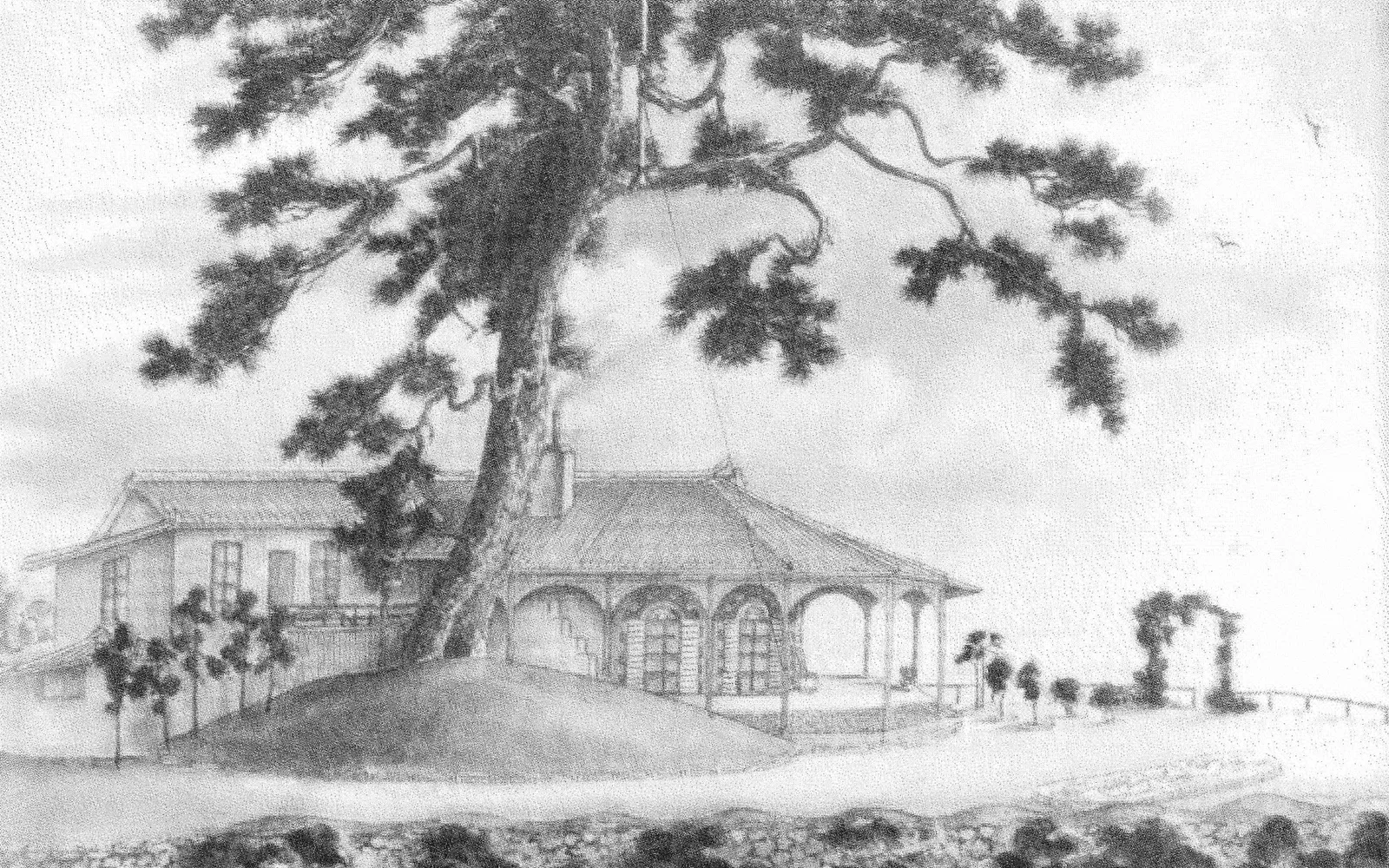
Nagasaki carries more layers of history than almost any other Japanese city. From its Edo-period role as Japan's sole open port to the atomic bombing of August 9, 1945 — a date permanently etched into human memory — every street corner holds traces of cross-cultural encounter: Catholic churches, Chinese temples, a Dutch trading post on the artificial island of Dejima, and Japan's oldest surviving Chinatown. After dark, Mount Inasa delivers a city-lights panorama that consistently ranks among the most beautiful night views on earth. There is simply nowhere else in Japan quite like it.
 #1
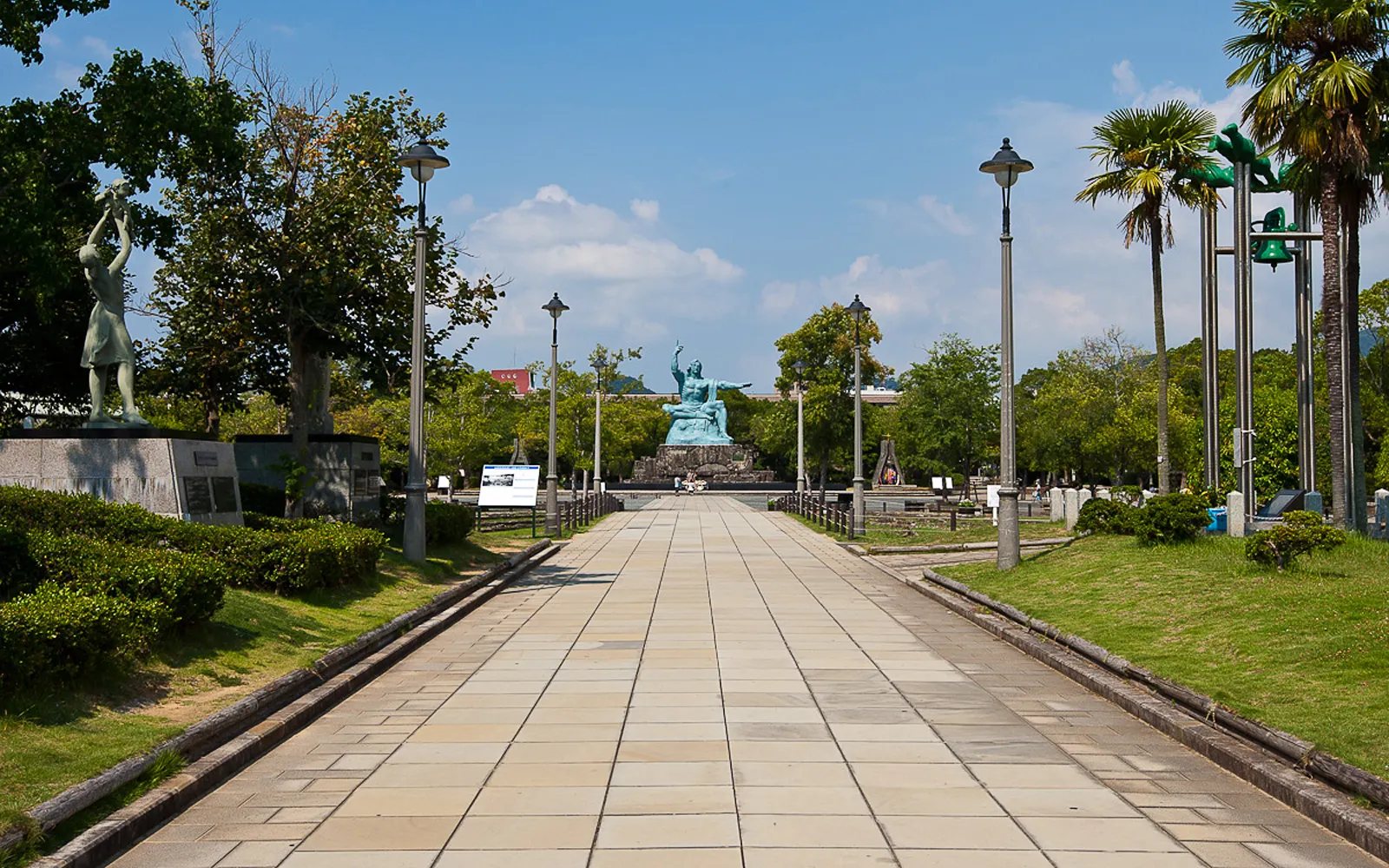
#1 Nagasaki Peace Park · Nagasaki Peace Park
A public park created to honour those who lost their lives in the atomic bombing of August 9, 1945. The centrepiece is the <strong>Peace Statue</strong> — 9.7 metres of bronze sculpted by Seibo Kitamura — right hand pointing skyward to mark the bomb's threat, left hand extended flat as a symbol of peace. Around the park stand monuments donated by nations from every part of the world. The atmosphere is quiet and genuinely affecting.
- The park is open 24 hours with no admission fee. Early morning — before 9 a.m. — is the quietest and most moving time to visit.
- At the base of the park stands the Peace Fountain, a memorial to the thirst of those wounded on that day.
- Continue from here to the Atomic Bomb Museum and the Hypocenter (ground zero), all within easy walking distance.
 #2
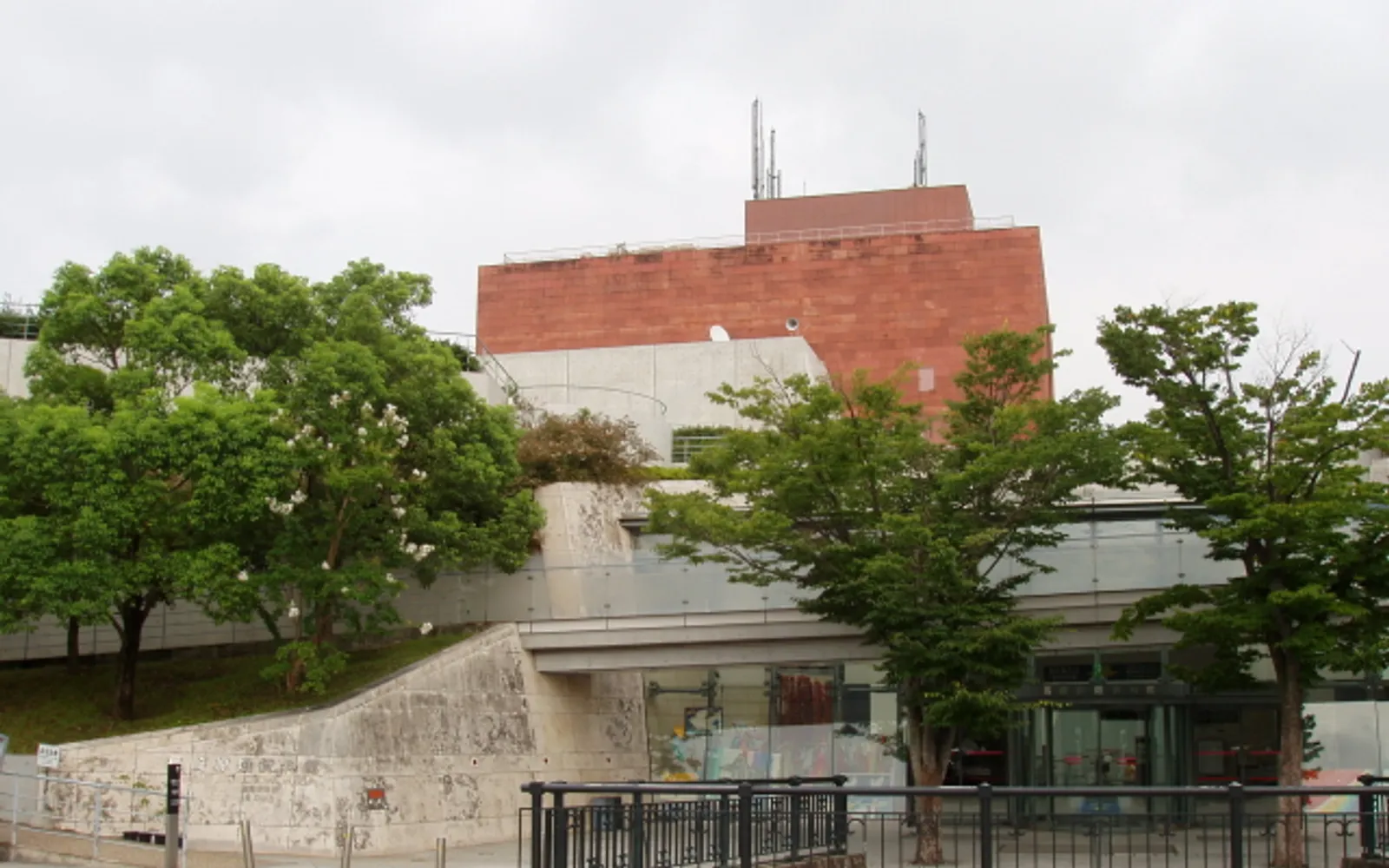
#2 Nagasaki Atomic Bomb Museum · Nagasaki Atomic Bomb Museum
The most thorough and unflinching documentary record of the Nagasaki bombing anywhere in the world. Over <strong>927 artefacts</strong> are on display — a clock stopped at 11:02 a.m., fragments of Urakami Cathedral's stone walls, photographs, and survivor testimonies. The museum does not present grief alone: it contextualises the bombing within World War II and addresses nuclear arms control directly and without evasion.
- Allow at least 1.5–2 hours. The content is dense and deserves slow reading.
- Full English captions are provided throughout; audio guides are also available.
- Combine this with the Peace Park and the Hypocenter in a single half-day.
 #3
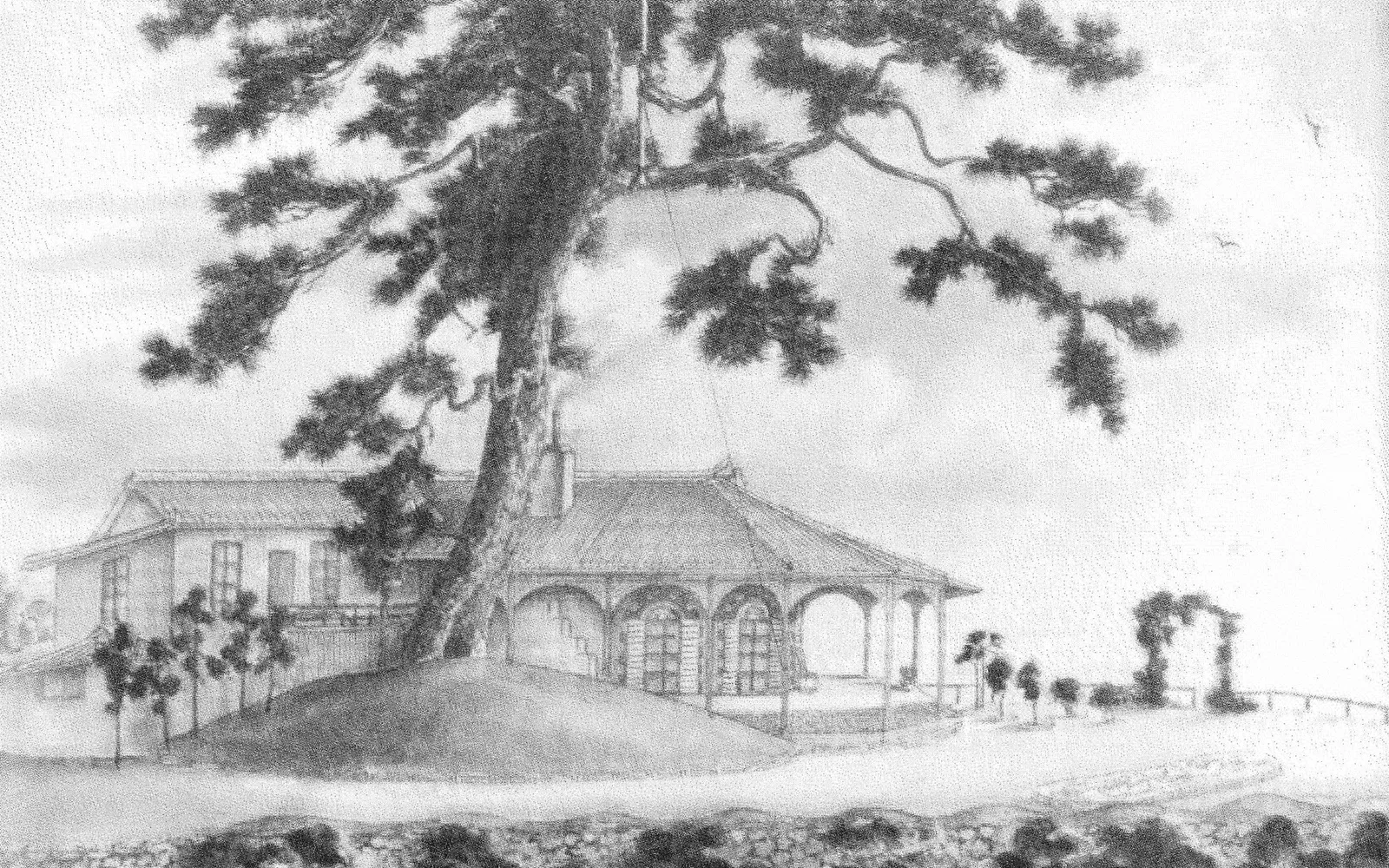
#3 Glover Garden · Glover Garden
An open-air hillside garden that gathers the oldest surviving Western-style residences in Japan. The anchor is the home of <strong>Thomas Blake Glover</strong>, a Scottish merchant who helped lay the foundations of modern Japanese industry — built around 1863 in a hybrid Western-Japanese style. Views across Nagasaki Bay are superb, and the garden also features a statue of Madama Butterfly, the operatic character whose story drew inspiration from this very place.
- Take the escalator to the top first and walk down — it saves energy and the views open up more gradually.
- Cherry blossom and azalea season (April–May) makes the garden especially striking.
- Glover Garden opens 8:00–18:00 (extended to 21:30 in summer); admission is ¥620.
 #4
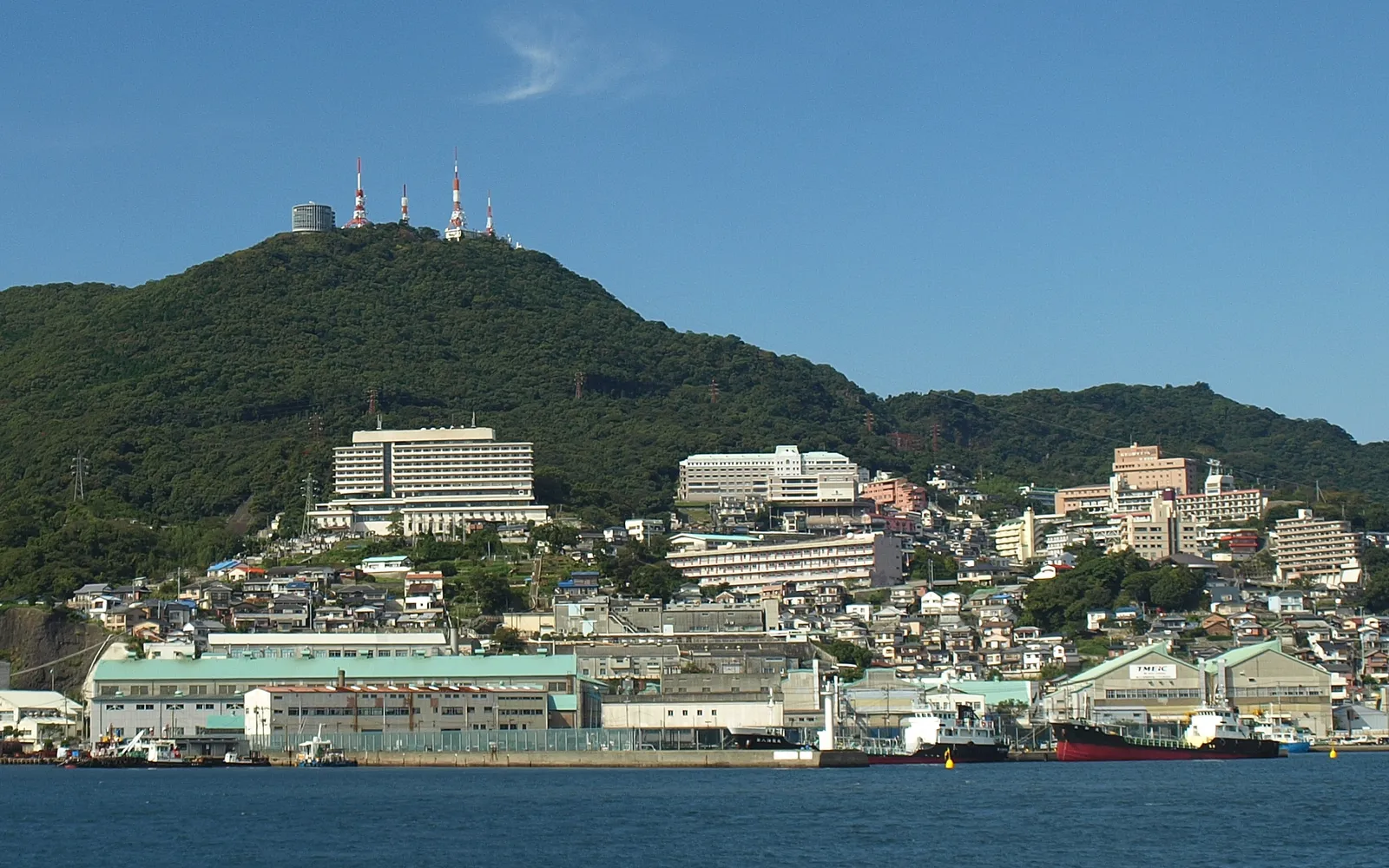
#4 Mount Inasa · Mount Inasa
A <strong>333-metre peak</strong> served by the Nagasaki Ropeway, which lifts you to a 360-degree observation deck in five minutes. Nagasaki's night view from here is recognised as one of the three most beautiful in the world — alongside Hong Kong and Hakodate — with the city's lights doubling in the waters of the bay below. It is the kind of sight that stays with you long after you leave.
- The Nagasaki Ropeway return ticket costs ¥1,250; the ride takes 5 minutes each way.
- Arrive 30 minutes before sunset to catch both the daylight panorama and the transition to night.
- Clear autumn days offer the sharpest visibility — check the weather forecast before going.
 #5
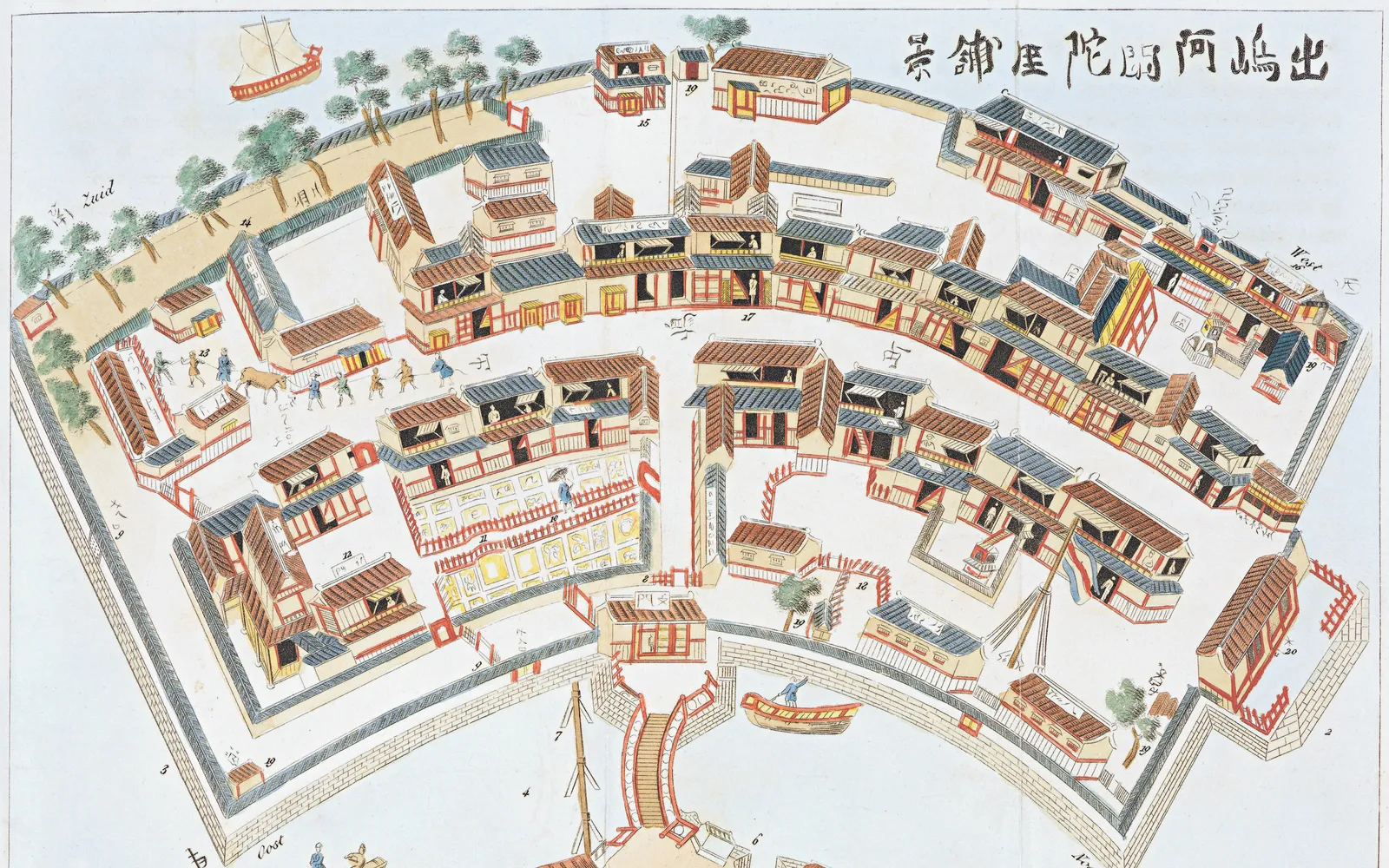
#5 Dejima · Dejima
A small fan-shaped artificial island built in <strong>1636</strong>, during Japan's period of national seclusion. Dejima was the only place in the country where Dutch merchants were permitted to live and trade — making it the sole conduit for Western knowledge into Japan for more than 200 years. Today over 25 buildings have been reconstructed, with exhibitions and staff in period Dutch costume to bring the history to life.
- Admission ¥520 (adults); open 8:00–21:00 (last entry 20:40).
- Read the signage and use the audio guide in each room — the content is genuinely fascinating.
- The exterior perimeter of the island is free to walk; several restaurants nearby stay open into the evening.
 #6
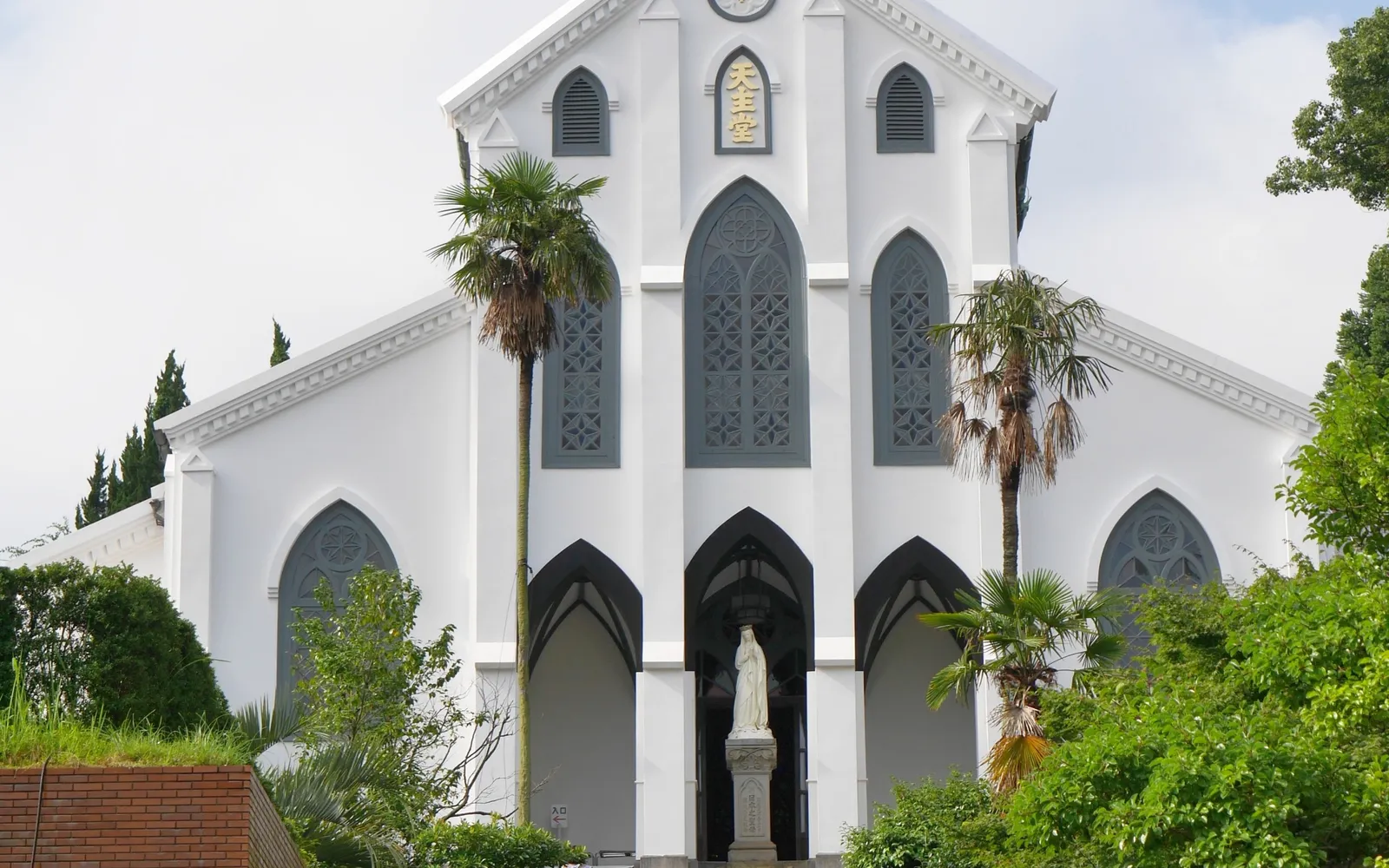
#6 Oura Cathedral (Oura Tenshudo) · Oura Cathedral
The oldest intact Catholic church in Japan, completed in <strong>1864</strong> by French missionaries and designed to commemorate the <strong>26 Martyrs of Japan</strong> who were executed in 1597. In 1865, a group of hidden Christians from Urakami revealed themselves to the priest here — an event known as the "Discovery of Hidden Christians" — and the cathedral is now a <strong>UNESCO World Heritage Site</strong>.
- Admission ¥1,000; open 8:00–18:00. Photography is not permitted inside.
- The stained-glass windows inside are exceptional — take time to look at each one carefully.
- The cathedral shares the same hillside as Glover Garden; combine both in one visit.
 #7
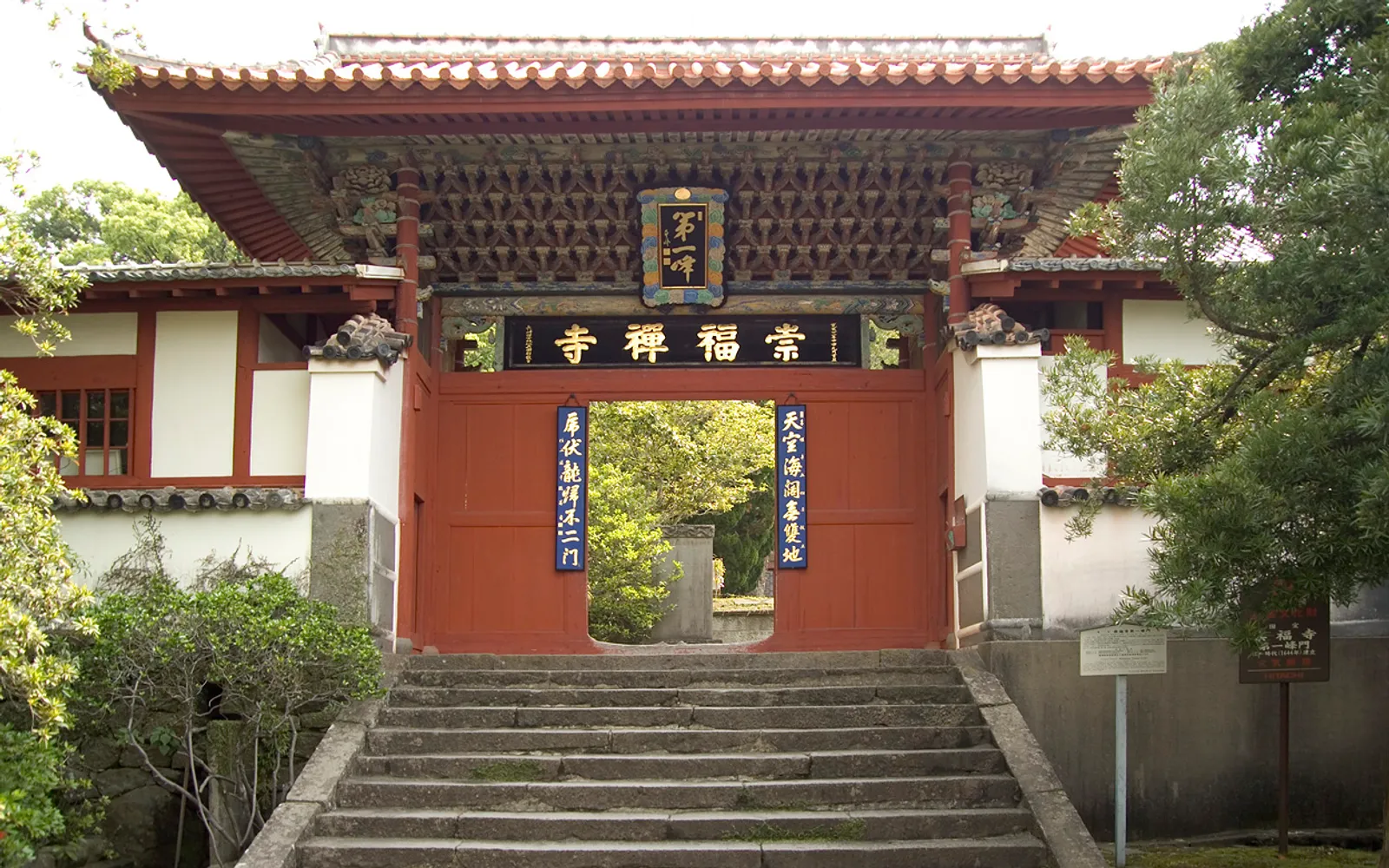
#7 Sofukuji Temple · Sofukuji Temple
A Chinese Zen Buddhist temple founded in <strong>1629</strong> by a monk from Fujian Province, and the finest example of <strong>Ming-dynasty Chinese architecture</strong> in Japan. Two structures are designated National Treasures: the Daiippomon gate and the deep-red Daiyu-hoden main hall. Dragon carvings and sweeping curved rooflines make this feel entirely unlike any conventional Japanese temple.
- Admission ¥300; open 8:00–17:00 daily.
- In the inner courtyard stands a massive ancient cauldron once used to boil rice gruel for the hungry during famines.
- A further 10-minute walk brings you to Kofukuji, another beautifully preserved Chinese temple worth the detour.
 #8
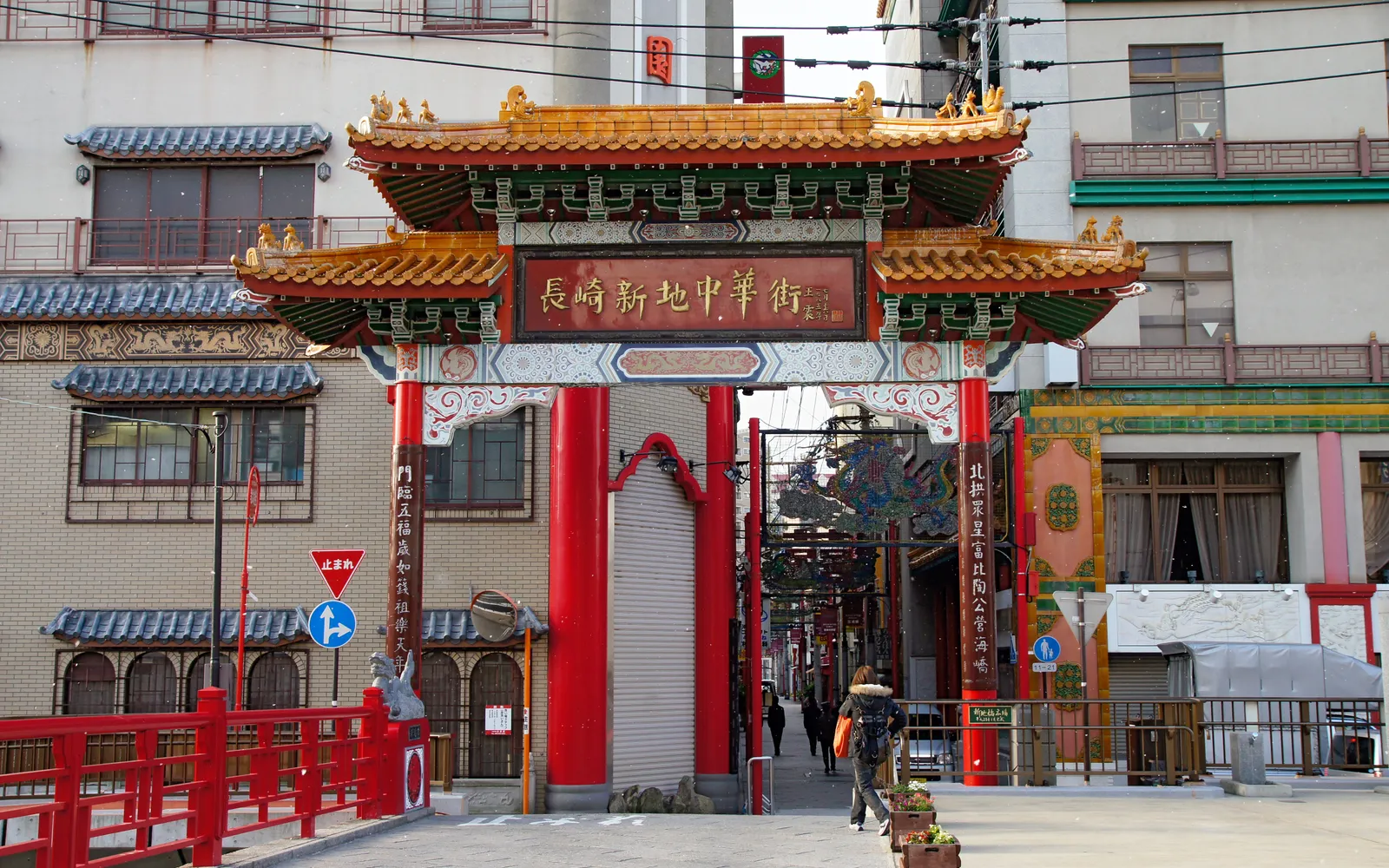
#8 Nagasaki Shinchi Chinatown · Nagasaki Shinchi Chinatown
<strong>Japan's oldest Chinatown</strong>, established before the Edo period when Chinese merchants were the only foreign community living in Nagasaki alongside the Dutch on Dejima. Smaller than the Chinatowns in Kobe or Yokohama, but denser — packed with Nagasaki-Chinese restaurants, sweets stalls, and strings of red lanterns that create an atmosphere unlike anywhere else in Japan. Each January–February the <strong>Nagasaki Lantern Festival</strong> lights up the city with over <strong>15,000 lanterns</strong>, drawing visitors from across the country.
- The Lantern Festival runs during the Chinese New Year period (January–February) — book accommodation several months ahead.
- The champon noodle and sara-udon shops in this neighbourhood are the real thing: long-standing originals at honest prices.
- A full circuit of the district takes only 30–40 minutes on foot, but allow extra time to stop for lunch or snacks.
Where to stay in Nagasaki for this trip
A well-located hotel means less commuting and more sightseeing. Here are real, top-rated stays in Nagasaki — compare Agoda · Booking · Trip.com in one click.
Dormy Inn Premium Nagasaki Ekimae
Affiliate links — we may earn a commission at no extra cost to you. Details
Nagasaki Marriott Hotel
Affiliate links — we may earn a commission at no extra cost to you. Details
Garden Terrace Nagasaki Hotels & Resorts
Affiliate links — we may earn a commission at no extra cost to you. Details
Hilton Nagasaki
Affiliate links — we may earn a commission at no extra cost to you. Details
Tours, tickets & activities in Nagasaki
Day tours, attraction tickets and travel essentials for Nagasaki — book ahead on Klook with mobile e-tickets.
Affiliate links — we may earn a commission at no extra cost to you.
Before You Pack
Nagasaki rewards at least 2–3 days of slow, attentive travel — time enough to absorb the weight of its history, admire the architecture that no other Japanese city has, and then end the evening on a mountain looking down at lights reflected in the bay.