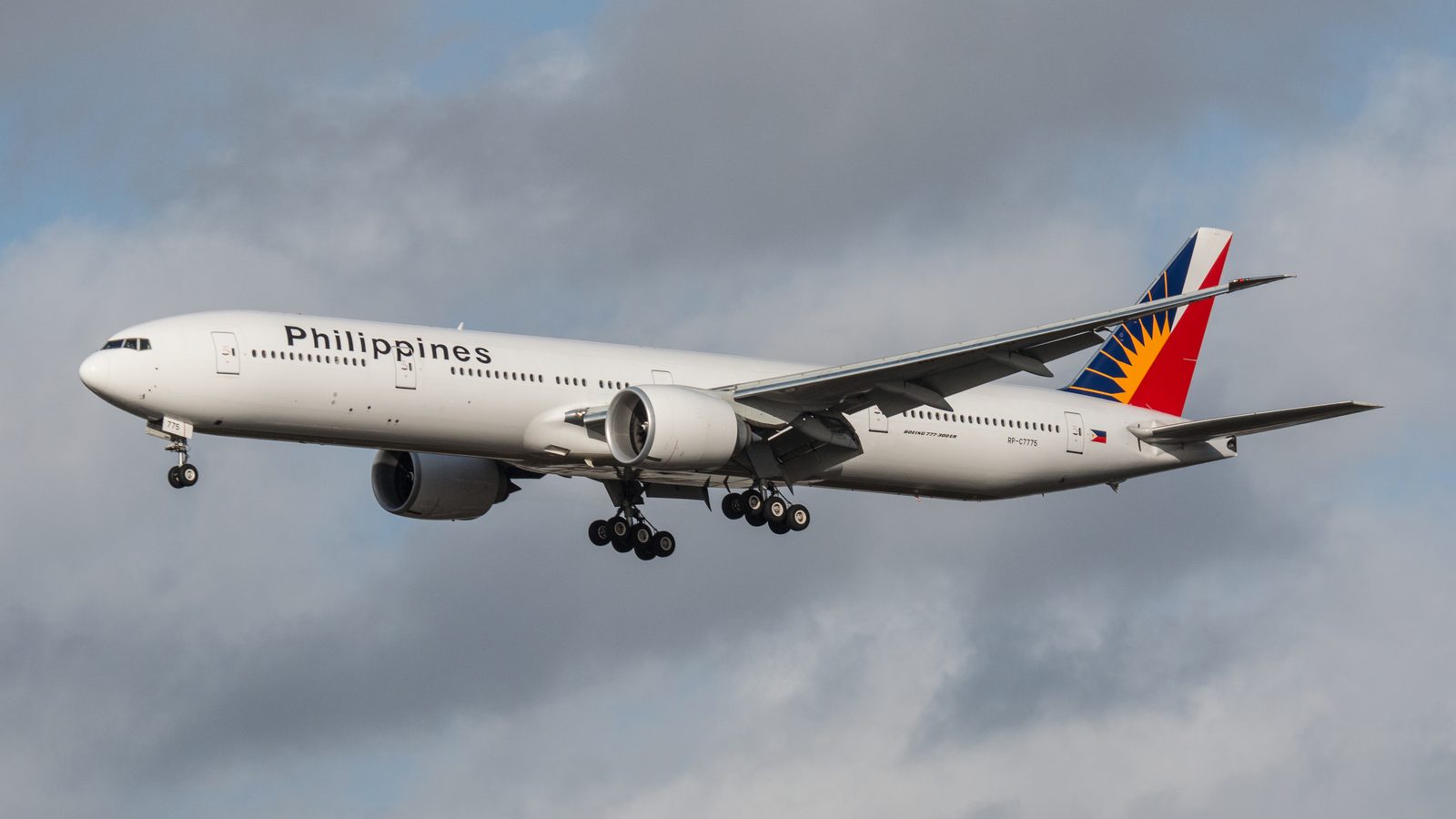
Think you can fly to Japan for from ฿8,716 on a true full-service airline — hot meals, 30 kg baggage, comfortable seats? We flew Philippine Airlines via Manila and break down exactly whether it beats the low-cost carriers once you add up all the extras.
Flights to Japan have never looked cheaper on paper — low-cost carriers keep undercutting each other, and the headline fares are genuinely tempting. But run the real numbers: add checked baggage, two meals across a long-haul journey, a seat selection fee, and a bottle of water mid-flight, and suddenly that bargain ticket looks a lot less bargain-like.
That is where Philippine Airlines (PR) becomes interesting. Routing via Manila, fares start at ฿8,716 — and that price includes 30 kg checked baggage, hot meals, a 31-inch seat pitch, and a personal entertainment screen. We did the maths, and the value case holds up.
The Real Flight Experience — BKK to Tokyo Narita
We took a morning departure from Suvarnabhumi. The BKK–MNL leg runs about 3.5 hours, followed by roughly a 2-hour transit at Manila NAIA Terminal 2, then a 4-hour MNL–NRT leg to Tokyo.
The Tokyo sector operated on an A321neo — a newer aircraft with personal screens at every seat, USB charging ports, and leather seats measuring around 17.5 inches wide. At 175 cm tall, there was no knee contact with the seat ahead. The 31-inch pitch makes a genuine difference on anything over three hours.
Meals: breakfast was a chicken omelette with rice, a croissant, fruit, orange juice, and coffee. The post-transit meal was stir-fried chicken and rice with a hot soup. Nothing elaborate, but warm, fresh, and satisfying for a long flight. Cabin crew were attentive, consistently smiling, and fluent in English.
NAIA Terminal 2 — What Is the Transit Actually Like?
NAIA T2 is Philippine Airlines' dedicated terminal, and it is more comfortable than its reputation suggests. There are local and international restaurant chains, convenience stores, a solid duty-free section, and free Wi-Fi that connects quickly. The terminal is modern enough to make a 2–3 hour wait genuinely painless.
Mabuhay Miles members and Business Class passengers have access to the Mabuhay Lounge — hot food, drinks, showers, and reclining sofas. Economy travelers can access a pay-per-use lounge for approximately USD 25–30 if they want to upgrade the wait.
Philippine Airlines vs. Low-Cost — Who Actually Wins on Price?
Comparing against AirAsia X or Scoot, where headline fares sometimes sit at ฿6,000–7,000, the low-cost option looks cheaper at first glance. But add the real costs:
- 20 kg checked baggage: ฿2,000–2,500 (Philippine Airlines includes 30 kg free)
- Two meals across the journey: ฿800–1,000 (Philippine Airlines includes both free)
- Seat selection: ฿300–800 (Philippine Airlines offers free selection at online check-in)
- Seat comfort: 28–29 inch pitch on low-cost vs. 31 inches on Philippine Airlines
Once you add those extras, a low-cost ticket to Tokyo can land at ฿9,000–10,500 — which is more expensive than Philippine Airlines, with a narrower seat, no screen, and no hot food. And that is before factoring in how much better full-service carriers handle delays and disruptions.
Who Is Philippine Airlines Right For?
This airline is an excellent fit for travelers who are not in a rush — people willing to spend 2–4 hours in Manila in exchange for genuine comfort and solid value. Families checking multiple bags, anyone who wants a hot meal on a long flight, and taller travelers who need legroom will all find the trade-off worthwhile.
If a direct flight matters more than cost, Thai Airways, JAL, ANA, or Nok Scoot Direct are the alternatives — though fares will be meaningfully higher.
Verdict — Is Philippine Airlines Worth It for Japan?
Absolutely, for travelers who value comfort over speed. At ฿8,716 you get 30 kg baggage, hot meals, and a proper seat — all inclusive. Once you price out a low-cost equivalent with the same luggage and meals, Philippine Airlines frequently comes out cheaper or equal, with a noticeably better on-board experience.
Book 2–4 months ahead, avoid Golden Week and cherry blossom season, and aim for a 2–3 hour connection in Manila for the smoothest experience overall.
Routes & Destinations
Philippine Airlines (PR) connects Bangkok (BKK) to Japan's major destinations via a transit in Manila (MNL) — Tokyo Narita & Haneda, Osaka Kansai, Nagoya, Fukuoka, and seasonal Sapporo. Total journey time is roughly 7–9 hours depending on route and connection time.
Fleet types include the A321neo, A330, and A350-900 (used on newer Tokyo routes). Transiting through NAIA Terminal 2 — Philippine Airlines' dedicated terminal — is a relatively smooth experience, with restaurants, retail, and duty-free shops on site.
Approximate Fares
| Route / Class | Details | Price |
|---|---|---|
| BKK – Tokyo (NRT/HND) | Via Manila | From ฿8,716 |
| BKK – Osaka (KIX) | Via Manila | From ฿9,200 |
| BKK – Nagoya (NGO) | Via Manila | From ฿9,500 |
| BKK – Fukuoka (FUK) | Via Manila | From ฿9,800 |
| Business Class | BKK – Tokyo (via Manila) | From ฿35,000 |
* Approximate prices — subject to change by season and promotions.
Cabin Class Comparison
| Feature | Economy | Business |
|---|---|---|
| Checked baggage | 30 kg | 40 kg |
| Carry-on baggage | 7 kg | 10 kg |
| In-flight meals | 1–2 hot meals, free | Premium set menu, choice of dish |
| Seat pitch | 31 inches | 60-inch lie-flat |
| Lounge access | Not included | Mabuhay Lounge, complimentary |
| Priority check-in/boarding | Not included | Included |
| In-seat entertainment | Personal screen included | Large screen + premium headphones |
Pros & Cons
- Fares from ฿8,716 — competitive with or cheaper than low-cost once extras are added
- 1–2 hot meals included on every flight, no charge
- 30 kg checked baggage + 7 kg carry-on, free
- 31-inch seat pitch — noticeably more room than most low-cost carriers
- Personal in-seat screen on nearly all aircraft
- Earn Mabuhay Miles on every flight
- Manila transit adds 2–4 hours to total travel time
- Some departure times result in late arrivals at destination
- Older aircraft still lack Wi-Fi
- NAIA T2 can get crowded during peak periods — queues may be longer
Booking Tips
- Book 2–4 months ahead via philippineairlines.com or Trip.com — both often undercut third-party OTAs.
- Avoid peak travel windows — Golden Week (late Apr–early May), cherry blossom season (late Mar–early Apr), and autumn foliage (November) can push fares up 40–60%.
- Mind your connection time — a 2–3 hour layover in Manila is the sweet spot. Under that risks a missed connection; much longer and the journey feels unnecessarily long.
- Choose your seat early — front rows and exit rows cost a small fee but are well worth it on longer legs.
- Check in online 24 hours before — NAIA can be busy; online check-in saves meaningful time at the airport.