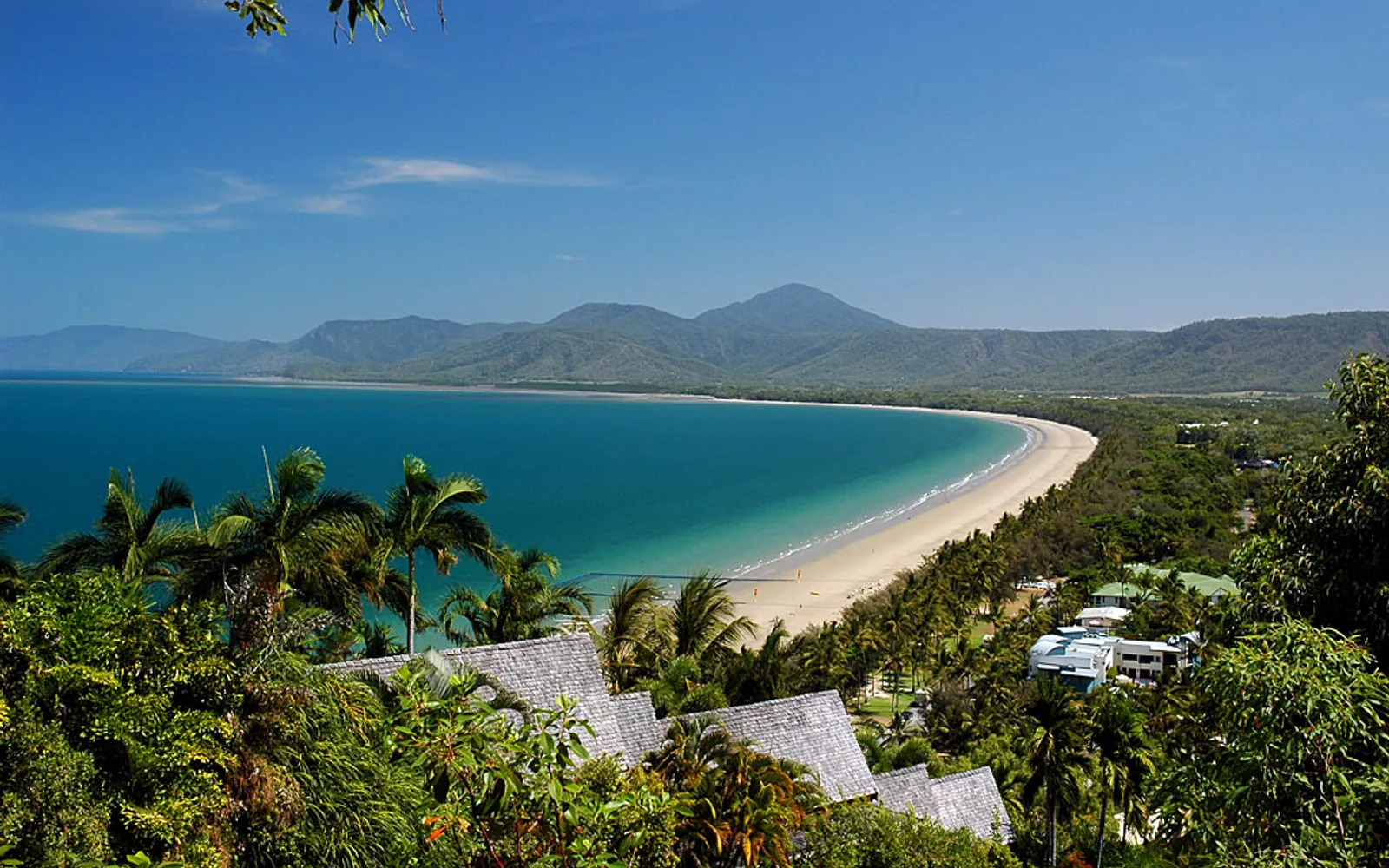
Port Douglas is one of the rarest travel towns on Earth, because here you can snorkel the Great Barrier Reef in the morning and hike the Daintree Rainforest the same afternoon — two UNESCO World Heritage sites less than an hour apart. Add long white-sand beaches and an unhurried resort feel, and this becomes one of the best destinations in Australia for anyone who loves nature.
 #1
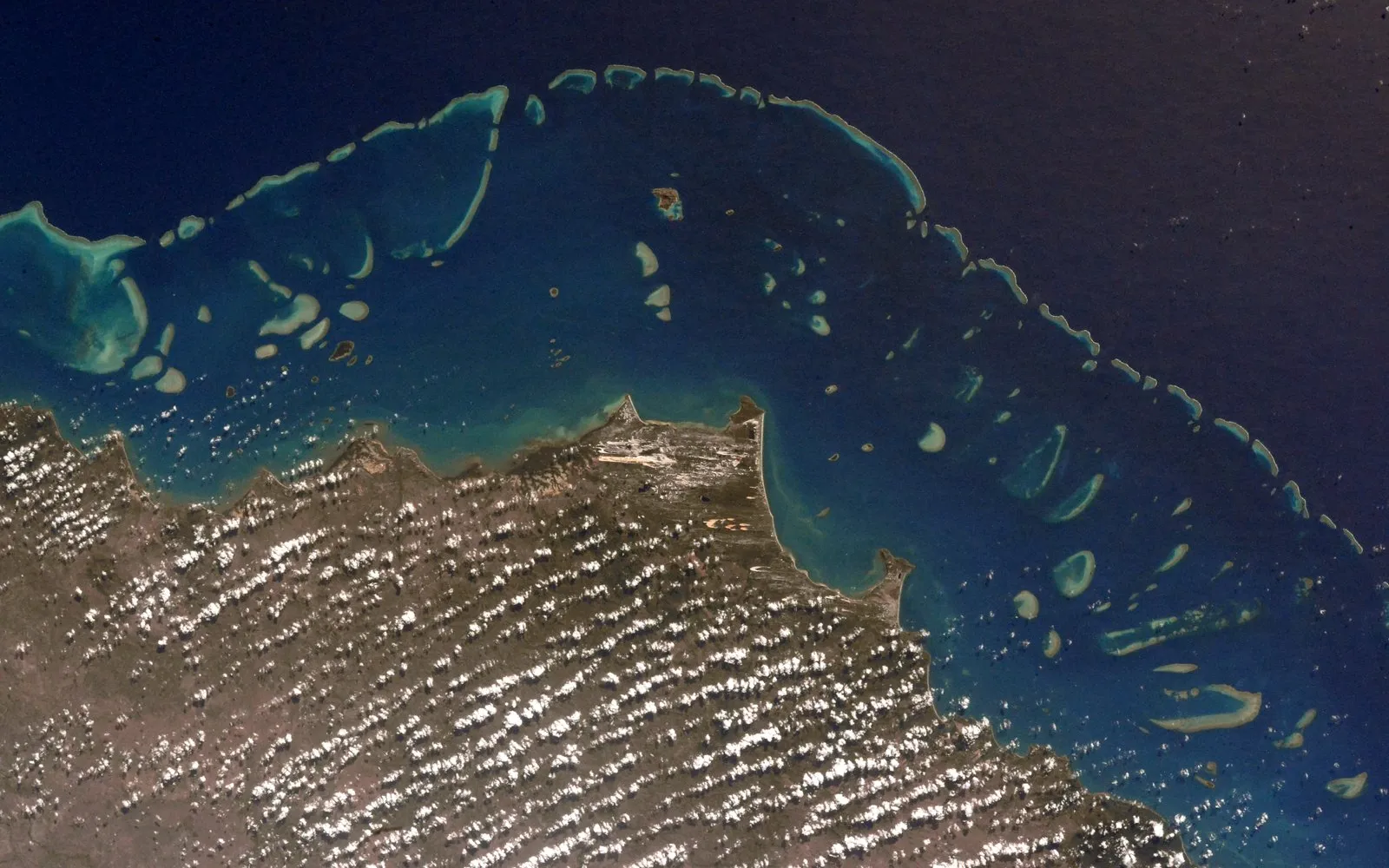
#1 Great Barrier Reef (the largest coral reef on Earth) · Great Barrier Reef
One of the seven natural wonders of the world and a UNESCO World Heritage site, stretching more than 2,300 kilometres. The Outer Reef, which boats from Port Douglas reach in about 90 minutes, is in excellent condition — both snorkelling and scuba diving turn up coral, clownfish, turtles, and whale sharks in season. Book your tour with an operator that holds Eco Certification to help protect the ecosystem.
- Book ahead, especially June-August when crowds peak. Choose an operator that takes you to the Outer Reef, not just Low Isles, which is closer but has less healthy coral.
- Wear reef-safe sunscreen only (no oxybenzone or octinoxate) — every operator enforces this as a rule.
- If you're a first-time diver, try the Discover Scuba intro course on the boat — just 30 minutes and you're in the water.
 #2
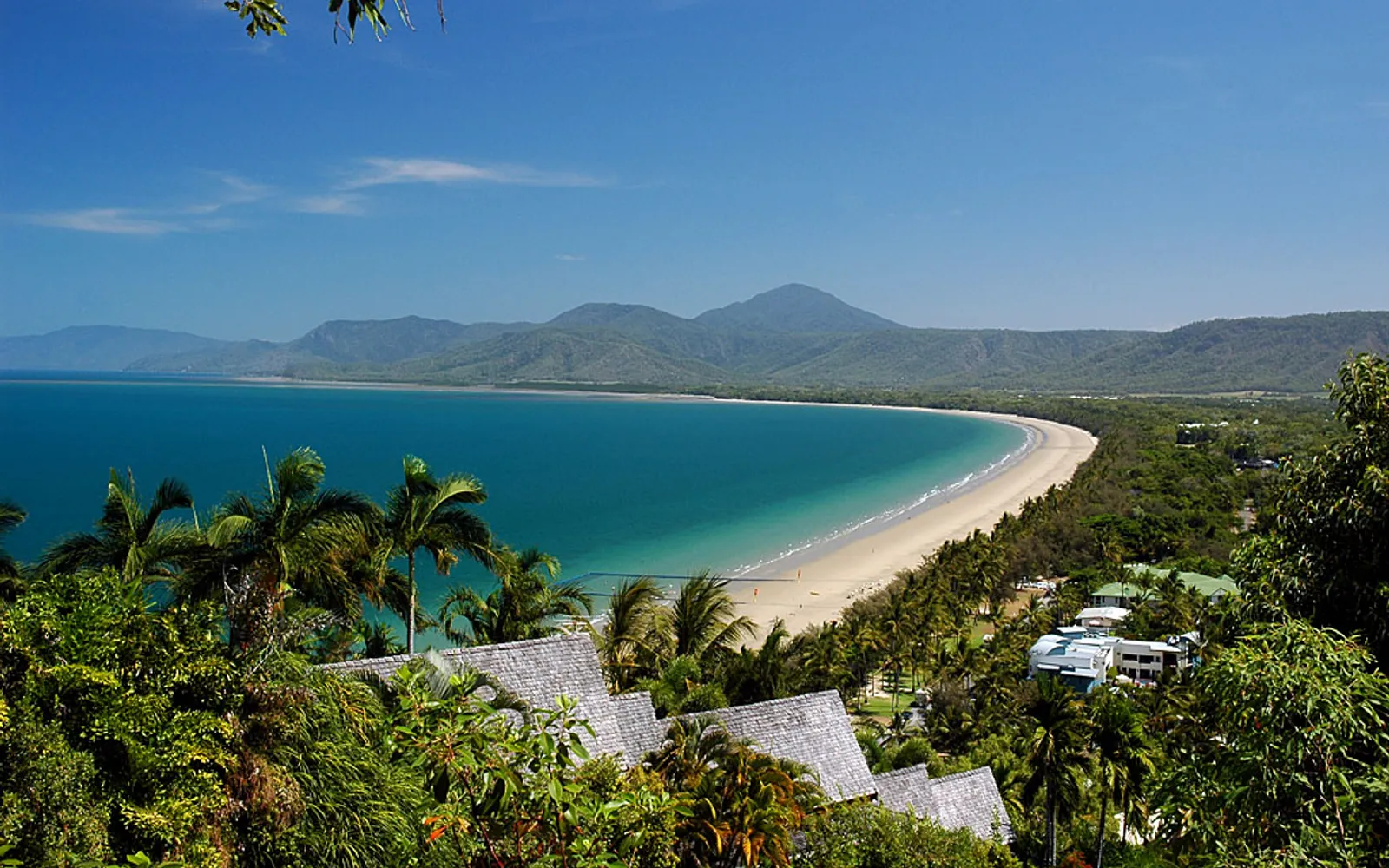
#2 Four Mile Beach · Four Mile Beach
A natural white-sand beach 6 kilometres long and almost entirely undeveloped, open to the sea breeze all day. The deep blue water and small waves are good for swimming, and during stinger season (November-May) there's a netted Stinger Enclosure that's safe. Outside that season you can swim freely along the whole beach. Early morning, right after sunrise, is the quietest and most beautiful time.
- During stinger season (November-May), swim only inside the net that's set up — box jellyfish can be fatal.
- Early morning, 6-8am, brings out local runners and walkers — a lovely atmosphere with no tourists.
- Lifeguards are stationed on the beach and plant coloured flags to guide swimming — read the flags before you get in, every time.
 #3
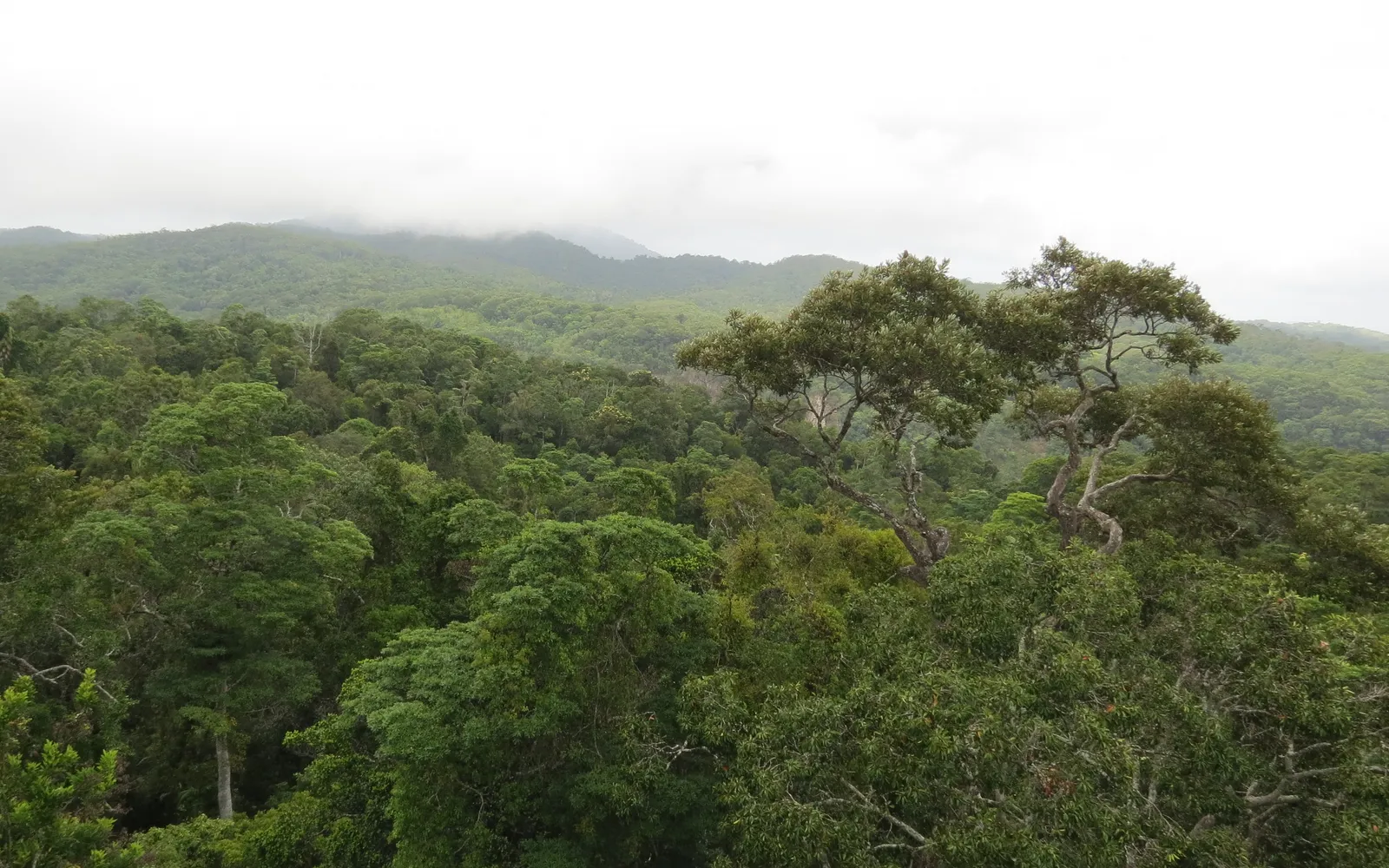
#3 Daintree Rainforest · Daintree Rainforest
The oldest tropical rainforest on Earth, more than 135 million years old and a UNESCO World Heritage site. It's home to species found nowhere else in the world, including the cassowary, leaf-tailed geckos, and tree kangaroos. North of the Daintree River you board a small ferry into a completely different world. Walking trails range across difficulty levels, from 30 minutes to a full day.
- Cross the river by car ferry at Daintree Ferry, open 6:00am-midnight. The return crossing for a car is AUD 28 per vehicle.
- Your best chance of seeing a cassowary is early morning, 5:30-8:00am — drive slowly along the main Cape Tribulation Road.
- Always apply and spray insect repellent — the diseases rainforest mosquitoes carry can differ from those in town.
 #4
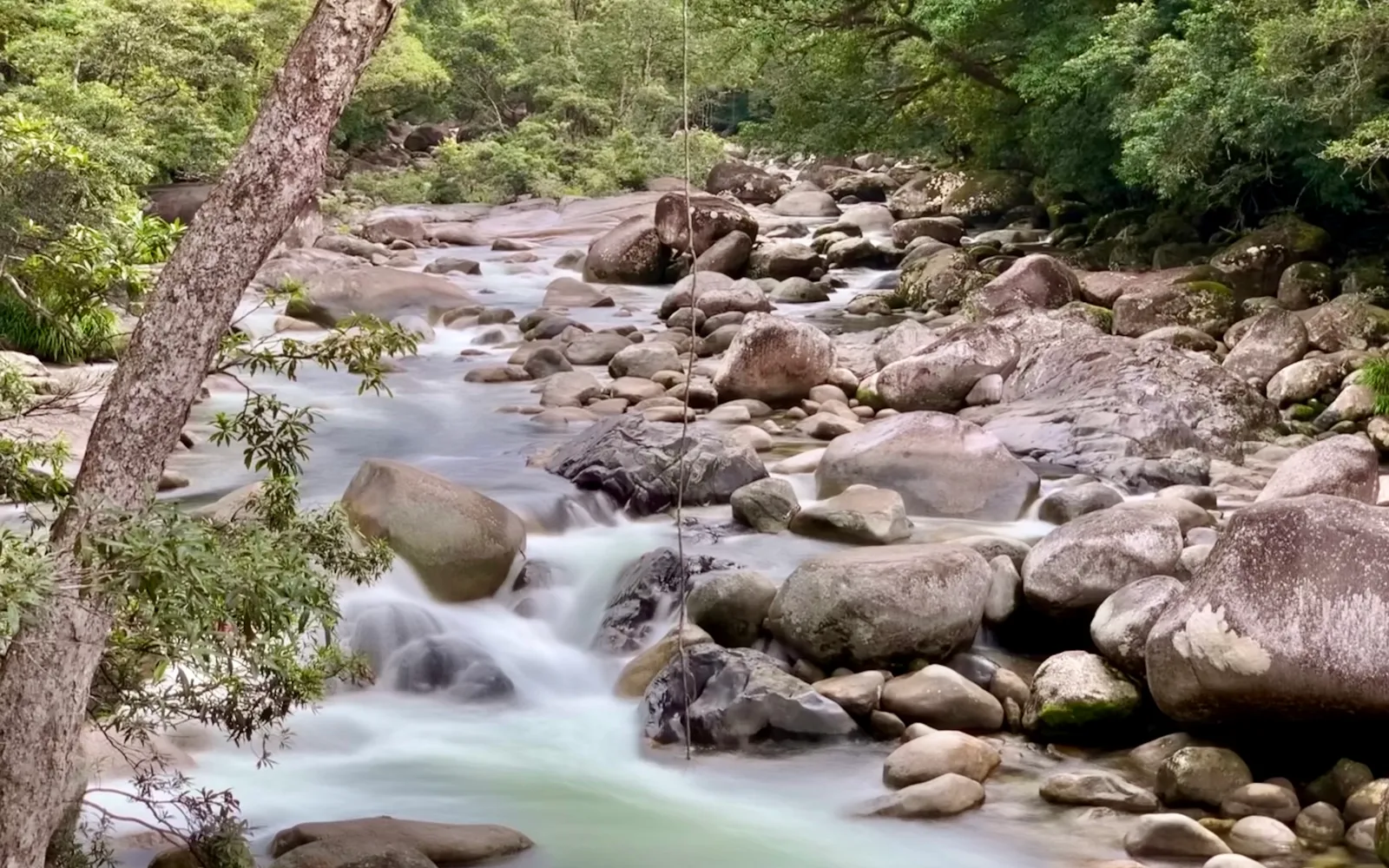
#4 Mossman Gorge · Mossman Gorge
The most beautiful natural spot in the area around Port Douglas — a clear stream running over enormous granite boulders in the Daintree Rainforest. You can swim in some spots where the current isn't strong, but watch for fast-rising water after rain. The Kuku Yalanji community owns the land and runs the Ngadiku Dreamtime Walk, an Indigenous cultural experience you won't find anywhere else.
- Park at the Mossman Gorge Centre, then take the shuttle (AUD 10 return) to the trailhead — you can't drive in yourself during peak hours.
- The Ngadiku Dreamtime Walk takes 90 minutes, costs AUD 97 per person, and is led by a Kuku Yalanji guide — book ahead through the official site.
- The stream water is very cold even in midsummer — bring a towel and a light warm layer.
 #5
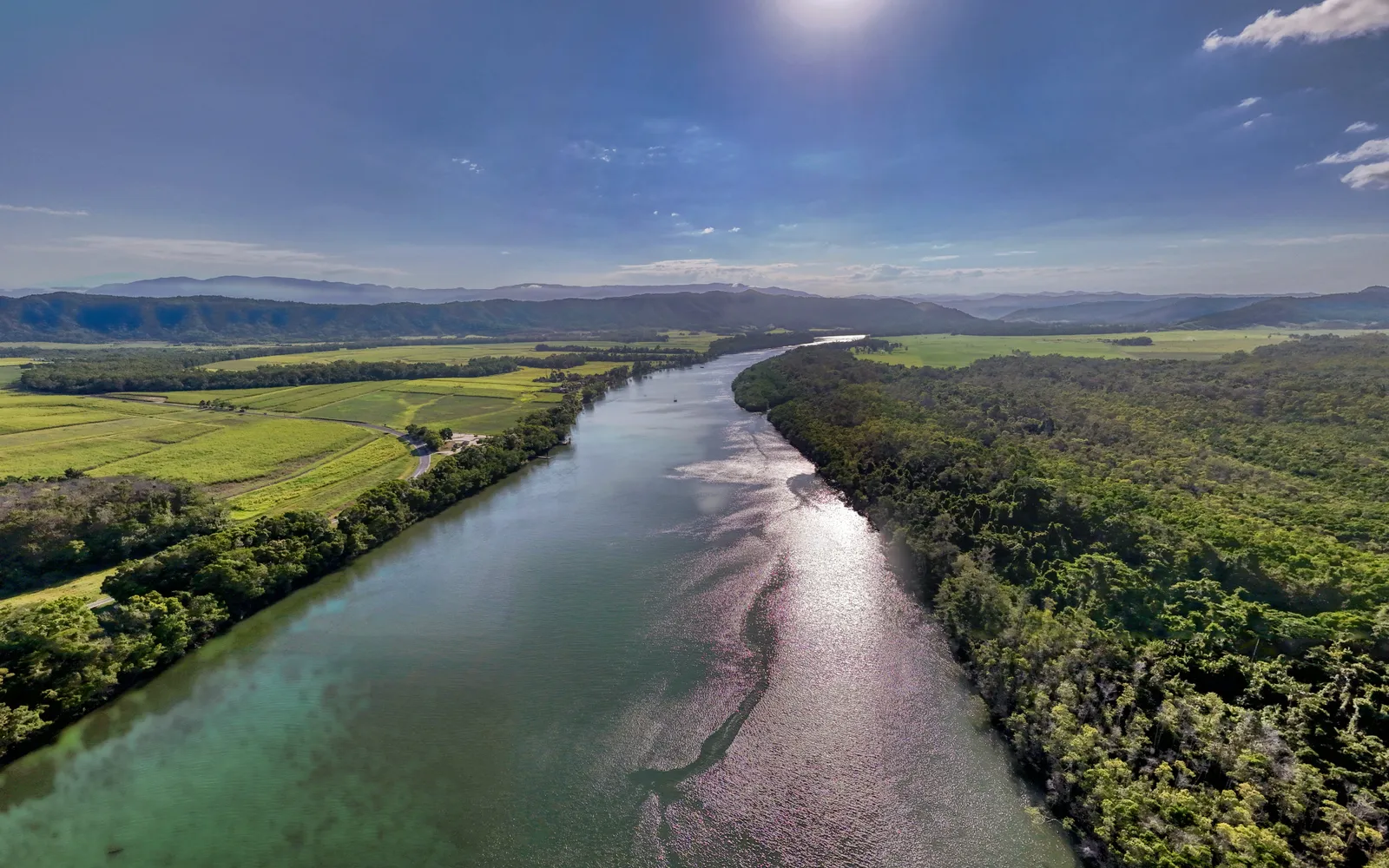
#5 Daintree River Crocodile Cruise · Daintree River Crocodile Cruise
The Daintree River has the densest population of saltwater crocodiles in Australia, and a crocodile cruise is thrilling and safe at the same time. The guide brings a small boat close to the mangrove banks where crocodiles like to rest, sometimes just a few metres away. Beyond the crocs you'll spot rare local birds, tree snakes, and wild pigs along the banks the whole way.
- Early morning, 7-9am, is when the most crocodiles come out to bask on the banks — mid-morning tours may not see as many.
- A 1-hour tour runs AUD 35-55 per person, with several operators at Daintree Crossing — compare boat size and reviews before choosing.
- Never put a hand or food outside the boat, even when a crocodile looks far away — they move incredibly fast in the water.
 #6
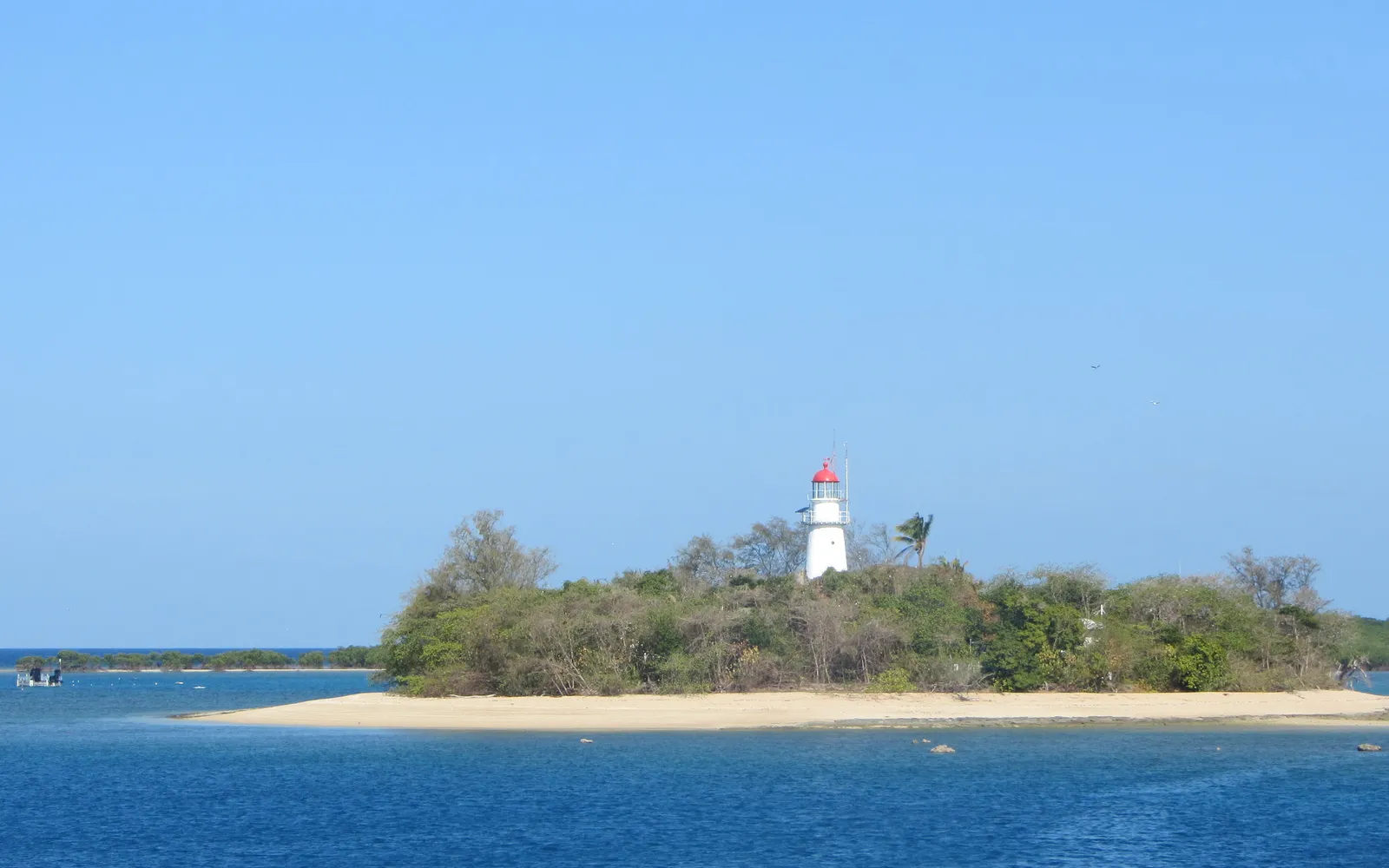
#6 Low Isles — a shallow-water coral cay · Low Isles
An option for anyone who wants to experience coral at a more affordable price than an Outer Reef tour, with less travel time. This small coral cay has a historic lighthouse built in 1878, surrounded by shallow reef you can wade or snorkel easily even if you've never dived. Green turtles rest here regularly, and the relaxed, unhurried feel suits families with kids or anyone who doesn't like deep water.
- A Low Isles tour costs AUD 130-160 per person, nearly half the price of the Outer Reef, and the sea is calmer — good if you're prone to seasickness.
- You can bring bread or fish to feed the fish off the beach — the shallow-water fish here aren't shy of people.
- Check the weather before you set out, and during stinger season always wear the stinger suit the tour provides.
Where to stay in Port Douglas for this trip
A well-located hotel means less commuting and more sightseeing. Here are real, top-rated stays in Port Douglas — compare Agoda · Booking · Trip.com in one click.
Mowbray by the Sea
Affiliate links — we may earn a commission at no extra cost to you. Details
By the Sea Port Douglas
Affiliate links — we may earn a commission at no extra cost to you. Details
Shantara Resort Port Douglas (Adults Only)
Affiliate links — we may earn a commission at no extra cost to you. Details
Garrick House Port Douglas
Affiliate links — we may earn a commission at no extra cost to you. Details
Tours, tickets & activities in Port Douglas
Day tours, attraction tickets and travel essentials for Port Douglas — book ahead on Klook with mobile e-tickets.
Affiliate links — we may earn a commission at no extra cost to you.
Before You Pack
Port Douglas is at its best from June to October — dry weather, clear seas, and no stingers. In the wet season (November-April) the forest turns deep green, but watch for stinger season, which makes swimming in the open sea difficult. Plan at least 3-4 days to take in both the sea and the forest fully.