
Shangri-La food is the wisdom of eating at altitude — yak butter, roasted barley, hot soups, and rare wild mushrooms that grow on grasslands 3,000 metres up. Every dish carries a thread of Tibetan culture handed down over a thousand years. Good restaurants are scattered through the Dukezong old town, and the local morning market serves up flavours you won't find anywhere else.
 #1
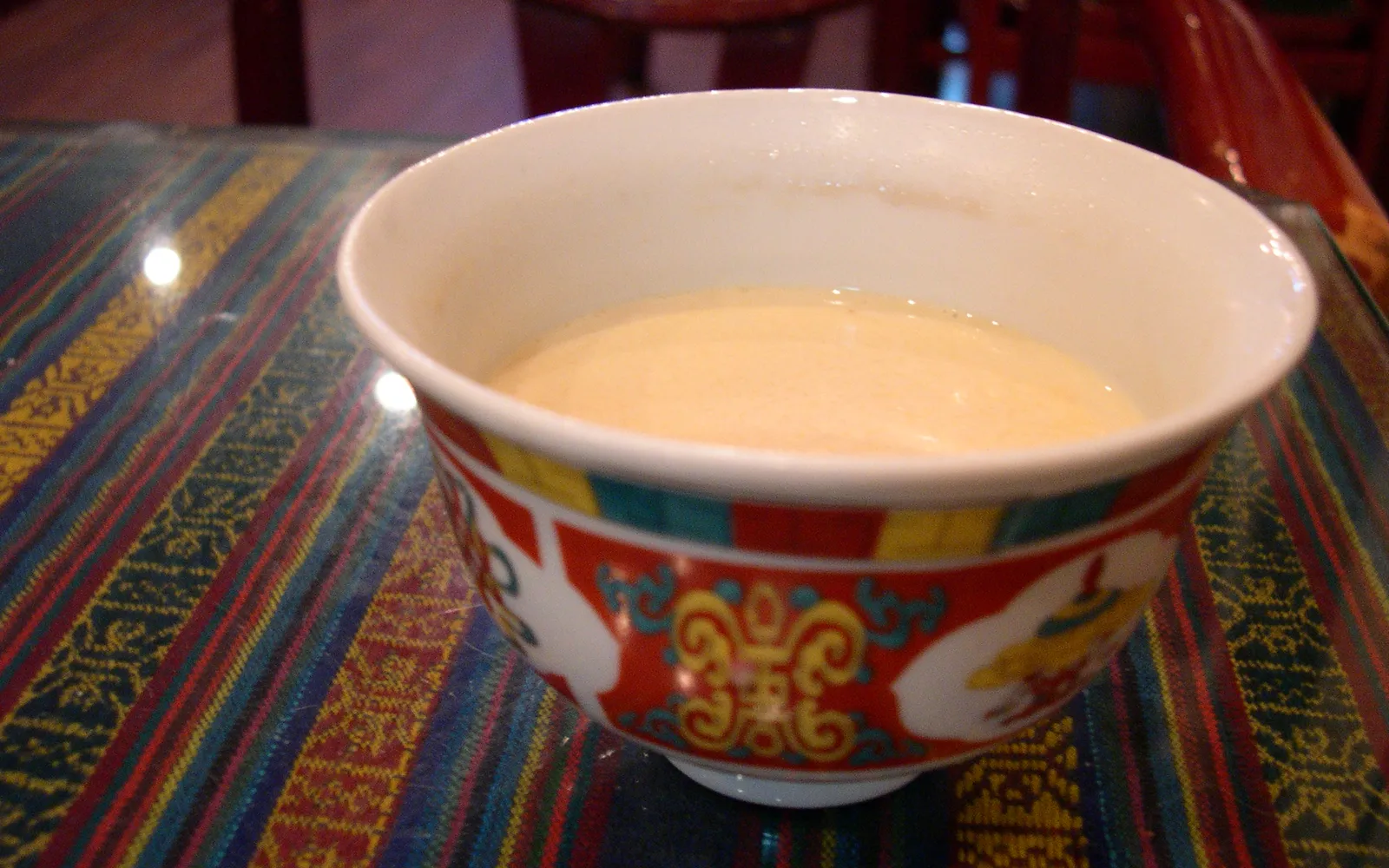
#1 Yak Butter Tea (Po Cha) · Yak Butter Tea
Tibet's national drink, blending tea leaves, yak butter, and a touch of salt, churned together until creamy. The flavour is unlike any other tea in the world, and it's high in calories to give warmth and energy in the cold. Tibetans normally drink 10-40 cups a day, and every home and restaurant in Shangri-La keeps butter tea ready to serve. It's good manners to accept the butter tea your host offers you.
- The first taste may feel strange — sip slowly and you'll get used to it
- Say 'no refill' before your cup is empty, or it will be topped up again by custom
- Hot butter tea helps a little against altitude sickness — better than coffee
 #2
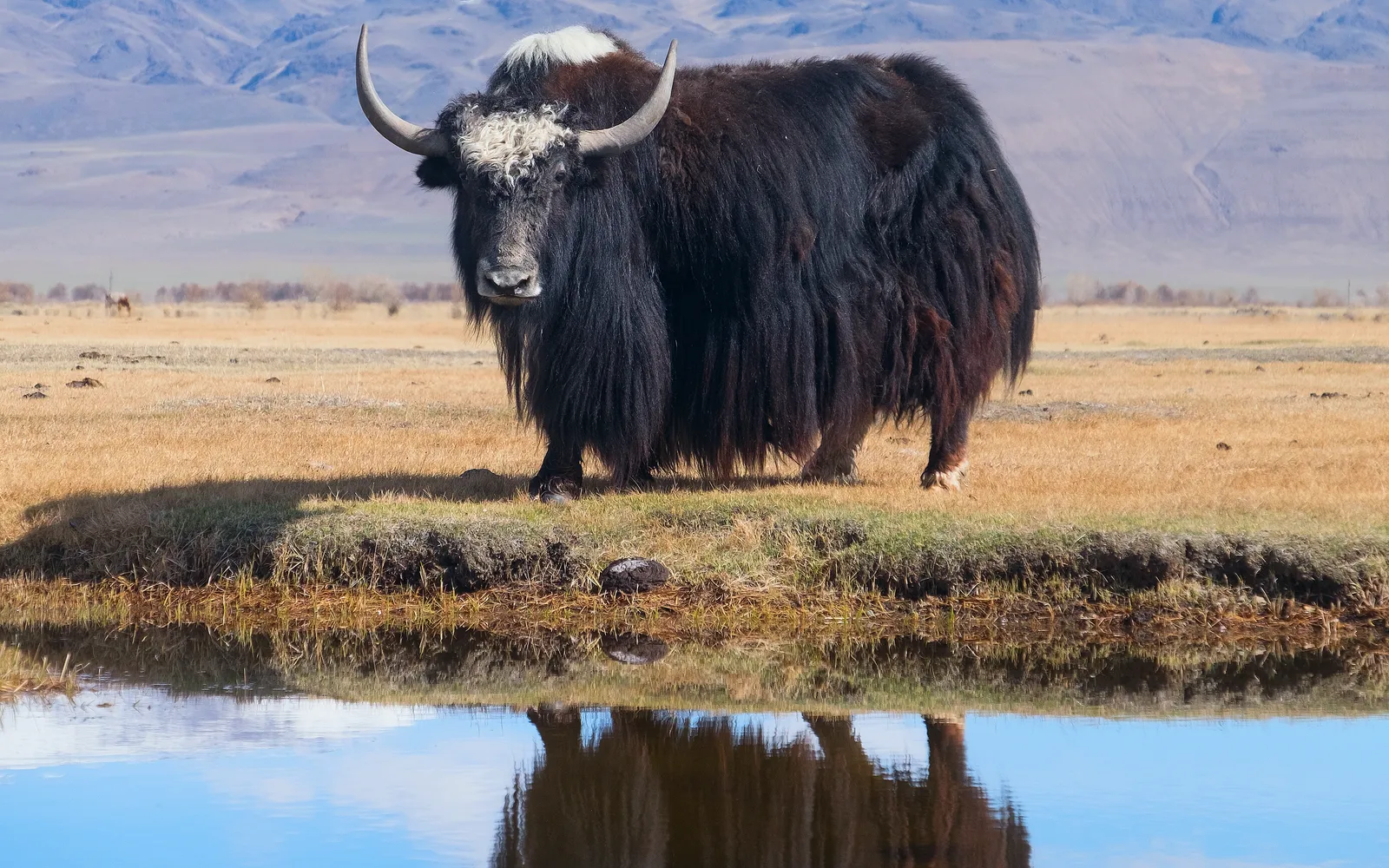
#2 Yak Meat Hotpot · Yak Meat Hotpot
Yak meat comes from animals raised semi-free on grasslands above 3,500 metres, with a richer, more tender flavour than ordinary beef, low in fat and high in protein. The broth is simmered from yak bones into a cloudy white, fragrant stock, eaten with local vegetables, tofu, Tibetan noodles, and a tea-paste dipping sauce. It's a staple you have to try in Shangri-La. Yin Tong Yak Hot Pot and Talo Tibetan Restaurant in the old town are both very popular.
- Order thinly sliced meat for the best flavour — thick pieces take longer to cook
- The four-section pot lets you pick spicy and non-spicy broths — have both together
- Book a table ahead in the evening; popular spots get very full in the travel season
 #3
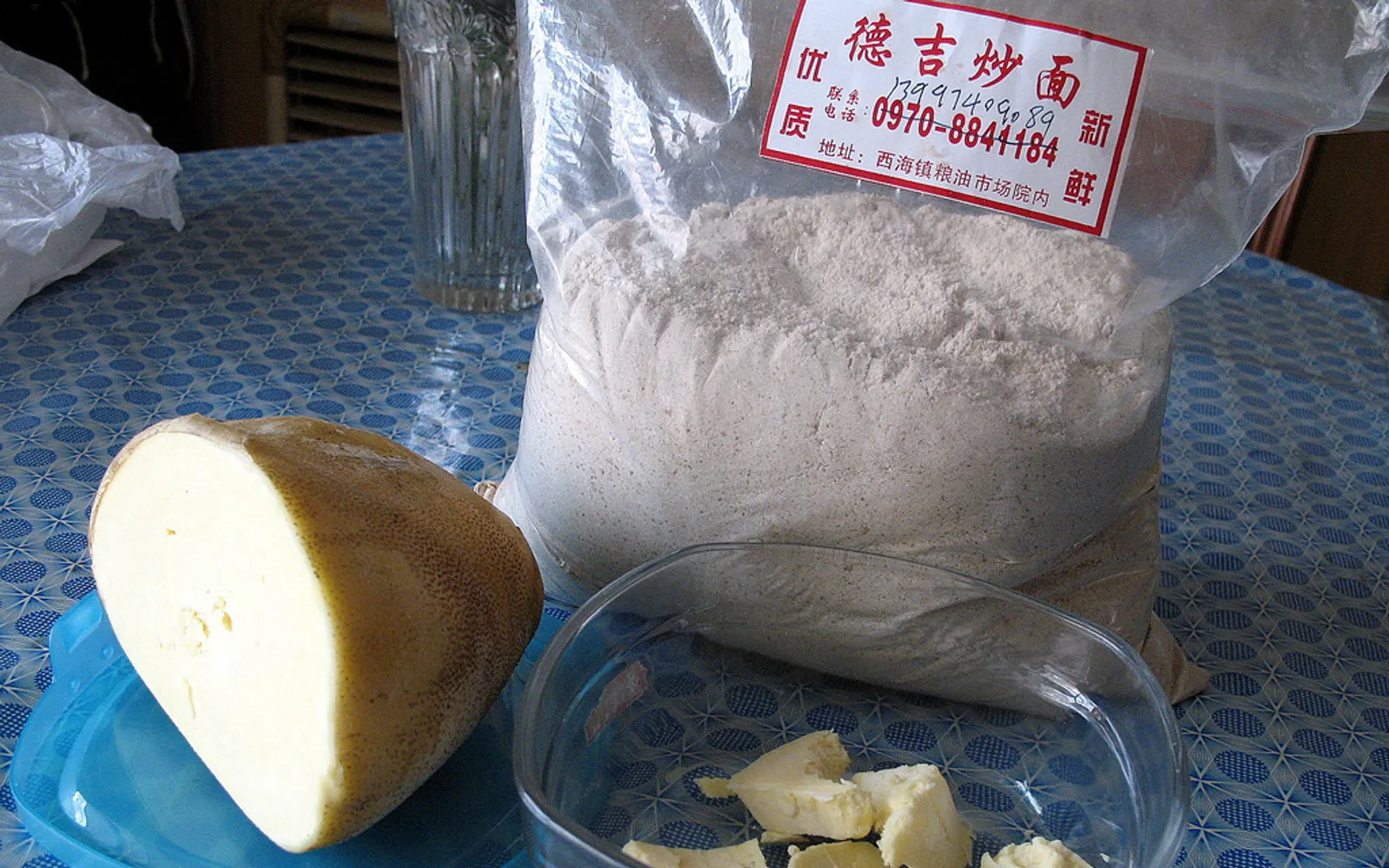
#3 Tsampa (Zanba) — Roasted Tibetan Barley · Tsampa (Zanba)
A Tibetan staple for over a thousand years, made from barley flour that's roasted and finely ground, then mixed with butter tea, butter, water, or soup and kneaded into a ball you can eat right away, no cooking needed. The Tibetan name 'Tsampa' means 'roasted flour'. It's easy to carry, keeps well, and packs a lot of energy, suited to a nomadic life on the high plateau. The flavour is soft and lightly sweet, a bit like roasted oats — something to try if you want to understand Tibetan food culture.
- Try tsampa mixed with butter tea first — this is the traditional way and the tastiest
- Buy bagged tsampa as a souvenir, available at markets and local shops
- Tsampa with local highland honey is a delicious combo
 #4
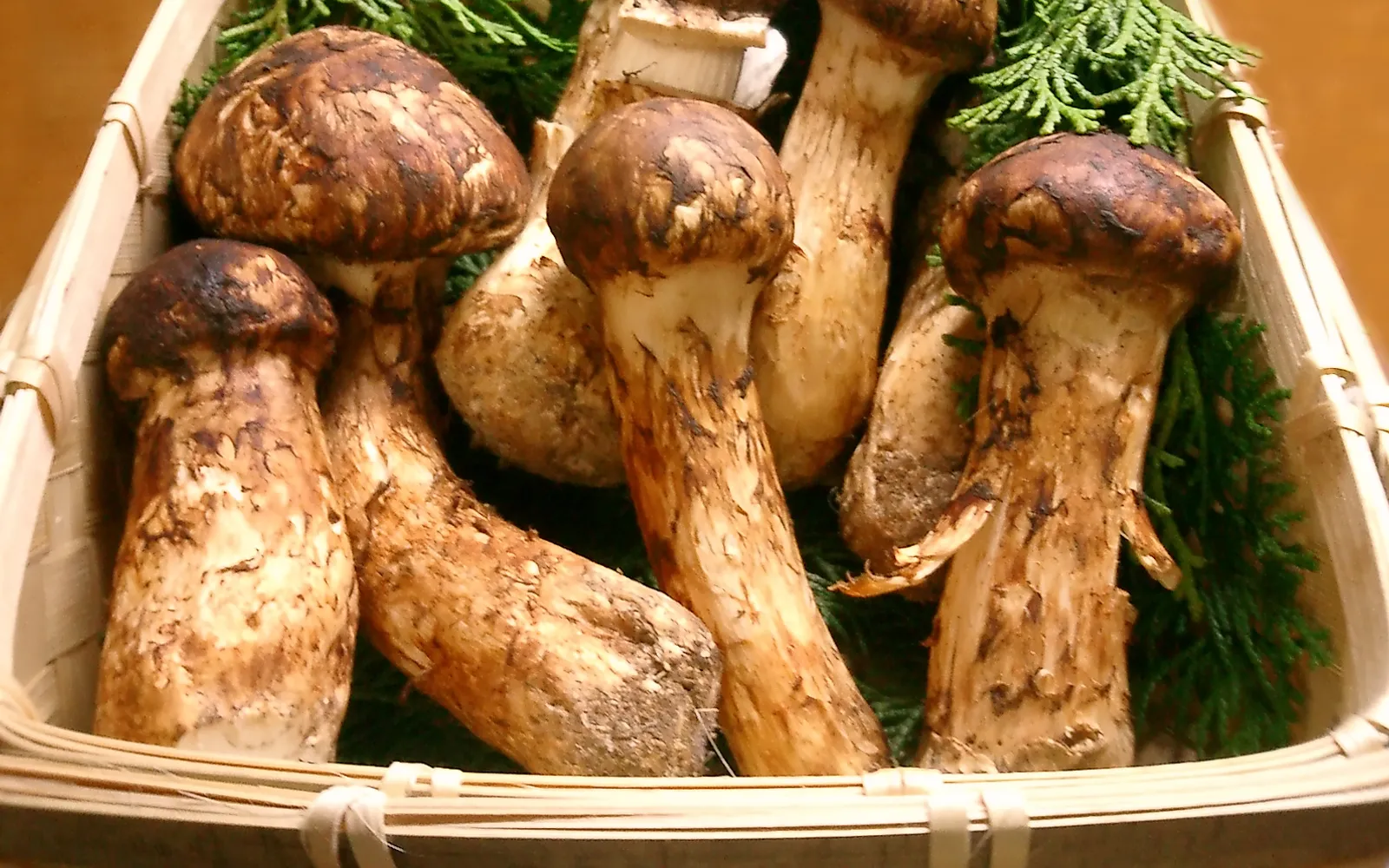
#4 Shangri-La Matsutake Mushroom · Shangri-La Matsutake Mushroom
Shangri-La is the largest source of Matsutake in China, exporting to Japan at high prices in the tens of thousands of baht per kilogram. This king of mushrooms grows only in natural pine forests on the Tibetan plateau between July and September. Its distinctive fragrance can't be cultivated commercially. The texture is firm and the aroma earthy, and it can be cooked many ways — grilled, stir-fried, in soup, or steamed. Come during the harvest season for the freshest, best flavour.
- Come in Jul-Sep to eat it fresh — off-season there's only the dried or pickled kind
- The morning mushroom market in Shangri-La (around 6-9am) is far cheaper than restaurants
- Grilled over charcoal with butter and salt — the simplest way to cook it, and the tastiest
 #5
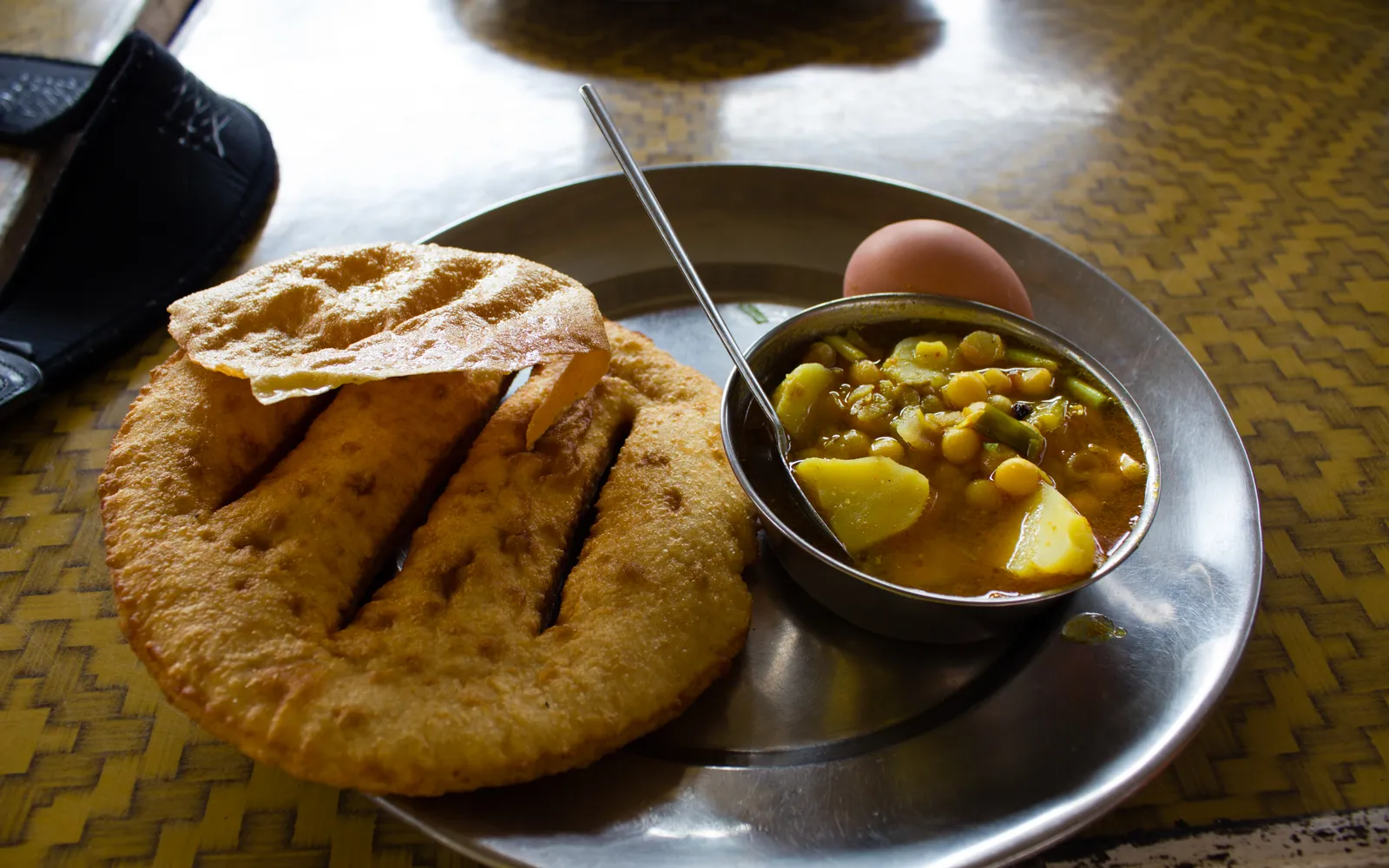
#5 Pipa Meat (Tibetan Cured Pork) · Pipa Meat (Tibetan Cured Pork)
An ancient cured pork of the Diqing Tibetans, which preserves a whole pig in a shape resembling the pipa (a Chinese instrument). After the organs are removed, the meat is packed with spices, salt, and herbs, then air-dried at altitude for 6-12 months. The deep red meat has a rich flavour — tender, salty-sweet — eaten in thin slices with barley bread or steamed rice. It's a popular souvenir to take home from Shangri-La.
- Buy the vacuum-packed boxed kind as a souvenir — it keeps for many months
- Eat it in thin slices like ham; don't eat too much at once, it's salty and rich
- Old-town shops sell both freshly cut and portable vacuum-packed versions
 #6
#6 Nixi Clay Pot Chicken · Nixi Clay Pot Chicken
Chicken stewed in a handmade clay pot from Nixi village near Shangri-La. Nixi clay pots have been known for their quality for hundreds of years. A local breed of chicken is stewed with Chinese herbs, wild mushrooms, ginger, and a light soy broth. The steady heat from the clay pot makes the chicken so tender it falls off the bone, with a clear, fragrant, fat-free broth. It's a restorative dish the people of Yunnan believe is good for your health at altitude.
- It takes 30-45 minutes to cook, so order early or call ahead if the place is popular
- Eat it with steamed rice or barley bread — the broth is delicious poured over rice
- The pot is sized for 2-3 people, around 80-150 yuan a pot
Where to stay in Shangri-La for this trip
A well-located hotel means less commuting and more sightseeing. Here are real, top-rated stays in Shangri-La — compare Agoda · Booking · Trip.com in one click.
Z Hotel Shangri-La Dukezong
Affiliate links — we may earn a commission at no extra cost to you. Details
Arro Khampa Shangri-La
Affiliate links — we may earn a commission at no extra cost to you. Details
Hotel Indigo Diqing Moonlight City
Affiliate links — we may earn a commission at no extra cost to you. Details
Shangri-La Resort, Shangri-La
Affiliate links — we may earn a commission at no extra cost to you. Details
Tours, tickets & activities in Shangri-La
Day tours, attraction tickets and travel essentials for Shangri-La — book ahead on Klook with mobile e-tickets.
Affiliate links — we may earn a commission at no extra cost to you.
Before You Pack
Shangri-La food may be different from what you know, but every bite you take at this altitude turns into a memory you won't forget — especially that first bowl of yak butter tea in the cold.