
Tianjin food has a character that sets it apart from Beijing and northern Chinese cooking in general. Its history as a port city and European concession zone pushed its food toward a blend of briny, umami-rich seafood flavors and the crispy-fry techniques of northern China. Goubuli steamed buns are the most famous headline, but stopping there means missing most of what makes eating here worthwhile — the street-food scene along Tianjin's roads hides several dishes that hit harder than you'd expect.
 #1
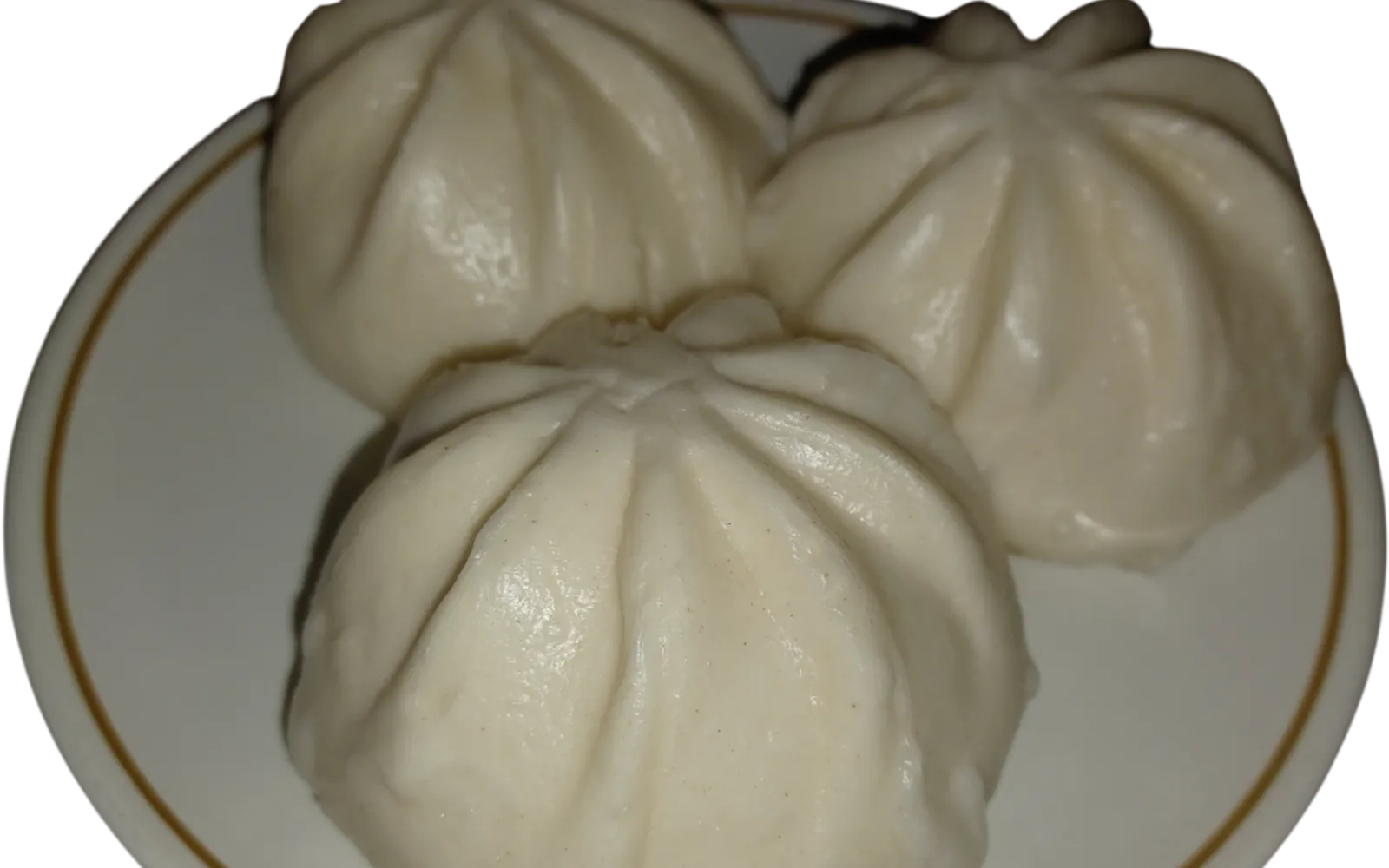
#1 Goubuli Steamed Buns (Goubuli Baozi) · Goubuli Steamed Buns
A steamed bun tradition over 160 years old. The name Goubuli — literally 'the dog ignores' — comes from the founder's childhood nickname: he was so absorbed in making buns that he ignored customers. Each bun is folded with exactly 18 pleats, filled with minced pork seasoned with ginger and sesame oil. The skin is thin and soft, the filling gently sweet and savory, and the first bite releases a rush of broth from inside. Qing dynasty Emperor Guangxu reportedly ate these and praised them as the finest bun he'd tasted. They are now a registered item of China's National Intangible Cultural Heritage.
- The main branch on Shandong Road outperforms the mall and airport outposts — buns are made fresh every hour here. Expect to pay 15–25 yuan per bamboo basket.
- Eat them with the black vinegar and shredded ginger served on the side. The tartness cuts through the richness precisely.
- Order the plain pork filling before exploring anything else on the menu. The original filling is what made this place famous.
 #2
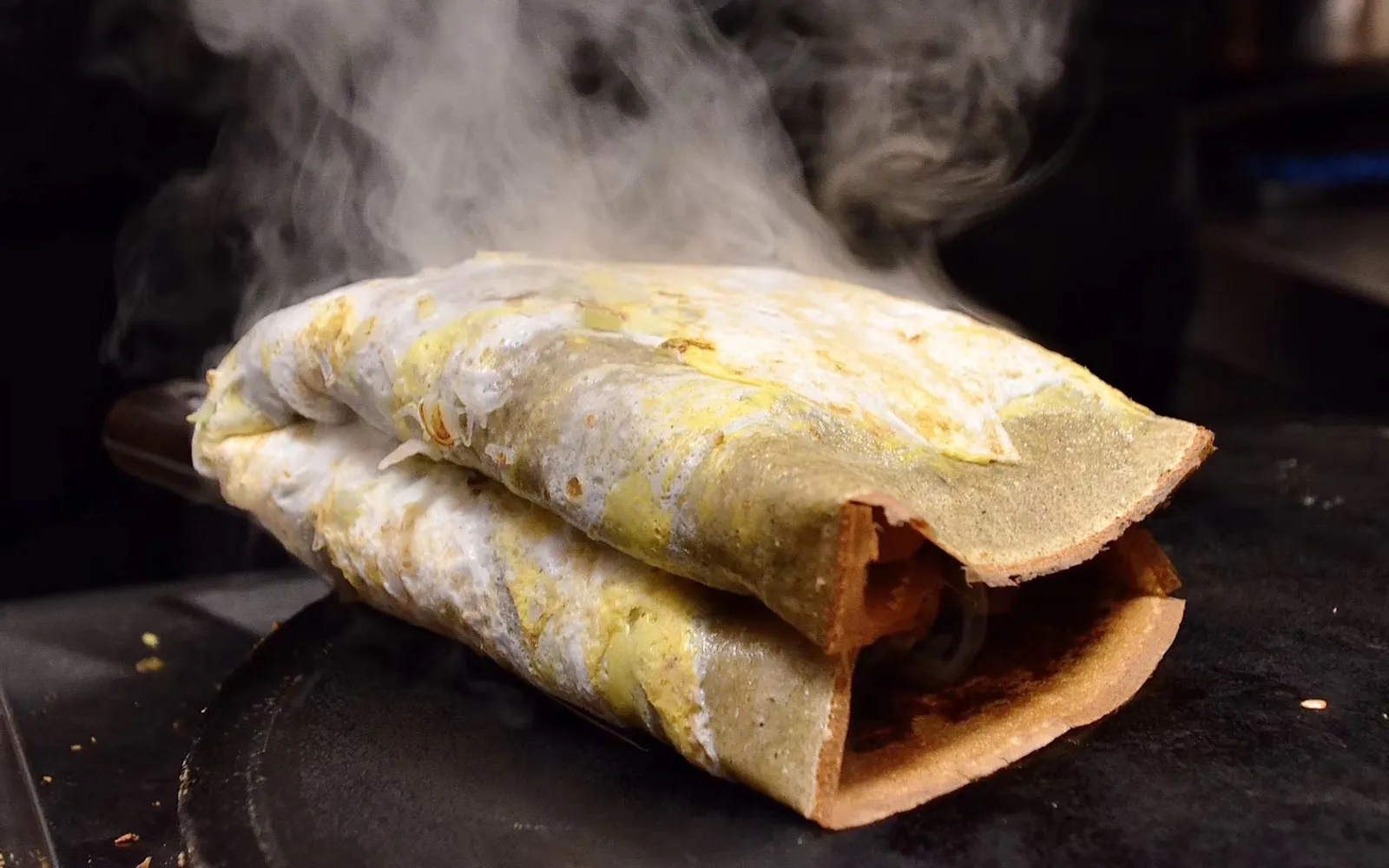
#2 Jianbing Crepe (Jianbing Guozi) · Jianbing
The most distinctive breakfast in northern China, believed to have originated in Tianjin in the early 20th century. A thin mung-bean batter is spread on a round hot griddle, a fresh egg cracked and smeared over it, then a sheet of fried cracker (guozi) is pressed on top. Spring onion, coriander, and dried chili flakes go in before the whole thing is rolled up and handed over hot. The result is crispy outside, soft inside, with a balanced salty-sweet finish. In Tianjin you can find vendors working late into the night. Locals eat this from childhood to old age — it never gets old.
- They cost 7–12 yuan. Order with an extra egg (jia dan) for 1–2 yuan more — it is worth it.
- Tell the vendor if you skip coriander or want it less spicy. Most carts accommodate this without fuss.
- Eat it immediately. The cracker sheet goes soft within minutes and the whole thing becomes a different, lesser snack.
 #3
#3 Er Duo Yan Fried Rice Cake · Er Duo Yan Fried Rice Cake
A fried glutinous rice cake with over 100 years of history. The name Er Duo Yan means 'second ear hole' — a reference to the original shop's entrance so narrow that customers had to squeeze through sideways. The rice cake is deep-fried until the outside is crisp while the inside stays soft. Fillings are either sweet red bean paste or black sesame, coated in sugar and white sesame seeds. Eat it hot and the glutinous interior stretches as you bite. The sweetness is restrained. Along with Goubuli and Guifaxiang twist sticks, this is considered one of Tianjin's three signature snacks.
- The main shop on Ancient Culture Street opens 8:30–20:00. Prices run 8–15 yuan per piece.
- Eat it the moment you buy it. Once it cools, the crispiness drops by half and the character changes entirely.
- Red bean is the original filling; black sesame came later. Try both to compare — they taste quite different.
 #4
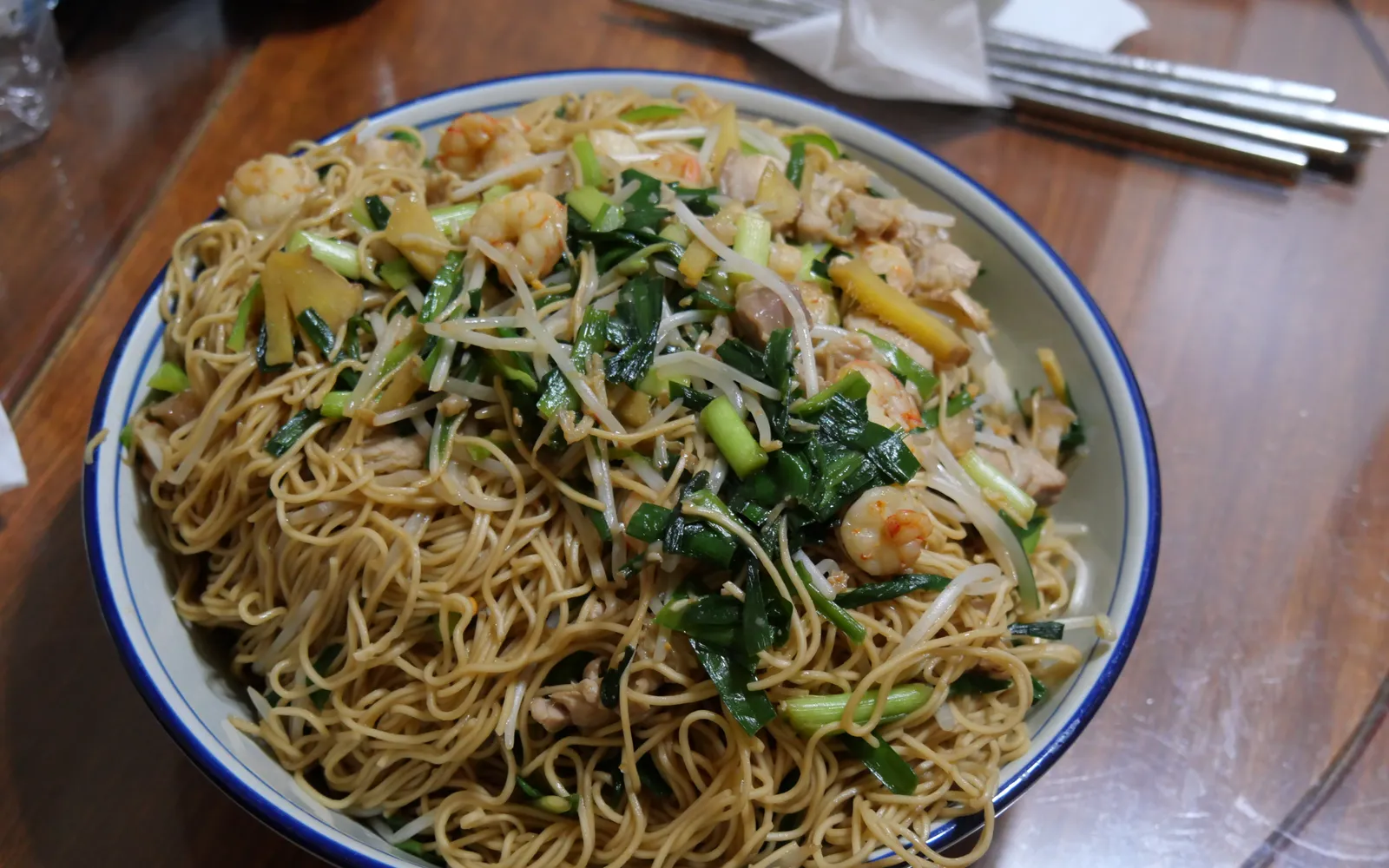
#4 Tianjin-Style Fried Noodles · Tianjin Style Fried Noodles
Tianjin's take on fried noodles differs from versions elsewhere in China by using fresh noodles (not dried) tossed with tianmianjiang — a dark soy bean paste — until the noodles absorb the sauce and turn a deep, glossy brown. Minced pork, bean sprouts, onion, and Chinese cabbage go in, with the dish served alongside sliced cucumber and raw garlic that cut through the intense sauce. The salty, fragrant quality of soy bean paste is a hallmark of northern Chinese cooking. Locals eat this as a full lunch or dinner on its own, no side dishes needed.
- A medium portion (zhongfen) is enough for one person. The noodles are filling.
- Pair it with a light egg-drop soup (about 5 yuan extra) to balance the rich sauce.
- A good shop usually smells of soy bean paste from the street. If you don't catch that aroma, keep walking.
 #5
#5 Tianjin Seafood Balls · Tianjin Seafood Balls
As a port city, Tianjin has easier access to fresh seafood than most inland Chinese cities. These fish balls are made from cod and other fish caught in the Bohai Bay, pounded smooth then wrapped around a filling of shrimp or crab paste, and steamed until springy and light. They are served hot with black vinegar and shredded ginger. The flavor is clean and sweet from the sea — minimal seasoning needed. Tianjin households buy these as a daily staple, and vacuum-packed frozen versions are one of the most popular gifts locals send to relatives in other cities.
- Buy from a wet market stall rather than a tourist-facing vendor — prices at markets run around 30–50 yuan per kilogram, roughly 3–4 times cheaper.
- Vacuum-packed frozen fish balls are a practical souvenir. Pick them up at a major supermarket inside a large mall.
- If you want them fresh and steamed on the spot, ask the market stall to steam them for you — most are happy to do it for a small extra charge.
 #6
#6 Tianjin-Style Russian Bread and Pastry · Tianjin-Style Russian Bread
An unexpected legacy of the Russian and European concession era in Tianjin. Several old bakeries in the Five Great Avenues and Italian Street districts still bake bread and butter pastries to their original recipes. The round loaves have a thick, crispy crust and a dense, soft interior, typically served with butter or local persimmon jam. Some of these shops are 80–100 years old and still use vintage ovens. None of this is famous outside Tianjin, but it is the flavor that older generations of Tianjin residents associate with childhood.
- Qilianshan Bakery in the Five Great Avenues has been operating for decades and opens as early as 6:30 in the morning.
- Fresh batches come out of the oven between 7–9 and 14–16 each day. Time your visit to get them hot and crispy.
- Old-school bakeries rarely have English signage. Point at what you want or watch what the person next to you orders.
Where to stay in Tianjin for this trip
A well-located hotel means less commuting and more sightseeing. Here are real, top-rated stays in Tianjin — compare Agoda · Booking · Trip.com in one click.
The Ritz-Carlton, Tianjin
Affiliate links — we may earn a commission at no extra cost to you. Details
Tangla Hotel Tianjin
Affiliate links — we may earn a commission at no extra cost to you. Details
Somerset International Building Tianjin
Affiliate links — we may earn a commission at no extra cost to you. Details
Jinjiang Inn Tianjin Railway Station (Jinwan Square)
Affiliate links — we may earn a commission at no extra cost to you. Details
Tours, tickets & activities in Tianjin
Day tours, attraction tickets and travel essentials for Tianjin — book ahead on Klook with mobile e-tickets.
Affiliate links — we may earn a commission at no extra cost to you.
Before You Pack
Gulou Food Street and Ancient Culture Street are the two spots where Tianjin food is most concentrated. Both are close enough to cover on foot in a single day. A daily food budget of 100–150 yuan is enough to eat your way through everything on this list.