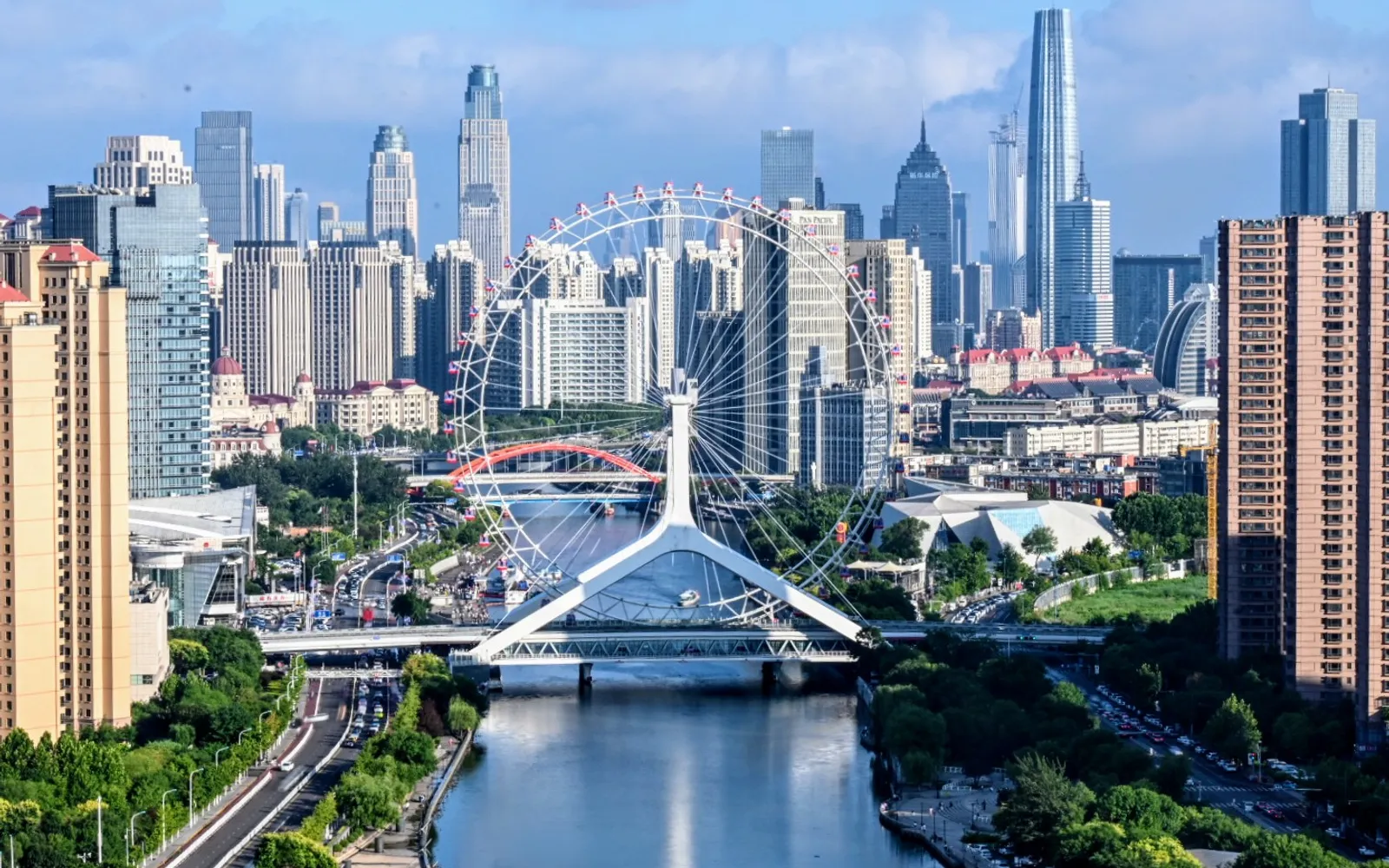
Tianjin is the city travelers keep skipping — and that's a mistake. It's one of the most rewarding places to explore in northern China. The European concession districts here are better preserved than almost anywhere else in the country: French, British, Italian, Japanese, and German buildings line the streets in a run that's largely intact. Meanwhile, newer projects like the Binhai Library and the Tianjin Eye have become globally recognized landmarks in their own right. This is a city that shows exactly how history and modernity can sit side by side without either one losing its shape.
 #1
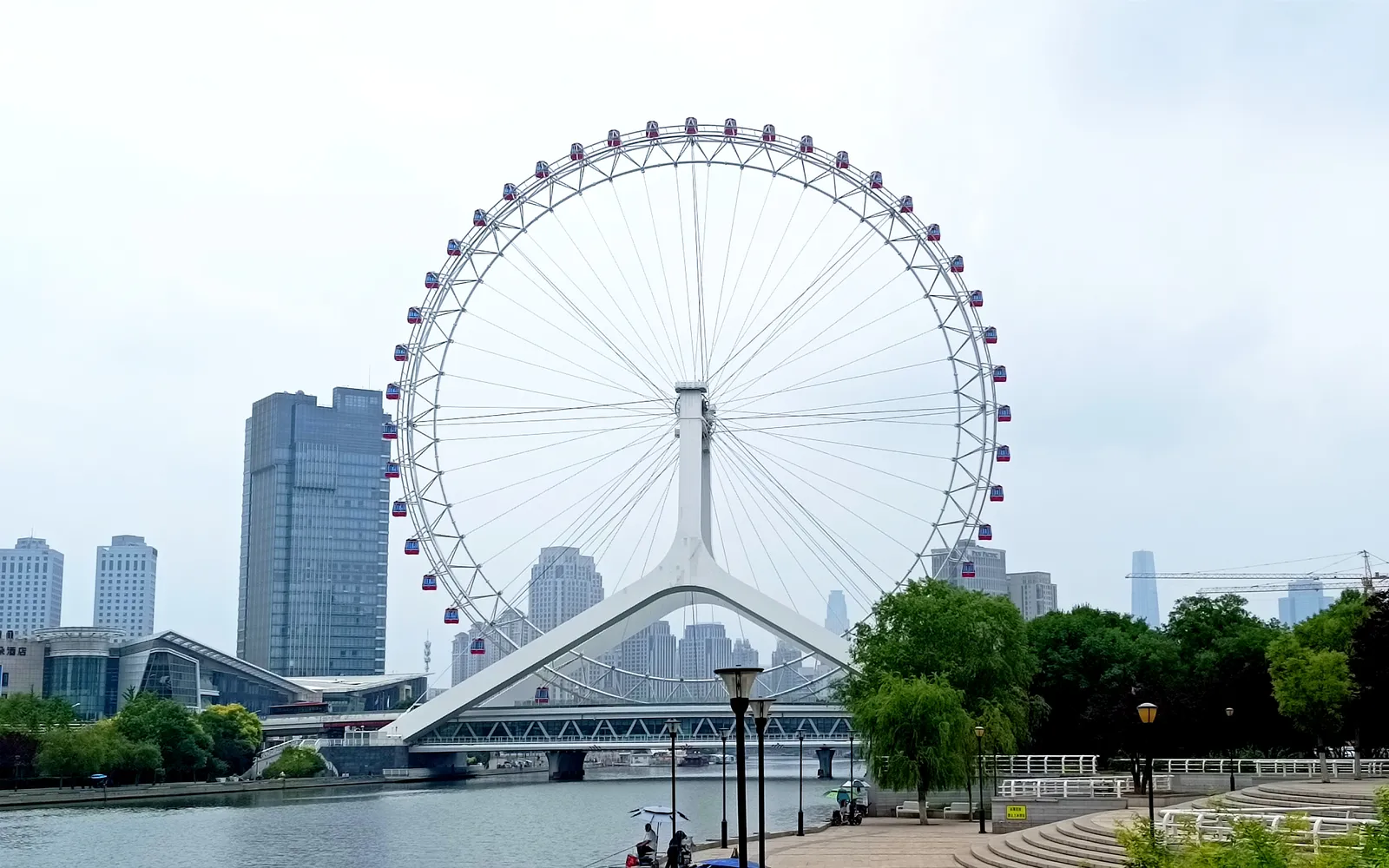
#1 Tianjin Eye (Giant Ferris Wheel on Yongle Bridge) · Tianjin Eye
A 110-metre-diameter ferris wheel with one distinction no other wheel in the world can claim: it sits on an active river bridge, not on the ground. One full rotation takes 30 minutes, and at the 120-metre peak you get a clear sweep of the Tianjin skyline and the Hai River stretching into the distance. At night the decorative lights reflect off the water in a way that photographs better than it sounds. It's not as large as the London Eye or the Singapore Flyer, but the bridge placement makes it immediately recognizable — and genuinely unusual.
- Tickets cost 80 yuan. Open 10:00–22:00; the best views are in the evening from 18:00–22:00
- Buy tickets online or at the counter beside the bridge. On holidays, expect a 30–60 minute queue
- Walking both sides of Yongle Bridge is free and gives you different photo angles of the wheel
 #2
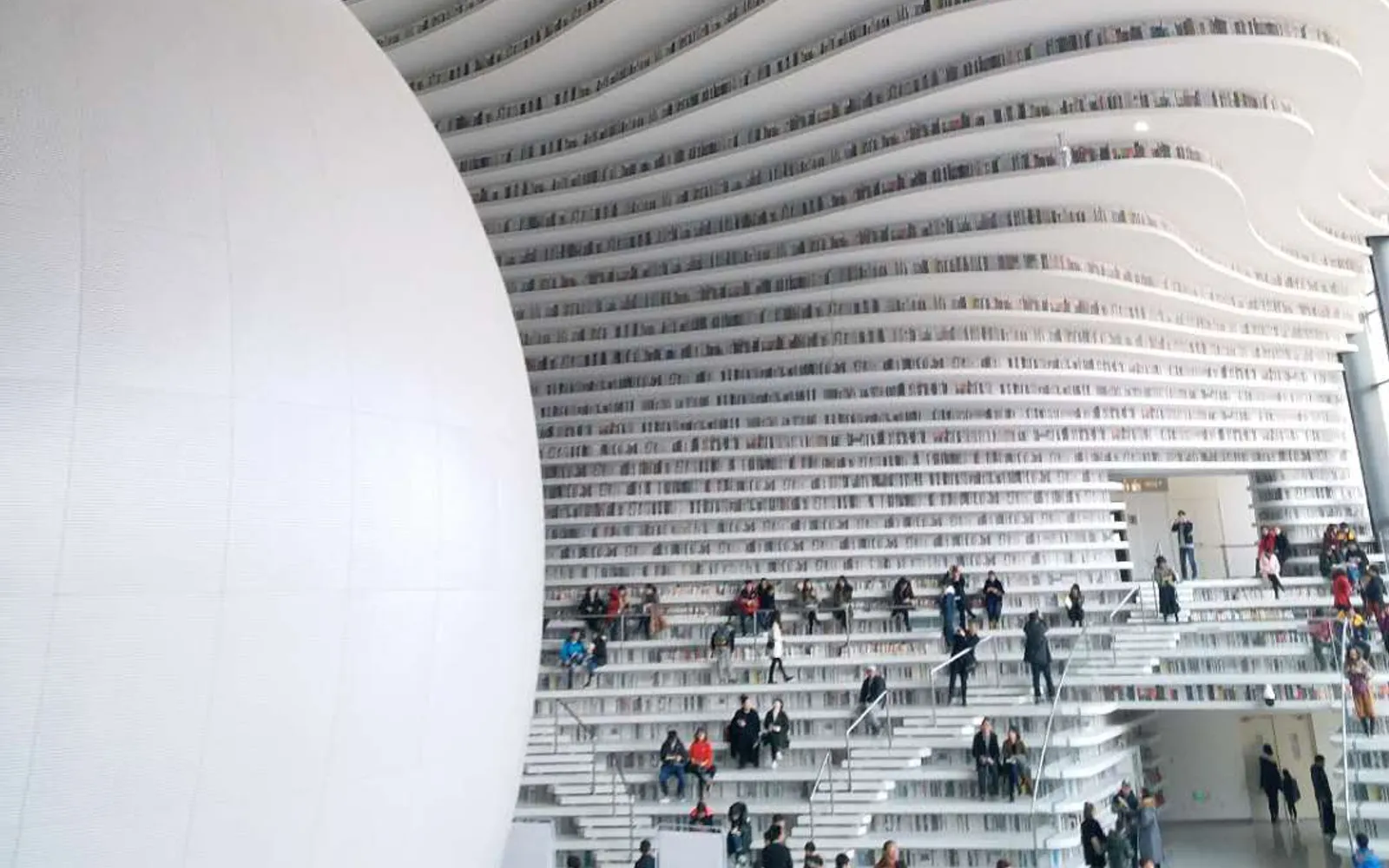
#2 Binhai Library (The 'Eye' Library) · Tianjin Binhai Library
International media nicknamed this place the 'Eye Library' and 'the most beautiful library in the world' — and the design earns that description. Dutch firm MVRDV shaped the building as a large ellipse with white wave-like bookshelves wrapping every level around a silver spherical auditorium at the centre that glows from within. The structure holds up to 1.2 million books. Worth knowing upfront: many of the volumes on the curving shelves are decorative rather than fully functional — but the architectural spectacle is the real reason to come, and it genuinely does not disappoint.
- Open Monday–Friday 9:00–21:00, Saturday–Sunday 9:00–17:00. Free entry, but you must register with your passport at the door
- The two best photo spots: looking down from the top floor, and looking up toward the central sphere from the ground-level walkway
- Binhai is about 45 minutes from central Tianjin. Pair it with other Binhai New Area sights so the trip is worth the distance
 #3
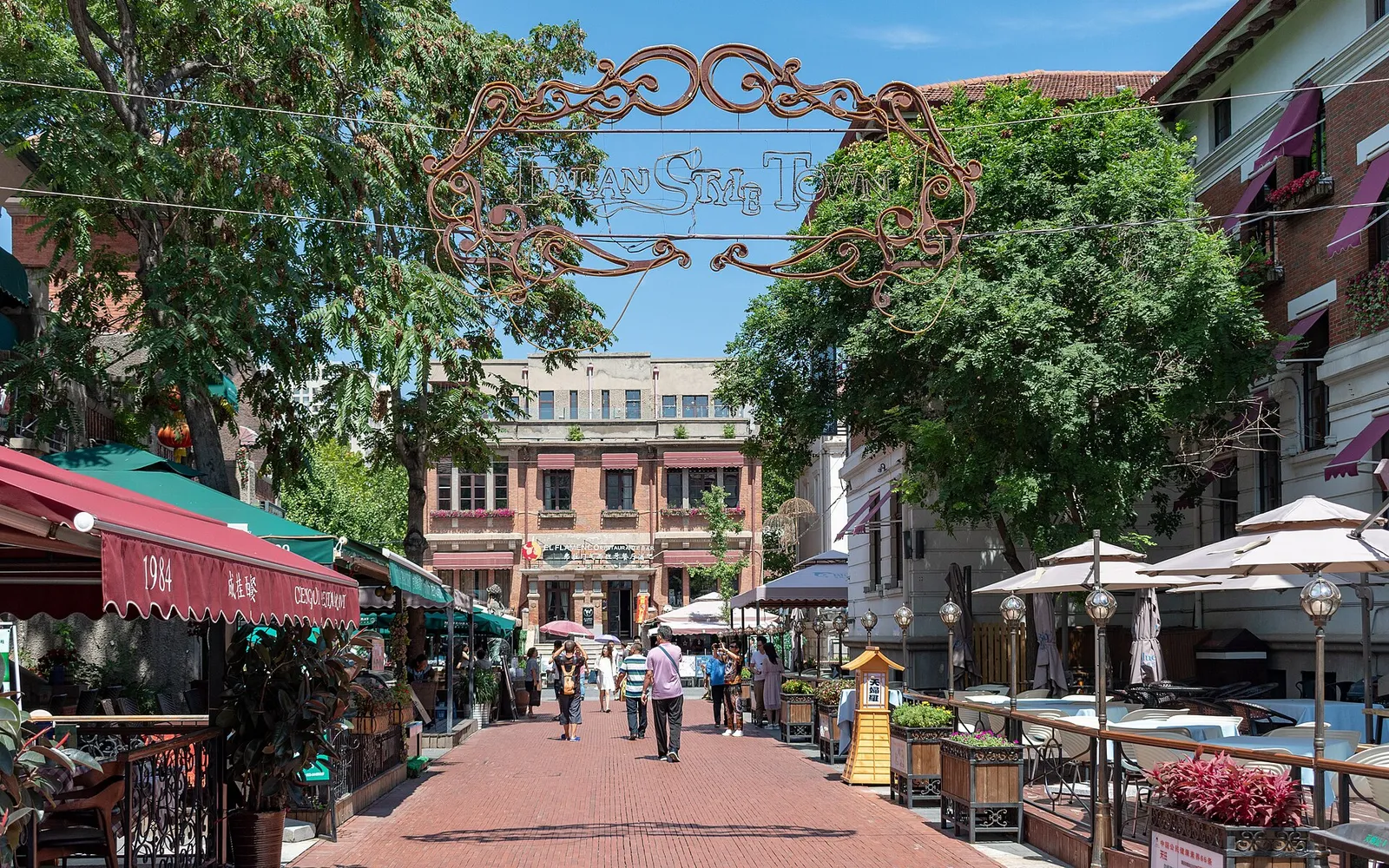
#3 Italian Style Street · Italian Style Street
The former Italian concession has been preserved and developed into an upscale shopping and dining district. The early-20th-century Italian architecture is still in strong shape, set alongside cafés, fashion boutiques, and international restaurants. For a few minutes you genuinely feel like you're walking through Florence or Milan — which is a strange sensation in the middle of a Chinese city. Quite a few visitors say it holds together better than the equivalent district in Shanghai, partly because there are no tall modern towers breaking the sightlines.
- Free to walk throughout. Shops open around 13:00 and close around 22:00; restaurants stay open until midnight
- Don't miss the Marco Polo statue in the central garden and the Casa Colombo building, which retains the most complete original architecture in the district
- After dark, orange lantern light fills the whole area — significantly more atmospheric than daytime. Aim to arrive after 19:00 for photos
 #4
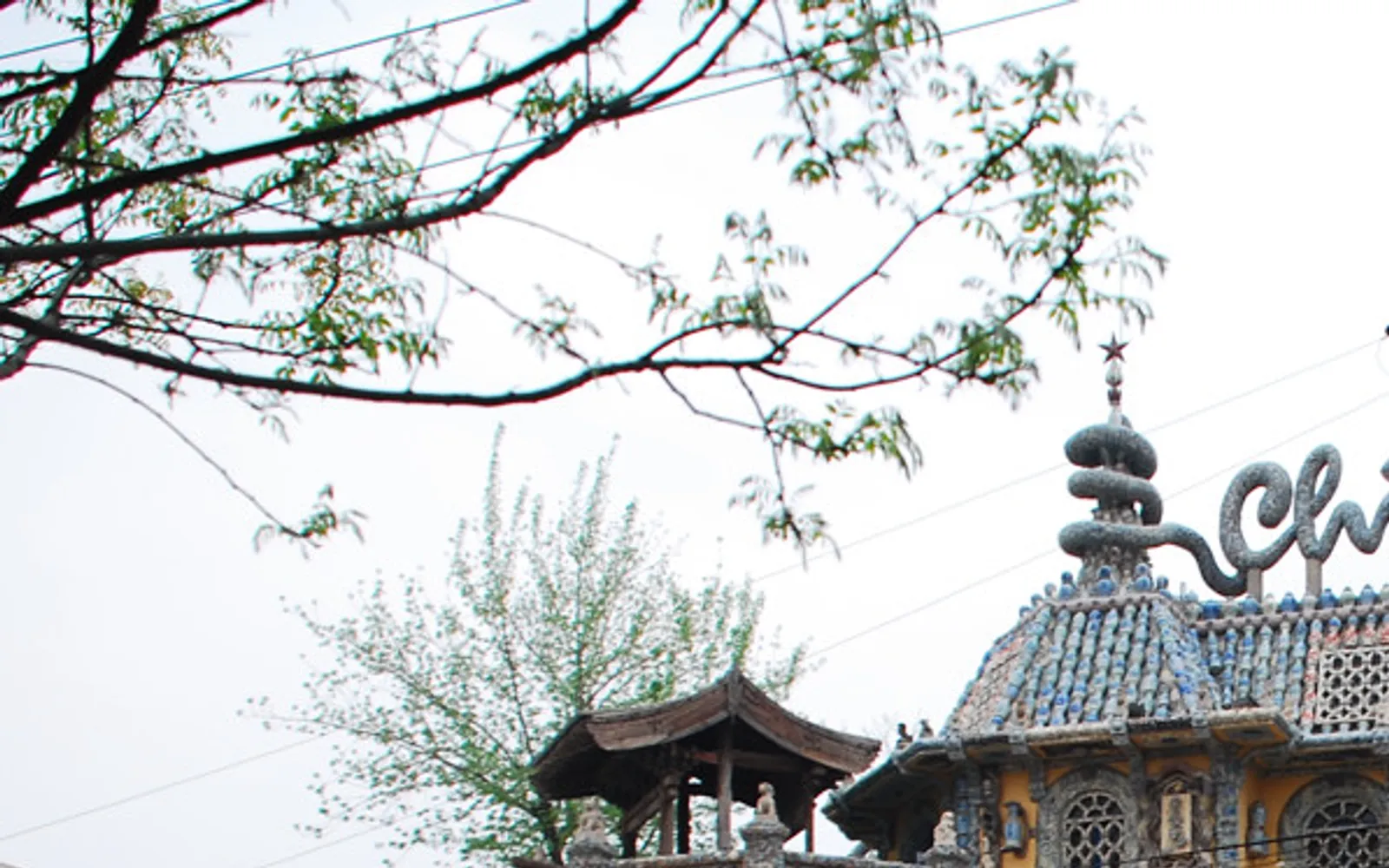
#4 Porcelain House · Porcelain House
A French-style building from over 100 years ago that art collector Zhang Lianzhi spent 14 years covering — every surface of all 5 floors, inside and out — with more than 400 million pieces of antique Chinese ceramics and porcelain. Tang, Song, Ming, and Qing dynasty tiles, bowls, and fragments cover the walls, ceilings, columns, and staircases with no surface left bare. The pieces were deliberately broken and reassembled as art. The sheer commitment of the owner's vision makes this unlike any museum anywhere in the world.
- Admission is 50 yuan. Allow at least 1.5–2 hours to take in the detail properly
- Some pieces were intentionally smashed to create mosaics — the owner describes it not as destruction but as rebirth
- The café inside the building has a good atmosphere; it's a nice place to rest after working through the upper floors
 #5
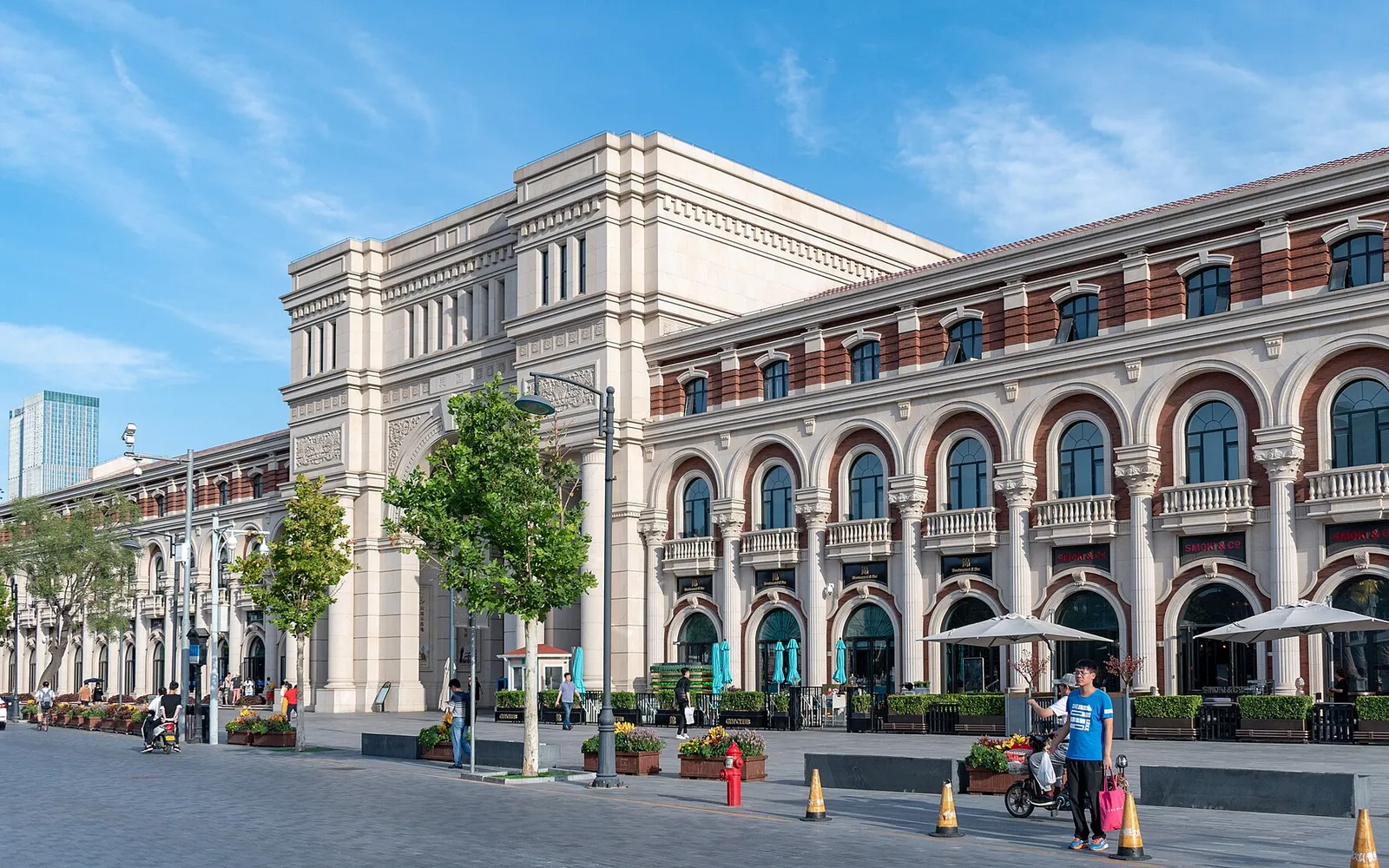
#5 Five Great Avenues · Five Great Avenues
The best-preserved colonial villa district in China. Five streets — Machang, Munan, Dali, Changde, and Chongqing — run a combined 9 kilometres, lined by more than 2,000 villas in English, French, Spanish, and Italian styles. Many of these houses were once home to prominent figures in Chinese history, including politicians and businesspeople from the Republican era. Old-growth trees shade the full length of the roads. When autumn arrives, the entire district turns gold — it looks like a painting.
- Rent a bike or an e-bike to cover every lane comfortably. The roads are flat and shaded
- Several houses now operate as cafés or boutique hotels — staying one night is a genuine way to experience the colonial atmosphere
- Free historical maps of each house are available at the tourist information centre at the district entrance
 #6
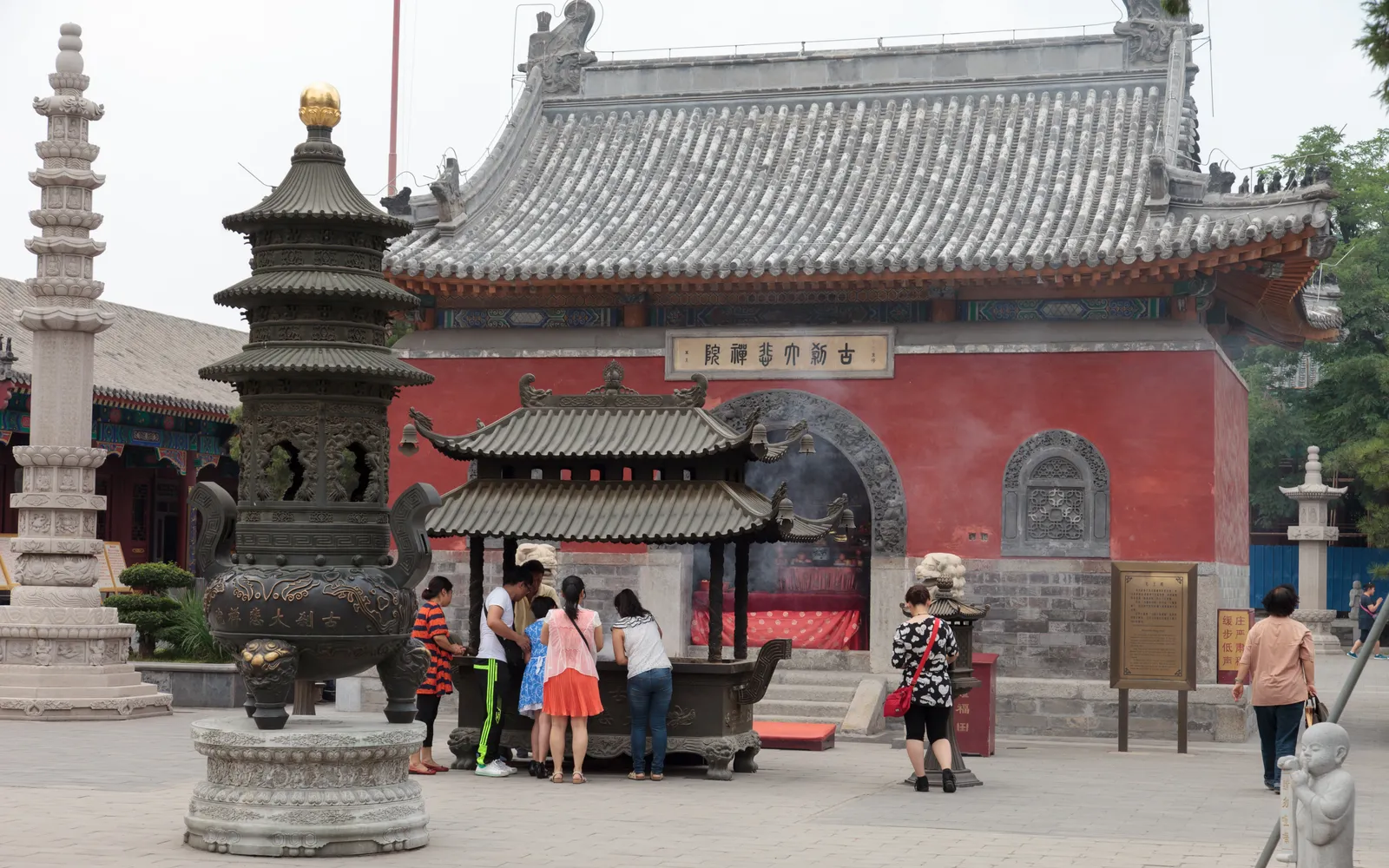
#6 Dabei Monastery · Dabei Monastery
Tianjin's most important Buddhist temple, built during the Qing dynasty in 1669. It's known for a 3-metre white jade Buddha and 500 arhats carved from wood in the central hall. This is an active place of worship, not a tourist shell — local worshippers come here daily. Early in the morning, incense smoke drifts through the courtyards and the sound of chanting carries across the grounds, creating a stillness that's rare in a city this size. The monastery's Buddhist library holds several hundred rare sutras.
- Free entry during opening hours 8:00–17:00. Incense costs 10 yuan if you want to pay respects in the traditional way
- Dress modestly — avoid shorts and sleeveless tops. This is a functioning religious site
- A market selling religious items and amulets surrounds the monastery; prices are negotiable
Where to stay in Tianjin for this trip
A well-located hotel means less commuting and more sightseeing. Here are real, top-rated stays in Tianjin — compare Agoda · Booking · Trip.com in one click.
The Ritz-Carlton, Tianjin
Affiliate links — we may earn a commission at no extra cost to you. Details
Tangla Hotel Tianjin
Affiliate links — we may earn a commission at no extra cost to you. Details
Somerset International Building Tianjin
Affiliate links — we may earn a commission at no extra cost to you. Details
Jinjiang Inn Tianjin Railway Station (Jinwan Square)
Affiliate links — we may earn a commission at no extra cost to you. Details
Tours, tickets & activities in Tianjin
Day tours, attraction tickets and travel essentials for Tianjin — book ahead on Klook with mobile e-tickets.
Affiliate links — we may earn a commission at no extra cost to you.
Before You Pack
Tianjin is very comfortable to cover in 2 days. The G-train high-speed rail from Beijing takes just 30–35 minutes and tickets cost 54.5 yuan. Spring (March–May) and autumn (September–November) have the best weather. Avoid midsummer, which is hot and humid, and midwinter, which is cold.