
Tokyo is the city where you never actually run out — every district feels like its own small city with a distinct character. Shibuya is young and loud, Asakusa is old-school, Akihabara is otaku planet, Harajuku is teenage fashion, Ginza is polished luxury, Odaiba is high-tech bayfront. This is our shortlist of 10 spots you should hit at least once on a Tokyo trip — with the timing tricks and small details that make each one more fun.
 #1
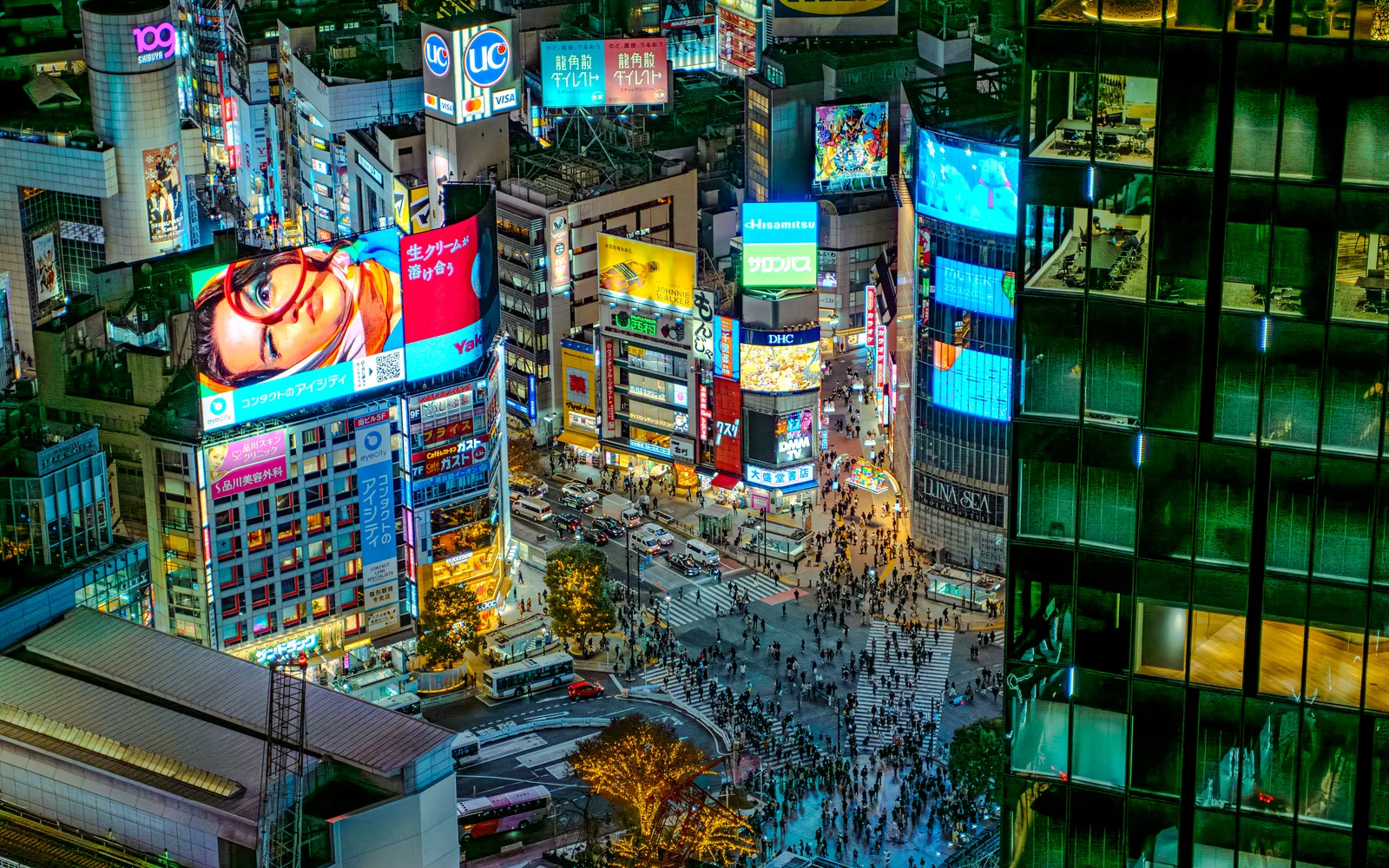
#1 Shibuya Crossing
The busiest pedestrian crossing on Earth — roughly 3,000 people cross every two minutes when the lights change, and it has become the visual shorthand for modern Tokyo. The cleanest photo angle is from Shibuya Sky on the 47th floor of Shibuya Scramble Square — you see both the crossing and Mount Fuji on clear days. The second-floor Starbucks above Tsutaya gives you a free street-level view from the side. Before you leave, stop at the Hachiko statue outside the station — the loyal Akita who waited for his owner every day for nine years is a real meeting point for Tokyoites, not just a tourist photo op.
- Book Shibuya Sky in advance — pick a 17:00 slot to catch both daylight and the city lighting up
- Cross at 18:00 on a Thursday for the heaviest weekday crowds
- Walk up Center Gai for youth-fashion shopping after
 #2
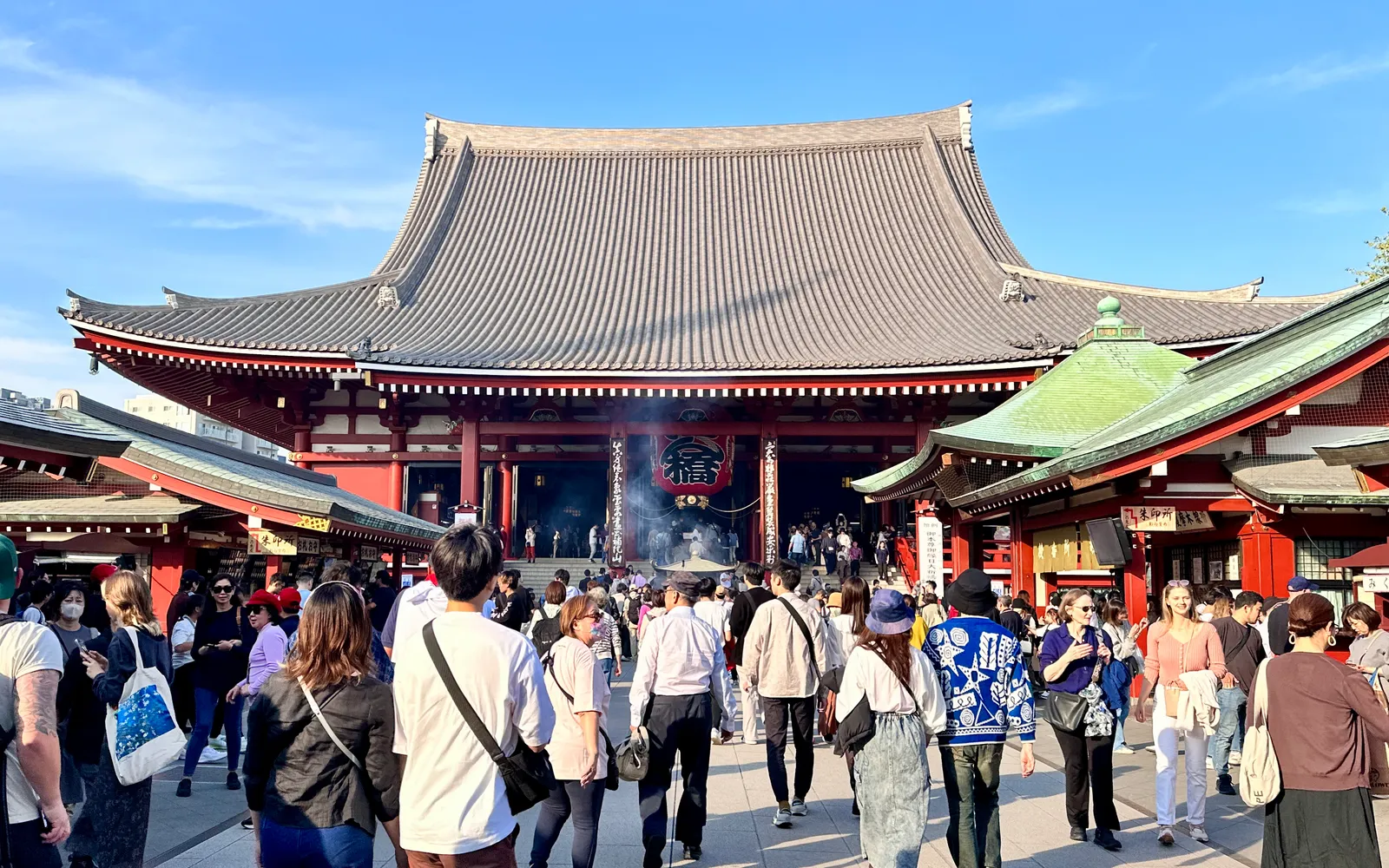
#2 Sensō-ji & Asakusa
Tokyo's oldest temple, founded in 645 CE. The Kaminarimon "thunder gate" with its 3.9m crimson lantern is one of the most recognizable images of the city. Walk through and you are on Nakamise-dori, a 250m shopping street packed with traditional Japanese sweets like Ningyo-yaki and freshly grilled Senbei. At the far end sit the main hall and the five-story pagoda. Slip one street over to Hoppy-dori for proper old-Tokyo shitamachi izakayas. After dark you can frame Tokyo Skytree right next to the temple in one shot.
- Rent a kimono for about ¥3,000 to make your photos a little more special
- Arrive before 8am or after 4pm for far fewer crowds
- Hand-pulled rickshaws are around ¥10,000 for 30 minutes
 #3
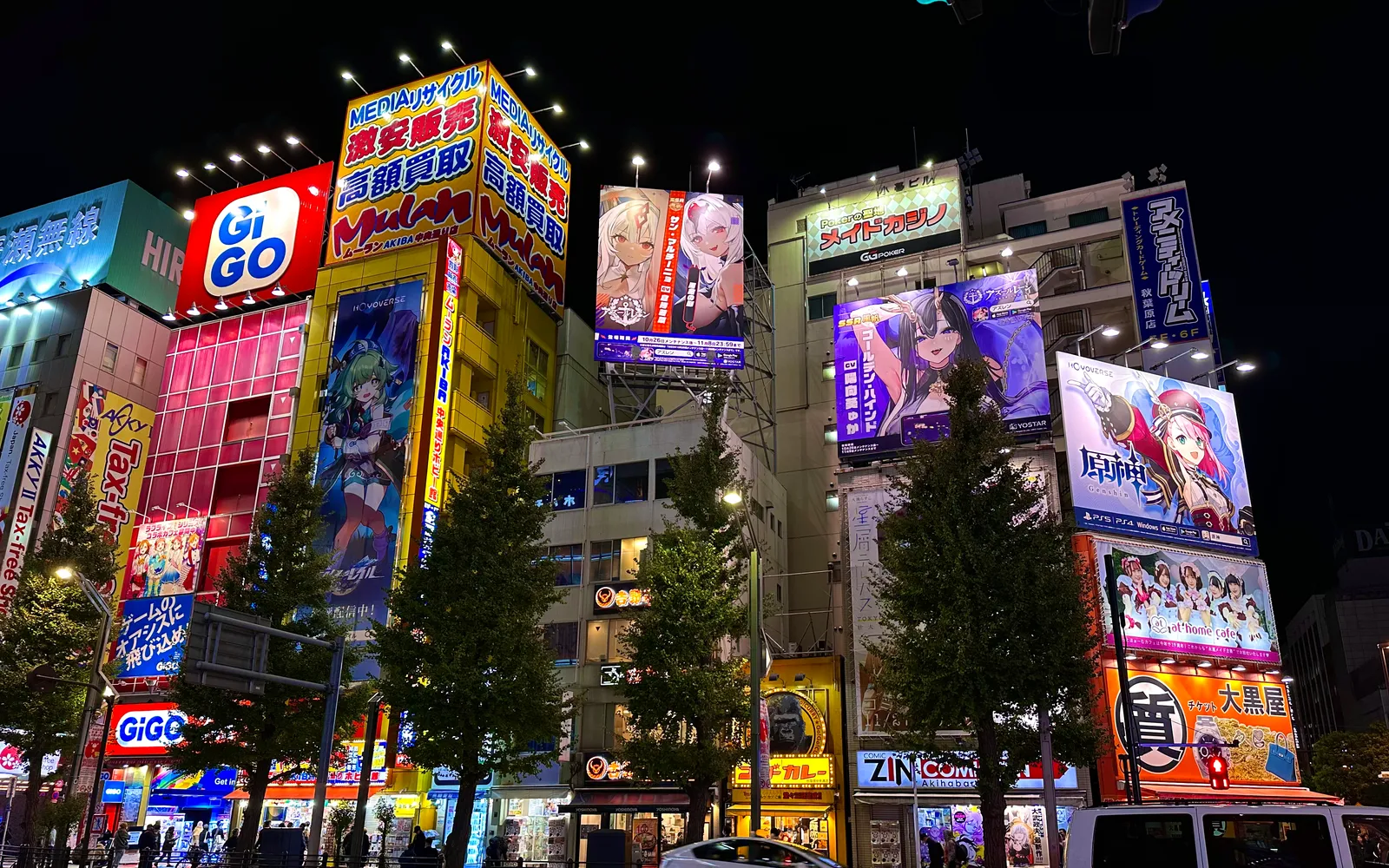
#3 Akihabara
Capital of otaku culture and Japan's electronics scene. Every six-to-eight-floor building here is filled with figures, manga, trading cards, cosmetics, and anime merchandise you genuinely cannot find elsewhere. The unmissable big ones: Yodobashi Camera (nine floors of electronics), Animate (seven floors of manga and anime), Don Quijote with the AKB48 Theater upstairs, and Mandarake for rare second-hand finds. Try at least one maid cafe like @home cafe — the "Moe Moe Kyun" ritual before you eat is the kind of experience that exists nowhere else.
- Sunday afternoons Chuo-dori is closed to cars and becomes a pedestrian street
- Gachapon Hall has 500+ capsule-toy machines under one roof
- For rare finds, hit Mandarake Complex — eight floors of every category imaginable
 #4
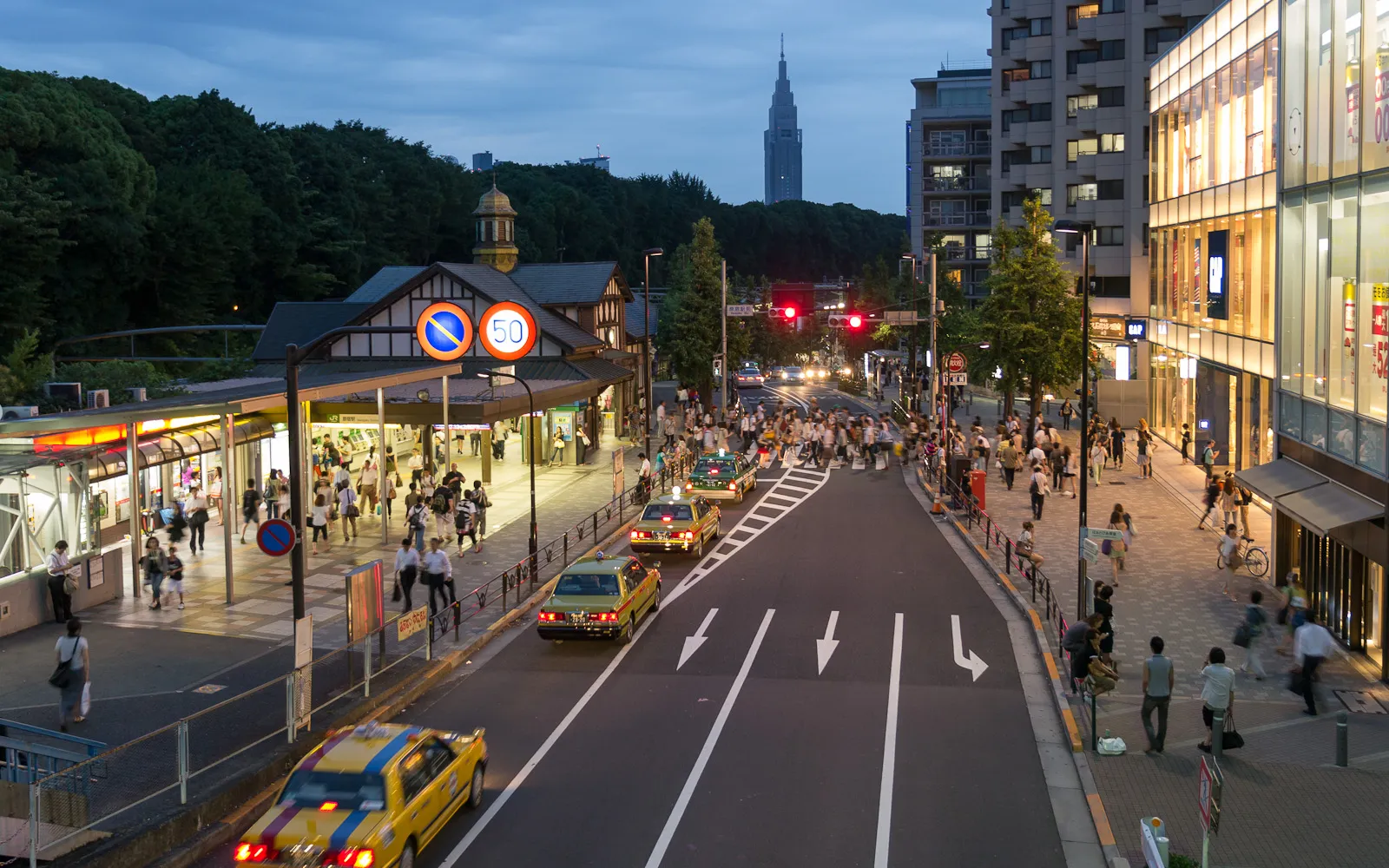
#4 Harajuku & Omotesandō
The neighborhood that made "kawaii" a global word. Takeshita Street is a 350m pedestrian lane packed with clothing shops covering Lolita, Decora, Gothic, and streetwear. Outrageous public snacks — rainbow cotton candy, Marion crepes — were invented here. Five minutes away is Omotesandō, often called "the Champs-Élysées of Tokyo": flagship stores designed by world-class architects like Tadao Ando and Herzog & de Meuron. Slip into the parallel Cat Street for quieter independent designer shops with a cooler vibe.
- On Sundays cosplayers still gather on Jingubashi Bridge
- Walk into Meiji Jingu Shrine next door — a forest in the middle of Tokyo
- Omotesandō Hills, designed by Tadao Ando, is more interesting as architecture than as a mall
 #5
#5 Tokyo Skytree
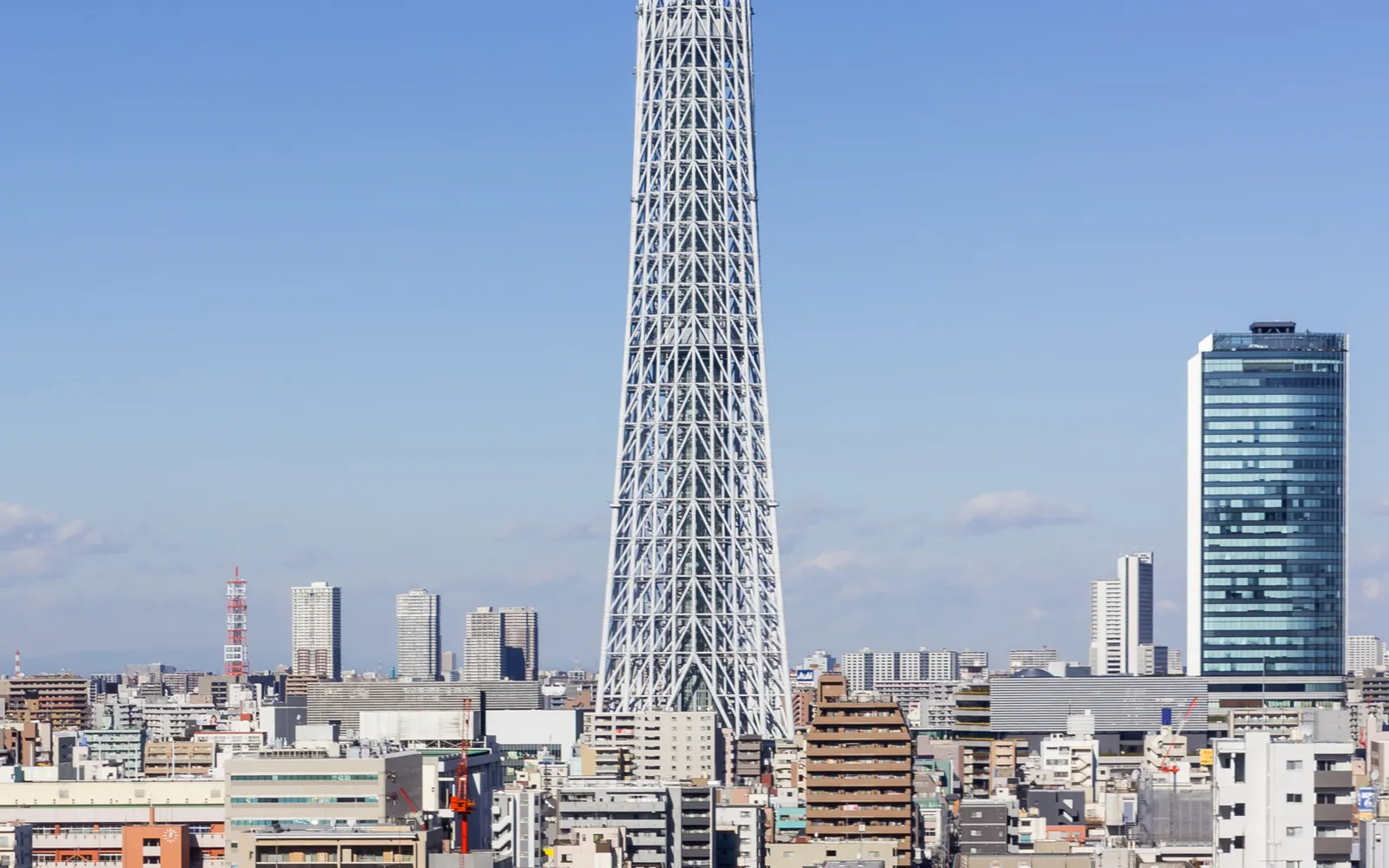
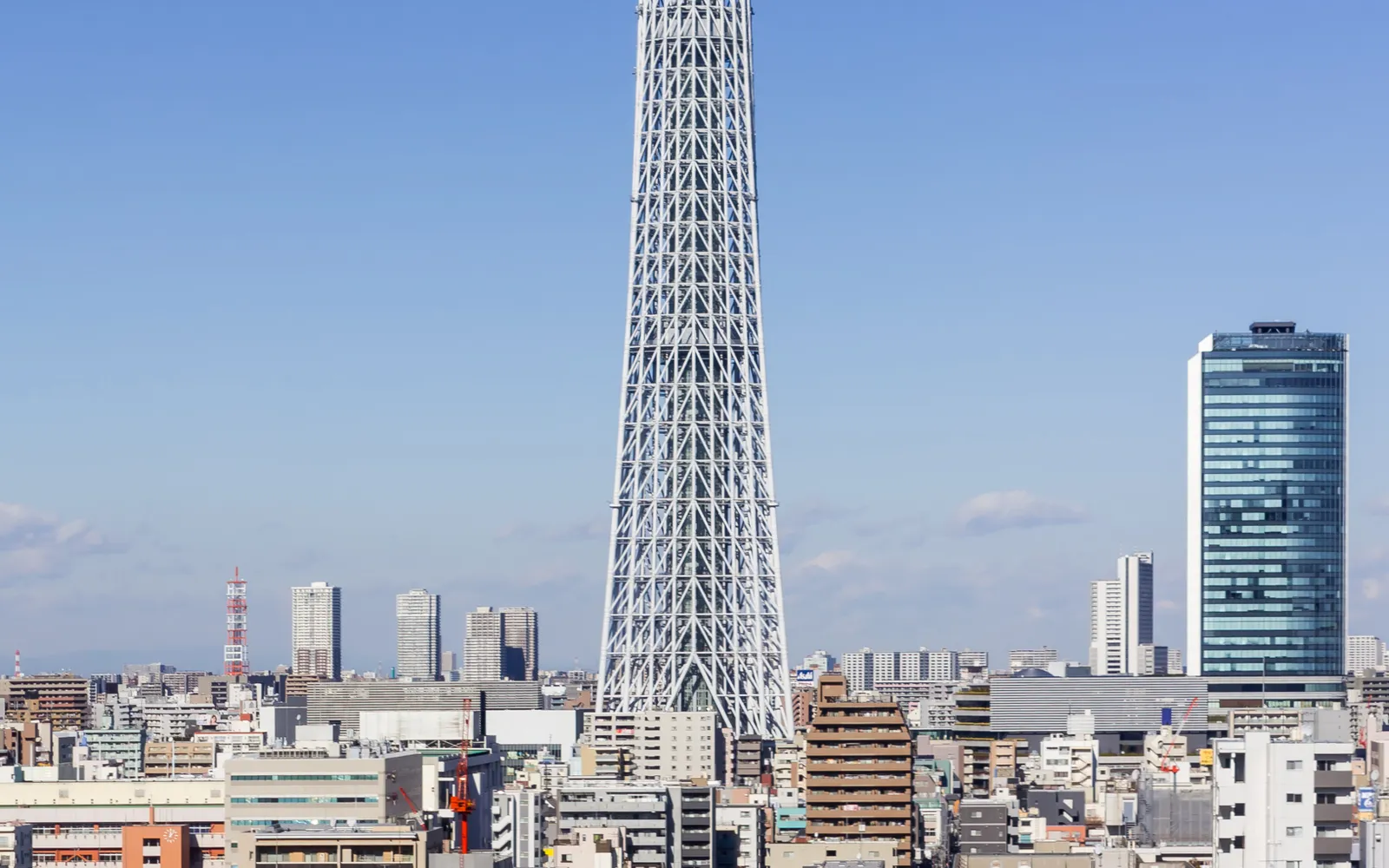
The tallest broadcast tower on Earth at 634m, opened in 2012. Its signature blue-grey color is called "Sumida Blue," meant to evoke trees from Japanese folktales. Two observation decks: Tembo Deck at 350m and Tembo Galleria at 450m, both with glass-floor sections so you can look straight down. On clear days the view stretches 100km — Mount Fuji and the ocean are both visible. At the base, Tokyo Solamachi mall houses the Sumida Aquarium and the Postal Museum, so you can spend a whole day here without leaving the tower complex.
- The combo ticket (350m + 450m) is only slightly more than the 350m-only ticket
- Aim for "magic hour" 30 minutes before sunset — you see both day and night lighting
- Pair it with Asakusa: cross the Sumida River on foot to get here
 #6
#6 Tsukiji Outer Market
The wholesale tuna auction moved to Toyosu in 2018, but Tsukiji Outer Market kept its noisy, packed-tight personality intact. 400+ seafood stalls and street-food vendors operate from 5am to noon. Order otoro tuna sashimi at ¥1,000–2,000 a slice, sweet tamagoyaki where every shop swears by its secret recipe, grilled unagi, and grilled abalone. Anthony Bourdain's favorites Sushi Dai and Daiwa Sushi went with the inner market to Toyosu, but Sushi Bun and Yamacho here are easily as good.
- Arrive before 9am for the freshest catch and the most open stalls
- Bring cash — many small stalls do not take cards
- Walk over to Hama-rikyu Garden afterward — a former shogun's garden right next door
 #7
#7 Shinjuku & Kabukichō
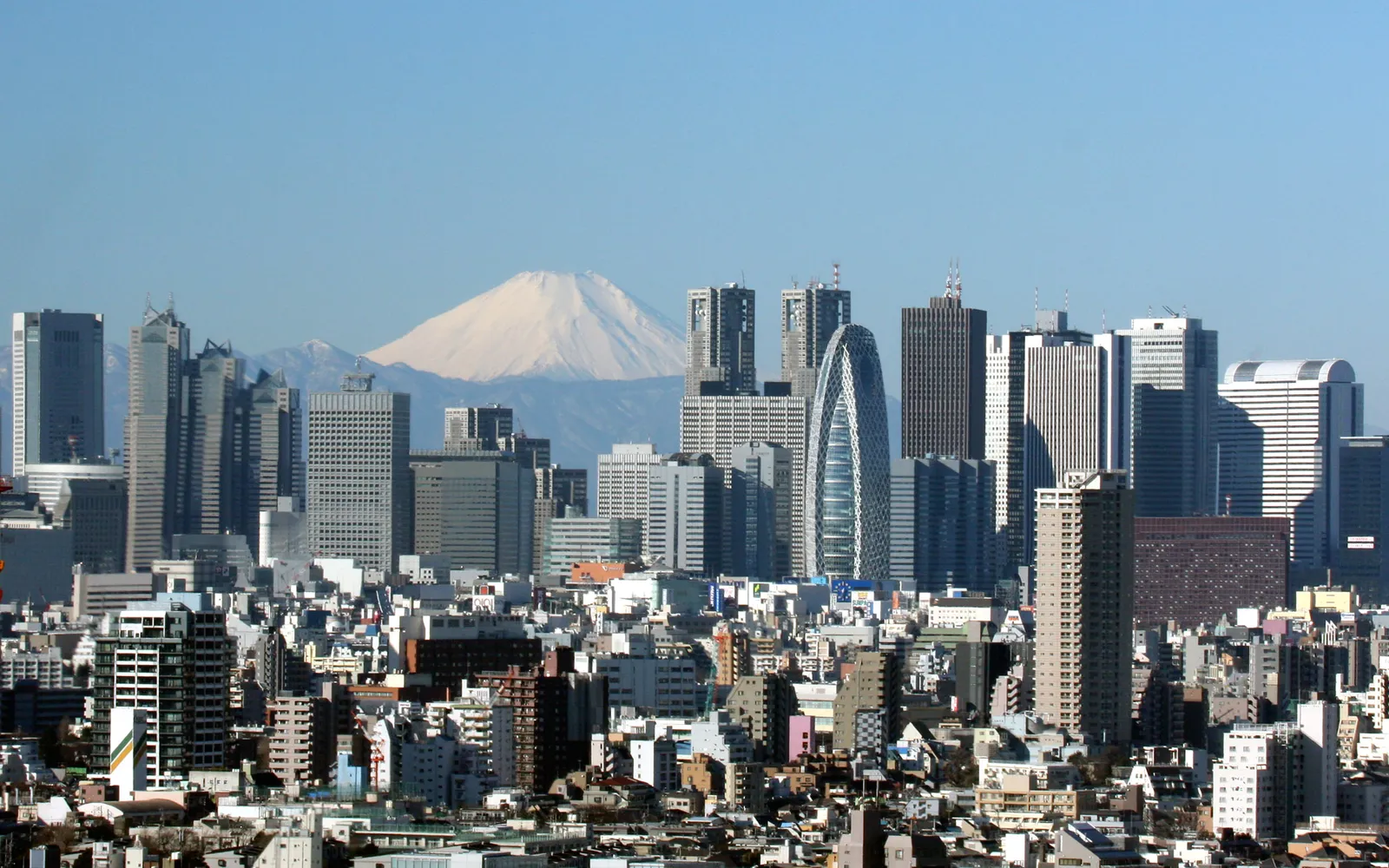
The busiest train station in the world — 3.6 million people pass through daily. Around it stand some of Japan's densest clusters of skyscrapers, and the Tokyo Metropolitan Government Building offers a free observation deck on the 45th floor that easily rivals paid options. North of the station is Kabukichō, the largest entertainment and nightlife district in Asia: host bars, hostess clubs, izakayas, 24-hour ramen, and Golden Gai — a warren of narrow alleys with 200 tiny bars, some seating only four people. Writers and filmmakers from around the world keep coming back here.
- Tokyo Metropolitan Building is free and open until 22:00
- Avoid touts inviting you into bars — those are usually clip joints with surprise bills
- Omoide Yokocho ("Piss Alley") still has the original yakitori joints near the station
 #8
#8 Ueno Park & Museums
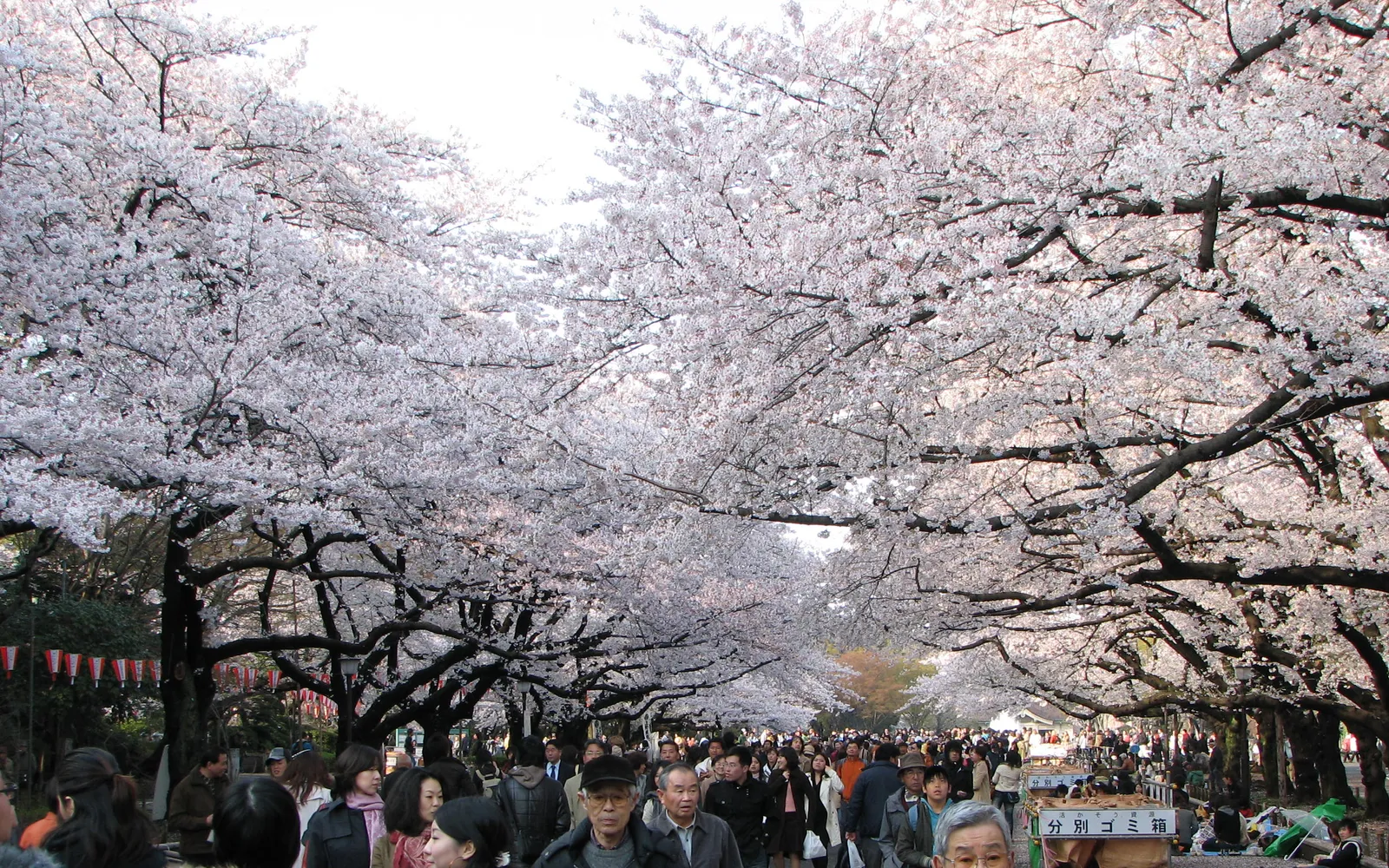
The largest public park in central Tokyo at 530,000 sqm, and a one-stop concentration of national museums: Tokyo National Museum (the country's oldest), National Museum of Western Art (Rodin and Monet), National Museum of Nature and Science, and the Shitamachi Museum — all in one district. Inside the park, the gilded Ueno Toshogu Shrine, the Bentendo temple on its lotus-pond island, and Ueno Zoo (which has giant pandas) add up to a full day. In early April, 1,000+ cherry trees turn the whole place pink.
- During cherry-blossom season (late March–early April), arrive before 9am to claim a picnic spot
- Kids love Ueno Zoo for the pandas and the aquarium nearby
- Walk under the train tracks to Ameyoko Market for cheap snacks and souvenirs
 #9
#9 Odaiba
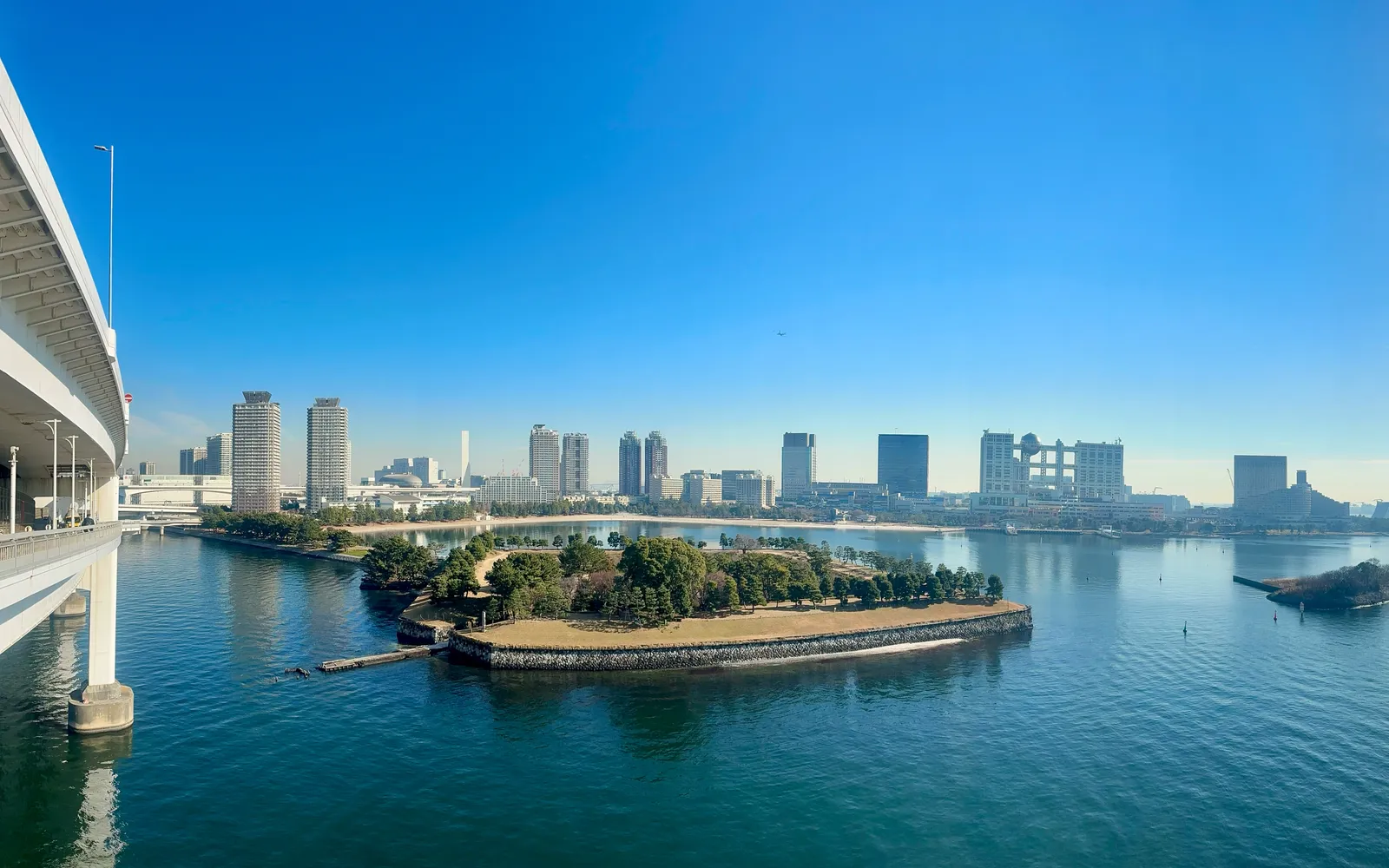
A man-made bay-side island turned entertainment district. The 19.7m life-size Unicorn Gundam statue in front of DiverCity Tokyo Plaza moves and lights up on a schedule — pilgrimage spot for Gundam fans worldwide. Across the way, TeamLab Borderless / Planets remains the most overwhelming digital-art experience in the city. The malls Aqua City and Decks Tokyo Beach sit on a man-made shoreline you can actually walk along. At night, the Rainbow Bridge and the central Tokyo skyline reflect across the water in a way that feels almost cinematic.
- Take the Yurikamome elevated line from Shimbashi for the bridge views going in
- Book TeamLab tickets 1–2 weeks in advance — they sell out
- Soak at Oedo Onsen Monogatari — change into a yukata and wander the whole onsen complex
 #10
#10 Ginza
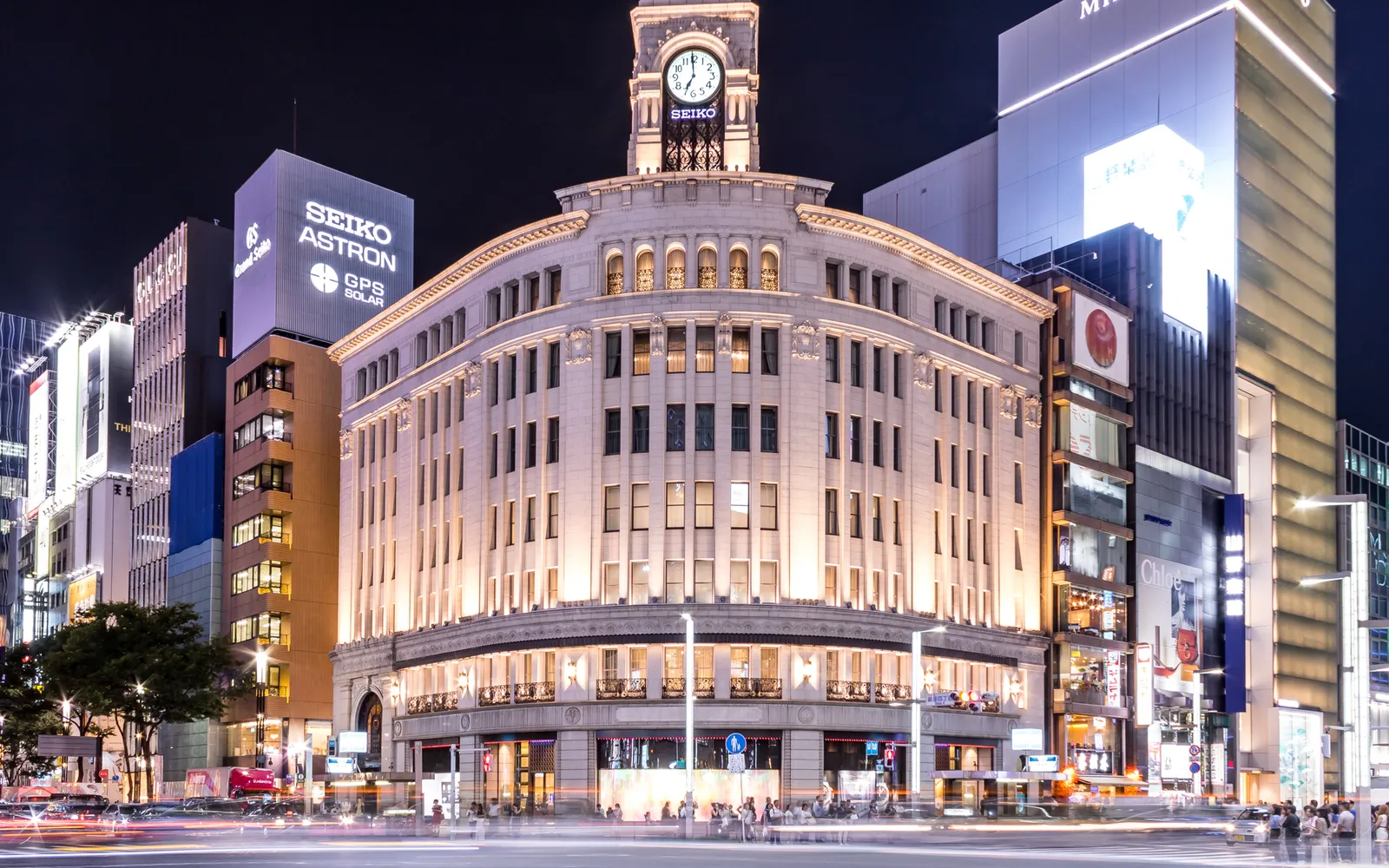
Tokyo's most upmarket shopping and dining district. The main artery, Chuo-dori, is wall-to-wall flagship stores: Louis Vuitton, Chanel, Dior, Hermès, Armani — all in standalone architecturally-significant buildings. Look up at the pink Mikimoto building by Toyo Ito, the millions of glass blocks of the Renzo Piano Hermès, and Ginza Six (which houses a Kabukiza Theatre branch upstairs). Around 200 Michelin-starred restaurants concentrate in this one neighborhood — Sushi Saito and the legendary Sukiyabashi Jiro (Obama's dinner spot) included. Most department stores stay open until midnight.
- On weekend afternoons (12:00–18:00) Chuo-dori closes to cars and becomes a pedestrian street
- Pop into Kabukiza Theatre for a single-act ticket from ¥1,000
- Itoya is a 12-floor stationery store — heaven for anyone who loves to write
Before You Pack
Spend your first five days knocking out the headliners — Shibuya, Shinjuku, Asakusa, Akihabara, Ueno, Ginza, and Skytree — then save the deeper neighborhoods (Kichijoji, Shimokitazawa, Yanaka) for the next trip. Tokyo is one of those cities you get more out of every time you return.