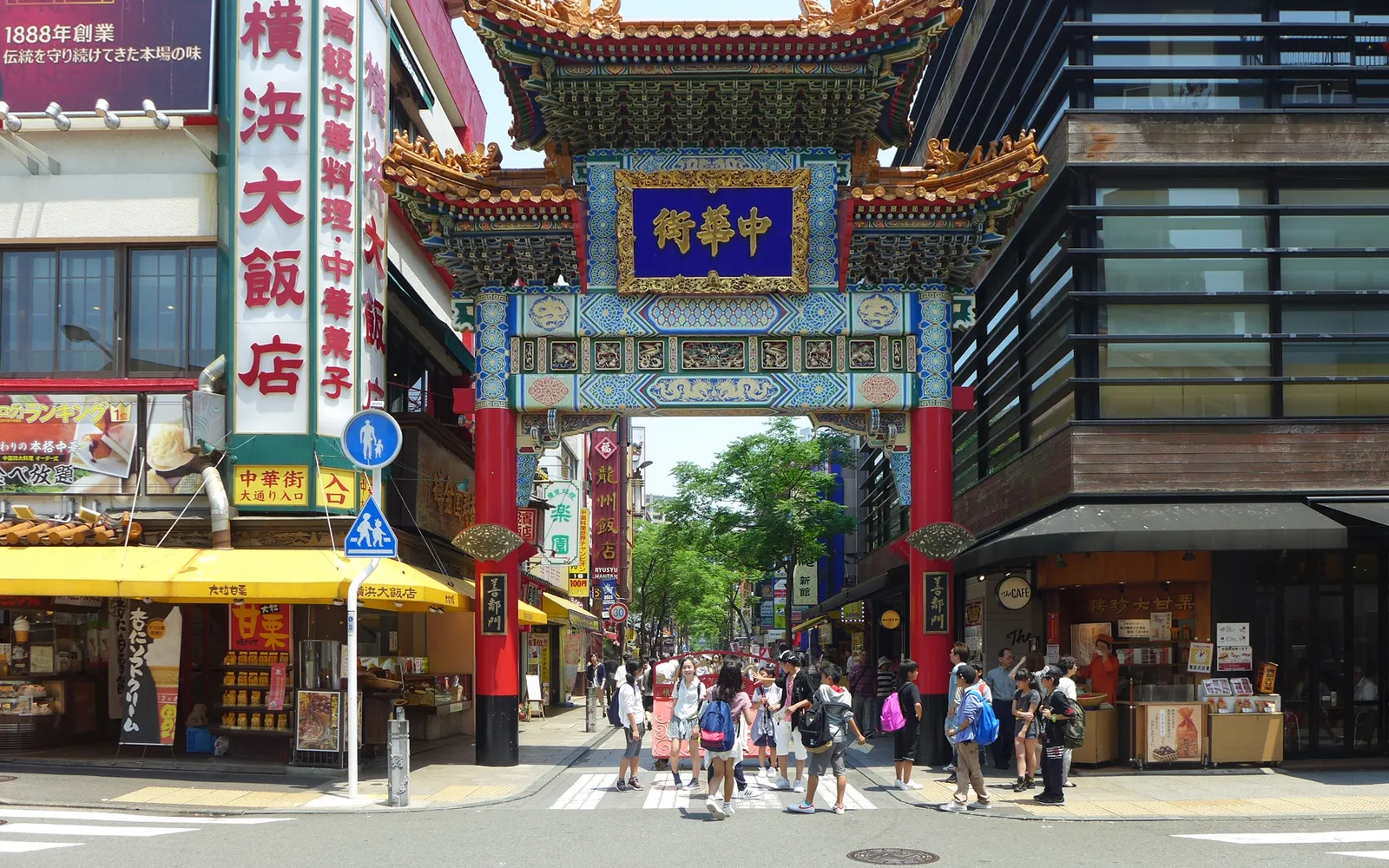
Yokohama opened its port to the Western world in 1859, making it Japan's fastest melting pot of Chinese, Japanese, and Western food traditions. Iekei ramen was born here before spreading across the country, while Kiyoken's shumai became the city's most iconic edible souvenir. You can spend an entire day eating your way through Chinatown, classic kissaten cafés, and the world's first ramen museum.
 #1
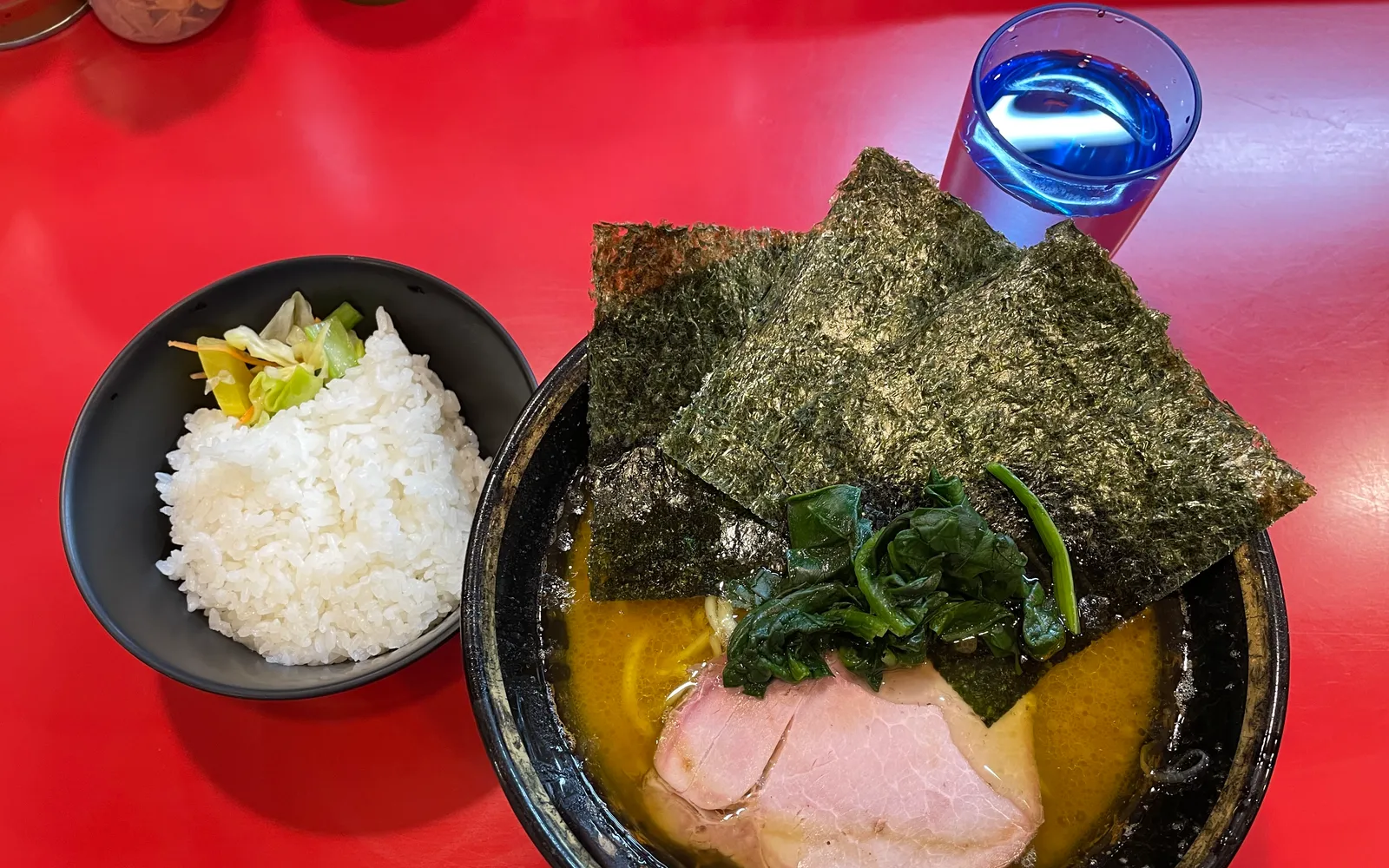
#1 Iekei Ramen · Iekei Ramen
Yokohama's signature ramen style, born at the shop Yoshimuraya in 1974 and since spread nationwide. The broth blends tonkotsu pork bones with chicken soy stock for a depth that neither style alone achieves — with a soft layer of chicken fat floating on top. The noodles are thick, straight, and chewy. Classic toppings are three sheets of nori, blanched spinach, and a thick slice of chashu. Diners can dial in the broth richness, saltiness, and fat level to their preference.
- The main Yoshimuraya branch has moved to Nishi Ward near JR Yokohama Station — expect a long queue at lunch.
- Order codes: '硬め' (Katame) = firm noodles, '薄め' (Usume) = lighter broth, '少なめ' (Sukuname) = less fat.
- Yoshimuraya's many offshoots are scattered across Yokohama — a branch near your hotel is usually just as good.
 #2
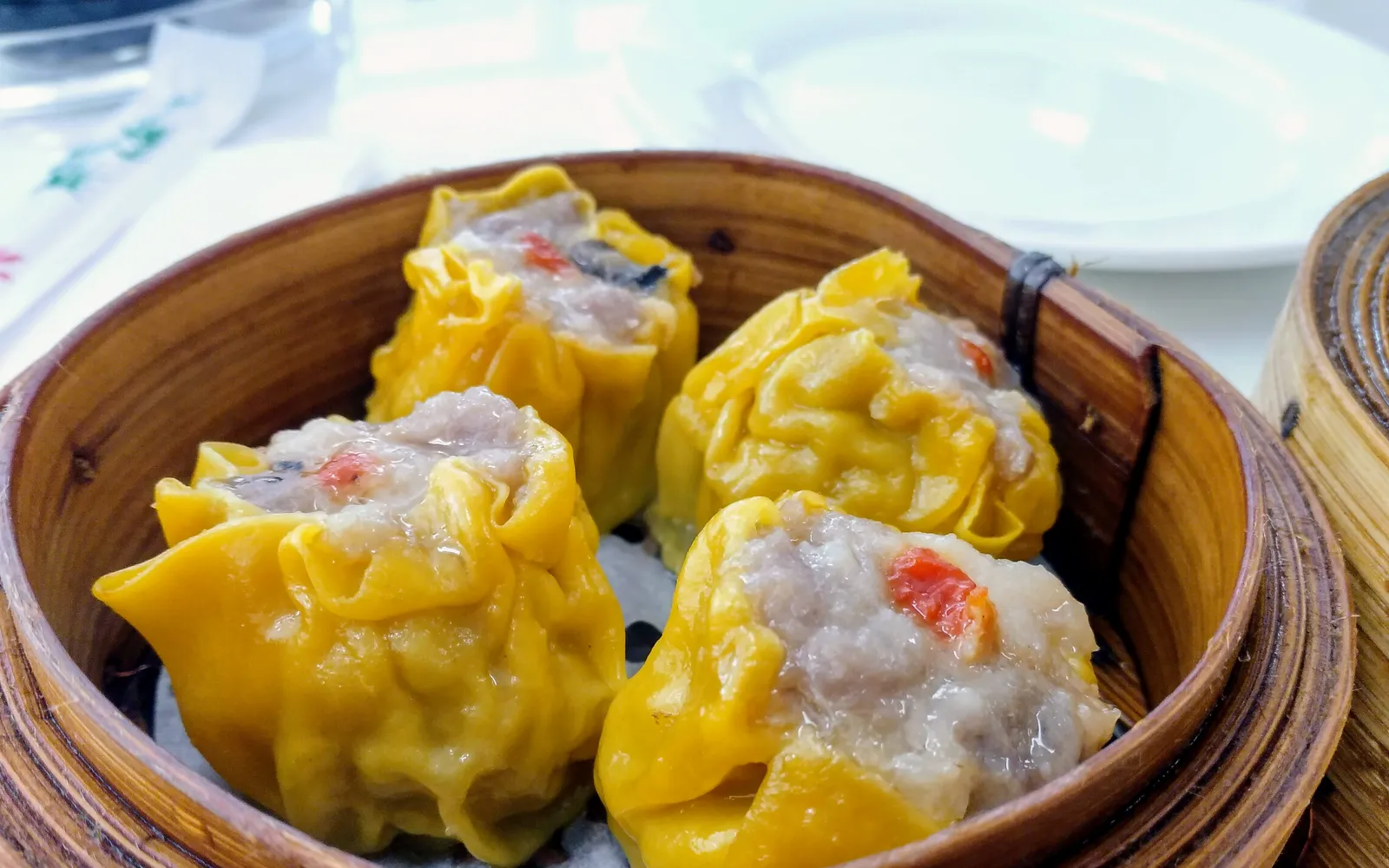
#2 Yokohama Shumai · Yokohama Shumai
Yokohama-style shumai differs from other versions by mixing scallop meat into the ground pork filling, giving it a distinctly sweet, delicate flavour. Kiyoken, open since 1928, is the legendary name locals say you must take home. The Shumai Bento packs shumai alongside rolled omelette, fried chicken, bamboo shoots, and steamed rice. Eaten hot with Japanese mustard (<em>karashi</em>), it's the quintessential Yokohama taste.
- Kiyoken has outlets at every Yokohama train station, including department store food halls.
- The Shumai Bento is also sold on Shinkansen trains — perfect to buy on the way out of Yokohama.
- Japanese mustard (karashi) lifts the flavour immediately — don't skip it.
 #3
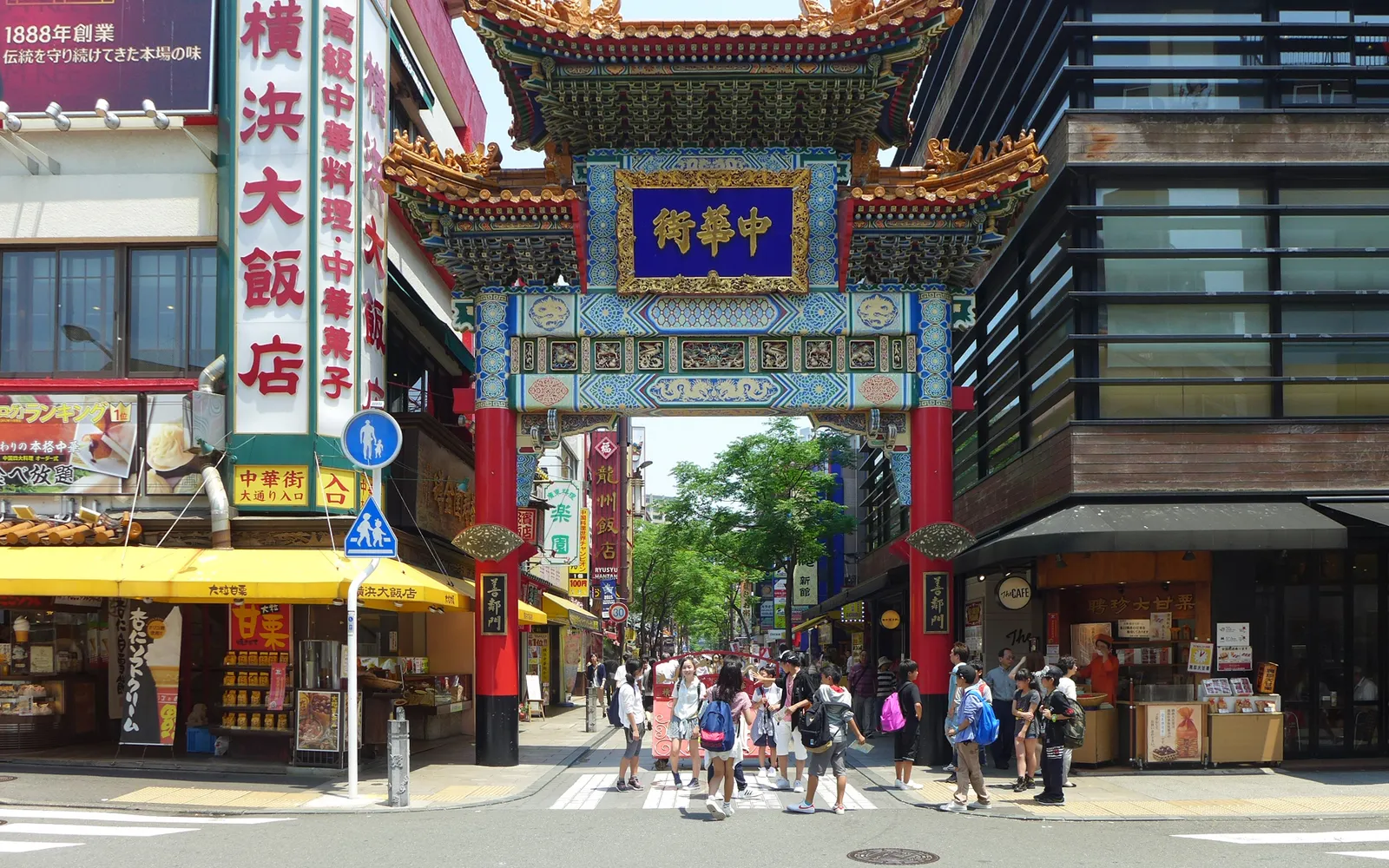
#3 Yokohama Chinatown Chinese Food · Yokohama Chinatown Chinese Food
Yokohama Chinatown packs more than 500 shops and restaurants into a single district. The main draw is eating while you walk — Nikuman (steamed pork buns), fried tofu from stall counters, sesame balls, and various filled buns. Sit-down institutions like Edosei and Kouchou draw long lunch queues. For travelers looking for proper Chinese fine dining at reasonable prices, Yokohama Chinatown outperforms many equivalents elsewhere in Asia.
- Fresh-from-the-steamer Nikuman at 300–500 yen per bun is non-negotiable.
- Weekday afternoons around 14:00 — the popular restaurants are nearly queue-free.
- Manchinro Honten (est. 1892) is the oldest Chinese restaurant in the district.
 #4
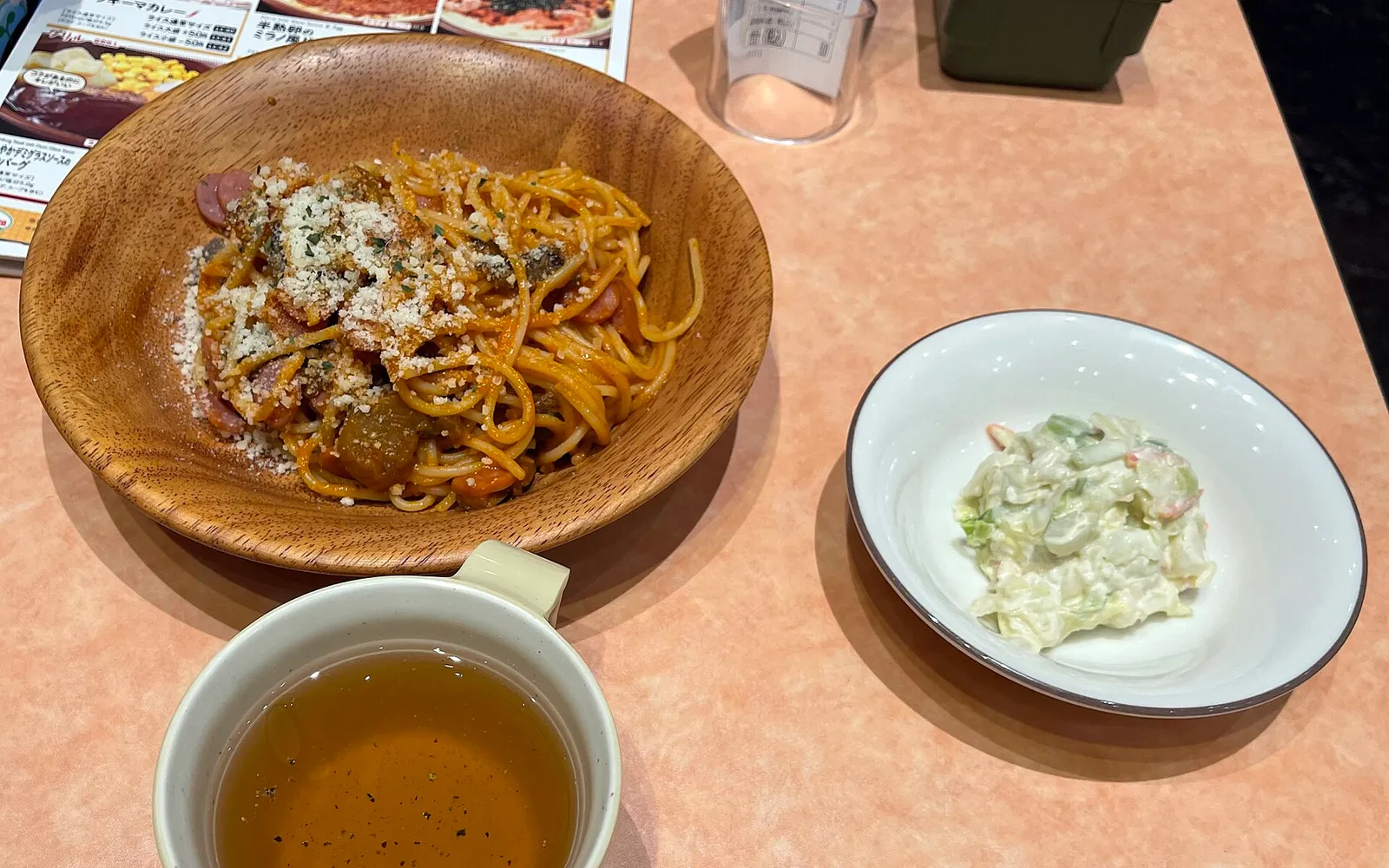
#4 Napolitan Pasta · Napolitan Pasta
A pasta that is decidedly not Italian — it is entirely Japanese. Invented in 1948 at Hotel New Grand by chef Shigetada Irie, who watched American soldiers eating spaghetti with tomato ketchup and developed his own version. Soft-cooked spaghetti is stir-fried with onion, green pepper, sausage, and tomato sauce for a gently sweet, familiar flavour. It became a soul-food staple found in old-school Japanese cafés.
- Hotel New Grand in the Yamashita district still serves Napolitan to the original recipe.
- Prices at typical cafés run 700–1,200 yen — a classic lunch option.
- Kissaten-style (retro café) spots in Kannai almost always carry Napolitan on the menu.
 #5
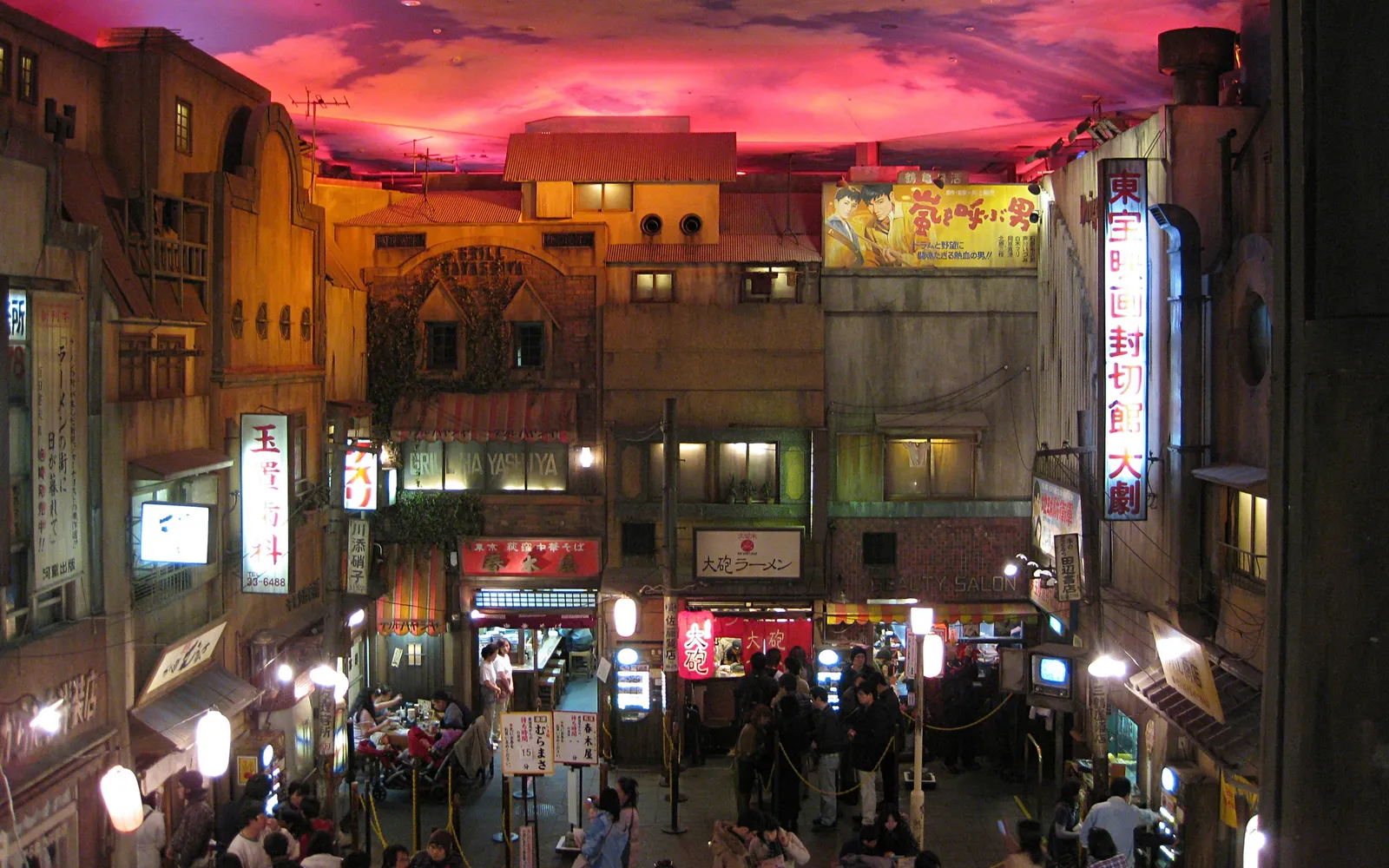
#5 Ramen at Shin-Yokohama Ramen Museum · Ramen at Shin-Yokohama Ramen Museum
The world's first ramen museum, opened in 1994, brings together 9 regional ramen styles from across Japan under one roof. The interior recreates a backstreet alley from 1958 Showa-era Japan in meticulous detail — vintage shop signs, amber lighting, and period music. Standout tenants include Sumire (Sapporo miso), Ichiran (Hakata), Komurasaki (Kumamoto), and Ryushanhai (Yokohama style). Ordering the mini size lets you work through several shops without hitting the wall.
- Adult entry is 380 yen — food is purchased separately inside.
- Mini bowls run 500–700 yen each; ordering 3–4 shops is a comfortable pace.
- Weekdays are noticeably shorter on queues — aim for 11:00–12:00.
 #6
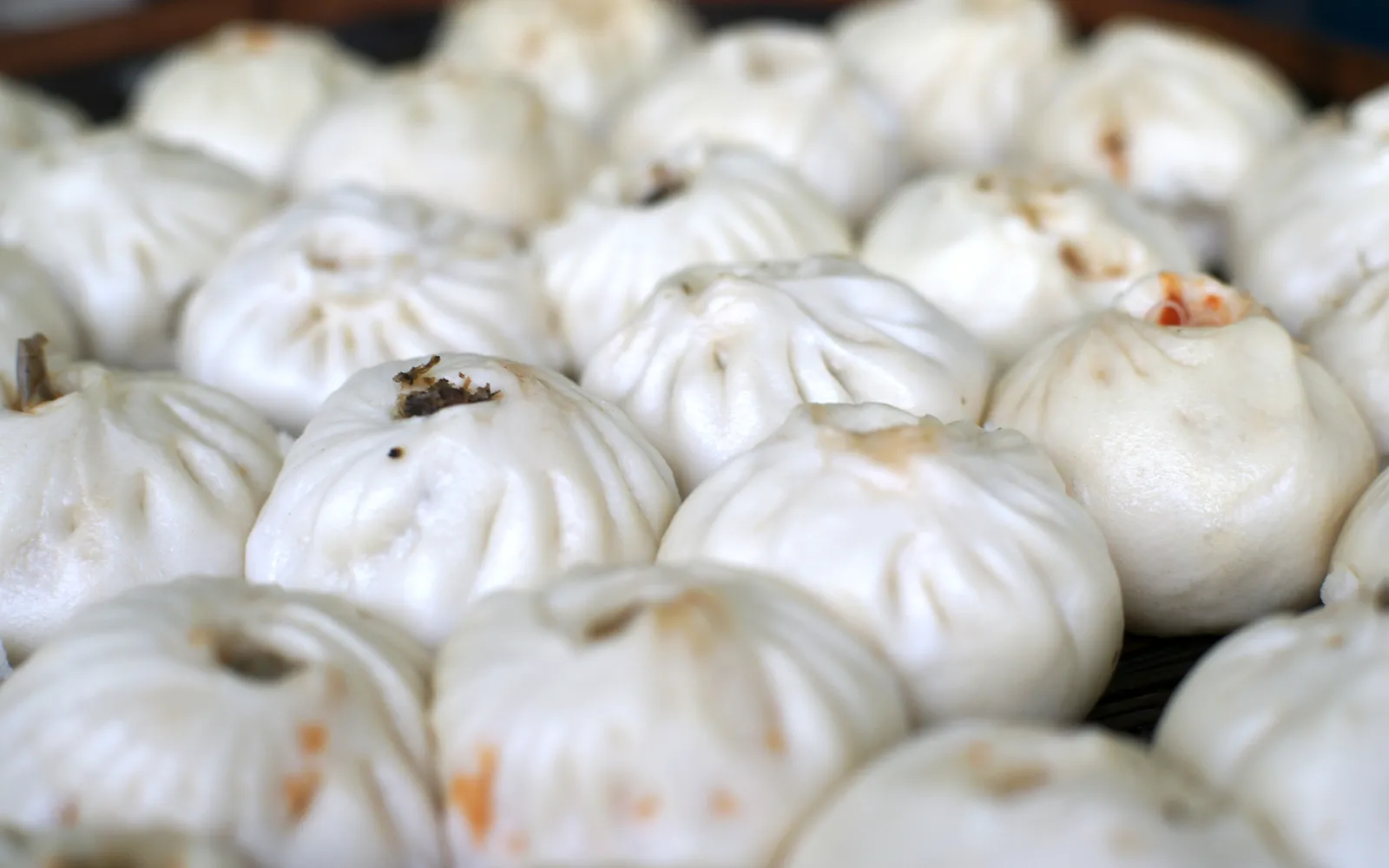
#6 Nikuman and Chinese Sweets · Nikuman and Chinese Sweets
Nikuman from Yokohama Chinatown stalls is known for being larger and juicier than versions elsewhere. Edosei and Kouchou regularly draw queues out front. Popular fillings include ground pork with bamboo shoots, dried shrimp, and mixed vegetables. For sweets, try <em>tou fu tong</em> (white bean soup), black sesame sticky rice balls, and fried sesame balls dusted with sugar — all easy to eat on the move. Street-side Chinese snacks in this Yokohama style are genuinely hard to find anywhere else.
- Eat Nikuman immediately after buying — it loses its best texture fast once bagged.
- A queue outside a stall is generally a reliable quality signal.
- During Chinese New Year (January–February), Chinatown holds large-scale celebrations with full decorations.
Where to stay in Yokohama for this trip
A well-located hotel means less commuting and more sightseeing. Here are real, top-rated stays in Yokohama — compare Agoda · Booking · Trip.com in one click.
InterContinental Yokohama Grand
Affiliate links — we may earn a commission at no extra cost to you. Details
Hotel Plumm Yokohama
Affiliate links — we may earn a commission at no extra cost to you. Details
Yokohama Royal Park Hotel
Affiliate links — we may earn a commission at no extra cost to you. Details
Hyatt Regency Yokohama
Affiliate links — we may earn a commission at no extra cost to you. Details
Tours, tickets & activities in Yokohama
Day tours, attraction tickets and travel essentials for Yokohama — book ahead on Klook with mobile e-tickets.
Affiliate links — we may earn a commission at no extra cost to you.
Before You Pack
Yokohama's food culture is one of the reasons serious eaters schedule a stop here before leaving Japan. No other port city in the country has fermented cross-border food traditions into something this distinctly its own.