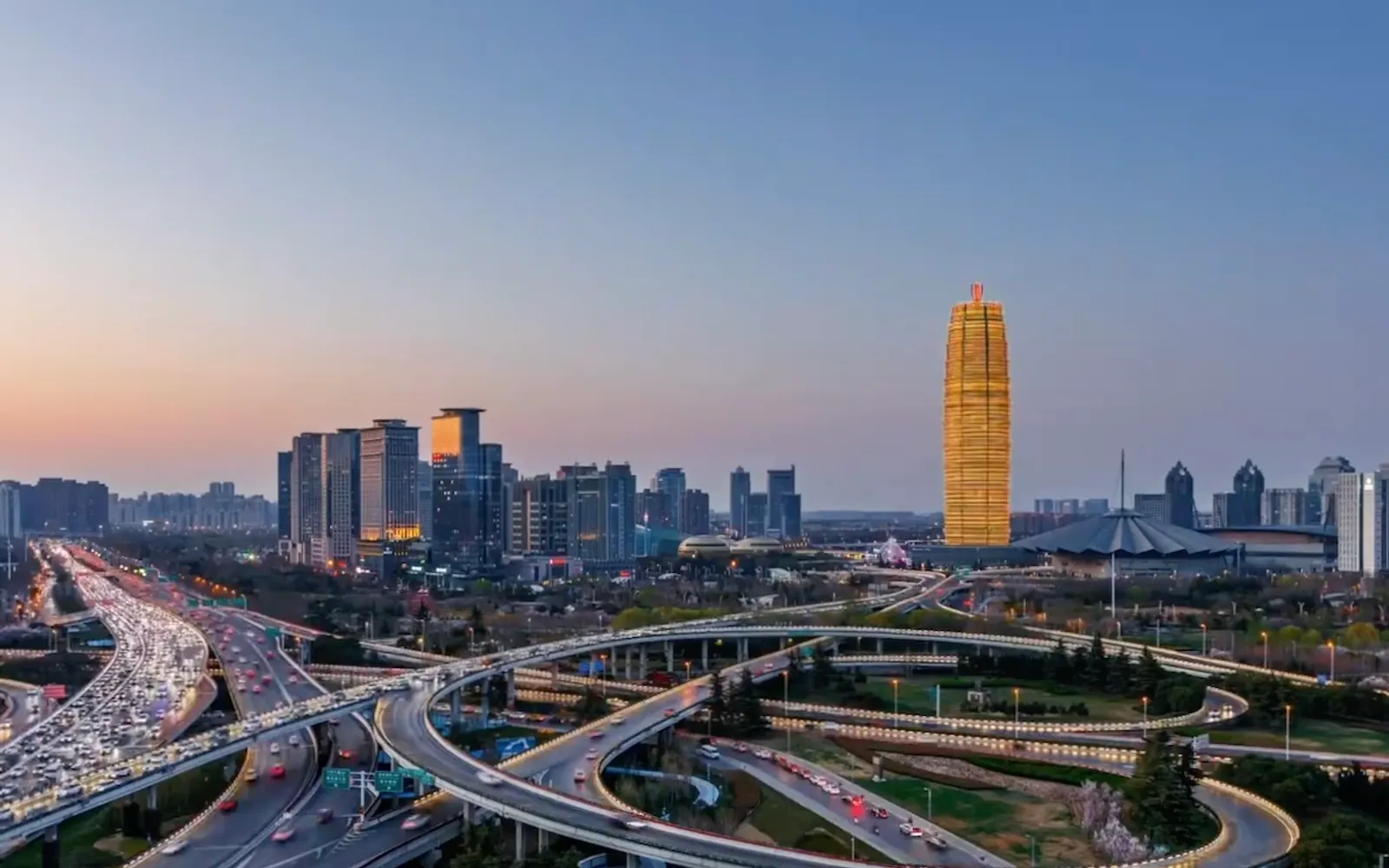
Zhengzhou does not win on scenery — it wins on depth of history that no other city in China can match. This is the birthplace of Chinese civilisation, with a record stretching back over 3,600 years. Most travelers come for Shaolin Monastery and Mount Song, but look a little closer and you will find the Yellow River, a world-class national museum, and the buried walls of an ancient capital still waiting to be explored.
 #1
#1 Shaolin Monastery (Shaolin Si) · Shaolin Monastery
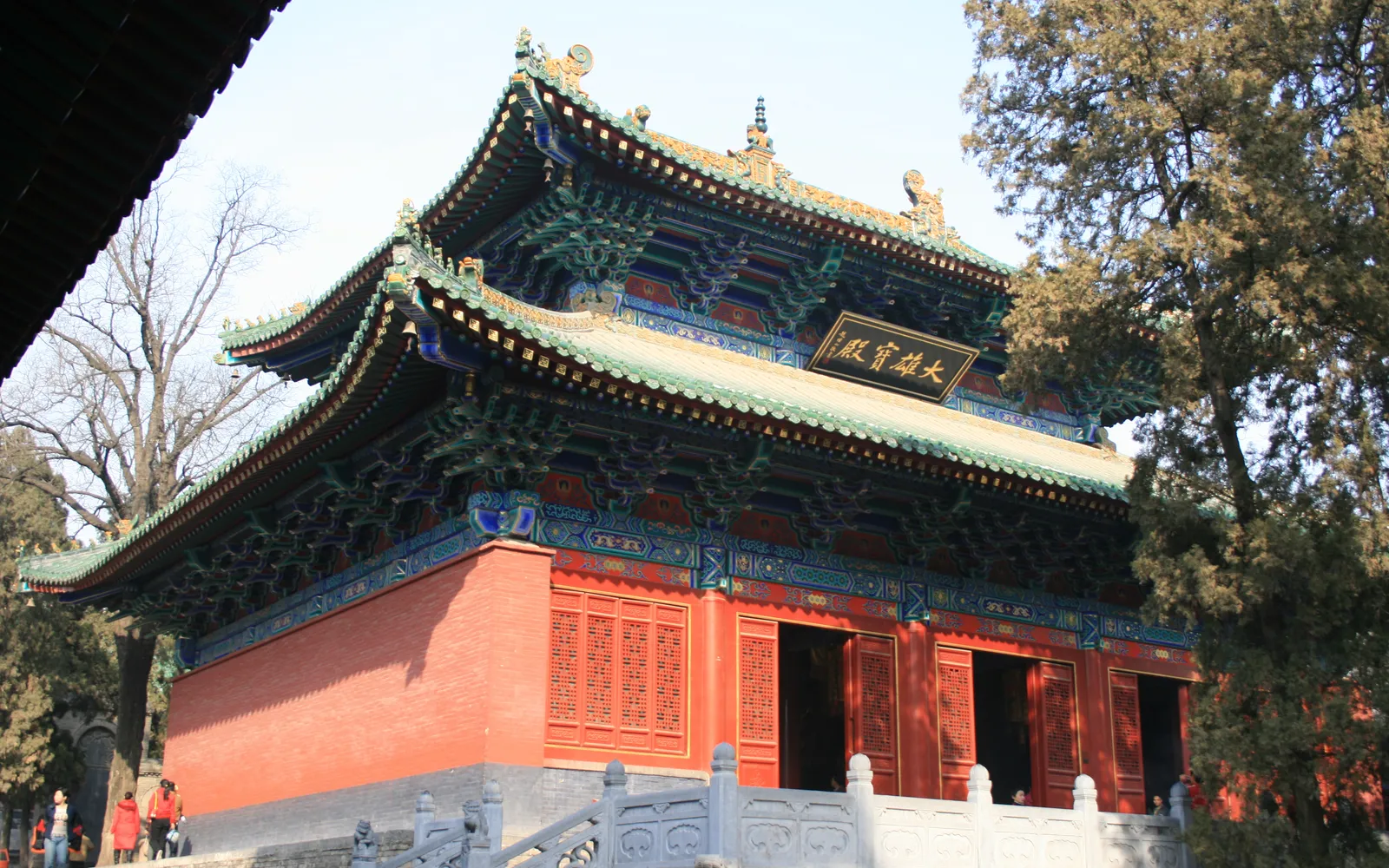
The most famous Buddhist monastery on earth and the birthplace of Shaolin martial arts — a tradition more than 1,500 years old. Founded in 495 AD during the Northern Wei dynasty, this is where Bodhidharma (<em>Damo</em>) meditated and laid the foundations of Chan kung fu. Beyond the main temple complex, the grounds contain the largest pagoda forest in China — over 240 pagodas — and a kung fu school that still trains students today. Live kung fu demonstrations are held inside the monastery every day.
- Buy the combined ticket covering the monastery, pagoda forest, Damo's cave, and the cable car — around 100 yuan, much better value than buying each section separately.
- The main kung fu demonstration runs at roughly 10:00 and 14:30. Confirm the exact schedule at the ticket counter before you go in.
- The monastery is packed during Golden Week and Chinese public holidays. A weekday visit lets you move around far more comfortably.
 #2
#2 Mount Song (Song Shan) · Mount Song
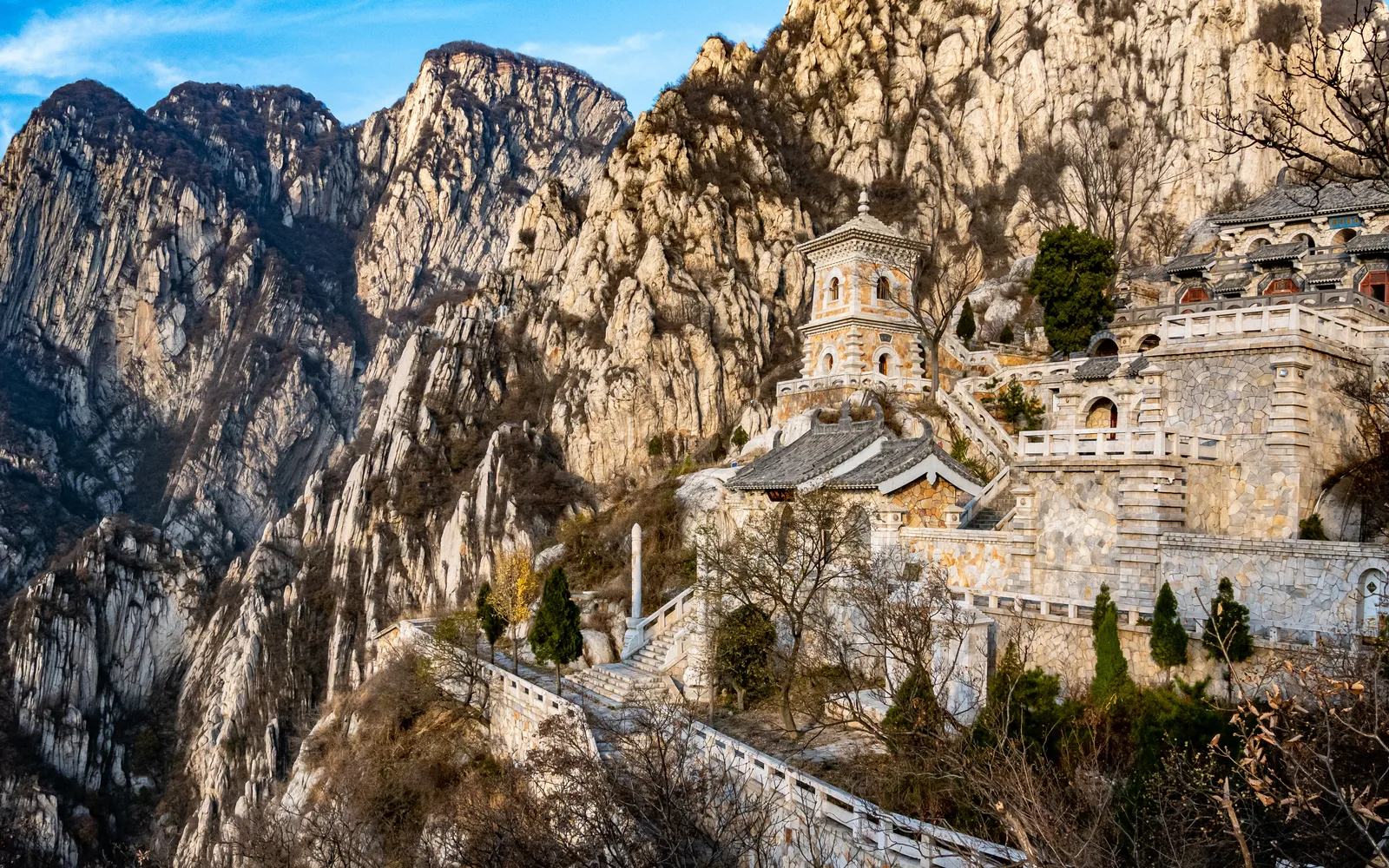
One of China's Five Sacred Mountains (<em>Wu Yue</em>), Mount Song is the Central Mountain — the point ancient Chinese cosmology placed at the axis of the world. Its highest peak, Junji Peak, reaches 1,512 metres. There are 3 hiking trails, plus a cable car for those who prefer not to walk. Around the mountain you will also find the ancient Dengfeng Observatory and Zhongyue Temple, a place of worship with a 2,000-year history.
- Shaolin Monastery sits at the foot of Mount Song — plan both in the same day with ease. A rough split of half a day at the monastery and half a day on the mountain works well.
- The cable car costs around 80 yuan return and saves significant time. That said, walking up gives you continuous views and the small temples along the trail.
- Wear non-slip shoes. The stone paths are damp and slippery, especially after rain.
 #3
#3 Henan Museum (Henan Bowuguan) · Henan Museum
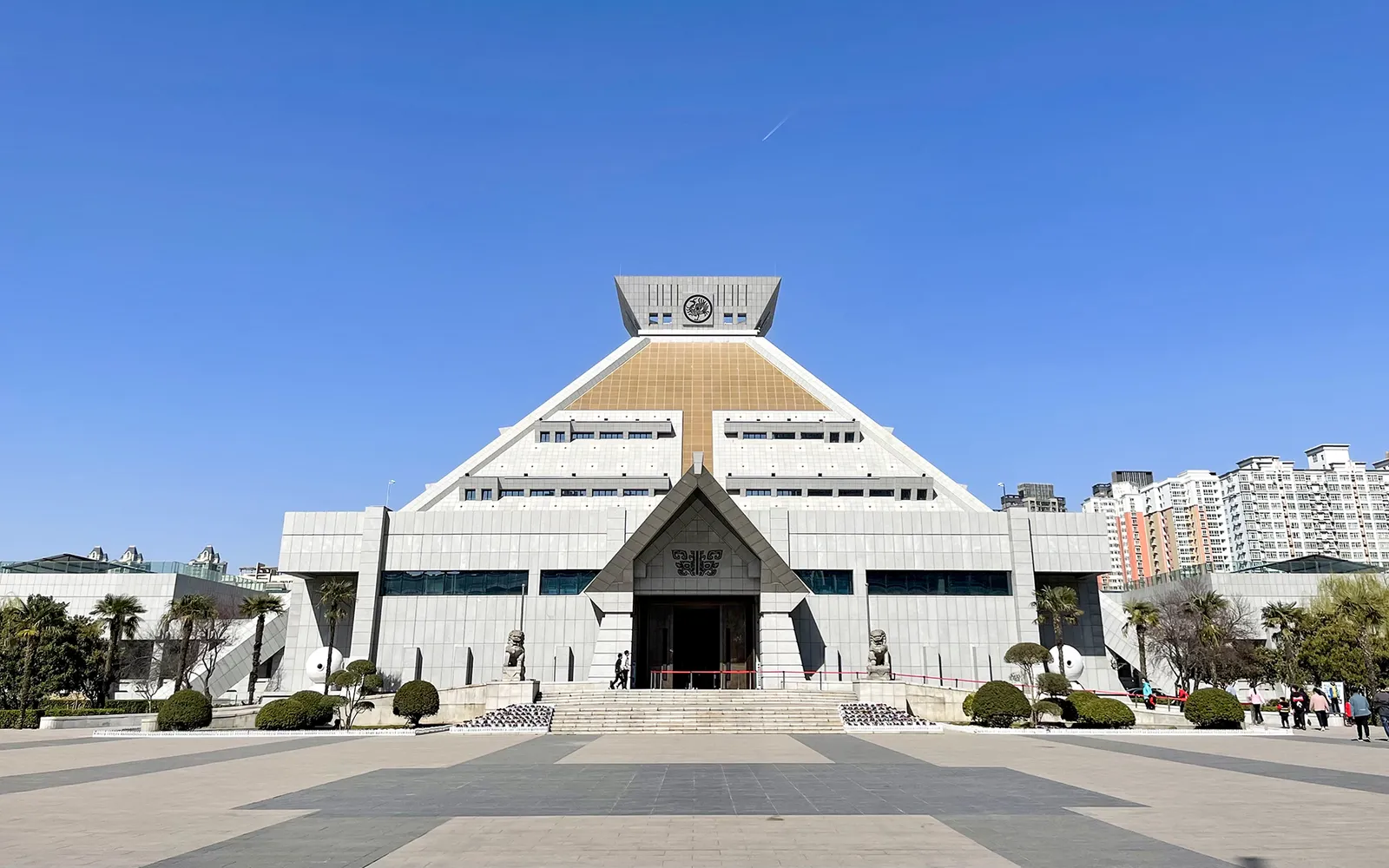
One of China's most important national museums, holding over 170,000 artefacts from Henan Province spanning the Neolithic through the Qing dynasty. Highlights include Shang dynasty bronzes, a bone flute dating back 9,000 years (the oldest playable instrument ever found anywhere in the world), and Han dynasty jade burial suits. The building itself is designed in a golden-brown pyramid form, drawing on ancient Chinese tomb architecture.
- Admission is free but requires advance online registration via WeChat or the official website — visitor numbers are capped each day.
- Hiring a guide or renting an English audioguide is strongly recommended, as most display labels are in Chinese only.
- The basement gallery shows rotating special exhibitions that change every 3 months. Do not skip this floor.
 #4
#4 Yellow River Scenic Area (Huanghe Fengjingqu) · Yellow River Scenic Area
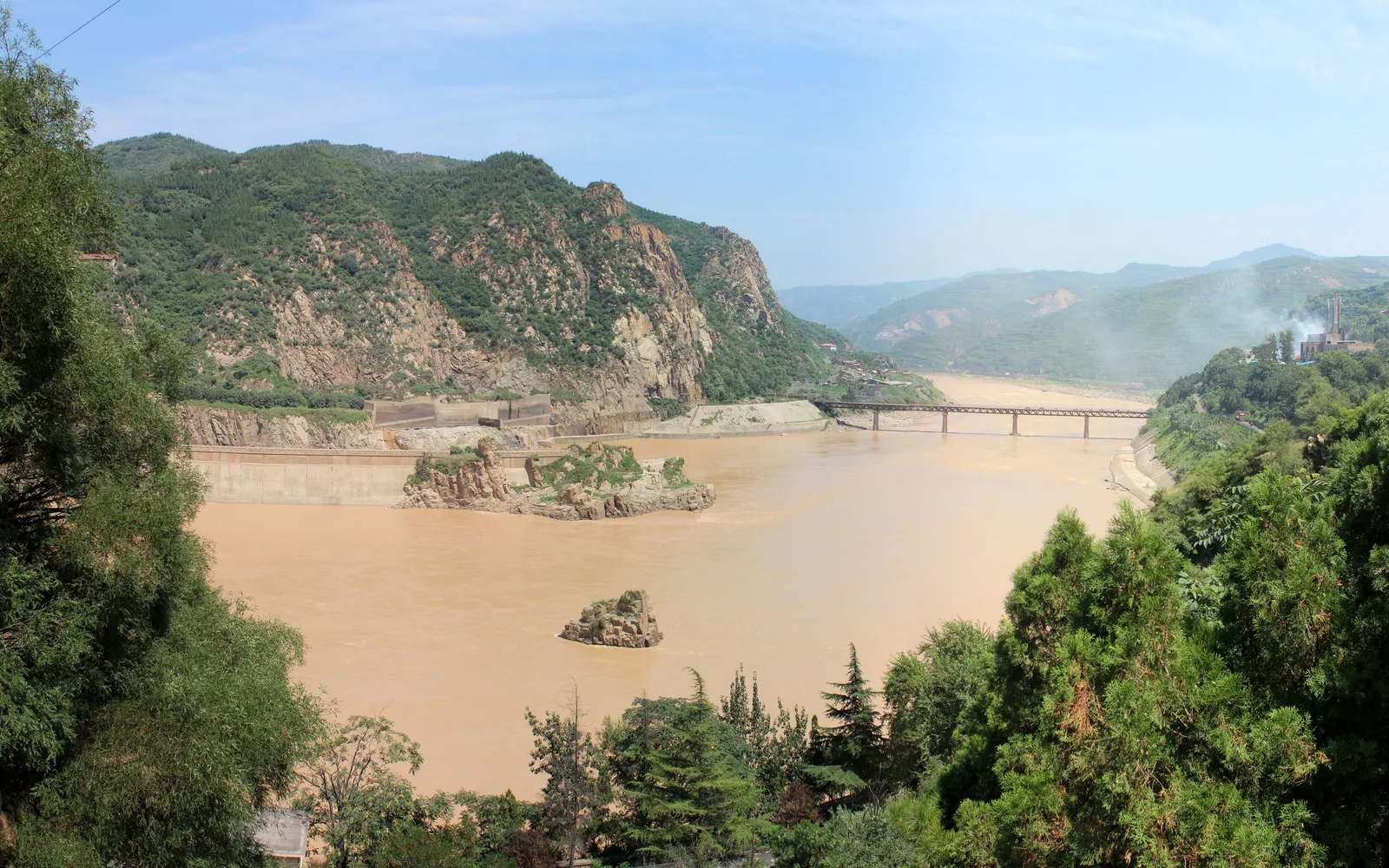
The Yellow River is China's river of civilisation: 5,464 km long, sustaining communities along its banks for over 4,000 years. The scenic area near Zhengzhou marks the point where the river leaves its gorge and spreads across the great plain. Here you will find enormous statues of the Yellow Emperor (<em>Huangdi</em>) and the Yan Emperor — mythological founding ancestors of the Chinese people. The river runs a deep yellow year-round, coloured by loess soil carried down from the Loess Plateau.
- A river cruise costs around 40–60 yuan and gives you a completely different perspective from standing on the bank.
- During the rainy season (July–August) the water level rises and the yellow is at its most intense — a raw kind of beautiful, though be aware of flooding risk.
- The scenic area sits in the same direction as the ancient cities of Luoyang and Kaifeng, so it is easy to combine all three in a single day trip.
 #5
#5 Shang City Ruins (Zhengzhou Shang Cheng Yizhi) · Zhengzhou Shang City Ruins
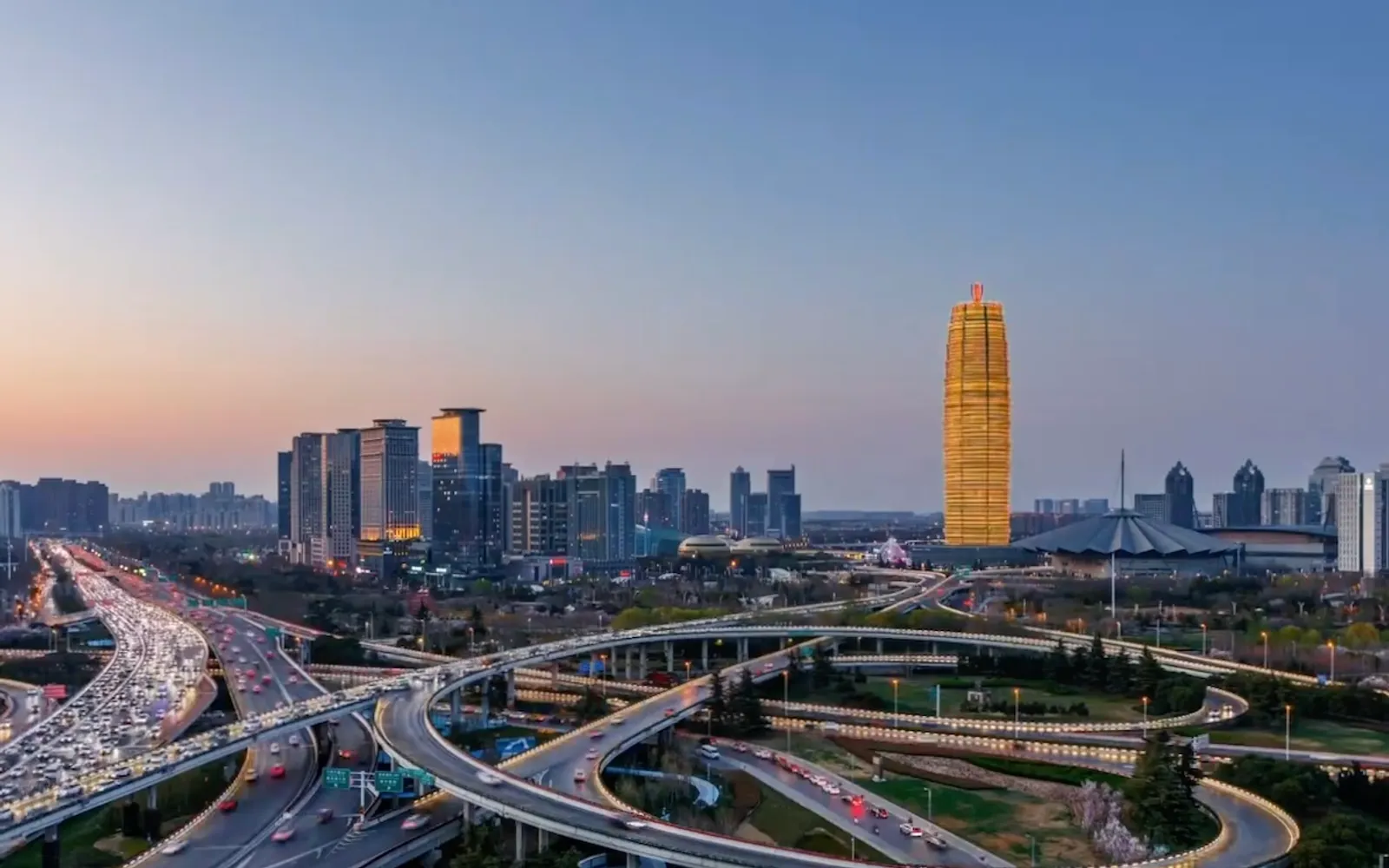
The surviving city walls of a Shang dynasty capital, built around 1,600 BC, preserved in the middle of a contemporary city. The rammed-earth perimeter stretches more than 7 kilometres in total and stands as the strongest physical evidence of Shang dynasty civilisation — the first Chinese dynasty confirmed by archaeology. Excavations across the site have yielded bronze vessels, oracle-bone inscriptions on tortoise shells, and ancient weapons in large quantities.
- Entry is free at all hours. You can walk around the walls independently, though reading up on the history first will make the visit much more meaningful.
- Combine this with the Henan Museum on the same day — the two sites are close, and the museum displays many artefacts excavated here.
- Parts of the original wall have been built over. Use a map that marks the surviving sections clearly before you go.
 #6
#6 Zhongyue Temple (Zhongyue Miao) · Zhongyue Temple
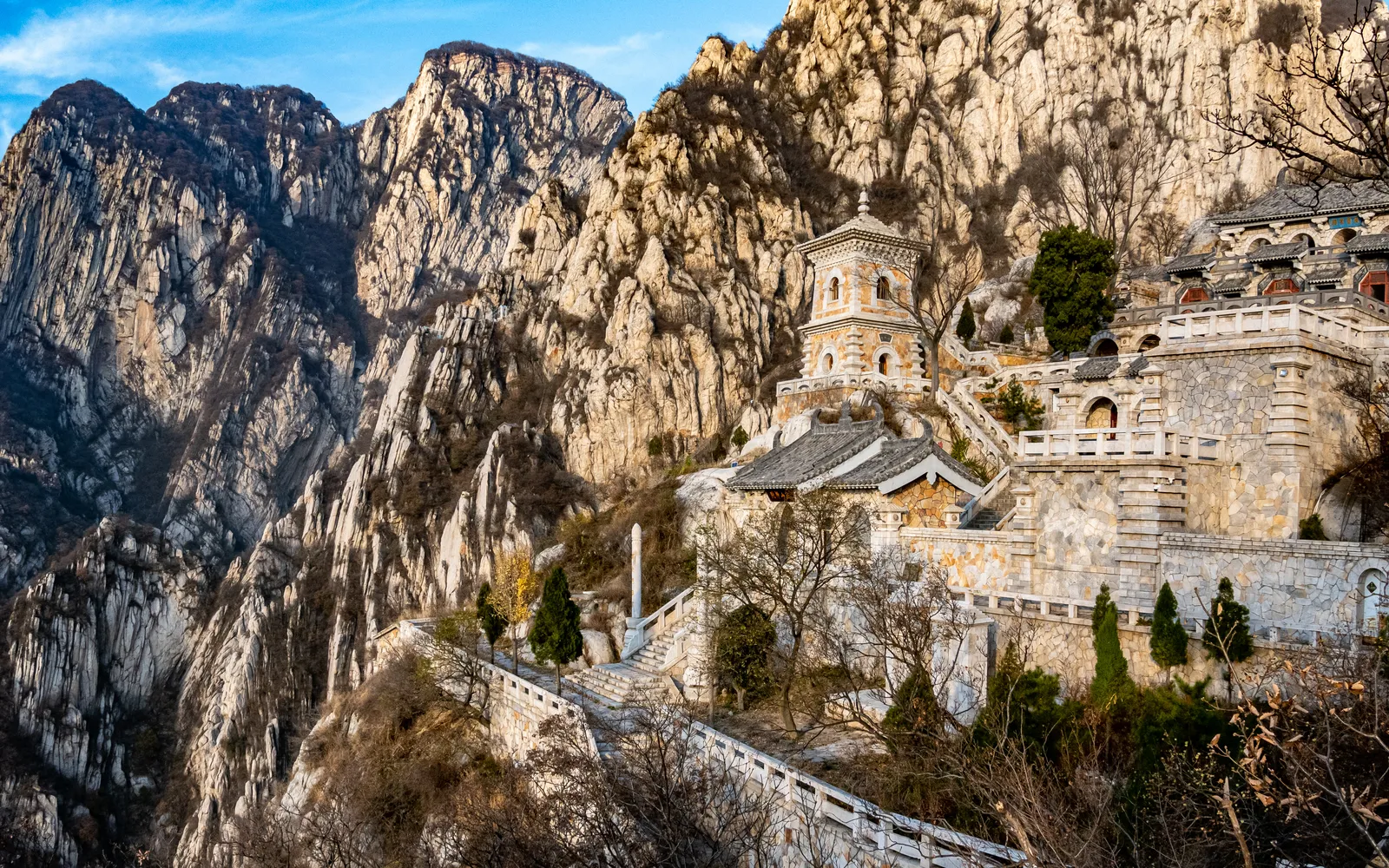
The largest Taoist temple in Henan Province and one of the oldest in China. The site dates to the Qin dynasty, over 2,200 years ago, and has been restored continuously through to the Qing dynasty. The main hall complex runs more than 650 metres along its central axis, with 11 buildings, 4 ancient iron guardian statues, and millennium-old pine trees lining the approach. During Chinese New Year and the Mount Song worship festival, traditional ceremonies are held that are well worth watching.
- Admission is 30 yuan, included in the broader Mount Song area ticket — buy the combined pass for better value.
- Make a point of finding the 4 ancient iron guardian columns (cast iron from the Song–Qing dynasties) that remain in excellent condition — they are one of the most overlooked highlights on the site.
- Combine this with Shaolin Monastery and Mount Song in a single day. Zhongyue Temple sits directly on the route between them.
Where to stay in Zhengzhou for this trip
A well-located hotel means less commuting and more sightseeing. Here are real, top-rated stays in Zhengzhou — compare Agoda · Booking · Trip.com in one click.
M Hotel Zhengzhou
Affiliate links — we may earn a commission at no extra cost to you. Details
JW Marriott Hotel Zhengzhou
Affiliate links — we may earn a commission at no extra cost to you. Details
Hilton Zhengzhou
Affiliate links — we may earn a commission at no extra cost to you. Details
Holiday Inn Express Zhengzhou Zhongzhou by IHG
Affiliate links — we may earn a commission at no extra cost to you. Details
Tours, tickets & activities in Zhengzhou
Day tours, attraction tickets and travel essentials for Zhengzhou — book ahead on Klook with mobile e-tickets.
Affiliate links — we may earn a commission at no extra cost to you.
Before You Pack
Zhengzhou is at its most comfortable in spring (March–May) and autumn (September–November), when temperatures are mild. Avoid summer (June–August) — it is hot and very humid. Plan at least 3–4 days to cover Shaolin Monastery, Mount Song, and the Yellow River without rushing.